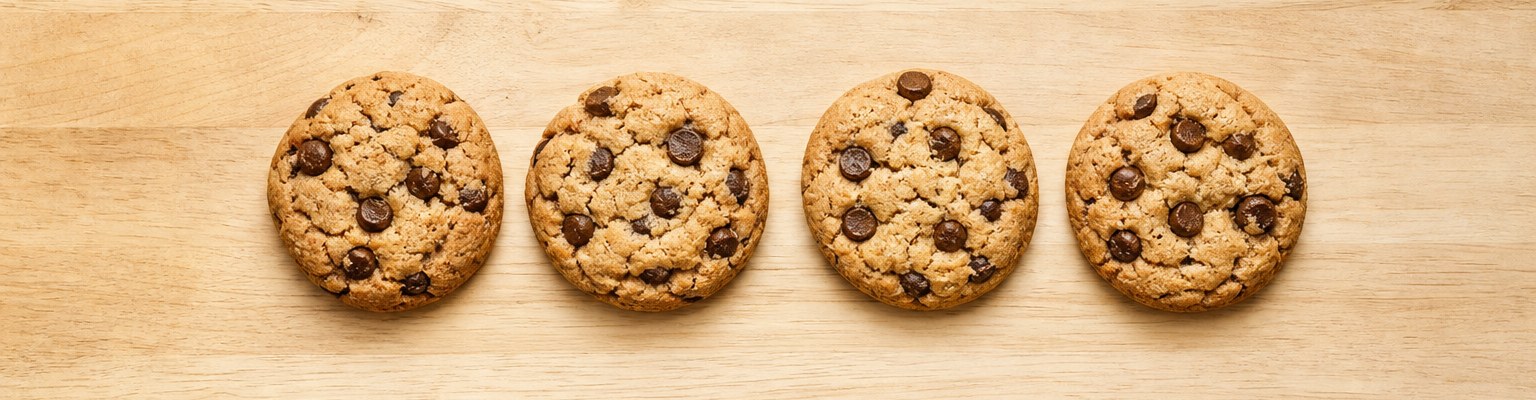
Why Your Pie Has a Soggy Bottom, and the Four Fixes
 Margaret Chen · October 25, 2026
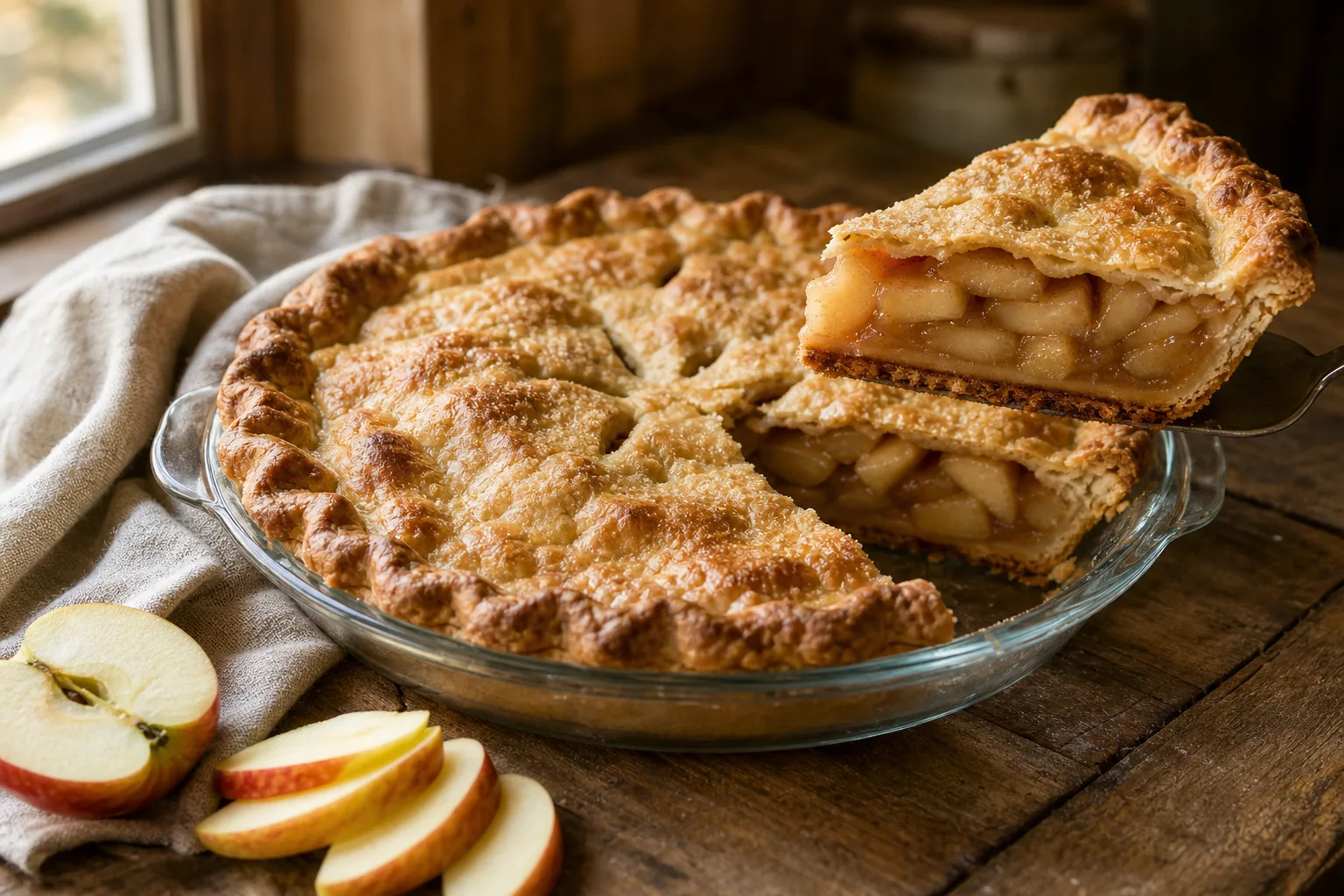
A soggy pie bottom is a heat and moisture problem, not bad luck. Four tested fixes: blind baking, oven rack, pan material, and filling control.
Margaret Chen · October 25, 2026
A soggy pie bottom is a heat and moisture problem, not bad luck. Four tested fixes: blind baking, oven rack, pan material, and filling control.
Margaret Chen · October 25, 2026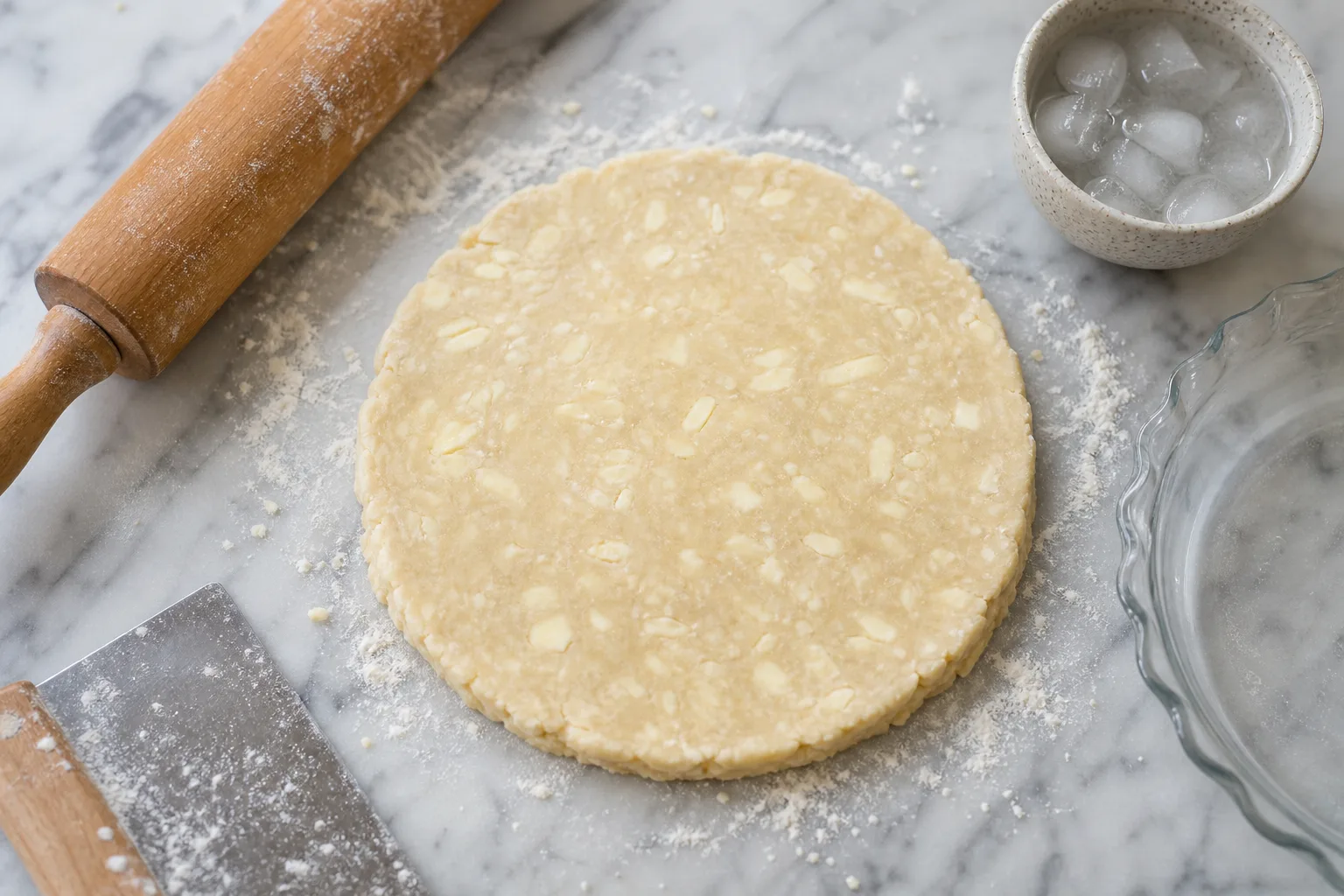
The all-butter pie crust I use for every pie on this site: butter vs shortening vs lard, how much water, rolling temperature, resting and blind baking.
Margaret Chen · October 25, 2026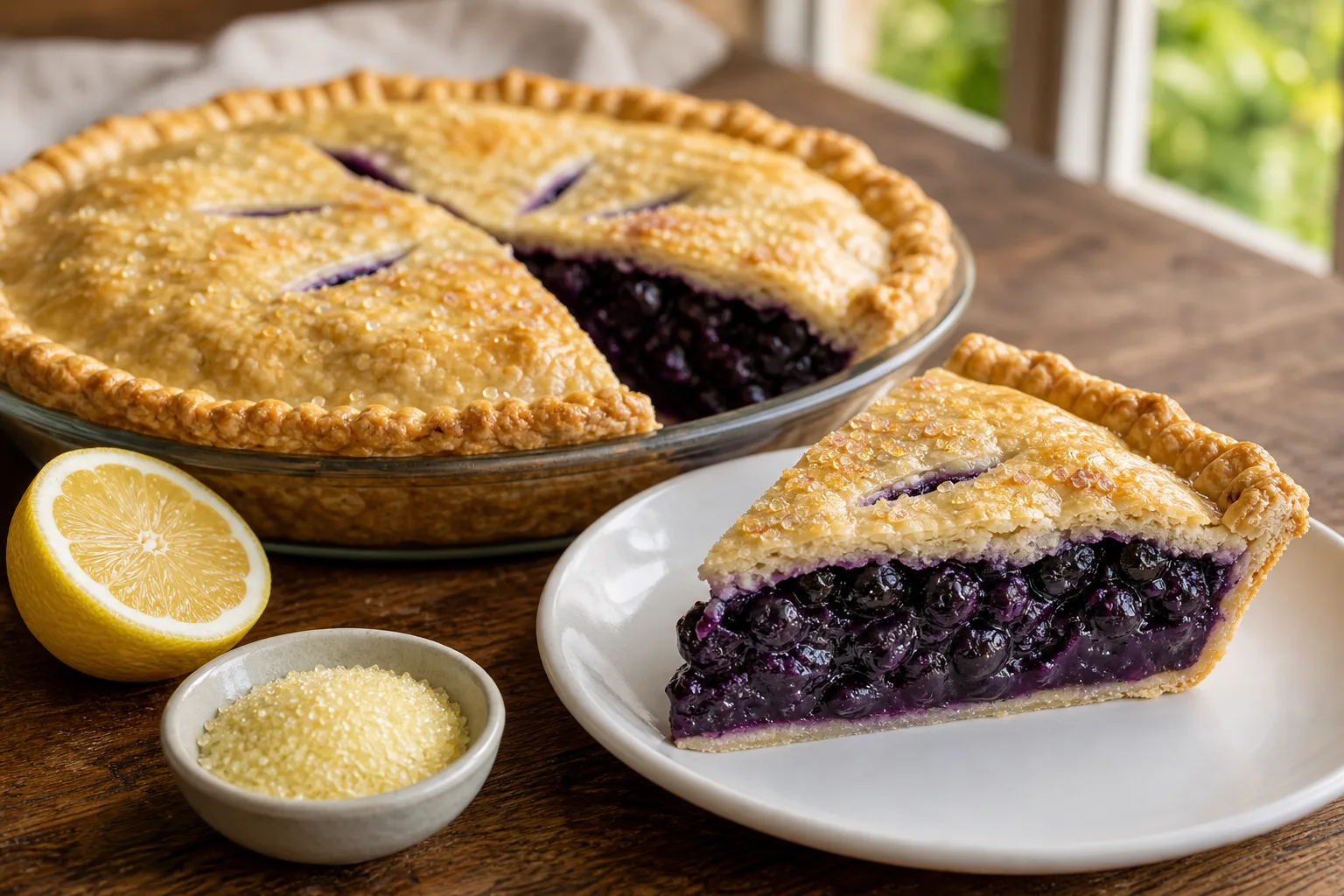
Blueberry lemon pie with zest rubbed into the sugar and just enough juice to brighten the berries and help the filling set. Sliceable, never soupy.
Margaret Chen · October 25, 2026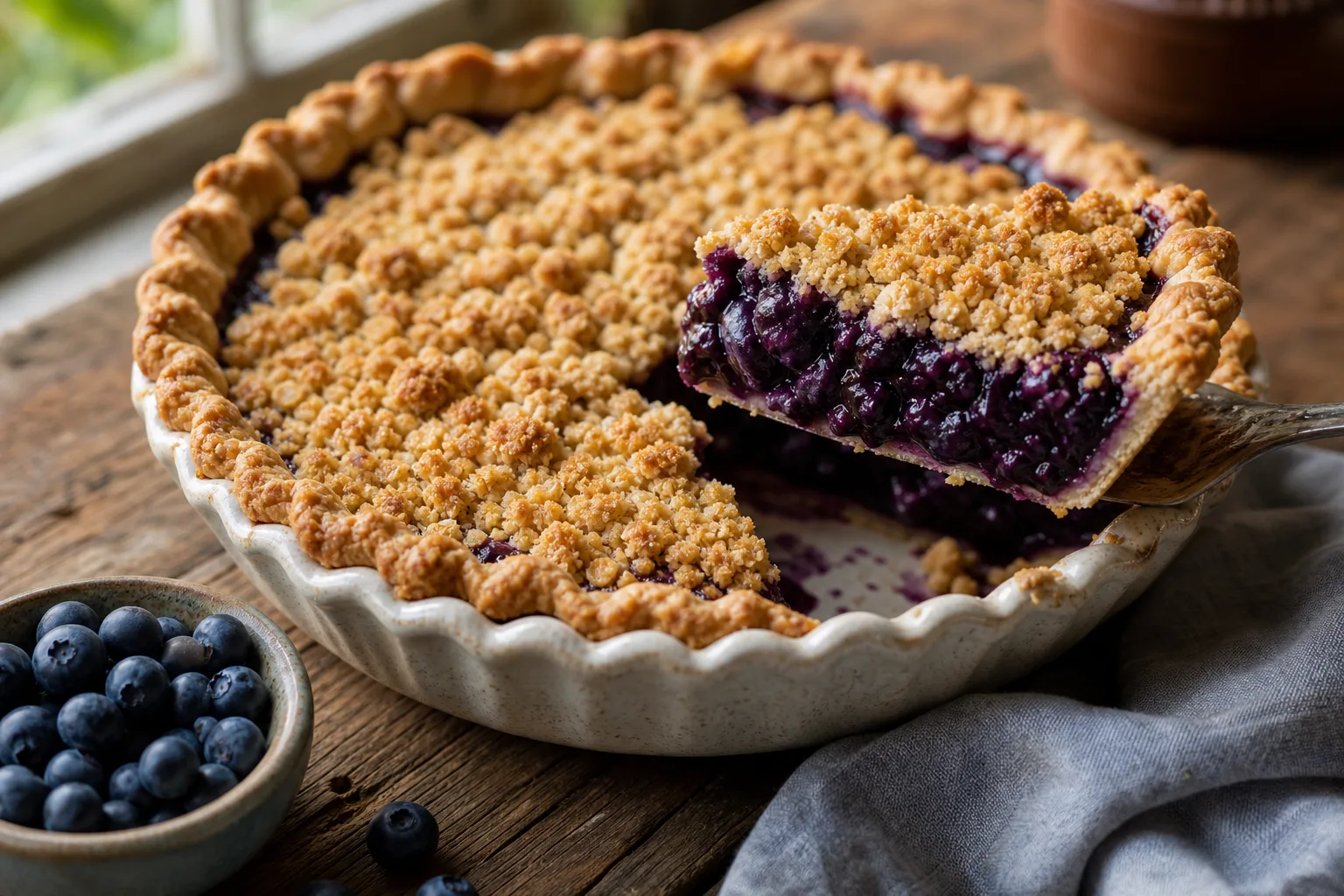
A blueberry crumb pie with an oat crumb that soaks up stray juice, plus the flour-to-oat ratio, butter amount, and bake cues that keep it crisp.
Margaret Chen · October 25, 2026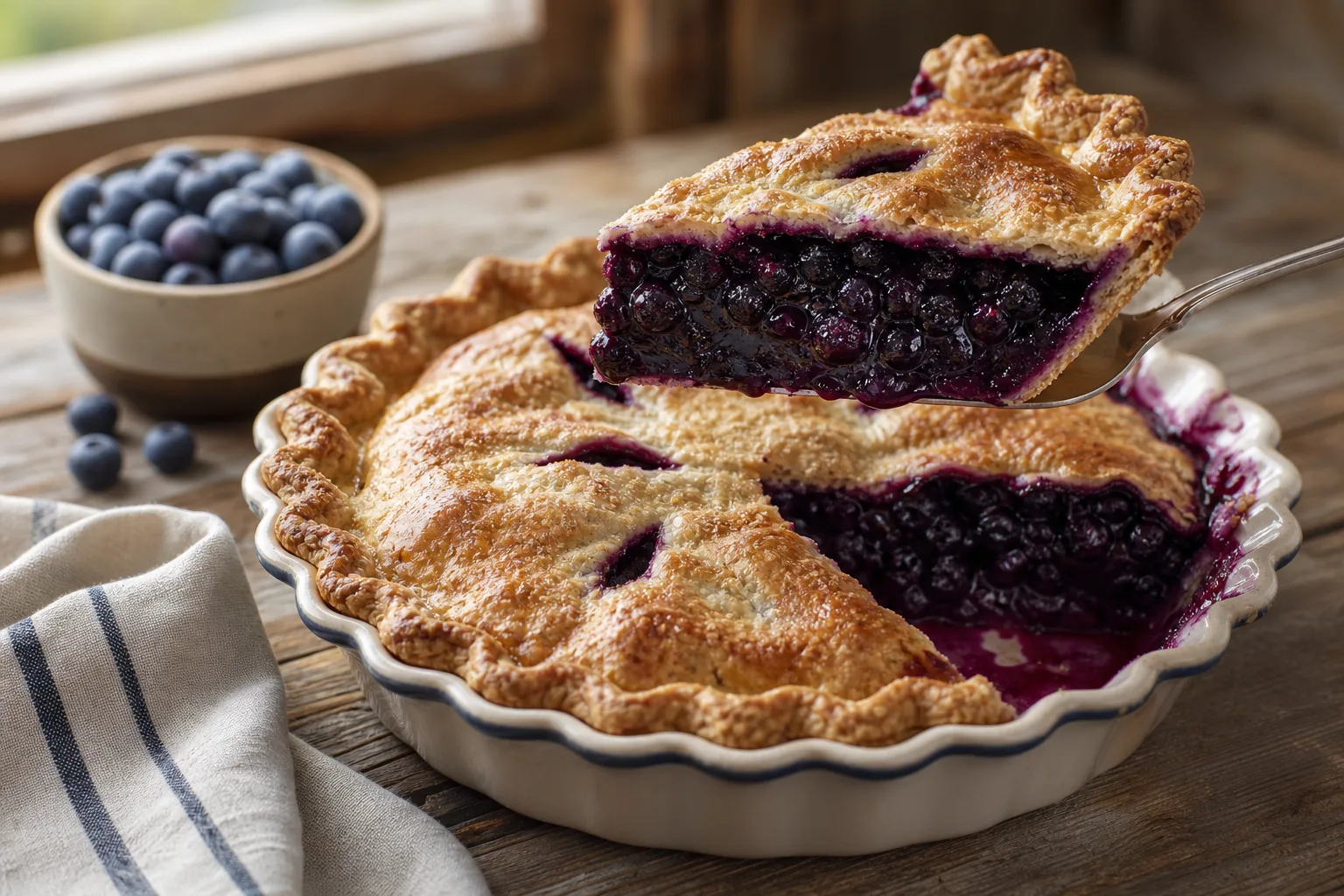
A double-crust blueberry pie that actually holds a slice. Learn how much cornstarch a pound of berries needs and why mashing some of them matters.
Margaret Chen · October 25, 2026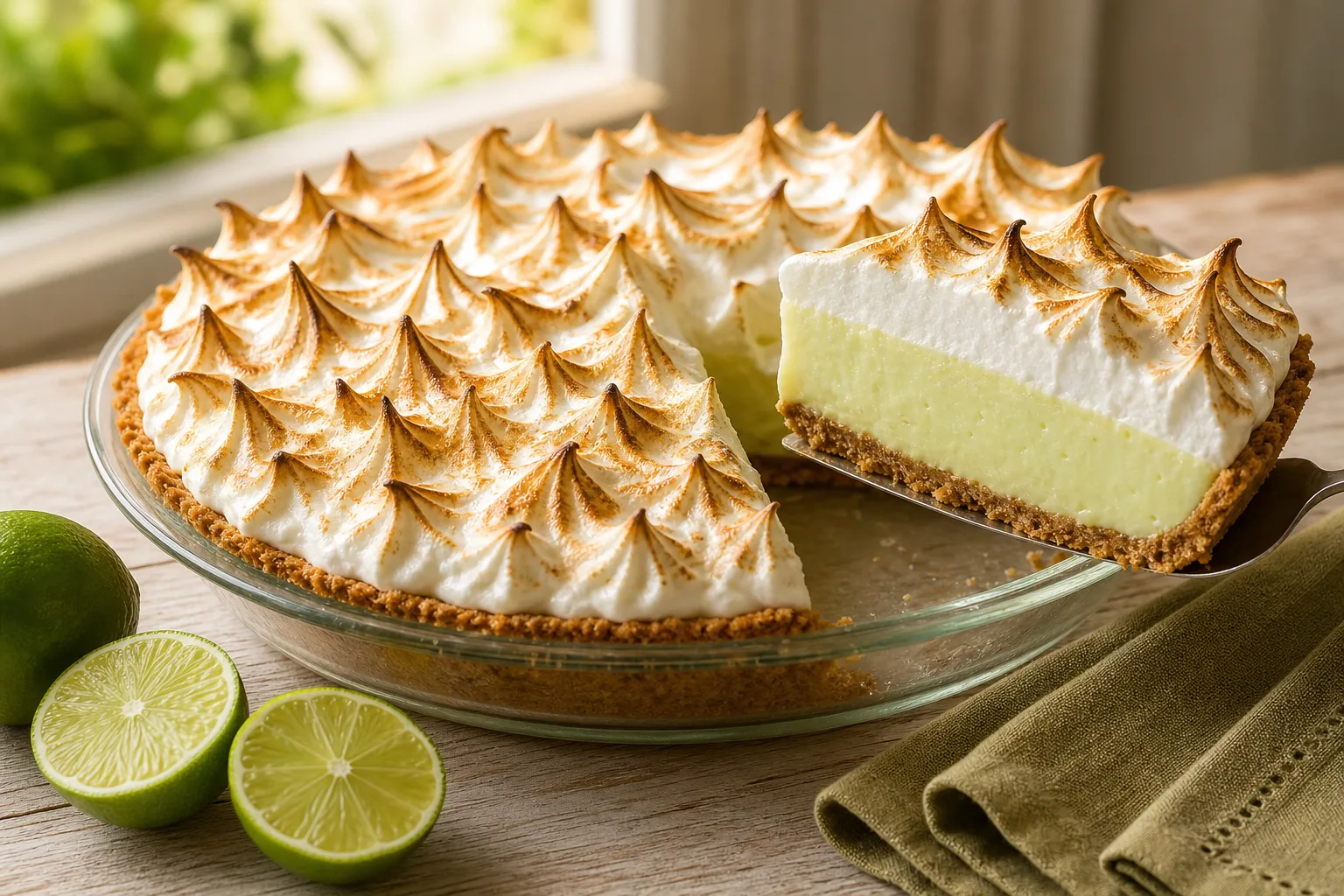
Key lime pie with a Swiss meringue: whites heated to 160°F over water, whipped glossy, and torched without cooking the filling. Full recipe.
Margaret Chen · October 25, 2026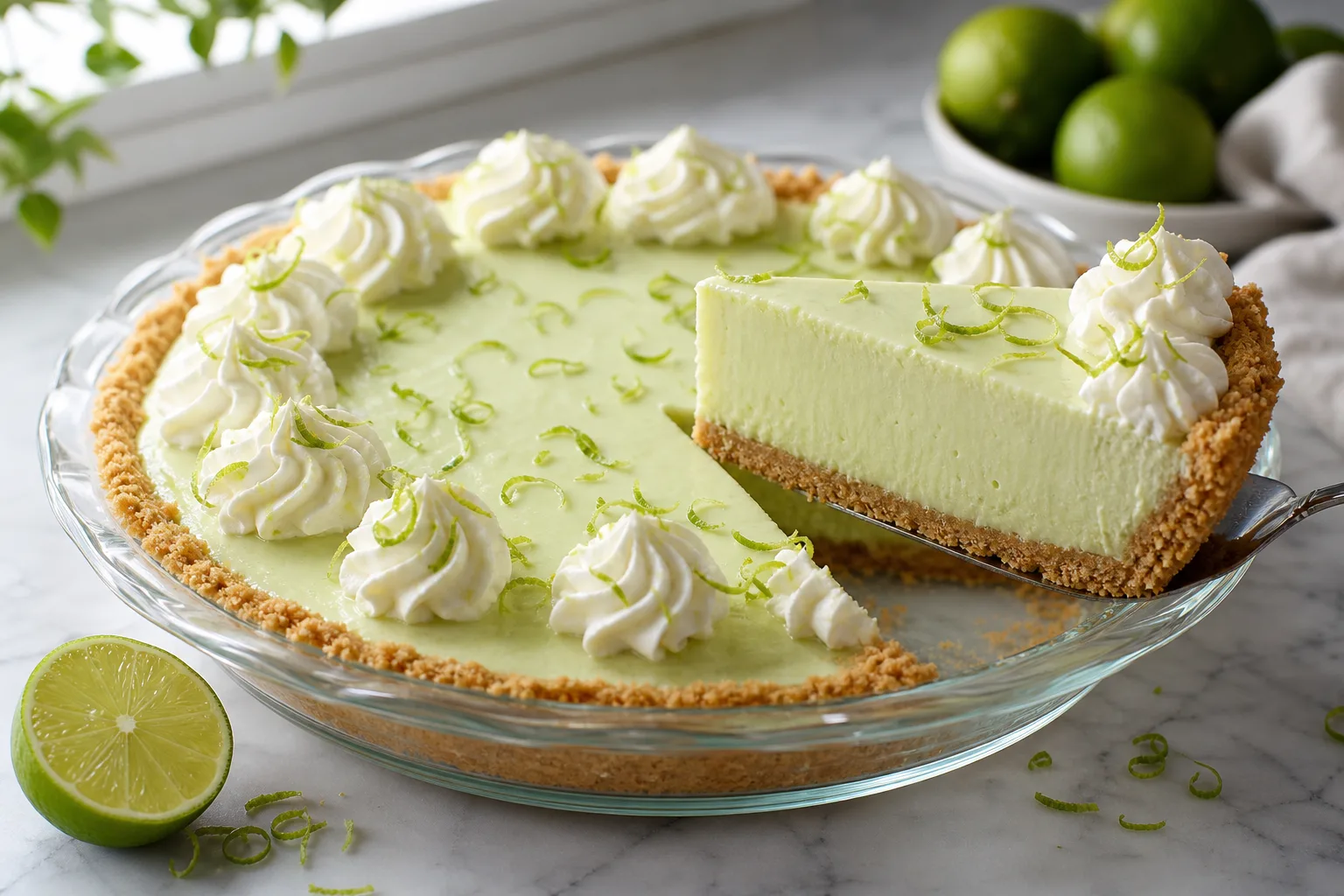
No-bake Key lime pie with no eggs and no oven. Learn what really sets the filling, how long to chill it, and how to tell set from merely cold.
Margaret Chen · October 25, 2026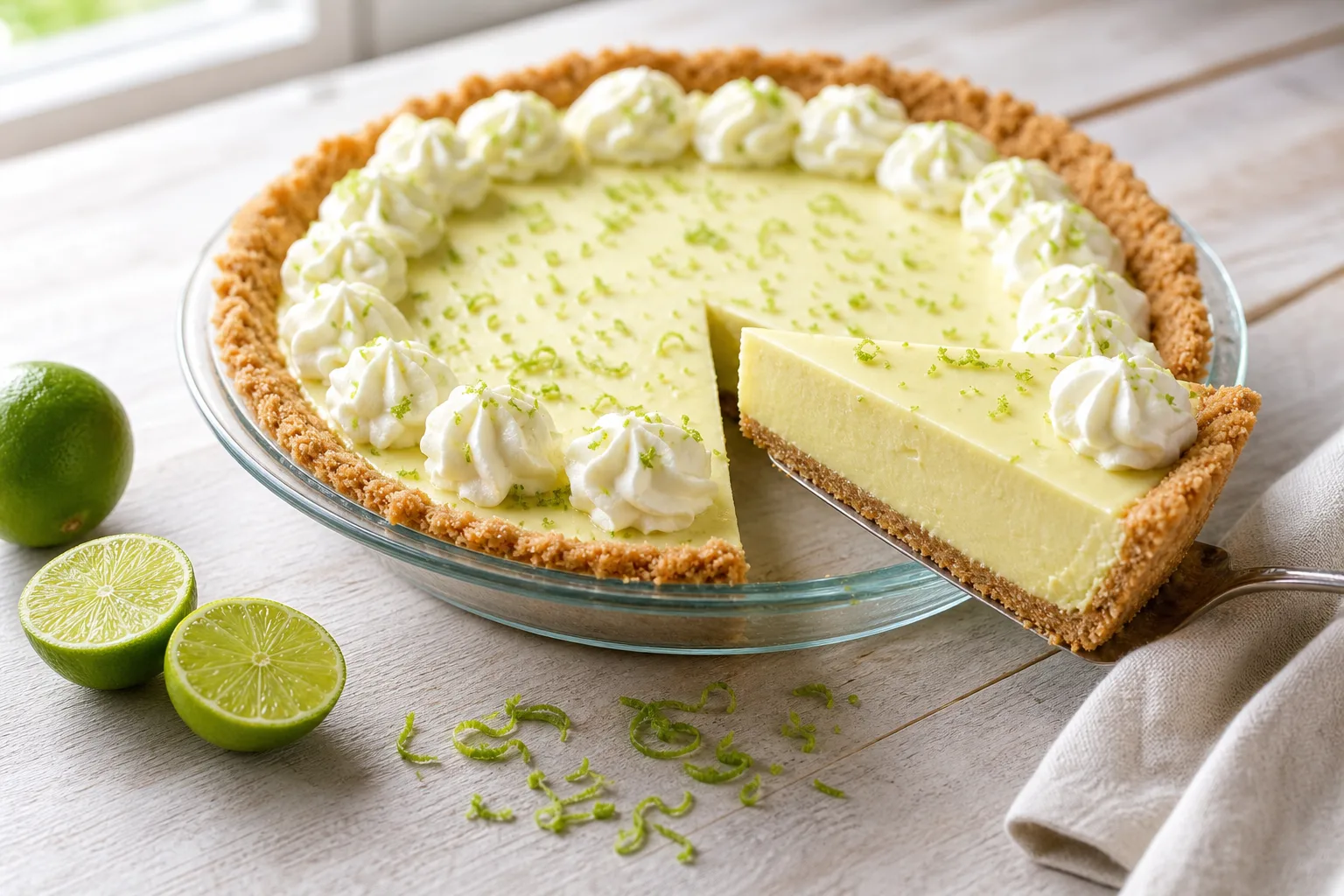
Classic Key lime pie with a graham crust, a Key-versus-Persian juice test, and a short bake that sets the filling cleanly so every slice holds its shape.
Margaret Chen · October 25, 2026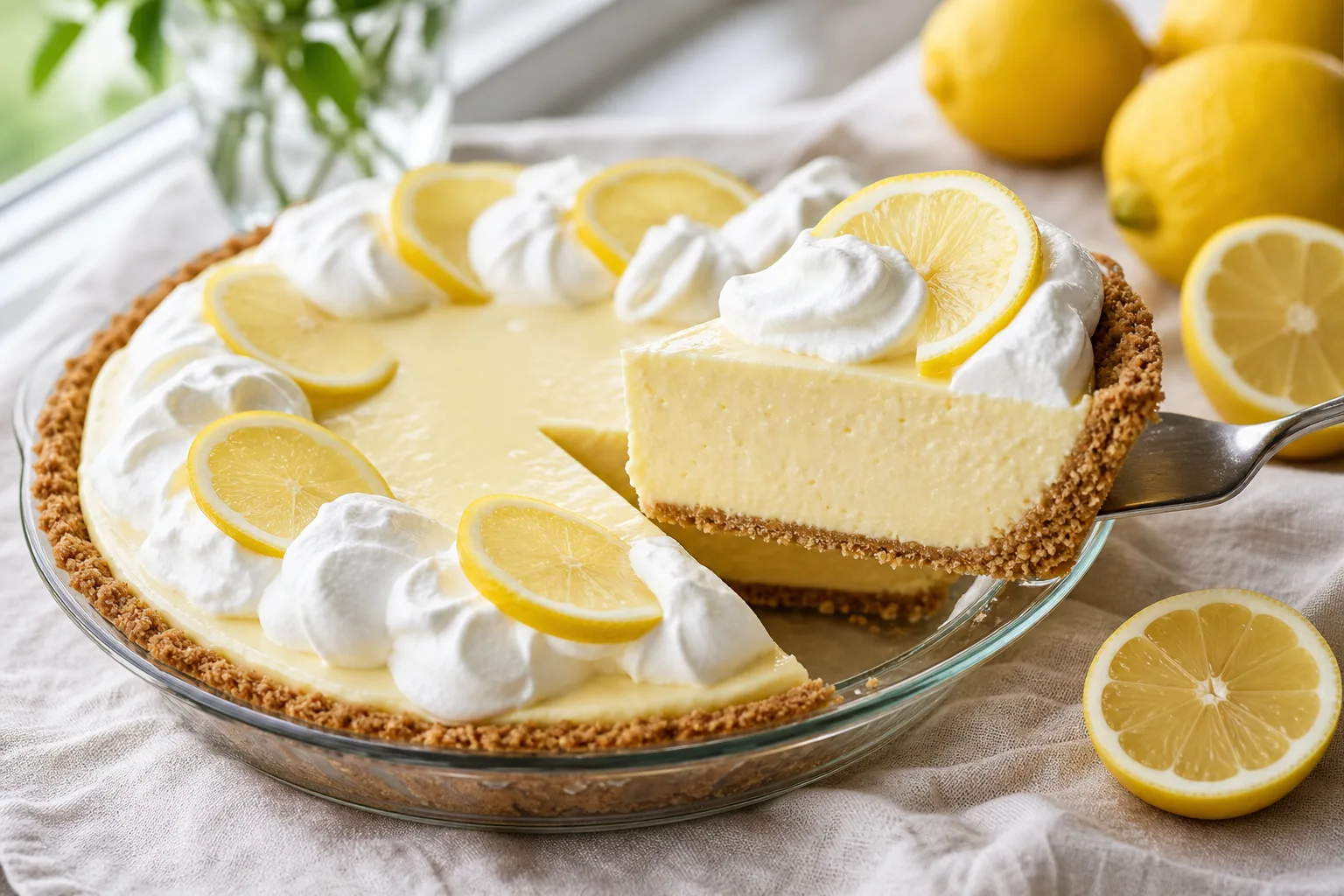
Lemon icebox pie sets with no oven, eggs, or gelatin: lemon juice thickens condensed milk on contact. Here’s why it needs 6 hours to chill.
Margaret Chen · October 25, 2026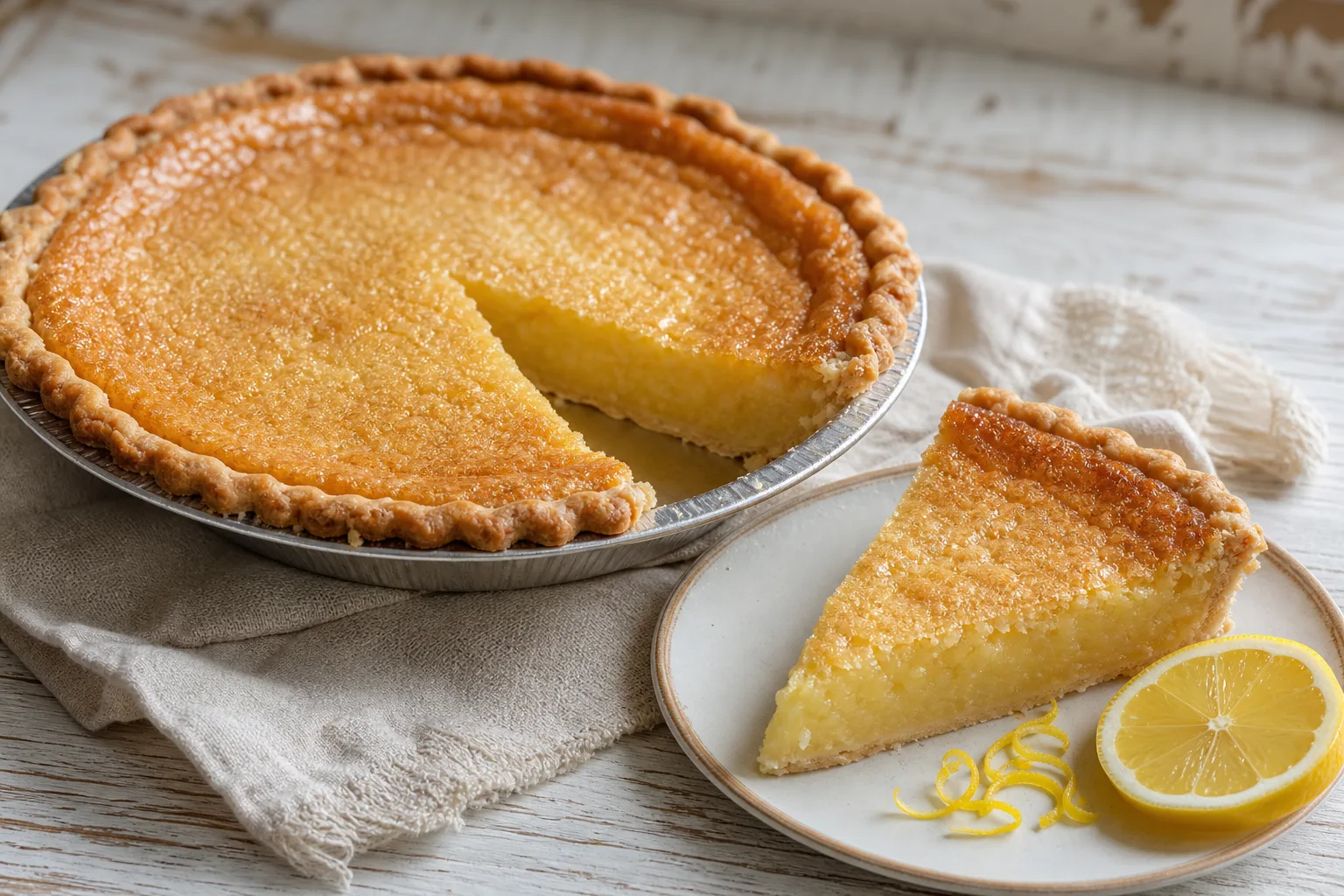
Lemon chess pie is stirred and poured raw, not cooked into curd first. Get the crackly top, the tart filling, and why no blind baking is needed.