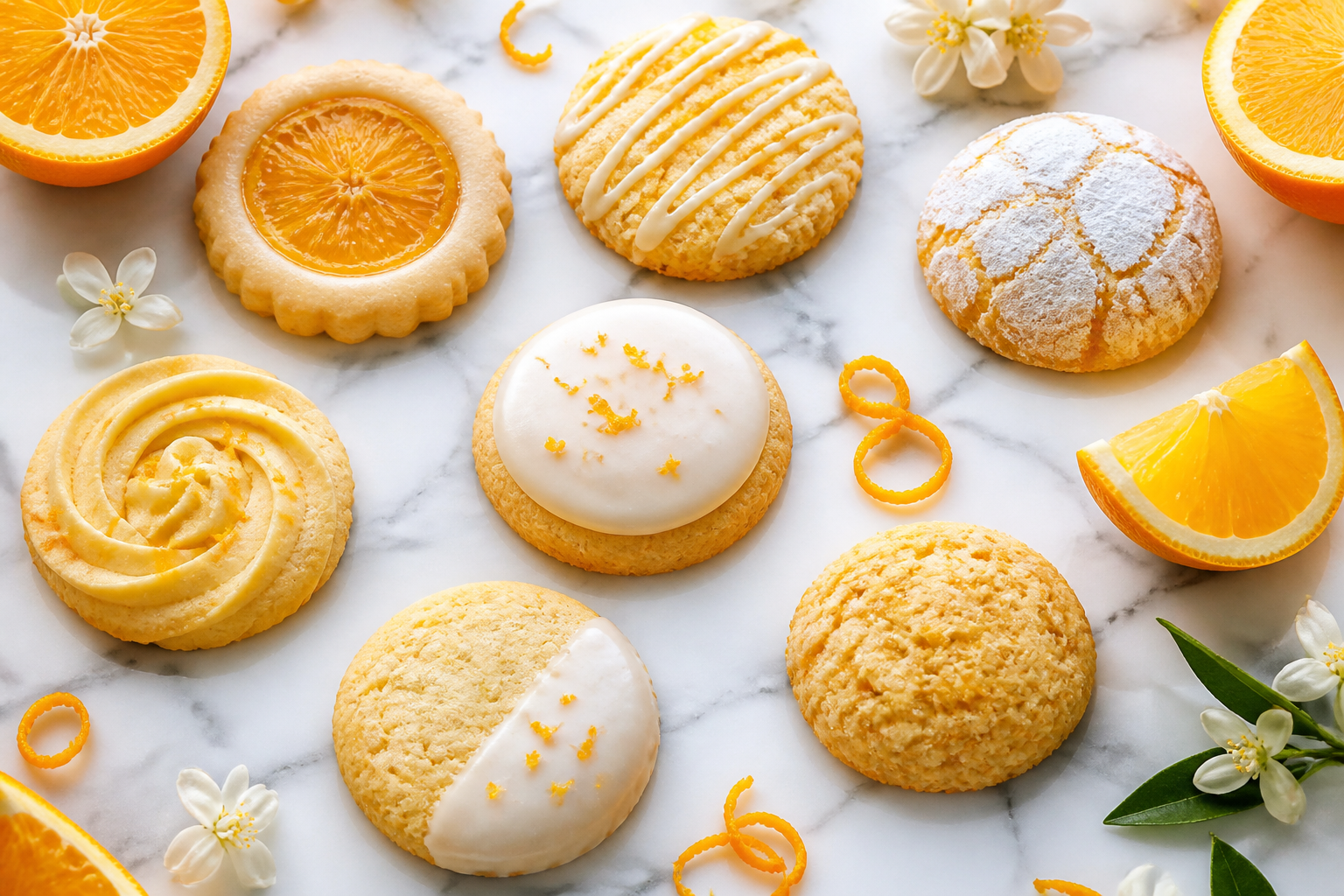

Orange Cookies: 5 Internationally-Inspired Recipes You Won’t Find in a Standard Roundup
I spent the better part of last winter diving deep into orange cookie recipes—not just any orange cookies, but the kind that make people pause mid-bite and ask, “What is that flavor?” The kind that linger on your palate long after the cookie is gone. The kind that transform the humble cookie from an afterthought into a showstopper. This isn’t a “best orange cookies” survey — we already have that list, and it covers the essentials. This is the five recipes that didn’t make sense to fold into a general roundup: cookies built around techniques and traditions — Moroccan orange blossom water, French patisserie-style sandwich cookies, brown butter, cardamom, and a soft glazed drop cookie — that reward baking orange as its own project rather than a single entry on a longer list.
What Flavors Work Best With Orange in Cookies
After years of testing, here are the flavor combinations that work best with orange in cookies:
- Dark Chocolate: The bitterness of dark chocolate creates a sophisticated contrast with bright citrus. This pairing feels almost gourmet.
- Cardamom: Warm, slightly floral, and aromatic, cardamom has a natural affinity for orange. Think Scandinavian baking sensibilities.
- Vanilla: A classic pairing. Vanilla acts as a supporting player that lets orange shine while adding depth and richness.
- Almond: Almond flour or almond extract creates a buttery, sophisticated backdrop for orange’s brightness.
- Rosemary: Herbaceous and unexpected, rosemary + orange creates a savory-sweet complexity that’s memorable.
- Cranberry: Tart and slightly winey, cranberry deepens orange’s complexity without overpowering it.
- Pistachio: Nutty and delicate, pistachio pairs beautifully with orange in shortbread-style cookies.
Use a combination of fresh zest (bright, natural flavor) and pure extract (depth) rather than one source alone. Keep orange unmistakable but not medicinal or artificial.
Recipe 1: Brown Butter Orange Cookies
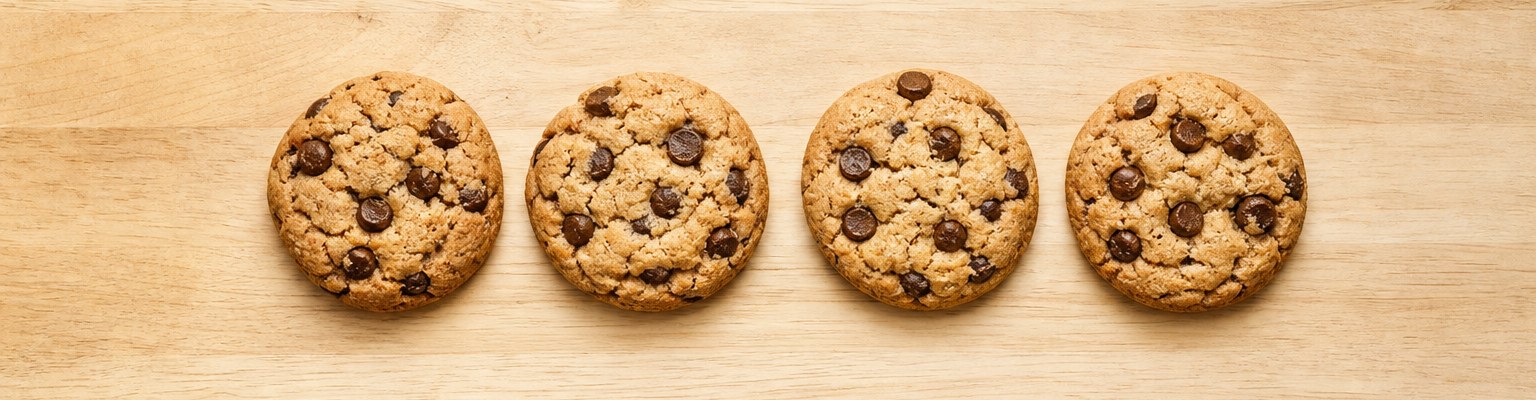
Brown butter develops deep, nutty, caramelized flavors that amplify citrus notes in ways regular butter cannot, creating a sophisticated dimension of orange flavor.
Brown Butter Orange Cookies — Ingredients
- 1 cup (2 sticks) unsalted butter
- ¾ cup granulated sugar
- ¼ cup brown sugar
- 1 large egg
- 1 tablespoon fresh orange zest
- ½ teaspoon pure orange extract
- 1¾ cups all-purpose flour
- ½ teaspoon baking soda
- ¼ teaspoon sea salt
- ¼ teaspoon ground ginger (optional but recommended)
Method:
- Brown the butter in a light-colored saucepan over medium heat, swirling occasionally. It will foam, then smell nutty (about 5–7 minutes). Let it cool to room temperature—this is important.
- Once cool, beat the browned butter with both sugars for 2 minutes until combined.
- Add the egg, orange zest, and orange extract; mix well.
- In a separate bowl, whisk together flour, baking soda, salt, and ginger. Fold the dry ingredients into the wet until just combined.
- Scoop tablespoon-sized portions onto parchment-lined baking sheets, spacing them 2 inches apart.
- Bake at 350°F for 10–12 minutes until the edges are set but centers are still soft.
Brown butter elevates orange to something sophisticated. A slight amount of ginger amplifies the citrus without spice. The result is tender, buttery, and unmistakably orange.
I use 1 tablespoon fresh zest paired with ½ teaspoon extract—zest provides bright oils, extract adds depth and complexity.
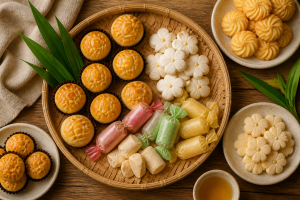
Recipe 2: Moroccan-Inspired Orange Blossom Cookies
I developed these after returning from a research trip to Morocco where I tasted traditional almond cookies perfumed with orange blossom. I wanted to capture that magic in a more American-friendly cookie form. The result is something between a delicate tea cookie and a petit four—soft, sophisticated, and utterly addictive. For more on this flavor tradition, see my post on traditional Moroccan fekkas.
Moroccan-Inspired Orange Blossom Cookies — Ingredients
- ¾ cup unsalted butter, softened
- ¾ cup granulated sugar
- 1 large egg
- 1½ teaspoons orange blossom water
- ½ teaspoon vanilla extract
- Zest of 1 orange
- 1¾ cups all-purpose flour
- ¼ teaspoon baking powder
- ¼ teaspoon sea salt
- ¼ teaspoon ground cinnamon (for rolling)
- 2 tablespoons coarse sugar (for rolling)
Method:
- Cream butter and sugar until pale and fluffy (about 3 minutes).
- Beat in egg, orange blossom water, vanilla, and zest.
- Whisk together flour, baking powder, and salt; fold into wet ingredients. Chill dough for 30 minutes.
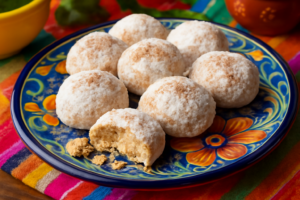
- Mix cinnamon and coarse sugar in a shallow bowl. Roll dough into 1-inch balls, roll in cinnamon sugar, and flatten slightly on parchment-lined baking sheets.
- Bake at 325°F for 12–14 minutes until the bottoms are lightly golden.
Orange blossom water has a more delicate, floral character than extract and requires gentler handling and lower baking temperature to preserve its aromatics. These cookies are crispy outside, tender within.
Orange blossom water is potent—1½ teaspoons is the sweet spot. Orange zest provides a secondary note that grounds the floral quality. Skip the extract here; orange blossom water provides sufficient depth.
Recipe 3: Orange Cardamom Shortbread
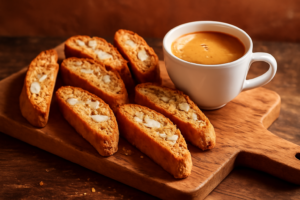
Shortbread combines orange with cardamom—a naturally perfect pairing. These buttery, delicate cookies are refined and restrained, perfect with tea or espresso.
Orange Cardamom Shortbread — Ingredients
- 1 cup (2 sticks) unsalted butter, softened
- ½ cup granulated sugar
- 1 tablespoon fresh orange zest
- ¼ teaspoon ground cardamom
- ⅛ teaspoon cardamom pods, crushed (optional, for texture)
- 2 cups all-purpose flour
- ¼ teaspoon sea salt
- Optional: ¼ teaspoon pure orange extract
Method:
- Cream butter and sugar until pale and fluffy (3 minutes).
- Mix in orange zest, ground cardamom, and extract if using.
- Whisk together flour and salt. Fold dry ingredients into wet until just combined.
- Press dough into a parchment-lined 8×8-inch square pan. Dock the dough (prick all over with a fork) and chill for 30 minutes.
- Bake at 325°F for 20–23 minutes until pale golden. Shortbread should be pale, not brown—baking at a lower temperature for longer ensures this.
- Cool in the pan for 10 minutes, then cut into squares or rectangles.
Shortbread's simplicity lets each ingredient shine. Cardamom provides warm, floral notes that echo orange without competing. No leavening agent means structure comes from butter and flour alone, creating something tender and crisp simultaneously.
Rely entirely on zest here; extract can make shortbread taste artificial. Cardamom is assertive—¼ teaspoon ground cardamom is sufficient. Any more overshadows the orange.
Recipe 4: Orange Sandwich Cookies with Cream Filling
These look professional and taste sophisticated. The orange cookie is tender and buttery, but the real magic is the orange-infused cream cheese filling—something that feels like it came from a French pâtisserie.
Orange Sandwich Cookies — Ingredients (Cookies)
- ¾ cup unsalted butter, softened
- ½ cup granulated sugar
- 1 large egg yolk
- 1 teaspoon vanilla extract
- ½ teaspoon pure orange extract
- 1 tablespoon fresh orange zest
- 1¾ cups all-purpose flour
- ¼ teaspoon baking powder
- ⅛ teaspoon sea salt
Orange Sandwich Cookies — Ingredients (Filling)
- 4 oz cream cheese, softened
- ¼ cup unsalted butter, softened
- 1 cup powdered sugar
- 1 tablespoon fresh orange zest
- ½ teaspoon pure orange extract
- ½ teaspoon vanilla extract
Method (Cookies):
- Cream butter and sugar until fluffy. Add egg yolk, vanilla, orange extract, and zest; mix well.
- Whisk together flour, baking powder, and salt; fold into wet ingredients. Chill for 30 minutes.
- Roll dough between parchment sheets to ⅛-inch thickness and cut into circles with a 2-inch cutter.
- Place on parchment-lined baking sheets and bake at 325°F for 10–12 minutes until pale golden. Cool completely on wire racks.
Method (Filling):
- Beat cream cheese and butter until smooth.
- Add powdered sugar gradually, then mix in orange zest, orange extract, and vanilla.
- Beat until light and fluffy (about 2 minutes).
- Sandwich filling between two cooled cookies.
Using an egg yolk instead of a whole egg makes the dough richer and more tender. Cream cheese filling provides tang that complements orange. The texture is delicate.
For cookies, I use ½ teaspoon extract + 1 tablespoon zest. For filling, I use the same ratio again, doubling the orange impact but in different delivery method, creating a flavor arc.
Recipe 5: Glazed Orange Drop Cookies
These are easy to make in quantity and crowd-pleasing: soft, cakey, not-too-sweet, with a simple orange glaze. They disappear completely at parties.
Glazed Orange Drop Cookies — Ingredients (Cookies)
- ½ cup unsalted butter, softened
- ¾ cup granulated sugar
- 1 large egg
- ½ cup sour cream or Greek yogurt
- 1 teaspoon vanilla extract
- ¾ teaspoon pure orange extract
- 2 tablespoons fresh orange zest
- 2 tablespoons fresh orange juice
- 1¾ cups all-purpose flour
- ½ teaspoon baking powder
- ¼ teaspoon baking soda
- ¼ teaspoon sea salt
Glazed Orange Drop Cookies — Ingredients (Glaze)
- 1½ cups powdered sugar
- 3 tablespoons fresh orange juice
- ½ teaspoon pure orange extract
Method (Cookies):
- Cream butter and sugar until light and fluffy (3 minutes).
- Add egg, sour cream, vanilla, orange extract, zest, and orange juice; mix until combined.
- Whisk together flour, baking powder, baking soda, and salt. Fold dry ingredients into wet until just combined.
- Drop 2-tablespoon portions onto parchment-lined baking sheets.
- Bake at 350°F for 12–14 minutes until the centers are set but still slightly soft. Cool on the baking sheet for 5 minutes, then transfer to a wire rack.
Method (Glaze):
- Whisk powdered sugar, orange juice, and orange extract until smooth.
- Drizzle over cooled cookies or dip the top of each cookie into the glaze.
Sour cream adds moisture and tang that amplifies orange flavor. These soft, cake-like cookies are perfect for parties and taste luxurious without heaviness. Orange juice in dough and glaze provides fresh citrus notes.
This recipe uses my most aggressive orange approach: ¾ teaspoon extract, 2 tablespoons zest, plus 2 tablespoons juice in the dough, and another ½ teaspoon extract in the glaze. If you prefer subtlety, reduce extract to ½ teaspoon and zest to 1 tablespoon.
Orange Cookie Ideas for Parties
Once you’ve mastered these orange cookie recipes, the question becomes: how do you present them to maximum effect? Here are my favorite ways to showcase orange cookie ideas for parties:
- Pair with Citrus Garnishes: A thin candied orange slice on top of the glazed orange drop cookies, or a dried orange wheel tucked between sandwich cookies. This immediately signals quality and intentionality.
- Create a Cookie Board: Arrange several varieties of orange cookies—cardamom shortbread, orange blossom cookies, sandwich cookies—on a large wooden board with fresh orange slices, almonds, and a small dish of crystallized ginger. This creates visual interest and tells a story about your baking.
- Package for Gifting: Orange cookies package beautifully. Stack them in a clear cellophane bag tied with a citrus-colored ribbon, and they immediately feel like a luxury gift. People will think you spent hours on these.
- Serve with the Right Beverage: These cookies are stunning alongside Earl Grey tea, espresso, or even a dry Prosecco. The beverage choice elevates the entire experience.
- Label Them: At parties, I always label cookies, especially when orange is the star. “Orange Cardamom Shortbread” sounds infinitely more interesting than “cookies.” People appreciate knowing what they’re eating.
A Word on Orange Extract and Flavoring Options
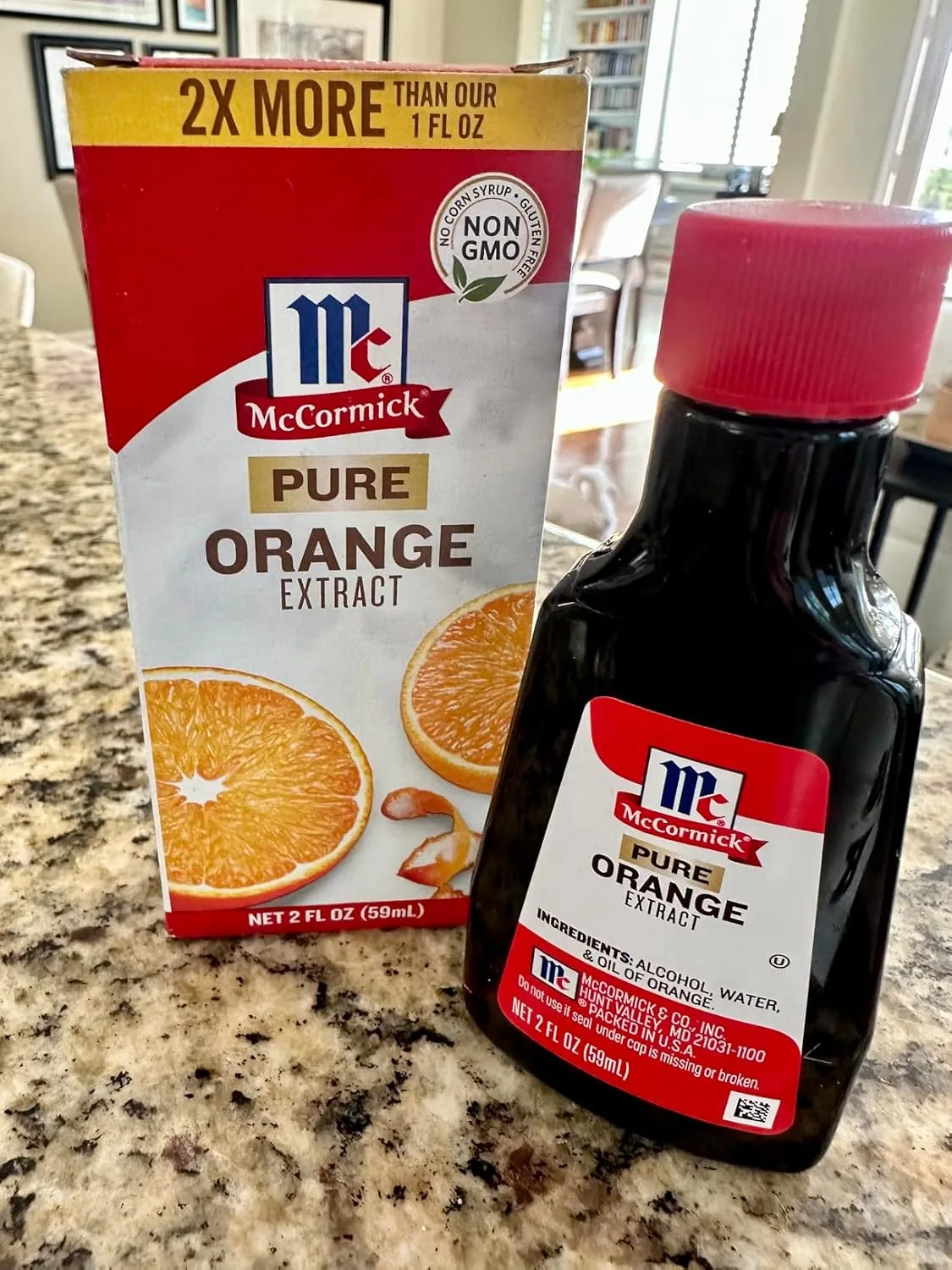
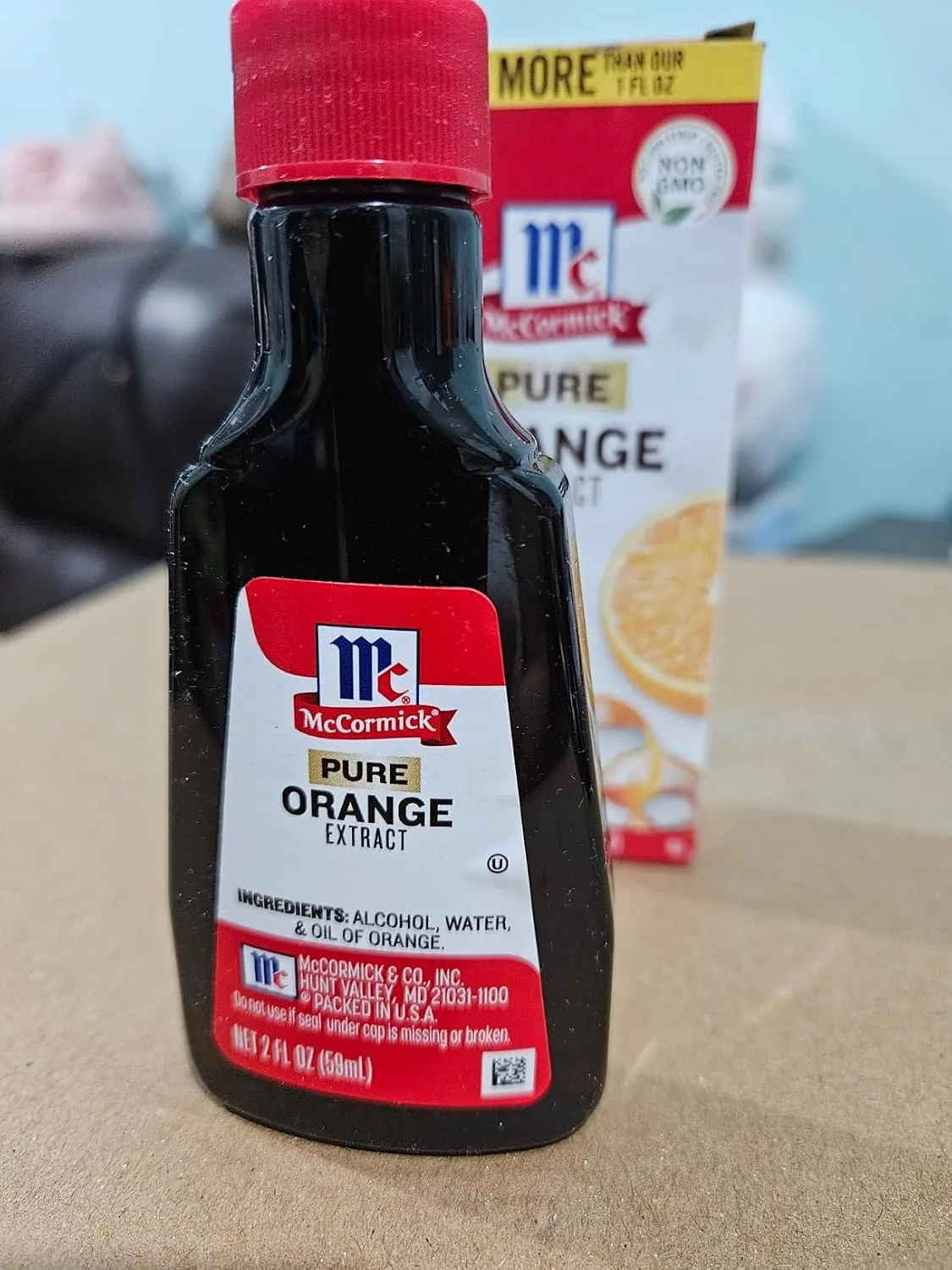
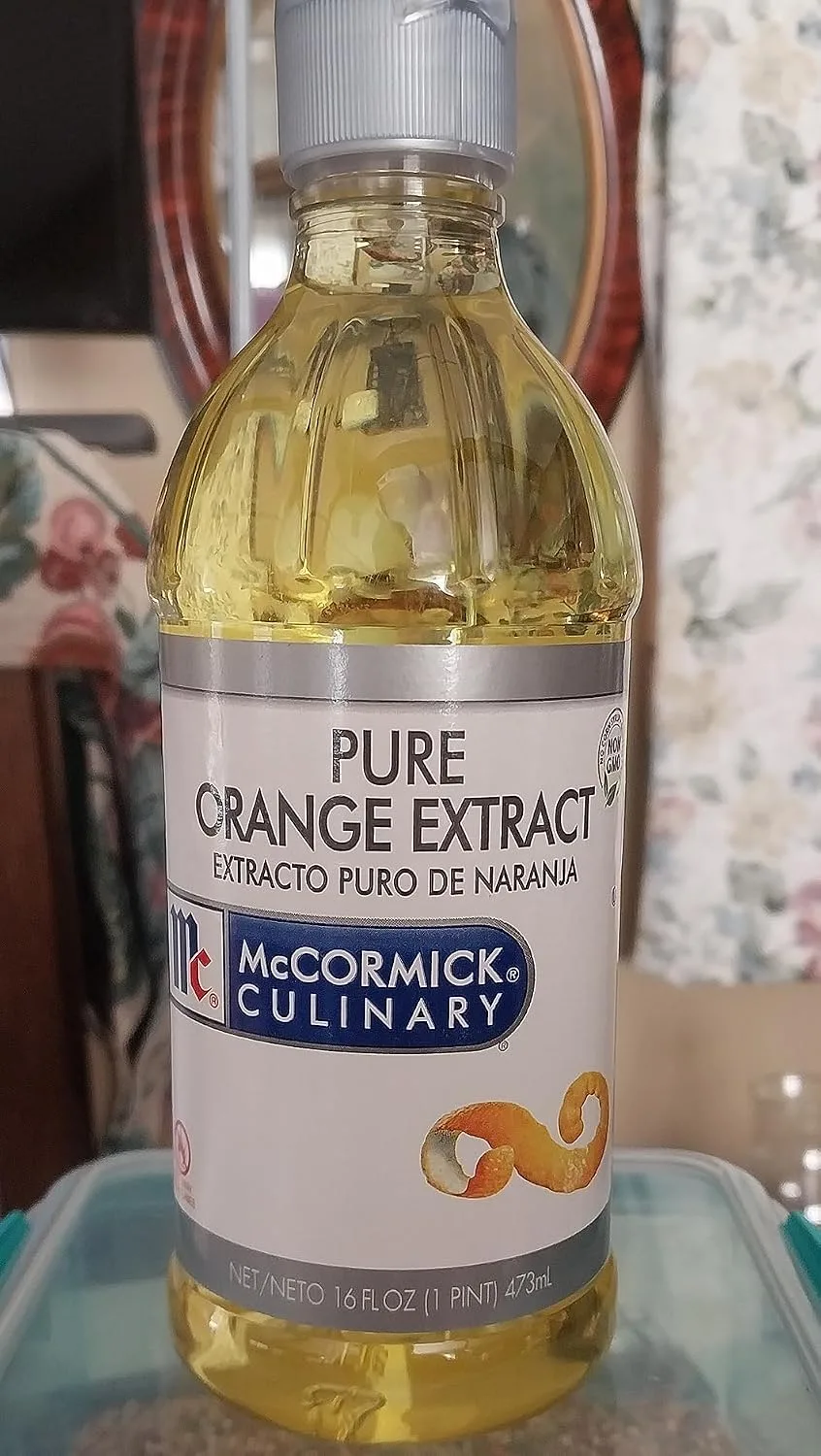
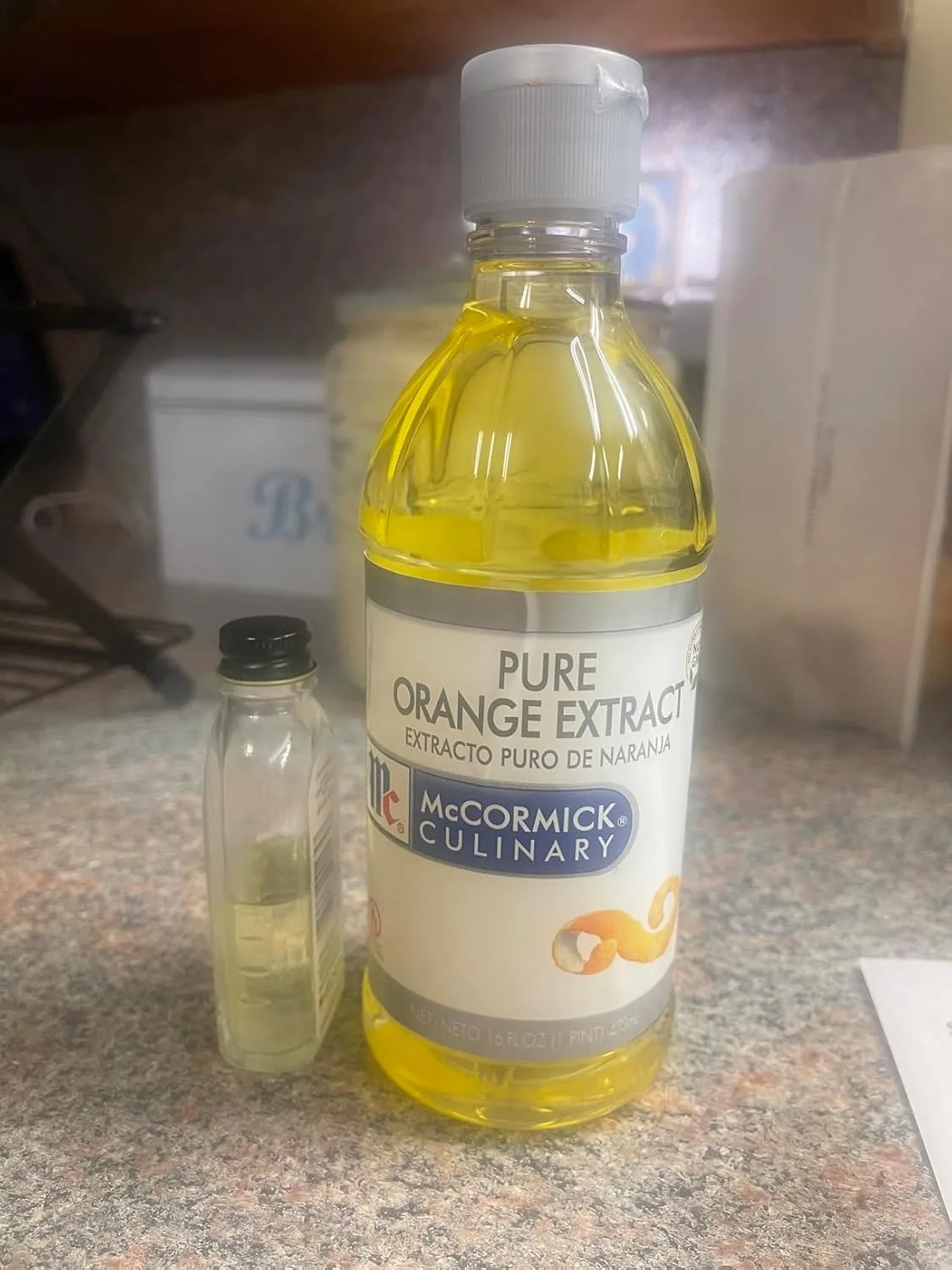
For everyday baking, I use McCormick Pure Orange Extract, 2 fl oz. It’s reliable, accessible, and provides consistent results. For larger-scale baking projects or if you bake frequently, the McCormick Culinary Pure Orange Extract, 16 fl oz is a better value and gives you more product to work with.
Always use fresh orange zest in combination with extract. Zest provides brightness and natural oils that extract alone cannot replicate, creating complete, natural-tasting orange flavor.
Orange oil is more concentrated and must be used sparingly (roughly ⅛ teaspoon oil for every ½ teaspoon extract). Orange blossom water, discussed in Recipe 2, is its own category entirely—it doesn't substitute for extract.
Final Thoughts: Why Orange Deserves Your Attention
These five orange cookie recipes represent the approaches you won’t find padded into a general “best of” list—Moroccan orange blossom water, a French pâtisserie-style filled sandwich cookie, browned butter for depth, cardamom for warmth, and a soft glazed drop cookie built around sour cream. Every one of them treats orange as worth building an entire technique around, not as a flavor add-in bolted onto a standard dough. If you want the more universal picks—the orange chocolate chip and orange snickerdoodle crowd-pleasers—that roundup is here. This one is for when you already know the basics and want to go further.
Pick one of these recipes and make it this week. Taste it. Notice how the orange unfolds and how other ingredients create harmony more interesting than their parts. Then share with someone who will appreciate the care and intention behind them.
Why I Finally Ditched Fresh Orange Juice for Extract in My Cookie Dough
For years, I was convinced fresh orange juice was the only way to get authentic citrus flavor into cookies—until I realized it was adding unwanted moisture and making my dough unpredictable. A quality orange extract changed everything, giving me that bright, concentrated flavor I was chasing without the hydration headache.
What works
- The flavor is concentrated enough that 1–2 teaspoons actually registers in the cookie, unlike fresh juice where you need so much liquid that you’re adjusting flour ratios constantly.
- It doesn’t introduce extra moisture into the dough, so my cookies held their shape and baked evenly—no more spreads or weird dense bottoms from trying to compensate for wet ingredients.
- The small 2 fl oz bottle lasts forever in home baking; I’m not replacing it every month, and it sits stably in my pantry without taking up real estate.
What doesn’t
- It can taste slightly artificial or perfume-like if you use too much—I learned this the hard way and had to dial back from 2 teaspoons to 1½ in most recipes.
- It’s not a substitute for fresh orange zest if you want that authentic bitter-sweet complexity; extract alone gives you brightness but loses some of the nuance that zest brings.
I was genuinely skeptical that an extract could deliver the flavor I’d been chasing, and my first batch tasted too strong, making me question whether I’d wasted money on another pantry staple I’d never use—but cutting back the amount and pairing it with zest gave me the orange cookie I’d been after. Grab McCormick Pure Orange Extract, 2 fl oz and start small with your favorite dough.
About This Article

Written by Margaret Chen. Margaret Chen is a home baker and recipe developer with over 15 years of experience perfecting cookie recipes through rigorous testing and detailed experimentation. She tests every recipe multiple times, documents every variable, and applies the same rigor professional bakers use, with the warmth and accessibility of home baking. More about this site.
Scope and limits. Margaret is a home baker and recipe developer with no formal culinary training. Follow current food safety guidance for egg handling, storage, and anything you are serving to other people.
Verify this against a primary source
Specifics change, and your situation may differ from the one described here. These are the authorities worth checking directly:
- USDA FoodData Central — ingredient composition and nutrition data
- FoodSafety.gov — safe handling, storage and egg safety