
Eggless Coconut Cookies, Indian Bakery Style
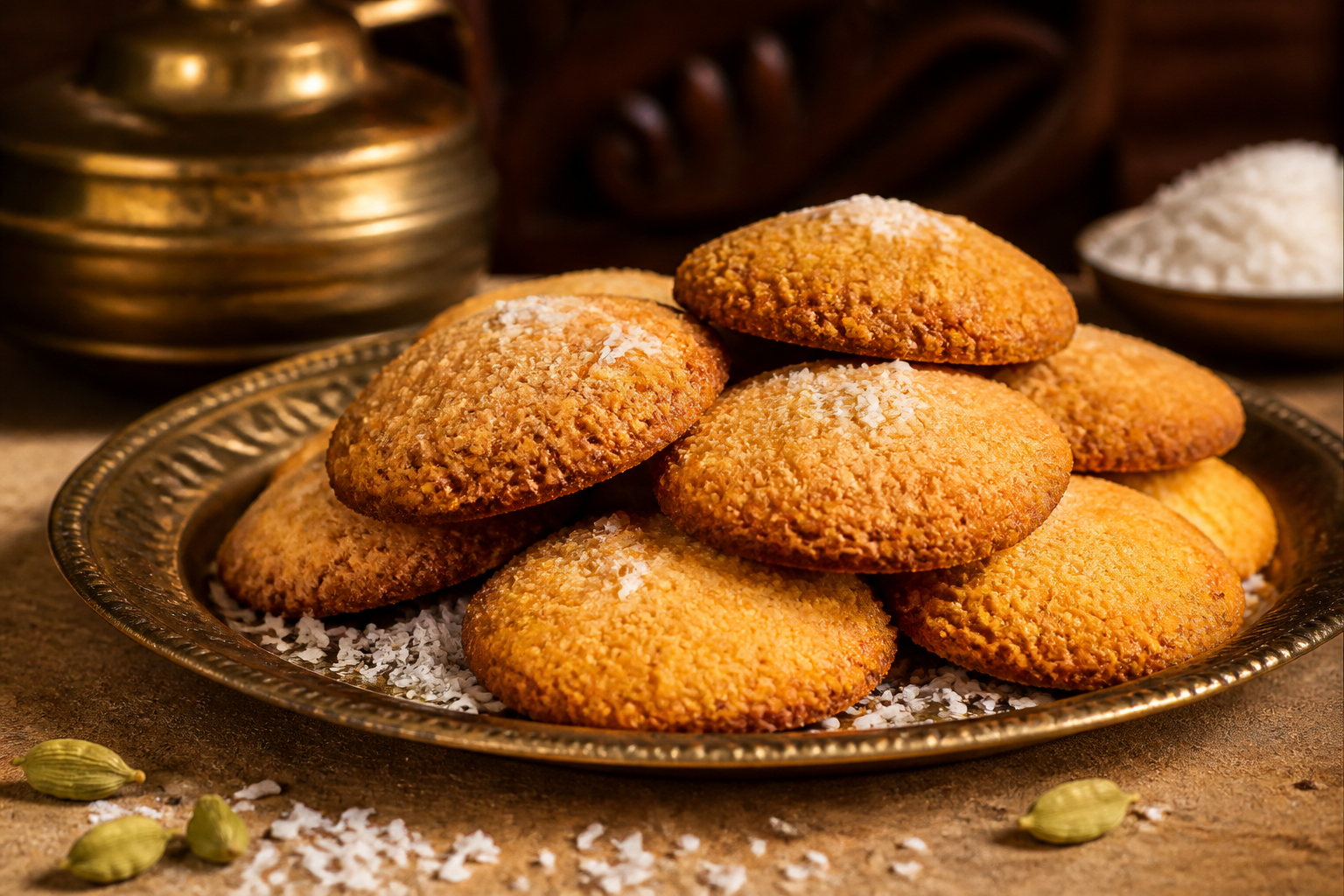
Crispy, crumbly Indian-style eggless coconut cookies with cardamom and ghee, perfect golden rounds that melt on the tongue.
Ingredients
- 180g (6.3 oz) unsalted butter, softened to room temperature
- 120g (4.2 oz) powdered sugar, sifted
- 1/4 tsp salt
- 250g (8.8 oz) unsweetened desiccated coconut, finely ground
- 100g (3.5 oz) all-purpose flour
- 1/2 tsp ground cardamom (from freshly crushed pods, ideally)
- 1/4 tsp vanilla extract
- 2-3 tablespoons whole milk (or coconut milk), added gradually
Instructions
- Cream the softened butter and sifted powdered sugar in your mixer bowl on medium speed for 3-4 minutes until the mixture is pale, fluffy, and has increased slightly in volume, scraping down the sides of the bowl halfway through.
- Mix in the salt, ground cardamom, and vanilla extract on low speed for 30 seconds until evenly distributed.
- In a separate bowl, whisk together the desiccated coconut, all-purpose flour, and salt until combined with no lumps.
- Reduce mixer speed to low and gradually add the coconut-flour mixture to the creamed butter and sugar, mixing until just combined.
- Pour in 2 tablespoons of milk slowly while mixing on low speed until the dough just comes together and holds shape when pinched, adding the third tablespoon 1 teaspoon at a time as needed until the dough looks like wet sand that holds together when squeezed.
- Line two baking sheets with parchment paper and using a small cookie scoop or measuring teaspoon, drop rounded portions of dough onto the sheet spacing them about 1.5 inches apart.
- Gently flatten each cookie with the bottom of a glass or your thumb until they are about 1/4 inch thick and roughly circular.
- Preheat your oven to 325°F and bake for 18-22 minutes, rotating the sheet halfway through baking, until the edges are light golden brown and the centers look set but still very slightly soft to the touch.
- Let cookies cool on the baking sheet for 5 minutes, then transfer to a wire rack and wait at least 30 minutes before storing.
Notes
- Use a kitchen scale for precise measurements.
- Use finely ground, unsweetened desiccated coconut, not sweetened shredded coconut.
- Ground cardamom from freshly crushed pods is recommended for best flavor.
- Oven temperature verification is important as many ovens run 10-15°F cooler than the dial suggests.
The Bakery Cookie That Changed Everything
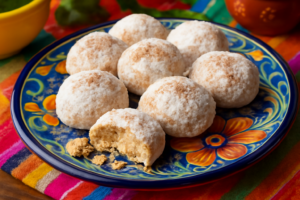
It was a Tuesday afternoon in Mumbai, 2019, when I first bit into these golden, crumbly little rounds at a neighborhood bakery near my hotel. The texture was nothing like the soft, cakey American coconut cookies I’d been baking for years. These were crispy, almost sandy, with a delicate crumble that melted on your tongue. The coconut flavor was pure and unadorned, kissed lightly with cardamom and ghee.
The baker—a kind woman named Priya—told me these were traditional eggless coconut cookies, a staple in Indian homes and bakeries for generations. When I asked if eggs were simply omitted, she smiled and said it was far more intentional than that. The recipe had been engineered, over decades of home baking, to work beautifully without them.
I spent the next two years testing, tweaking, and perfecting eggless coconut cookies indian style in my home kitchen. Today, I make them weekly. My friends think I’m obsessed. My family keeps a container in their freezer. And after countless batches, precise measurements, and deliberate variations, I finally cracked the code. This is the exact recipe I’ve been making every single week for the past two years.
(New to eggless coconut baking? My shorter bakery-style eggless coconut cookies guide covers the general basics—creaming technique, coconut selection, and storage—if you want a primer before the deep dive below.)
What Makes Indian-Style Coconut Cookies Different
American coconut cookies are often soft, chewy, and sometimes even cakey. Indian-style eggless coconut cookies are the opposite: crispy, crumbly, and almost brittle. This textural difference isn’t accidental. It comes down to three key factors: ingredient ratios, the type of coconut, and the use of ghee instead of butter.
First, let’s talk desiccated coconut. Indian bakers use finely ground, unsweetened desiccated coconut—not the sweetened shredded coconut common in American recipes. Unsweetened desiccated coconut gives you control over sweetness and, more importantly, creates that characteristic sandy, crumbly texture. When finely ground, it distributes evenly and binds beautifully without eggs.
Second is the fat. Ghee (clarified butter) is traditional and gives these cookies a distinctive richness and that slightly nutty, golden-brown color. Ghee has a higher milk solids content than regular butter, which contributes to crispness. If you don’t cook with ghee, quality unsalted butter works perfectly fine and yields nearly identical results.
Third is cardamom. This warm spice is non-negotiable in authentic eggless coconut cookies indian style. It adds complexity without making the cookie taste spiced. Use ground cardamom from freshly crushed pods if possible—the difference is remarkable. Pre-ground cardamom loses potency quickly.
Finally, the baking temperature matters tremendously. We bake at 325°F, not 350°F. This lower, slower heat allows the cookies to crisp up without browning too quickly on the outside. It’s the difference between a crumbly, perfect cookie and one that spreads too much or browns unevenly.
My Eggless Coconut Cookies Recipe
Here’s the exact recipe I’ve perfected over two years of testing. Every measurement is deliberate. I’ve tested this with grams and ounces, and I always recommend using a kitchen scale for consistency.
Yield: This recipe makes approximately 24-28 eggless coconut cookies, depending on size.
Why These Cookies Don’t Need Eggs
This is the question I get most often: “Don’t eggs act as a binder? How can eggless cookies with coconut possibly work?” The science here is elegant and worth understanding.
Eggs serve three main functions in cookies: binding, leavening, and moisture. In traditional American cookies, eggs are essential. But eggless coconut cookies indian style sidestep this through careful ingredient engineering.
Binding: Powdered sugar and fat create an incredibly effective binder, especially in high-coconut recipes. Powdered sugar contains cornstarch, which acts as a thickener and binder. When creamed with butter, it traps air and creates structure. The desiccated coconut provides additional binding through its fine particles and fiber content. Together, these create a cohesive dough without any binder liquid.
Moisture: The milk acts as a minimal moisture agent, just enough to bring the dough together. You’re using far less liquid than you would with eggs, which is exactly what you want. This creates the characteristic crumbly, crispy texture rather than a soft, cake-like cookie.
Leavening: The creaming step aerates the dough enough for gentle rise in the oven. We’re not looking for significant leavening—these cookies should be flat and crispy, not fluffy.
If you were to add eggs to this recipe, you’d get a very different result: a softer, cakier, and less crispy cookie. The extra moisture and emulsifying power of egg would create a completely different texture. Some people might prefer that result, but it wouldn’t be eggless coconut cookies indian style anymore.
Variations I’ve Tested Over Two Years
Once you master the base recipe for eggless coconut cookies, you can venture into variations. I’ve tested all of these extensively and can vouch for their success.
Chocolate Chip Eggless Coconut Cookies
Add 80g (2.8 oz) of dark chocolate chips (70% cacao) to the dough at the end. Fold them in gently during the final mixing. These create little pockets of richness. Reduce the vanilla to 1/8 teaspoon to let the chocolate shine.
Orange Zest Version
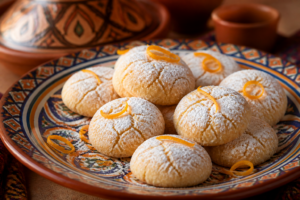
Add 2 teaspoons of finely grated orange zest to the creamed butter and sugar. The citrus brightens the coconut flavor beautifully. This is my second most-made variation.
Nutmeg and Cardamom
Increase the cardamom to 3/4 teaspoon and add 1/4 teaspoon of freshly grated nutmeg. This creates a warmer spice profile reminiscent of Indian festival cookies.
Eggless Coconut Danish Butter Cookies
You can create a sandwich-style cookie using easy coconut cookies eggless indian style as your base. Make the cookies slightly larger and thinner. Once cooled, pipe a small dollop of coconut cream cheese filling (softened cream cheese mixed with a tablespoon of desiccated coconut and powdered sugar) between two cookies. These are stunning for special occasions and taste like upscale bakery confections.
Brown Butter Version
For an advanced variation, brown the butter before creaming. Melt 180g of butter in a saucepan over medium heat, stirring occasionally until the solids turn deep golden brown (about 8-10 minutes). Cool completely, then cream with the powdered sugar. This adds a nutty, caramelized note that pairs beautifully with cardamom.
Troubleshooting Your Eggless Coconut Cookies
Even with a solid recipe, variables in your kitchen can affect results. Here are the most common issues I’ve encountered and how to fix them.
Cookies Spreading Too Much
Cause: Too much milk in the dough, or undercreamed butter and sugar. Solution: Use a scale and measure precisely. When adding milk, go slow—you might not need all 3 tablespoons. If the dough is already mixed, refrigerate it for 15 minutes before baking. Ensure your butter is at room temperature (68-70°F) before creaming, not warm.
Cookies Are Too Crumbly and Fall Apart
Cause: Not enough milk, or dough not mixed enough. Solution: Add milk 1 teaspoon at a time until the dough just holds together. When you squeeze a handful, it should clump without being greasy. Mix for a full 30-40 seconds after adding the coconut-flour mixture.
Cookies Aren’t Browning Enough
Cause: Oven temperature is too low, or cookies are underbaked. Solution: Verify your oven temperature with an oven thermometer—many ovens run 10-15°F cooler than the dial suggests. Bake for the full 22 minutes if edges aren’t golden. The cookies should look just barely set in the center.
Cookies Are Too Dense or Cake-Like
Cause: Too much flour or too much milk. Solution: Use a scale. Too much flour is the most common culprit. Check that you’re sifting powdered sugar before measuring to avoid compaction. Make sure to cream the butter and sugar for the full 3-4 minutes—this aeration is crucial.
Dough Is Greasy or Won’t Hold Shape
Cause: Butter was too warm, or too much milk was added. Solution: Start over with properly softened butter (not melted). Refrigerate the dough for 20 minutes before shaping. This makes scooping much easier.
Ingredient Notes: Choosing Your Desiccated Coconut
The quality of your desiccated coconut directly impacts your final result. I’ve tested at least fifteen different brands over two years, and the difference is substantial.
You need finely ground, unsweetened desiccated coconut. Don’t use sweetened shredded coconut—it’s too coarse and throws off your sugar balance. I recommend organic, non-GMO desiccated coconut when possible. The finer the grind, the better your cookies will bind and crisp up. Look for “finely ground” on the package.
I personally use high-quality unsweetened desiccated coconut in my kitchen because the texture is incredibly consistent. Store your desiccated coconut in an airtight container in a cool, dry place. It keeps for up to 6 months, though I go through it much faster now.
How to Store and Ship These Cookies
One huge advantage of eggless coconut cookies is their shelf stability. Because there are no eggs, the risk of bacterial growth is minimal. These cookies keep longer than traditional cookies and are actually ideal for gifting and shipping.
Room Temperature Storage
Store cooled eggless coconut cookies in an airtight container at room temperature for up to 10 days. They may soften slightly after a few days—simply recrisp them in a 300°F oven for 5-7 minutes. They’ll regain their original texture.
Freezer Storage
Freeze in an airtight container for up to 2 months. No need to thaw before eating—they taste fresh straight from the freezer, and they’ll naturally soften as they reach room temperature. I freeze extra batches every week because these cookies are perfect for unexpected guests.
Shipping
Easy coconut cookies eggless indian style are perfect for shipping because they’re sturdy and shelf-stable. Line a shipping box with crumpled parchment paper. Layer cookies between parchment sheets. Fill any gaps with additional crumpled paper to prevent movement. The cookies should arrive in perfect condition, even in warm weather.
Bringing It All Together: Two Years of Perfection
Making eggless coconut cookies indian style every week for two years has taught me that excellence comes from understanding fundamentals, respecting tradition, and showing up consistently. These aren’t complicated cookies. They use six main ingredients and one simple technique. But that simplicity is deceptive.
What I love most about these cookies is how they bridge cultures. They’re rooted in Indian baking tradition, made accessible through precise measurements and modern equipment, and they celebrate coconut in its purest form. They require no eggs, no exotic ingredients, and no specialized skills—just attention to detail.
If you’ve never made eggless cookies with coconut before, start with the base recipe exactly as written. Use a kitchen scale. Measure carefully. Cream that butter and sugar until it’s fluffy. The first time you pull a perfect batch of golden, crispy eggless coconut cookies indian style from your oven, you’ll understand why I’ve been making them every single week. That moment—when you taste that distinctive sandy crumb, the warmth of cardamom, the pure coconut flavor—will change your baking forever.
The bakery in Mumbai doesn’t hold a monopoly on perfection anymore. You do. Now go bake.
About This Article

Written by Margaret Chen. Margaret Chen is a home baker and recipe developer with over 15 years of experience perfecting cookie recipes through rigorous testing and detailed experimentation. She tests every recipe multiple times, documents every variable, and applies the same rigor professional bakers use, with the warmth and accessibility of home baking. More about this site.
Scope and limits. Margaret is a home baker and recipe developer with no formal culinary training. Follow current food safety guidance for egg handling, storage, and anything you are serving to other people.
Verify this against a primary source
Specifics change, and your situation may differ from the one described here. These are the authorities worth checking directly:
- USDA FoodData Central — ingredient composition and nutrition data
- FoodSafety.gov — safe handling, storage and egg safety