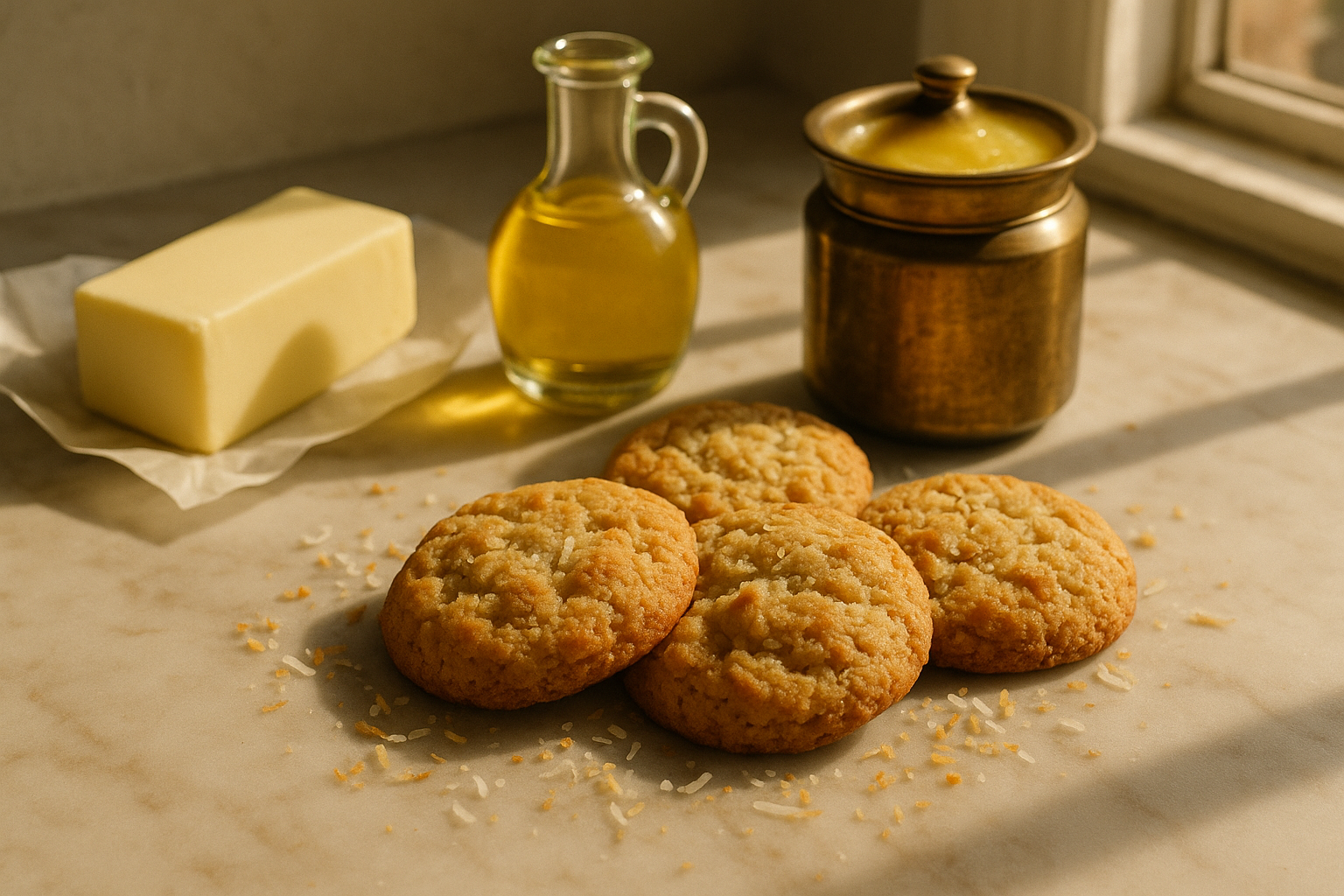

Bakery-Style Eggless Coconut Cookies
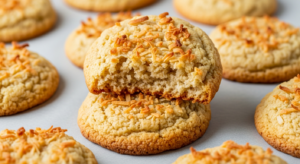
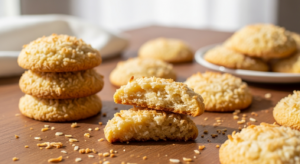
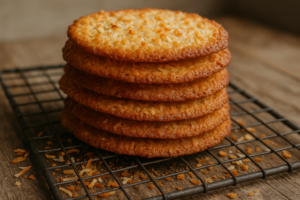
Golden, buttery eggless coconut cookies with a crisp exterior and tender center flavored with cardamom.
Ingredients
- 200g (1 cup) unsalted butter, softened to room temperature
- 160g (¾ cup) granulated sugar
- 280g (3 cups) desiccated coconut, finely shredded
- 75g (⅔ cup) all-purpose flour
- ¼ teaspoon ground cardamom
- ¼ teaspoon salt
- ½ teaspoon vanilla extract (optional)
Instructions
- Preheat your oven to 325°F (163°C) and line baking sheets with parchment paper or silicone mats.
- In a large bowl, cream the softened butter and sugar together for 2–3 minutes, beating until the mixture is light and fluffy.
- Add the vanilla extract (if using) and mix to combine.
- In a separate bowl, whisk together the desiccated coconut, flour, cardamom, and salt.
- Fold the dry ingredients gently into the butter mixture until just combined.
- Drop spoonfuls of dough (about 1 tablespoon each) onto your prepared baking sheets, spacing them roughly 2 inches apart.
- Bake for 12–15 minutes, until the edges are golden brown and the tops look just barely set.
- Let the cookies cool on the baking sheet for 5 minutes, then transfer them to a wire rack to cool completely.
Notes
- Room temperature butter is essential for proper creaming.
- Do not overmix after adding dry ingredients to avoid developing too much gluten.
- Cookies should look slightly underdone when removed from the oven as they continue cooking while cooling.
- Store in an airtight container at room temperature for up to a week.
Create Bakery-Style Eggless Coconut Cookies at Home
The Charm of Bakery-Style Treats
Bakery-style coconut cookies are a staple tea-time snack across India. They are famous for their rich, buttery taste. Additionally, the distinct aroma of toasted coconut is inviting. The texture offers a delightful crunch with every bite. For example, the exterior is crisp, while the center remains tender. Moreover, the absence of eggs makes them lighter than standard cookies. Therefore, they suit various dietary preferences perfectly.
What makes these cookies special is how they deliver maximum flavor without relying on eggs as a binder. Instead, the combination of butter, sugar, and quality coconut creates a structure that’s both sturdy and delicate. When you bite into a properly made eggless coconut cookie, you experience layers of texture—the crispy exterior gives way to a slightly chewy interior that’s loaded with toasted coconut shreds.
If you want an exact, weighed recipe in this style—made the traditional Indian bakery way with finely ground desiccated coconut, cardamom, and an option for ghee—see my full eggless coconut cookies, Indian style recipe, which includes troubleshooting and five tested variations.
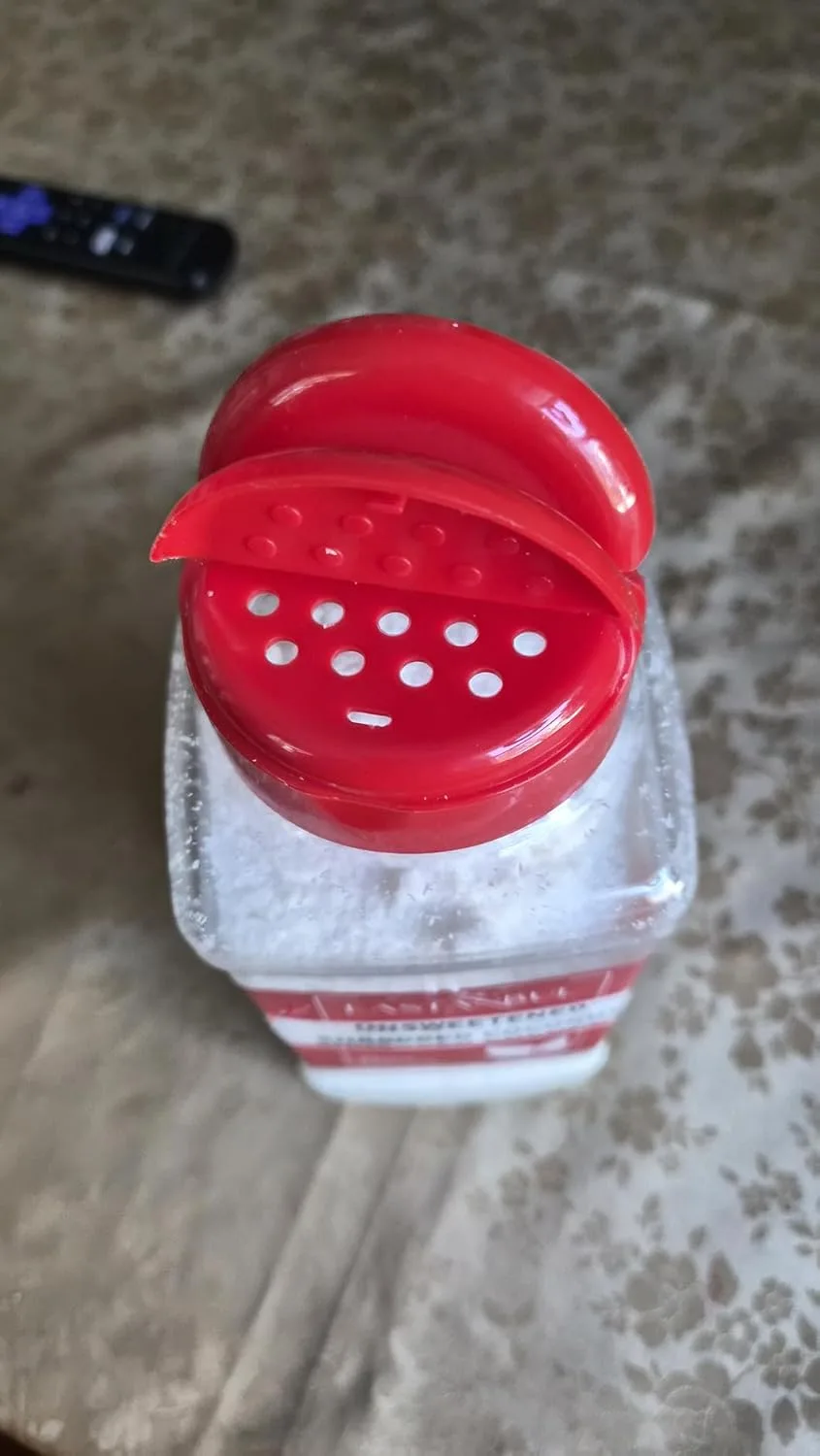
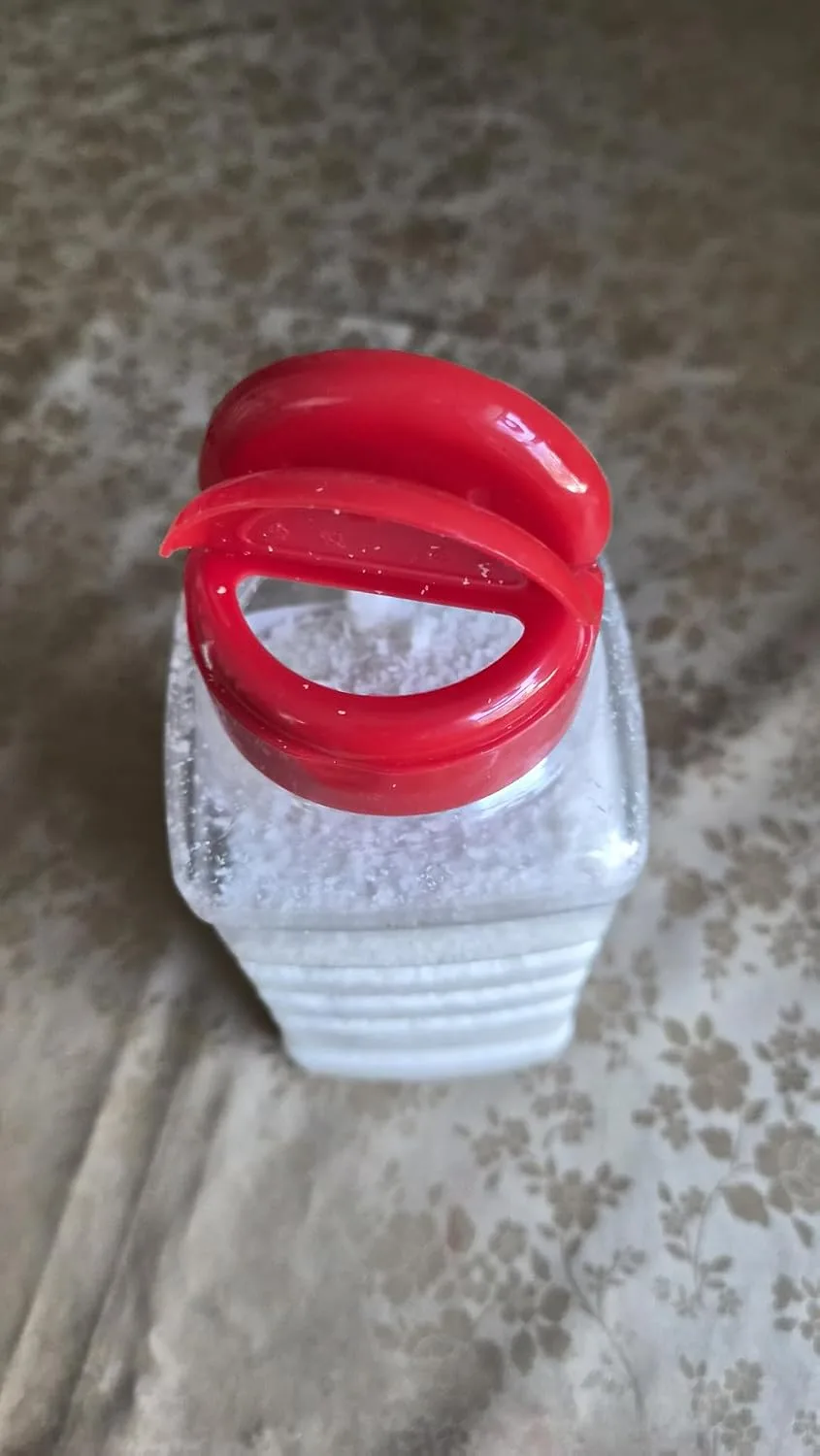
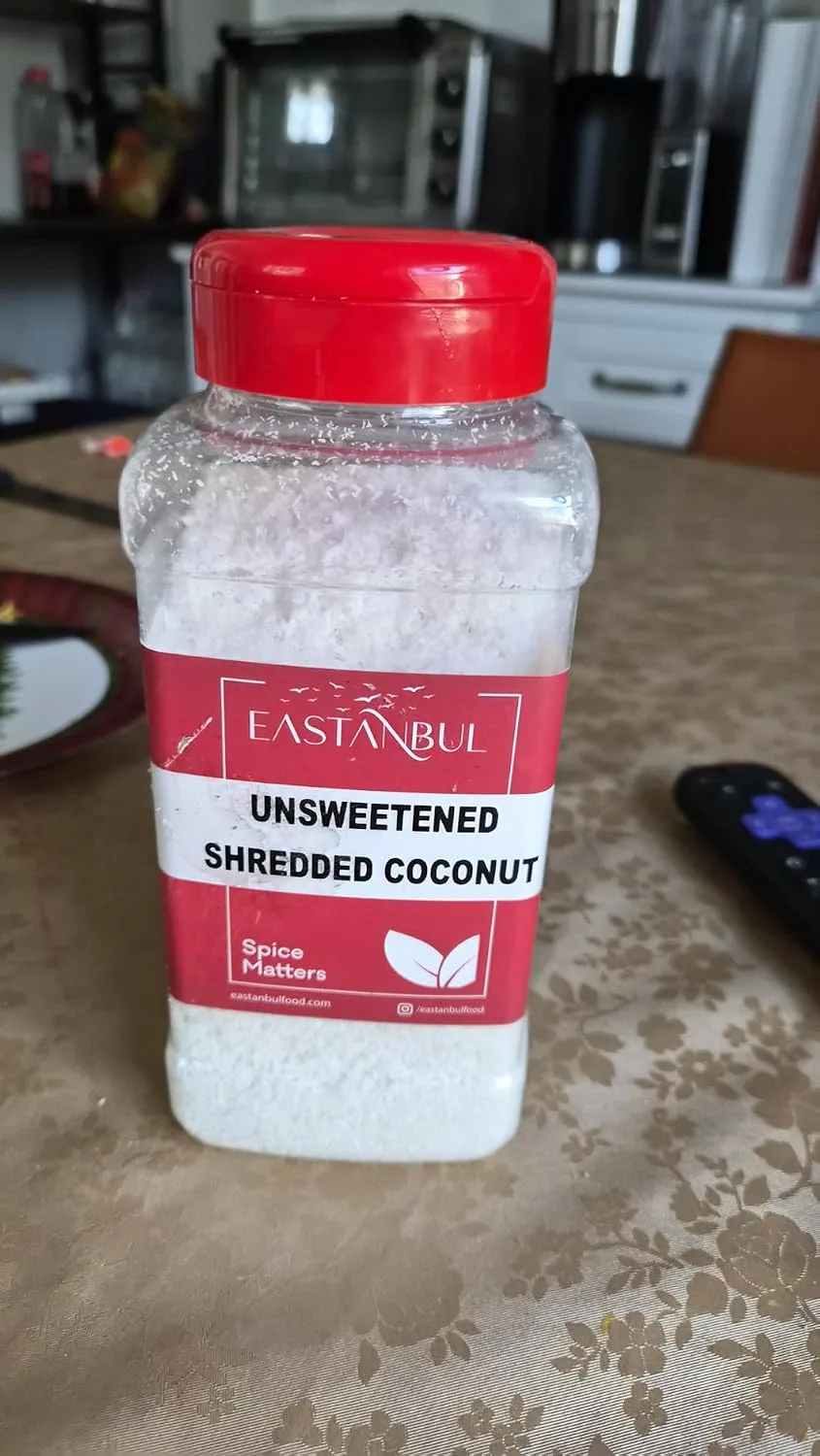
The Coconut That Actually Toasts Golden Instead of Burning in Patches
For eggless coconut cookies, the quality and cut of your coconut makes all the difference between that inviting toasted aroma and a batch that smells slightly scorched. I learned this the hard way after years of uneven browning.
The problem isn’t always your oven or timing—it’s often the coconut itself. When shreds vary wildly in size, the smaller pieces toast and brown quickly while larger chunks remain pale. This uneven browning affects both appearance and flavor, creating some bites that taste perfectly toasted and others that taste slightly raw or dull.
What works
- The shreds are consistently sized, so they brown evenly across the whole batch instead of some pieces turning dark while others stay pale.
- It holds moisture just right—not so dry that the cookies turn gritty, not so moist that they spread too thin on the baking sheet.
- The natural sweetness is pronounced without any chemical aftertaste, which means the delicate cardamom and buttery flavors actually shine through.
What doesn’t
- It’s pricier than the bulk bins at some stores, though the consistency makes up for it when you’re not troubleshooting bad batches.
- If you overbake by even two minutes, it can shift from toasted to slightly bitter—so you still have to stay attentive, which this product can’t do for you.
I once grabbed a different brand on a whim and the batch came out with pale spots and dark spots in the same cookie, which nearly convinced me the recipe itself was flawed. shredded coconut changed that for me.
The Recipe: Bakery-Style Eggless Coconut Cookies
What You’ll Need
- 200g (1 cup) unsalted butter, softened to room temperature
- 160g (¾ cup) granulated sugar
- 280g (3 cups) desiccated coconut, finely shredded
- 75g (⅔ cup) all-purpose flour
- ¼ teaspoon ground cardamom
- ¼ teaspoon salt
- ½ teaspoon vanilla extract (optional)
How I Make Them, Step by Step
- Preheat your oven to 325°F (163°C). Line baking sheets with parchment paper or silicone mats.
- In a large bowl, cream the softened butter and sugar together for 2–3 minutes, beating until the mixture is light and fluffy. This air incorporation is crucial for eggless cookies—it’s what keeps them tender rather than dense.
- Add the vanilla extract (if using) and mix to combine.
- In a separate bowl, whisk together the desiccated coconut, flour, cardamom, and salt.
- Fold the dry ingredients gently into the butter mixture until just combined. Do not overmix, as developing too much gluten will make the cookies tough.
- Drop spoonfuls of dough (about 1 tablespoon each) onto your prepared baking sheets, spacing them roughly 2 inches apart. You’ll get about 24–30 cookies from this batch.
- Bake for 12–15 minutes, until the edges are golden brown and the tops look just barely set. This is important: they should look slightly underdone when you pull them out. They’ll continue cooking slightly as they cool on the baking sheet, so don’t overbake.
- Let the cookies cool on the baking sheet for 5 minutes, then transfer them to a wire rack to cool completely.
Bake Time: 12–15 minutes | Prep Time: 15 minutes | Yield: 24–30 cookies
Essential Tips for Baking Success
Beyond ingredient selection, a few baking practices make a dramatic difference in the final result. Room temperature butter is non-negotiable—it creams properly with sugar, creating the light, fluffy base that gives these cookies their characteristic texture. Cold butter won’t incorporate air, and melted butter produces flat, dense cookies.
Creaming your butter and sugar together for at least two to three minutes allows you to build volume without eggs. This air incorporation is what keeps eggless cookies tender rather than compact. Add your dry ingredients gently at the end—overmixing develops gluten, which makes cookies tough.
Temperature control during baking is equally important. Most home ovens have hot spots, so rotate your baking sheet halfway through. For eggless coconut cookies, I recommend baking at a slightly lower temperature (around 325°F rather than 350°F) and checking for doneness a few minutes earlier than traditional recipes suggest. The cookies should look just barely set when you remove them—they’ll continue cooking slightly as they cool on the baking sheet.
Storage and Shelf Life
Eggless coconut cookies stay fresh in an airtight container for up to a week at room temperature. The lack of eggs actually works in your favor here, as these cookies don’t develop the staleness that some egg-based baked goods do. However, they do absorb moisture from the air, so keep them sealed. If they soften slightly, you can restore some crunch by reheating them in a 300°F oven for five minutes.
About This Article

Written by Margaret Chen. Margaret Chen is a home baker and recipe developer with over 15 years of experience perfecting cookie recipes through rigorous testing and detailed experimentation. She tests every recipe multiple times, documents every variable, and applies the same rigor professional bakers use, with the warmth and accessibility of home baking. More about this site.
Scope and limits. Margaret is a home baker and recipe developer with no formal culinary training. Follow current food safety guidance for egg handling, storage, and anything you are serving to other people.
Verify this against a primary source
Specifics change, and your situation may differ from the one described here. These are the authorities worth checking directly:
- USDA FoodData Central — ingredient composition and nutrition data
- FoodSafety.gov — safe handling, storage and egg safety