
Moroccan Ghriba (Sugar Cookies with Orange Zest)
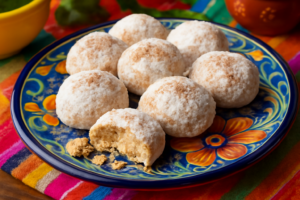
Soft, buttery Moroccan sugar cookies with bright orange zest and a distinctive crackled powdered sugar top.
Ingredients
- 1 cup (2 sticks) unsalted butter, softened to room temperature
- ¾ cup granulated sugar
- 1 large egg yolk
- Zest of 2 large oranges (about 2 tablespoons)
- 1 teaspoon vanilla extract
- 1 cup all-purpose flour
- ½ cup fine semolina flour
- ½ teaspoon baking powder
- ¼ teaspoon fine sea salt
- 1 cup powdered sugar (for rolling)
Instructions
- Cream the butter and sugar together for 3–4 minutes until light and fluffy.
- Mix in the egg yolk and beat for 1 minute until fully incorporated, then add the orange zest and vanilla extract and beat for another minute.
- In a separate bowl, whisk together all-purpose flour, fine semolina flour, baking powder, and salt.
- Add the dry mixture to the wet ingredients and fold gently with a spatula until just combined.
- Cover the bowl and refrigerate for at least 30 minutes.
- Preheat your oven to 325°F and line two baking sheets with parchment paper.
- Pour the powdered sugar into a shallow bowl, scoop the dough into 1-inch balls, then roll each ball generously in powdered sugar and place them on the prepared baking sheets, spacing them 2 inches apart.
- Bake at 325°F for 14–16 minutes until the edges are very lightly golden.
- Let the cookies cool on the baking sheet for 5 minutes, then transfer to a wire rack.
Notes
- Use fine semolina flour, not coarse polenta-style semolina.
- Use fresh orange zest from real oranges, not orange extract.
- Chill dough for 1 hour for best results with crackle.
- Store in an airtight container for up to 5 days.
Every week, someone emails me asking if my Moroccan orange blossom fekkas recipe is the same as a “Moroccan sugar cookie.” The answer is no—not even close. I understood the confusion at first, but after 15 years of testing and baking, I’ve learned that these are two entirely different cookies with completely different textures, techniques, and purposes.
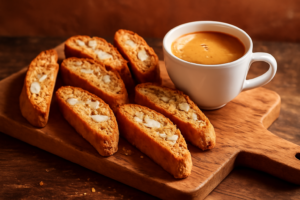
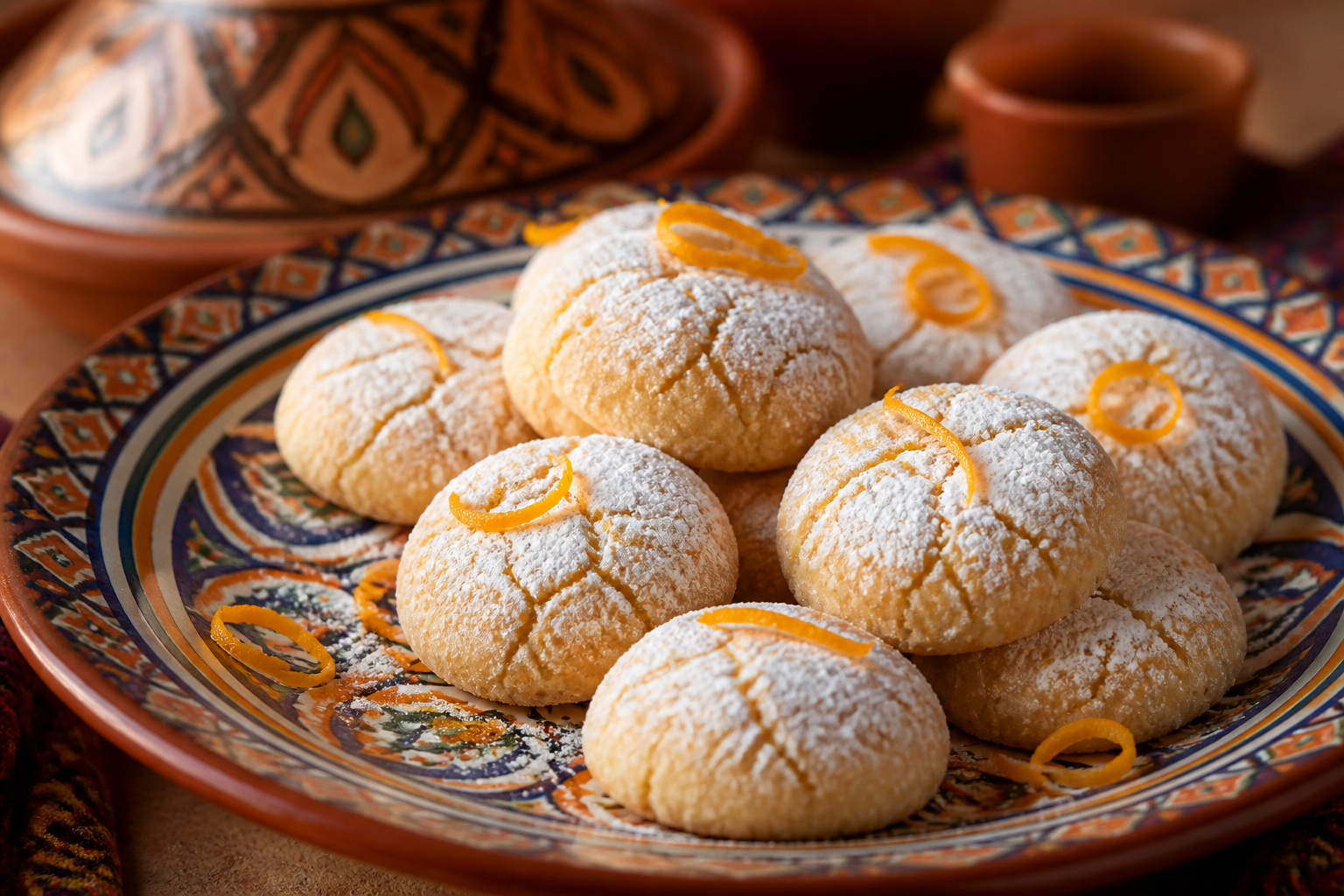
Fekkas, which I wrote about extensively in a previous post, are twice-baked, crunchy, and meant for dunking in tea or coffee. They’re crispy throughout, almost like a Moroccan biscotti. But Moroccan sugar cookies—specifically the ones called ghriba—are something altogether different. They’re soft, tender, and buttery, with a distinctive crackled top that looks like dried earth. The flavor is delicate: buttery sweetness enhanced by bright orange zest.
This post is dedicated entirely to ghriba cookies with orange zest. I’m sharing the exact recipe I’ve perfected through countless batches, the technique for achieving that signature crackle, and the variations I’ve tested in my home kitchen. If you’re looking for the twice-baked fekkas recipe instead, I’ve linked to that post below—but I have a feeling once you try these Moroccan sugar cookies, you’ll understand why they deserve their own spotlight.
Ghriba vs. Fekkas: Two Very Different Moroccan Cookies
Before I dive into the Moroccan sugar cookies with orange zest recipe, let me clarify the confusion. Both ghriba and fekkas are traditional Moroccan cookies, but they couldn’t be more different in execution and result.
Ghriba (pronounced “GHREE-bah”) is a soft, melt-in-your-mouth shortbread-style cookie. The name roughly translates to “absent one” or “stranger” in Moroccan Arabic—there’s a poetic legend about the cookie that I won’t spoil here. Moroccan sugar cookies like ghriba are made with butter or oil, sugar, and traditionally either fine semolina flour or ground almonds (or a combination). They’re rolled in powdered sugar before baking, which creates that beautiful crackled, cratered surface as the dough spreads and the sugar caramelizes slightly.
Fekkas, on the other hand, are a completely different beast. They’re twice-baked—first as a loaf, then sliced and baked again until they’re completely dry and crunchy. Fekkas are hard, meant to be dunked, and they have a completely different flavor profile and texture.
In my experience, home bakers often get these two confused because they’re both Moroccan and both use warming spices or citrus. However, once you taste them side by side, the difference is unmistakable. Moroccan sugar cookies (ghriba) are tender and delicate. Fekkas are sturdy and crunchy. They serve different purposes and require different techniques.
If you’re specifically looking for the twice-baked version, check out my fekkas post here. But if you want a soft, buttery, melt-in-your-mouth Moroccan cookie with a gorgeous crackled top, keep reading. That’s what ghriba cookies are all about.
What Makes Moroccan Sugar Cookies Different From Western Sugar Cookies
When I first started researching ghriba cookies, I assumed they’d be similar to American sugar cookies. I was wrong. Moroccan sugar cookies with orange zest have several key differences that make them distinctive.
First, the base flour. Most Moroccan sugar cookies use fine semolina flour, or a blend of semolina and all-purpose flour. Some versions use ground almonds instead of semolina. Semolina gives ghriba its slightly sandy, tender crumb—it’s less elastic than all-purpose flour, which means less gluten development and a more delicate cookie. The texture is more like shortbread than a typical sugar cookie.
Second, the signature technique: rolling in powdered sugar. After shaping the dough into balls, you generously coat them in powdered sugar before baking. As the cookies bake, they spread slightly and crack, creating that distinctive crackled surface. The powdered sugar doesn’t dissolve—it caramelizes and browns slightly, adding texture and visual appeal.
Third, and most importantly, the flavor. Moroccan sugar cookies with orange zest are all about citrus brightness. Fresh orange zest is essential—not orange extract or artificial flavoring. The oils in the zest infuse the entire cookie with a subtle, sophisticated orange flavor. Some traditional versions also include orange blossom water, which adds an almost floral note. It’s delicate and refined, nothing like the vanilla-forward American sugar cookie.
Specifically, the combination of butter, sugar, orange zest, and the tender crumb from semolina creates something almost creamy on the palate. These moroccan cookies melt rather than crunch. As a result, they feel more luxurious and special than a standard sugar cookie—they’re meant to be savored, not wolfed down.
My Moroccan Sugar Cookies with Orange Zest Recipe
I’ve tested this recipe dozens of times, adjusting ratios and techniques until I got it exactly right. The result is a soft, buttery Moroccan sugar cookie with the signature crackle and bright orange flavor. Here’s what works.
Makes about 24 cookies. That said, the exact yield depends on how large you scoop. I prefer smaller, more delicate cookies, so I make about 24–28 per batch.
Getting the Signature Crackle Top
The crackled, cratered surface is what makes ghriba cookies so visually striking. It’s also one of the most frequently asked about aspects of the recipe. Here’s exactly how to achieve it, based on my testing.
Don’t skip the chill step. Cold dough holds its shape better in the oven. It spreads more slowly, which allows the powdered sugar coating to set slightly and crackle as the dough expands. Room-temperature dough spreads too fast and melts the powdered sugar, which defeats the purpose.
Coat generously in powdered sugar. This isn’t a light dusting—you want a visible, thick coating. Roll each ball thoroughly so the powdered sugar adheres on all sides. This is what creates the white, cratered appearance.
Don’t overwork the dough. Overmixing develops gluten, which makes the dough tougher and less likely to spread evenly. Fold the dry ingredients in gently, and don’t knead the dough. It should feel soft and barely held together.
Use the right oven temperature. At 325°F, the cookies spread gently and the powdered sugar caramelizes without burning. Higher temperatures brown the sugar too quickly before the dough has time to crack. I’ve tested this at 350°F—the result is darker cookies with less visible crackle.
Bake until the edges are barely golden. The cookies should still look relatively pale when you remove them from the oven. The crackles will be more visible on a lighter-colored cookie. Overbaking darkens the entire surface and makes the crackle less pronounced.
Variations I’ve Tested Over 15 Years
Once I perfected the basic Moroccan sugar cookies with orange zest, I started experimenting. Here are three variations I’ve tested extensively in my kitchen.
Almond Version (Ghriba with Ground Almonds)
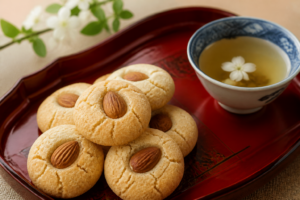
Many traditional ghriba recipes use ground almonds instead of semolina, or a blend of both. To make this version, replace the ½ cup semolina with ½ cup finely ground almonds (blanched or unblanched, depending on preference). The result is slightly nuttier and a touch more tender. However, the almond version spreads a bit more, so make sure to chill the dough for the full hour. The crackle is still beautiful, but the cookies are a bit more delicate.
Orange Blossom Water Addition
For a more traditionally Moroccan flavor, add ½ teaspoon orange blossom water to the wet ingredients (after adding the egg yolk and orange zest). This adds a subtle floral note that’s authentic to Morocco. Be careful not to add too much—orange blossom water is potent, and even ½ teaspoon is enough to flavor 24 cookies without overwhelming them. I don’t recommend exceeding ¾ teaspoon, as the flavor becomes soapy.
Saffron-Infused Version
This is a variation I developed after visiting Morocco and learning about saffron’s role in Moroccan baking. Steep a small pinch of saffron threads (about 6–8 threads) in 1 tablespoon warm water for 10 minutes. Add this infusion to the wet ingredients instead of some of the vanilla. Combine with the orange zest for a truly luxurious Moroccan cookie. The saffron adds a subtle earthiness and warmth that complements the citrus beautifully.
Common Mistakes I’ve Seen (And How to Avoid Them)
After answering hundreds of emails from home bakers attempting Moroccan sugar cookies, I’ve identified the most frequent pitfalls. Here’s how to avoid them.
Mistake #1: Cookies Spread Too Flat and Lose the Crackle
If your cookies are spreading into thin, flat discs with minimal crackle, you’ve likely skipped the chilling step or used warm dough. Cold dough is essential—it gives the powdered sugar time to set and the dough time to crack as it spreads. Never skip the 30-minute minimum chill. Specifically, I recommend 1 hour for best results.
Also check your flour ratio. If you’re using too much all-purpose flour and not enough semolina, the dough has more gluten, which makes it spread aggressively. Stick to the 1:½ ratio of all-purpose to semolina.
Mistake #2: Powdered Sugar Melts Into the Dough Instead of Staying Visible
This happens when the oven is too hot or when you’re using warm dough. At 325°F, the cookies bake gently. The powdered sugar coating doesn’t immediately melt—it caramelizes and browns slightly, creating that beautiful cracked appearance.
If you’re baking at 350°F or higher, the powdered sugar melts immediately and disappears into the dough. As a result, you lose the visual signature of the ghriba cookie.
Mistake #3: Using Coarse Semolina Instead of Fine
Semolina comes in different grinds. For Moroccan sugar cookies, you need fine semolina flour, not the coarser polenta-style semolina. Coarse semolina creates a gritty, sandy texture that’s unpleasant. Fine semolina is smooth and contributes to the tender crumb. Look for it in the baking aisle next to all-purpose flour, or in a specialty section. It’s sometimes labeled “fine semolina flour” or “durum semolina flour.”
Mistake #4: Not Using Fresh Orange Zest
Orange extract won’t work here. Moroccan sugar cookies with orange zest rely entirely on fresh, aromatic zest from real oranges. Use a microplane zester to get the finest zest possible. Avoid the white pith underneath the zest—it’s bitter. I zest 2 large oranges directly into the creamed butter and sugar, and the aroma is immediately noticeable. That’s how you know the orange flavor will shine.
Why Moroccan Sugar Cookies Are Worth the Effort
These are not quick-and-easy cookies. They require chilling, precise temperature control, and attention to texture. However, they’re absolutely worth the effort.
Moroccan sugar cookies (ghriba) are sophisticated. They’re elegant enough to serve at a dinner party, simple enough to make for yourself on a quiet afternoon, and delicious enough to justify the extra steps. The crackled surface is stunning—each cookie looks like a small work of art. The flavor is subtle and refined: buttery sweetness balanced by bright, aromatic orange.
If you’ve ever wondered about the difference between ghriba and fekkas, or if you’ve been searching for the perfect Moroccan sugar cookie with orange zest recipe, this is it. Fifteen years of testing, dozens of batches, and countless refinements have led me to this recipe. Make it once, and I think you’ll understand why.
Have you tried ghriba cookies before? Share your experience in the comments—I’d love to hear how your batch turns out.
About This Article

Written by Margaret Chen. Margaret Chen is a home baker and recipe developer with over 15 years of experience perfecting cookie recipes through rigorous testing and detailed experimentation. She tests every recipe multiple times, documents every variable, and applies the same rigor professional bakers use, with the warmth and accessibility of home baking. More about this site.
Scope and limits. Margaret is a home baker and recipe developer with no formal culinary training. Follow current food safety guidance for egg handling, storage, and anything you are serving to other people.
Verify this against a primary source
Specifics change, and your situation may differ from the one described here. These are the authorities worth checking directly:
- USDA FoodData Central — ingredient composition and nutrition data
- FoodSafety.gov — safe handling, storage and egg safety