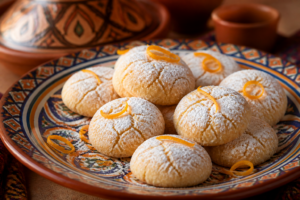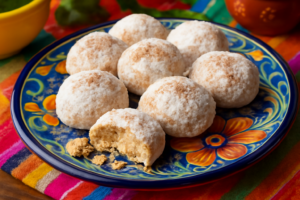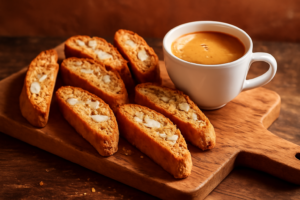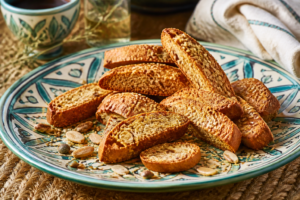
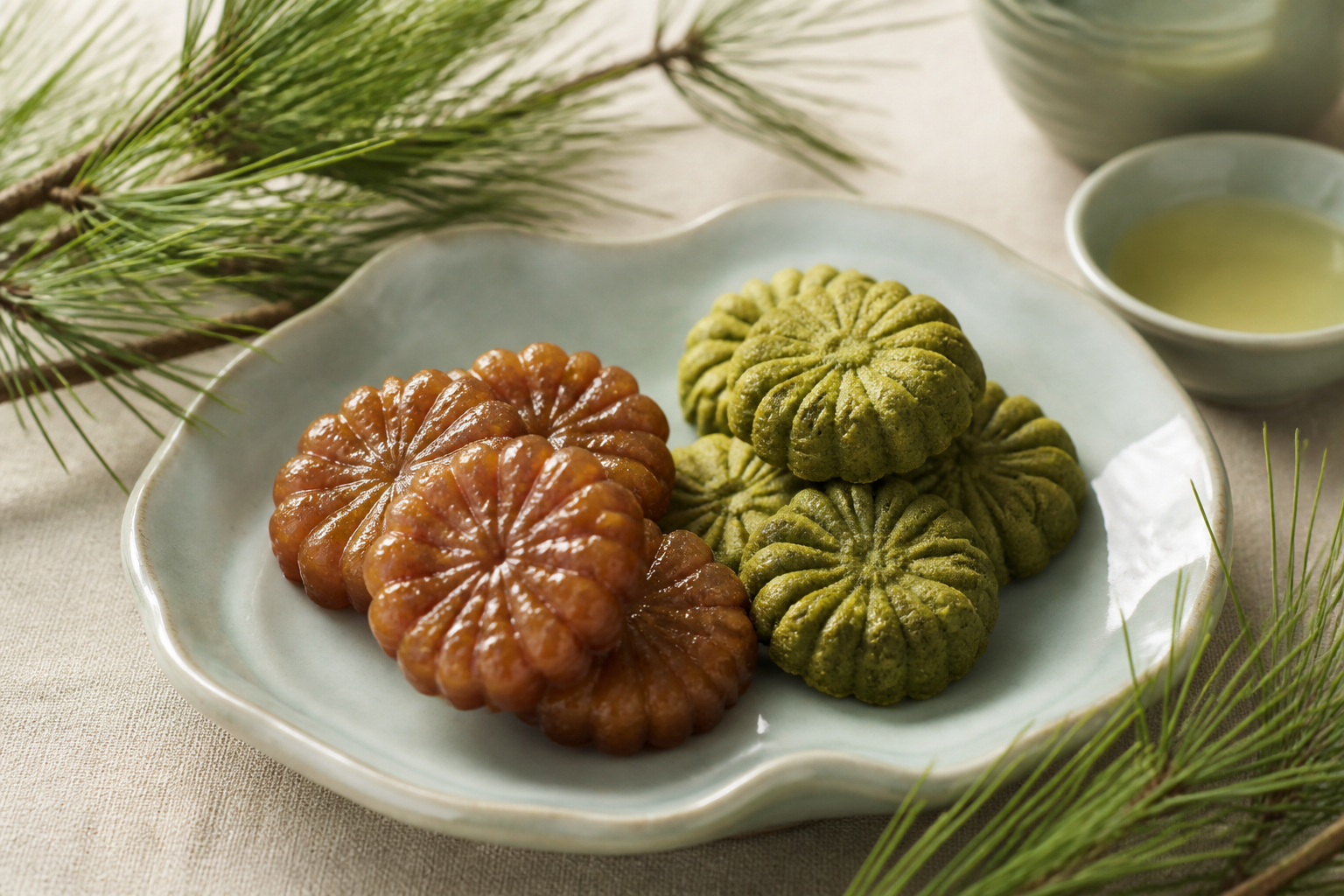
A few months ago, I stumbled onto a Korean cooking forum while searching for authentic dasik recipes, and I haven’t been able to stop exploring since. What started as curiosity about one traditional cookie has turned into a full-blown obsession with Korean hangwa—the umbrella term for traditional Korean sweets and confections. I’ve tested recipes, tracked down specialty ingredients, and learned that there’s so much more to Korean cookies than I ever realized. Let me walk you through what I’ve discovered, because if you’re anything like me, you’re about to fall down this same delicious rabbit hole.
Understanding Korean Cookies and Hangwa
Before diving into specific recipes, it’s worth understanding what makes Korean cookies distinct. Hangwa encompasses everything from elaborately decorated yeot (taffy) to simple, elegant dasik (pressed cookies made from flour, honey, and nuts). Korean cookies tend to be less sweet than Western counterparts, with more emphasis on subtle flavors, nutritional ingredients, and visual beauty. Many traditional Korean cookies draw from principles of Korean medicine, incorporating ingredients believed to be warming or restorative.
This philosophy completely changed how I approach cookie baking. Instead of chasing maximum sweetness or chocolate chips, I started thinking about balance—how can these cookies nourish while they satisfy?
Pine Nuts and Walnuts
Pine nuts and walnuts sometimes appear in korean cookies, pressed into dasik or mixed into batter. These nuts are considered nutritive and warming, and add textural variety and subtle richness.
When I first started making dasik, I learned that nut selection matters more than I expected. Pine nuts have a buttery, slightly sweet flavor that works beautifully in delicate pressed cookies, while walnuts bring an earthier note. The best practice is to lightly toast your nuts before grinding them—this deepens their flavor without overpowering the other ingredients. I make the mistake of skipping the toasting step when I’m in a hurry, and my cookies always taste flatter as a result.
Jujube and Other Dried Fruits
Traditional hangwa sometimes incorporates dried jujube (Korean dates) or other dried fruits like persimmons and citrus peel. Jujubes are particularly prized for their subtle sweetness and chewy texture. When you use them in cookie batters or as decorative toppings on dasik, they need to be finely minced or even ground into a paste to distribute evenly. I’ve found that soaking tough jujubes in warm water for 10-15 minutes before chopping makes them easier to work with and helps them blend seamlessly into the dough.
The Rice Flour That Finally Gave Me the Right Texture for Dasik and Cookie Batters
Rice flour is the backbone of so many Korean cookies, but I spent years buying whatever was on the shelf at my local Asian market—and my batters never quite had that delicate, tender crumb I was after. Once I switched to a pure, finely-milled organic rice flour, everything changed.
What works
- The flour mills incredibly fine, which means my cookies have that signature soft, almost melt-in-your-mouth texture that Korean dasik is supposed to have.
- It doesn’t have any starchy or bitter aftertaste, so the subtle flavors of the jujube, pine nuts, and spices actually shine through instead of getting masked.
- The organic sourcing means I’m not worried about any off-flavors creeping in—I can taste the difference batch to batch when I use this versus generic brands.
What doesn’t
- It’s pricier than bulk rice flour from the supermarket, so if you’re making cookies on a tight budget this might feel like a splurge.
- The fine milling also means it can clump more easily if your kitchen is humid—I’ve learned to sift it twice and store it in an airtight container to keep it from getting dense.
I’ll admit, my first batch with this flour looked too pale and I panicked that I’d bought something wrong, but the moment I tasted them, I knew it was exactly what my Korean cookie recipes had been missing all along. You can grab Korean 100% Pure Organic Rice Flour from Amazon.
Moving Forward
This rabbit hole has been one of the most rewarding baking journeys I’ve taken. Korean cookies taught me that great baking isn’t always about complexity—sometimes it’s about respecting traditional techniques, choosing quality ingredients, and understanding the “why” behind each component. I’m still experimenting, and I have a stack of hangwa recipes I haven’t tackled yet. I hope you’ll join me as I continue exploring this delicious corner of the baking world.
This post contains affiliate links. As an Amazon Associate, I earn from qualifying purchases at no extra cost to you.