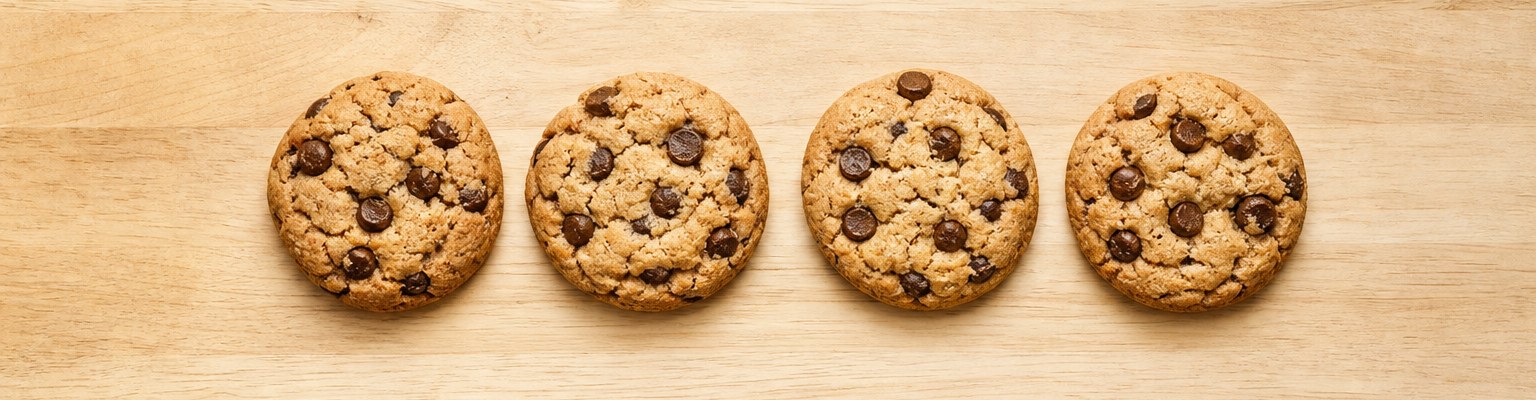

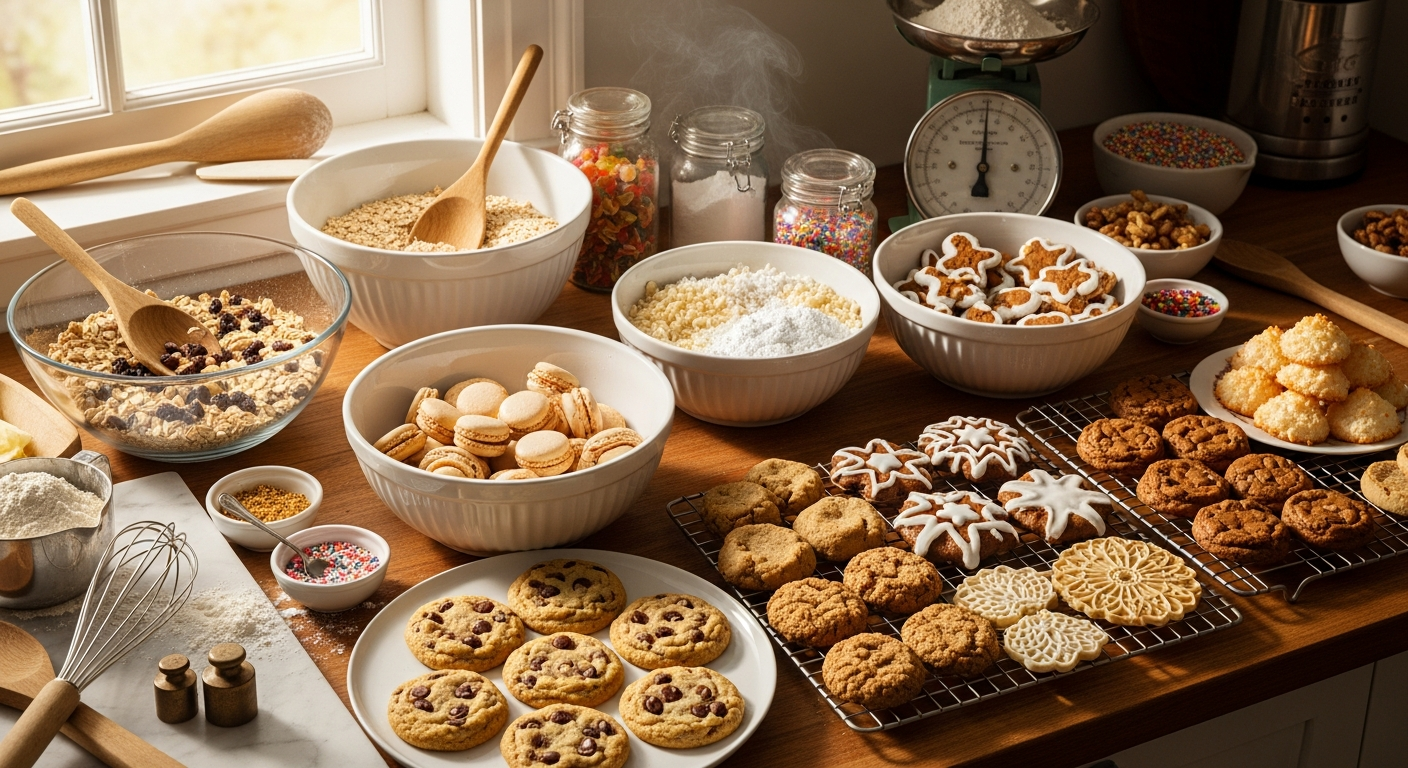
Cookies are a universal language of comfort and celebration. Every country offers a unique bite-sized piece of its culture. These sweet treats tell stories of history, tradition, and local flavors. Embark on a delicious journey around the globe with us. We will explore ten of the most iconic national cookies. Get your mixing bowls ready, because you will want to try baking these yourself.
1. Chocolate Chip Cookie (USA)
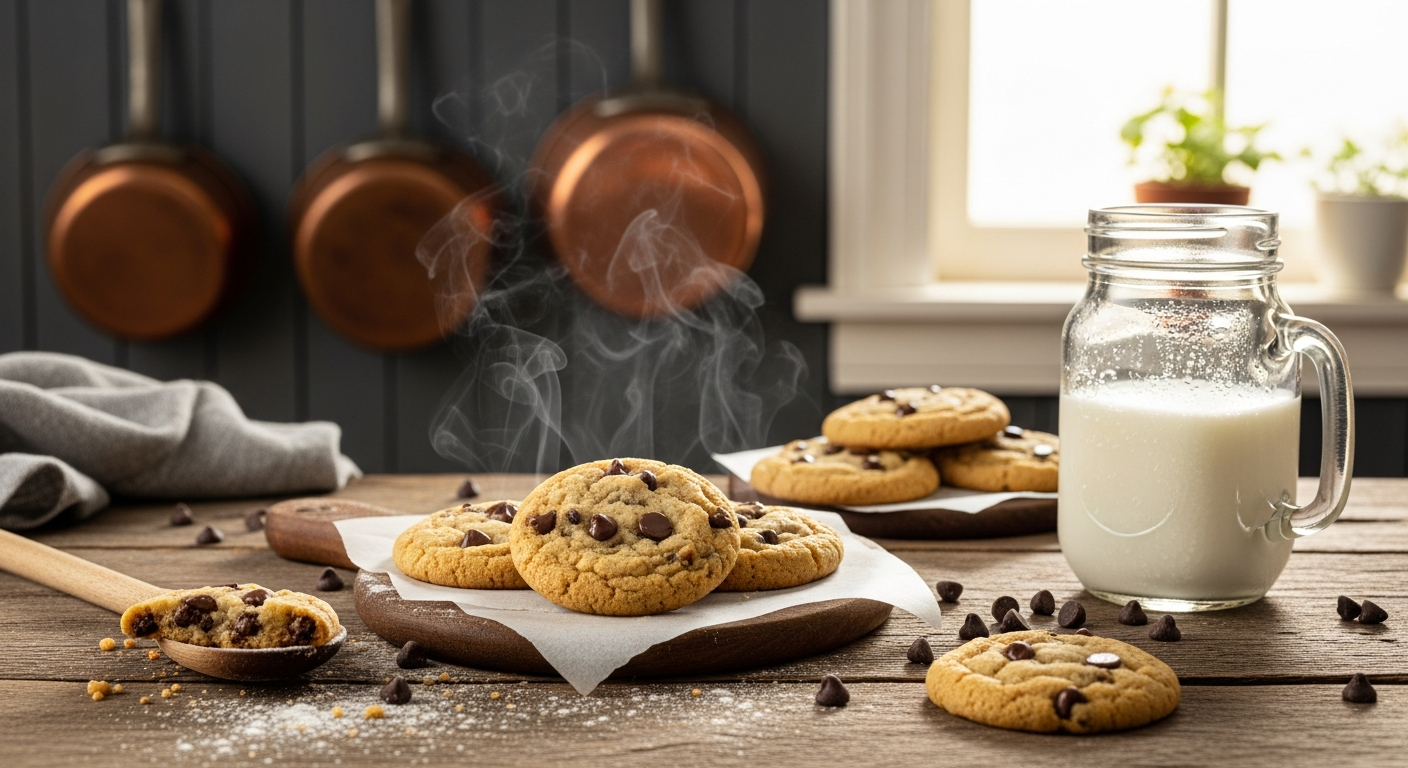
The chocolate chip cookie is a beloved American classic. Source Its story begins not in an ancient kitchen, but in a 1930s Massachusetts inn. Ruth Wakefield, owner of the Toll House Inn, famously invented the cookie by accident. She expected chocolate chunks to melt into a chocolate cookie. Instead, the pieces held their shape, creating a delightful new texture. This happy accident gave the world one of its most popular treats.
These cookies offer a perfect balance of textures. They have crisp edges and a soft, chewy center. The buttery, brown sugar dough complements the semi-sweet chocolate morsels perfectly. It’s a simple yet irresistible combination.
Classic Chocolate Chip Cookies
Ingredients:
- 2 1/4 cups all-purpose flour
- 1 tsp baking soda
- 1 tsp salt
- 1 cup unsalted butter, softened
- 3/4 cup granulated sugar
- 3/4 cup packed brown sugar
- 1 tsp vanilla extract
- 2 large eggs
- 2 cups semi-sweet chocolate chips
Instructions:
- Preheat your oven to 375°F (190°C).
- In a small bowl, whisk together the flour, baking soda, and salt.
- In a separate large bowl, beat the softened butter, granulated sugar, and brown sugar until creamy.
- Add the vanilla and eggs one at a time, beating well after each addition.
- Gradually mix the dry ingredients into the wet mixture until just combined.
- Stir in the chocolate chips.
- Drop rounded tablespoons of dough onto ungreased baking sheets.
- Bake for 9 to 11 minutes, or until the edges are golden brown.
- Let them cool on the baking sheet for a few minutes before moving them to a wire rack.
2. Macaron (France)
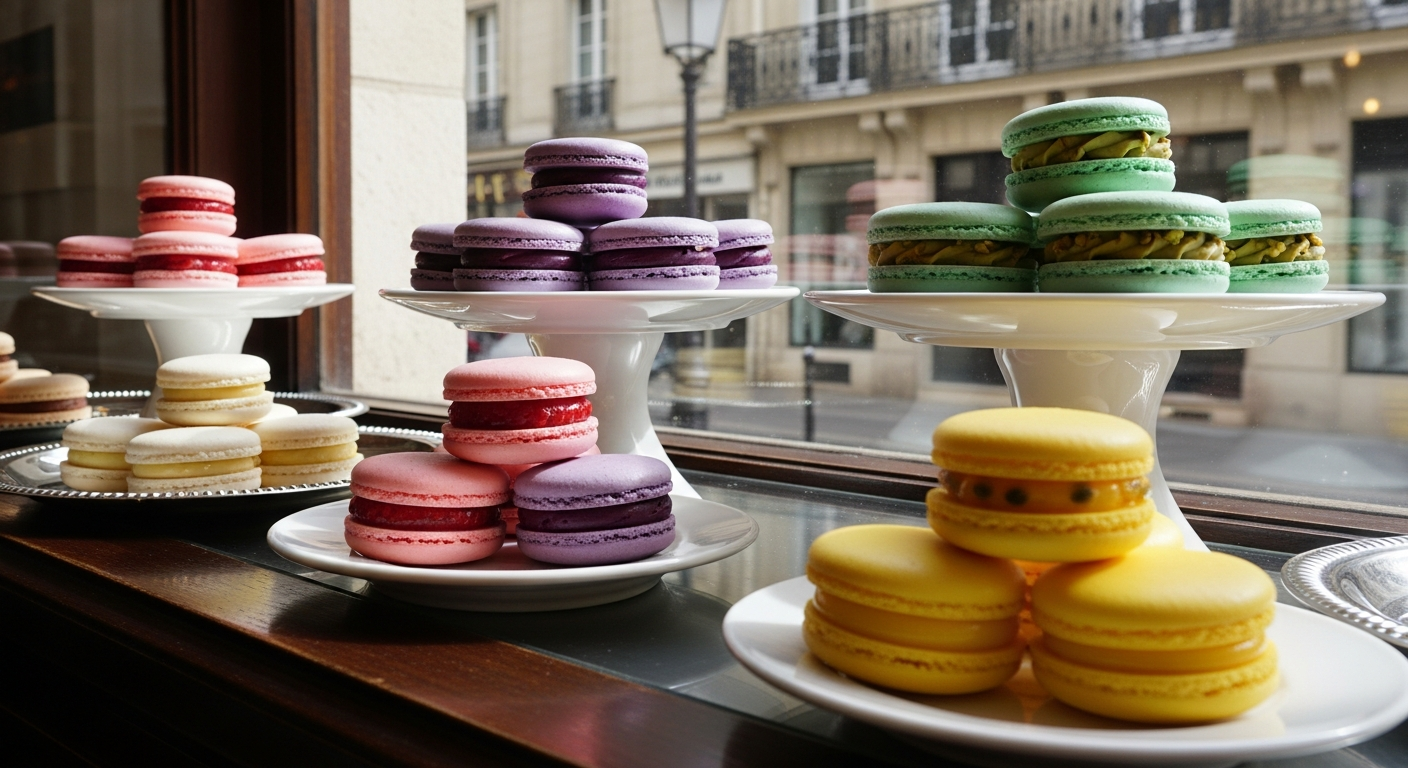
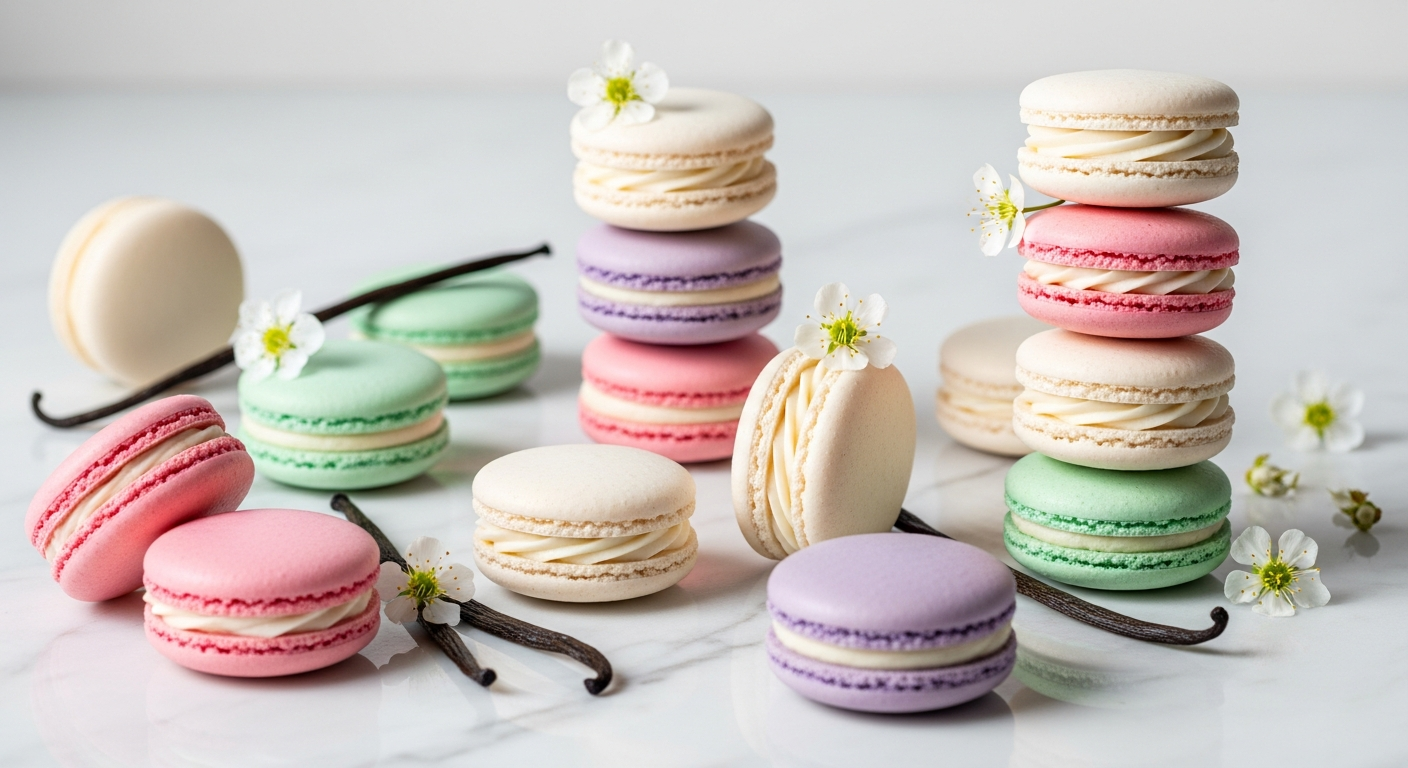
French macarons are elegant, delicate, and famously tricky to perfect. These small, round sandwich cookies are made with almond flour, egg whites, and sugar. They boast a crisp outer shell and a soft, chewy interior. A rich filling, like ganache or buttercream, holds the two halves together. Their vibrant colors and diverse flavors make them a patisserie staple.
While Italy may have introduced an early version, France perfected the macaron we know today. In the early 20th century, Parisian bakers began sandwiching two shells together with a filling. This innovation transformed the simple almond meringue into a sophisticated confection. Consequently, the macaron became a symbol of French culinary artistry.
French Macarons with Vanilla Buttercream
Ingredients:
- 1 3/4 cups powdered sugar
- 1 cup almond flour, finely ground
- 3 large egg whites, at room temperature
- 1/4 tsp cream of tartar
- 1/4 cup granulated sugar
- 1/2 cup unsalted butter, softened
- 1 cup powdered sugar (for filling)
- 1 tsp vanilla extract
Instructions:
- Sift the 1 3/4 cups powdered sugar and almond flour together twice.
- In a separate bowl, beat the egg whites with a mixer until foamy. Add the cream of tartar.
- Slowly add the granulated sugar while beating until stiff, glossy peaks form.
- Gently fold the almond flour mixture into the egg whites in three parts. Do not overmix.
- Pipe 1-inch rounds onto a baking sheet lined with parchment paper.
- Tap the baking sheet firmly on the counter to release air bubbles. Let the macarons rest for 30-60 minutes until they form a skin.
- Preheat the oven to 300°F (150°C). Bake for 15-18 minutes.
- For the filling, beat butter until creamy. Add 1 cup powdered sugar and vanilla and beat until smooth.
- Pipe the filling onto one macaron shell and sandwich it with another.
3. Biscotti (Italy)
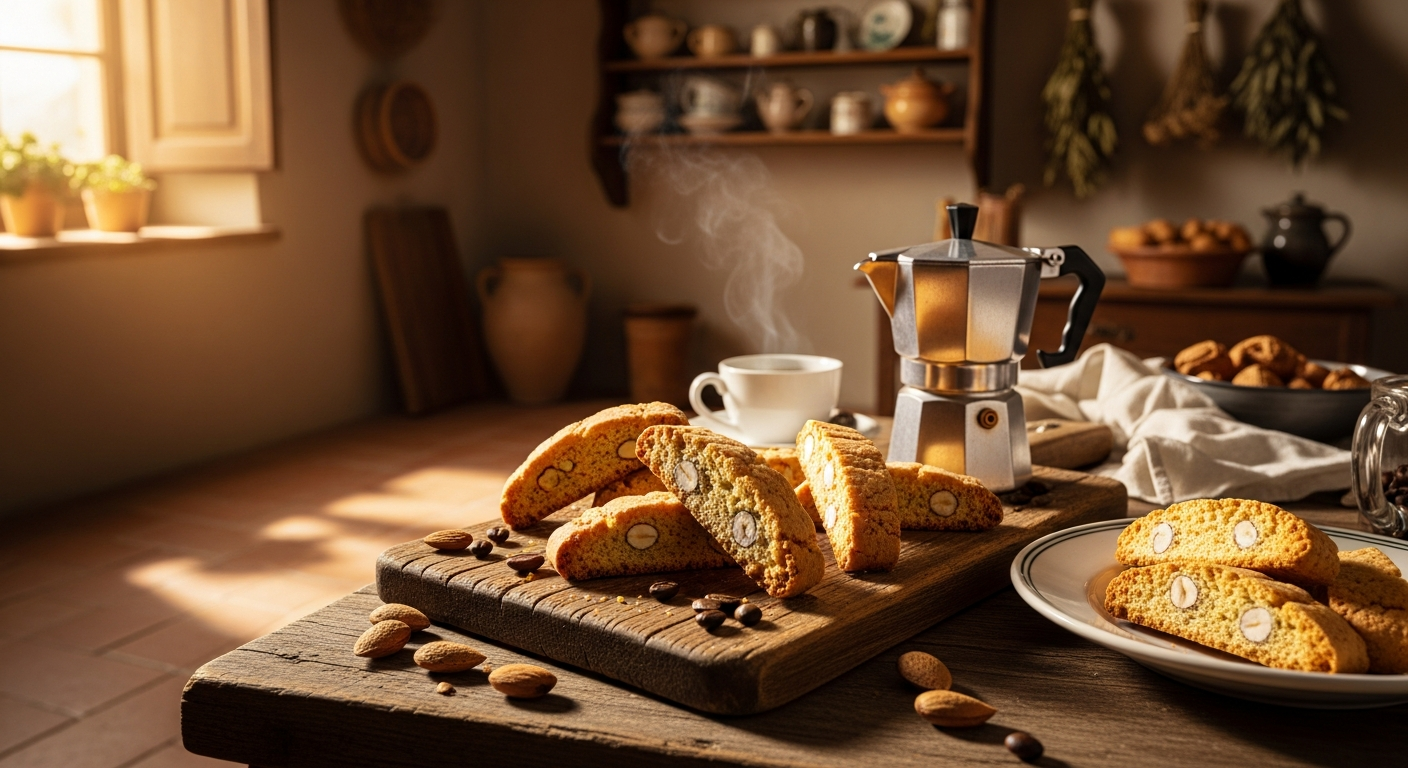
Biscotti, which means “twice-cooked” in Italian, are wonderfully crisp and crunchy. These oblong-shaped biscuits originate from Prato, Italy. Their low moisture content made them a perfect travel food for Roman legions. Because they are so durable, they can be stored for long periods without spoiling. Traditionally, people enjoy biscotti by dipping them in a drink like coffee or sweet Vin Santo wine.
The first bake cooks the dough in a log shape. After cooling slightly, bakers slice the log and bake the individual slices again. This second baking process draws out moisture, resulting in their signature hard texture. Almonds are a classic addition, but modern variations include chocolate, pistachios, and citrus zest.
Often recognized globally as a quintessential Italian treat, Classic Almond Biscotti stands as a testament to elegant simplicity and enduring tradition. This crisp, oblong cookie, whose very name biscotto derives from the Latin bis coctus meaning “twice-baked,” embodies a rich culinary heritage that stretches back centuries and defines a significant part of Italy’s sweet identity.
A Journey Through Time and Taste
- Ancient Origins: While often associated with Tuscany, particularly the city of Prato, the concept of twice-baked bread for preservation dates back to Roman legions, who relied on durable, non-perishable food for their campaigns.
- Renaissance Resurgence: The modern form of biscotti, however, gained prominence in the Italian Renaissance. It was in Tuscany that the specific recipe we now recognize as classic almond biscotti truly flourished, becoming a beloved staple and a symbol of regional culinary pride.
What Makes it “Classic Almond”?
The designation “classic almond” isn’t just a flavor; it’s a defining characteristic of this iconic cookie, deeply embedded in its preparation and presentation.
- The Twice-Baked Secret: This unique baking method is the heart of biscotti, crucial for its signature texture and remarkable shelf life.
- First Bake: The dough, typically shaped into long, flat logs, is baked until it’s golden and firm.
- Slicing & Second Bake: The logs are then carefully sliced into individual cookies and returned to a lower-temperature oven for a second, slower bake. This precise process results in their signature dry, intensely crisp, and wonderfully crunchy texture – perfect for dipping without crumbling.
- Almond’s Essential Role: Unblanched, whole, or roughly chopped almonds are generously folded into the dough, providing more than just flavor:
- A delightful nutty aroma that permeates every bite, hinting at its natural richness.
- Irresistible crunch and texture contrast against the dense cookie base.
- A rich, earthy flavor that perfectly complements the subtle sweetness and often a hint of citrus.
- Simple, Pure Ingredients: Beyond the almonds, classic biscotti relies on a straightforward pantry of ingredients: high-quality flour, granulated sugar, fresh eggs, and a touch of leavening. Often, a hint of citrus zest (lemon or orange) or pure vanilla extract is added to brighten and round out the flavor profile, creating a nuanced sweetness.
More Than Just a Cookie: A Cultural Ritual
Biscotti are not merely a snack; they are deeply woven into the fabric of Italian culinary customs and hospitality.
- The Art of Dipping: Their dry, sturdy nature makes them ideal for dunking, transforming their texture and enhancing the overall experience.
- Traditional Pairing: Historically, and still widely enjoyed, they are served alongside a glass of Vin Santo, a sweet, amber-hued Tuscan dessert wine. The cookie softens slightly, absorbing the wine’s honeyed, nutty, and often apricot notes.
- Everyday Indulgence: Equally popular is pairing them with a strong espresso, cappuccino, or a robust cup of coffee, making them a beloved breakfast treat, an afternoon pick-me-up, or the perfect end to a meal.
- A Symbol of Hospitality: Offering biscotti to guests is a gesture of warmth and welcome, embodying the Italian spirit of sharing good food and good company around a table. It speaks to a tradition of simple pleasures and genuine connection.
- A Taste of Italy: For many, the distinctive shape, unique texture, and almond-rich flavor of biscotti instantly evoke images of bustling Italian cafes, sun-drenched Tuscan landscapes, and generations of culinary tradition. It’s a sweet, enduring reminder of Italy’s ability to turn simple, honest ingredients into something truly extraordinary and universally cherished.
Ingredients:
- 2 cups all-purpose flour
- 3/4 cup granulated sugar
- 1 tsp baking powder
- 1/4 tsp salt
- 2 large eggs
- 1 tsp vanilla extract
- 1 cup whole almonds, toasted
Instructions:
- Preheat your oven to 350°F (175°C).
- In a large bowl, combine the flour, sugar, baking powder, and salt.
- In a separate bowl, whisk the eggs and vanilla extract.
- Add the wet ingredients to the dry ingredients and mix until a dough forms.
- Knead in the toasted almonds.
- Divide the dough in half and shape each half into a flat log on a parchment-lined baking sheet.
- Bake for 25-30 minutes until firm. Let the logs cool for 10 minutes.
- Reduce the oven temperature to 300°F (150°C).
- Slice the logs diagonally into 1/2-inch thick slices.
- Place the slices cut-side down on the baking sheet and bake for 10 minutes. Flip and bake for another 10 minutes until crisp.
4. Alfajores (Argentina)
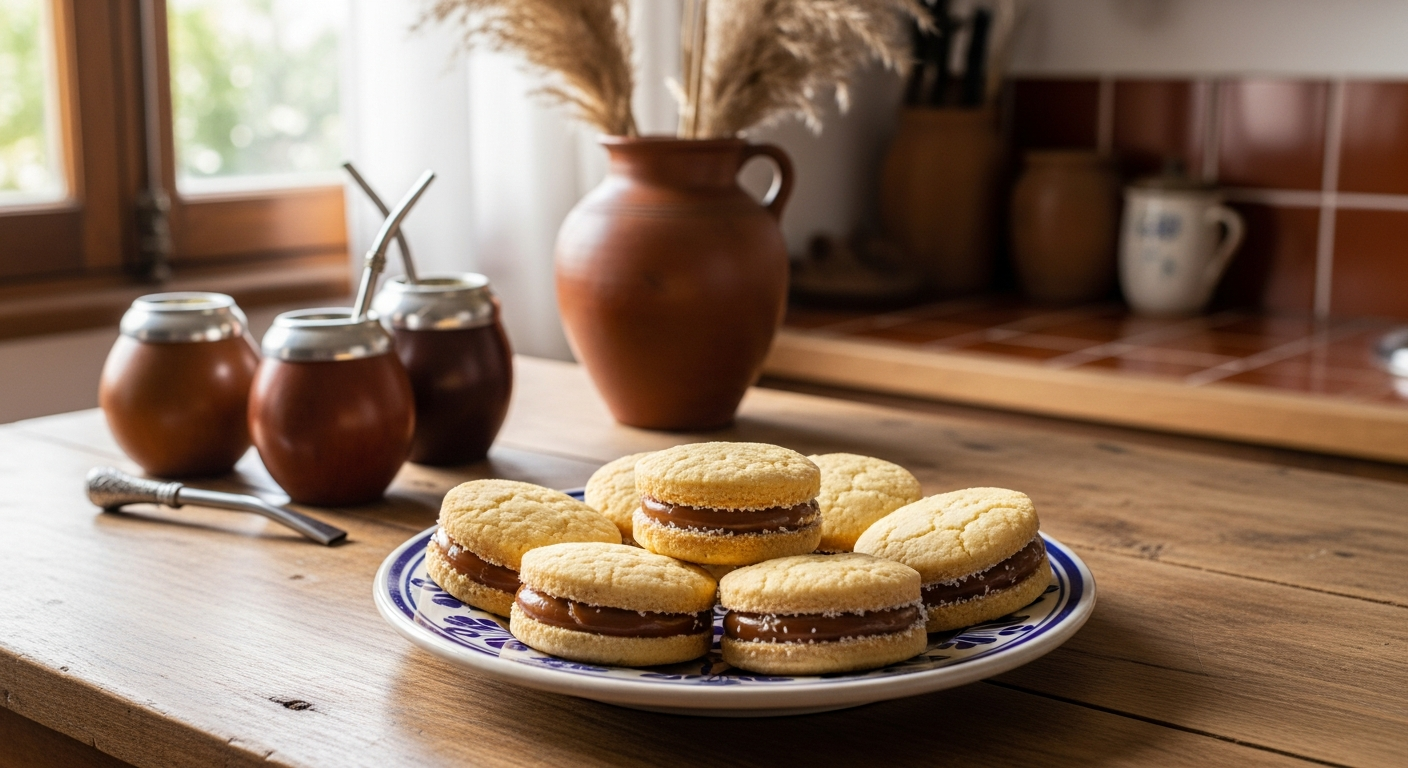
Alfajores are a treasure of South American confectionery, especially in Argentina. These tender, crumbly sandwich cookies consist of two shortbread-like biscuits. A generous layer of creamy dulce de leche holds them together. Often, bakers roll the edges in shredded coconut or dip the entire cookie in chocolate. The name “alfajor” comes from an Arabic word, hinting at its Moorish origins in Spain.
While variations exist across Latin America, the Argentine version is arguably the most famous. They are more than just a dessert; they are a daily snack, a gift, and a source of national pride. The melt-in-your-mouth texture comes from using a significant amount of cornstarch in the dough, which makes them incredibly delicate and light.
Argentinian Alfajores
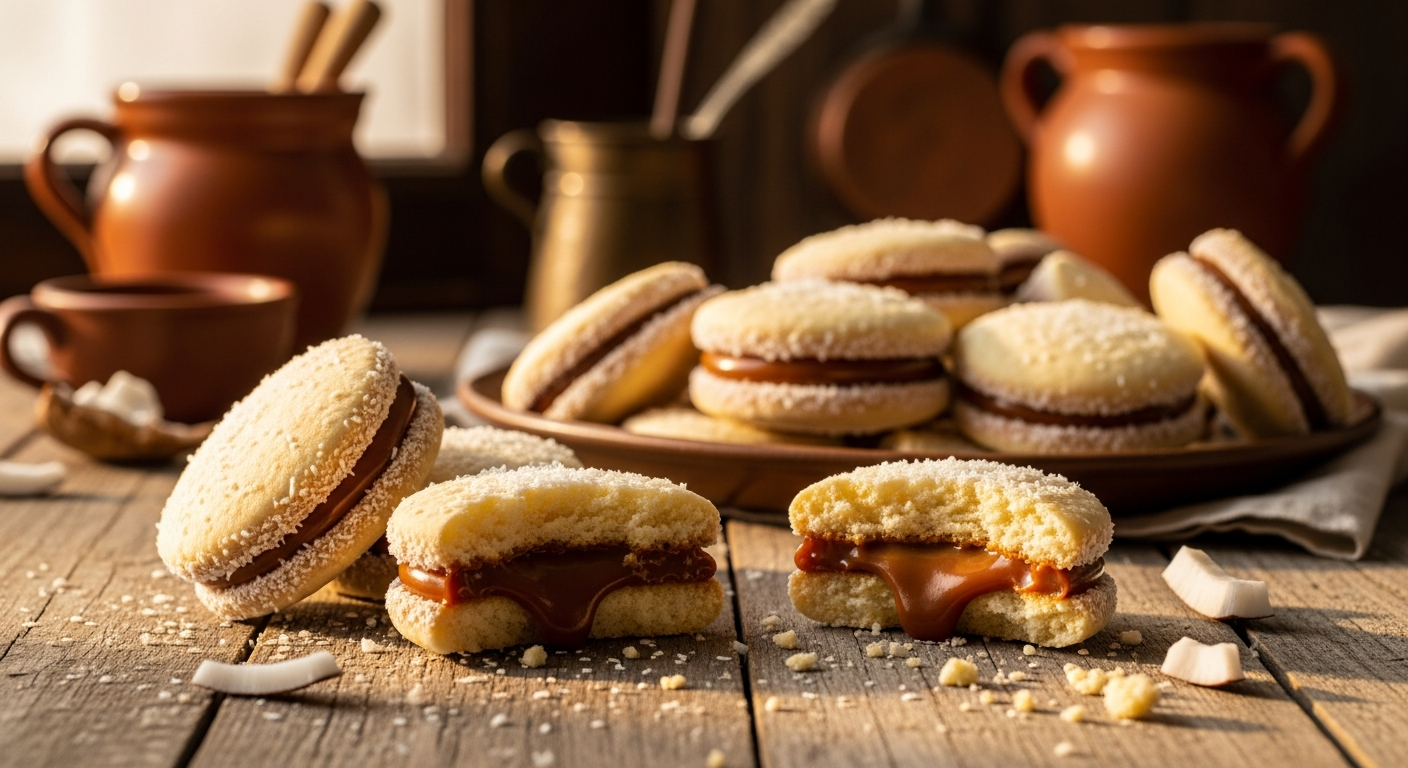
Ingredients:
- 1 1/4 cups all-purpose flour
- 2 1/4 cups cornstarch
- 1/2 tsp baking soda
- 2 tsp baking powder
- 1 cup unsalted butter, softened
- 3/4 cup sugar
- 3 egg yolks
- 1 tsp vanilla extract
- 1 can (13.4 oz) dulce de leche
- Shredded coconut for rolling
Instructions:
- Sift the flour, cornstarch, baking soda, and baking powder together.
- In a separate bowl, cream the butter and sugar until light and fluffy.
- Beat in the egg yolks and vanilla extract.
- Gradually add the dry ingredients to the wet mixture until a soft dough forms.
- Chill the dough for at least 1 hour.
- Preheat the oven to 350°F (175°C). Roll the dough to 1/4-inch thickness and cut out 2-inch rounds.
- Bake on a parchment-lined sheet for 10-12 minutes until the edges are lightly golden. Do not let them brown.
- Let the cookies cool completely.
- Spread a layer of dulce de leche on one cookie and top with another. Roll the edges in shredded coconut.
5. Stroopwafel (Netherlands)
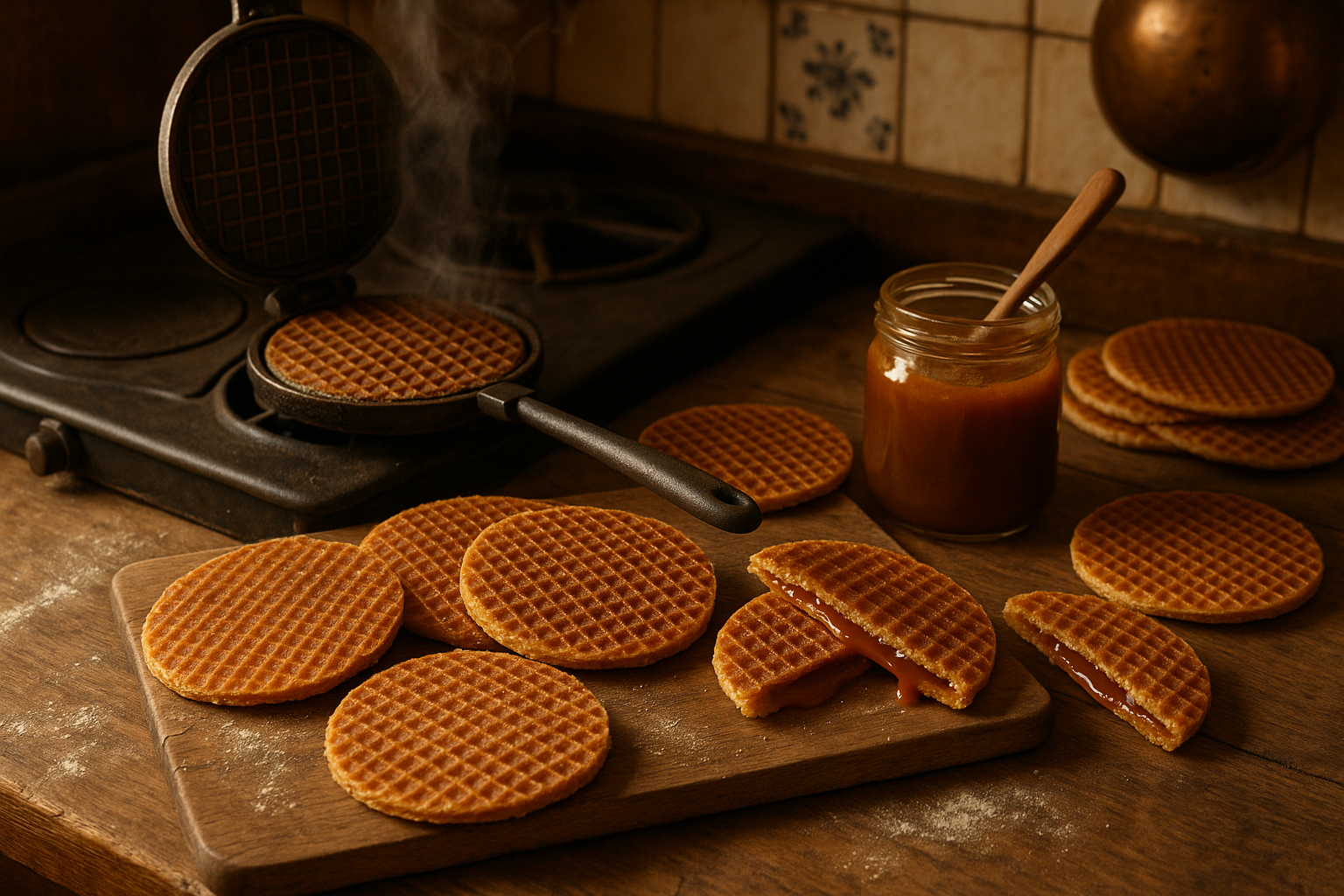
The Stroopwafel is a delightful Dutch invention from the city of Gouda. It consists of two thin, crispy waffle-like wafers. A sweet, sticky caramel syrup, or “stroop,” is sandwiched in between. The traditional way to enjoy a stroopwafel is to place it over a hot cup of coffee or tea. The steam gently warms the waffle and softens the caramel filling, making it gooey and delicious.
This treat is a street food staple in the Netherlands. Vendors make them fresh on special waffle irons. The warm, cinnamon-scented aroma is hard to resist. While making them at home requires a special pizzelle or waffle cone press for the authentic thinness, the result is well worth the effort for this unique and comforting cookie experience.
Homemade Stroopwafels
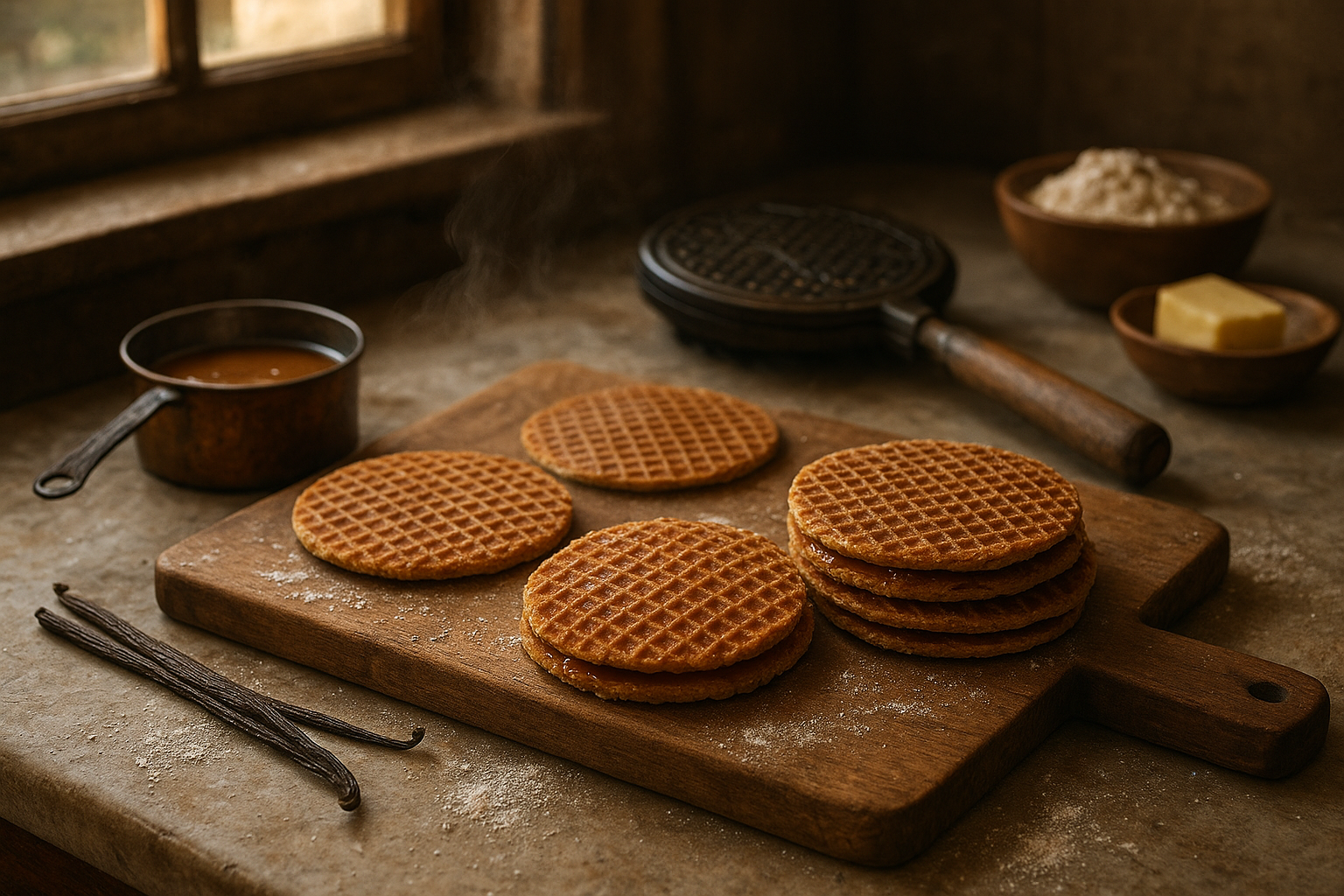
Ingredients:
- 2 cups all-purpose flour
- 1/2 cup granulated sugar
- 1 tsp ground cinnamon
- 1 packet active dry yeast
- 1/2 cup unsalted butter, melted
- 1/4 cup warm milk
- 1 egg
- For the filling: 1 cup brown sugar, 1/2 cup butter, 1 tsp cinnamon, 1/4 cup corn syrup
Instructions:
- In a large bowl, combine flour, sugar, cinnamon, and yeast. Add the melted butter, warm milk, and egg. Mix to form a dough.
- Let the dough rise in a warm place for about 1 hour.
- While the dough rises, make the filling. Melt the brown sugar, butter, cinnamon, and corn syrup in a saucepan over medium heat. Stir until smooth, then keep warm.
- Preheat a pizzelle or waffle cone iron.
- Roll the dough into small balls. Place a ball in the iron and press until golden brown (about 30-45 seconds).
- Immediately upon removing the waffle, use a round cutter to trim the edges. Carefully split the thin waffle in half horizontally while it is still hot.
- Spread the warm caramel filling on one half and press the other half on top.
- Repeat with the remaining dough.
6. Shortbread (Scotland)
Scottish shortbread rounds out the top half of this list on reputation alone—it’s the one national cookie on this countdown that almost everyone has already eaten, which makes it the benchmark the rest of the list gets measured against. We cover the exact ratio, the cornstarch swap, and the technique in full in our guide to national cookies from 20 countries; here, it earns its spot for ubiquity rather than novelty.
7. Polvorones (Mexico)
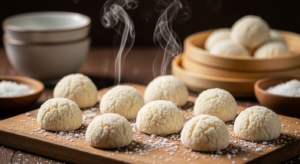
Mexican polvorones—also called Mexican wedding cookies or snowballs—rank above several more famous cookies on this list because they punch well above their five-ingredient simplicity: buttery, powdered-sugar-dusted rounds that dissolve on the tongue in a way few other shortbread-style cookies manage. If two other cookies on this countdown are tied on flavor, the one that’s easier for a first-time baker to nail perfectly gets the higher rank, and polvorones are about as forgiving as this list gets.
8. Pepparkakor (Sweden)
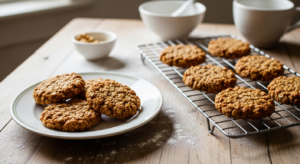
Pepparkakor lands mid-list because it does something none of the top five do: it’s the only cookie here built to snap rather than chew, and that structural difference is why it survives holiday tins and long-distance gifting better than almost anything else on this ranking. Thin, crisp, and spiced with ginger, cinnamon, and cloves, it’s a genuinely different eating experience from the alfajores and macarons ranked above it.
9. Fekkas (Morocco)
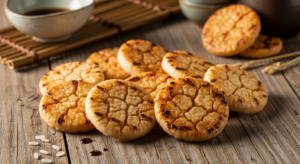
Fekkas ranks here rather than higher because it’s a narrower cookie—twice-baked, sesame-and-anise flavored, built specifically for dunking into mint tea—that most Western bakers have never tried, which makes it a fantastic “expand your list” pick rather than a top-five all-rounder. We have a full Moroccan orange blossom fekkas recipe if you want to bake them yourself.
10. Yakgwa (South Korea)
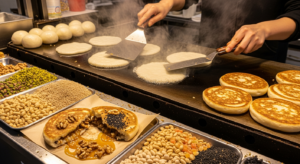
Yakgwa closes out the list at #10 not because it’s the least impressive cookie here—if anything, the honey-soaked, sesame-oil-enriched dough is one of the most technically involved recipes on this countdown—but because it’s the cookie fewest home bakers will attempt on a weeknight. It’s here as the ambitious pick: the one worth saving for a weekend project. If you’re curious, our deep dive into Korean cookies and hangwa includes a full traditional yakgwa recipe.
How I Ranked This List
A “top 10” list is only useful if the ranking logic is honest, so here’s mine. I weighed four things for every cookie: how distinct it tastes and looks compared to the others already on the list (no point ranking two near-identical shortbreads back to back), how approachable the recipe is for a home baker trying it for the first time, how strongly the cookie is actually associated with one specific country rather than a whole region, and how well it holds up as a make-ahead or gift-worthy treat. Chocolate chip and macarons rank at the top because they combine instant recognizability with genuinely different techniques worth learning. The back half of the list — pepparkakor, fekkas, yakgwa — ranks lower not because the cookies are worse, but because they ask more of the baker or the audience. That’s a ranking call, not a quality judgment, and it’s worth remembering that on any given day my own personal favorite from this list is whichever one I made most recently.
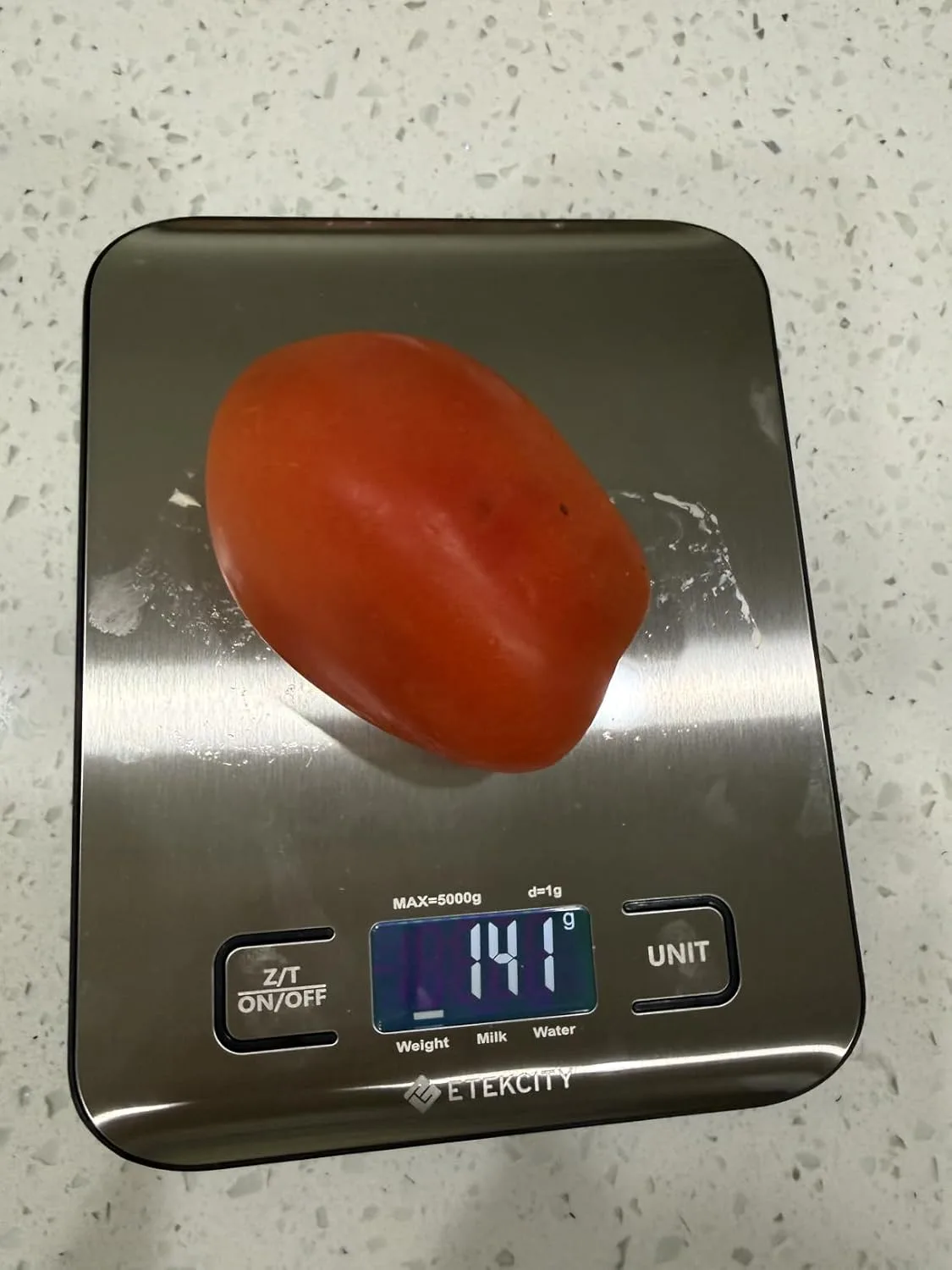
The Scale That Finally Made My International Cookie Batches Consistent
When you’re baking ten different cookies from around the world, tiny measurement variations snowball fast—especially with recipes that rely on precise ratios of butter, flour, and sugar. I learned this the hard way after my French macarons came out cakey while my Norwegian butter cookies spread too thin, all from eyeballing ingredients I thought were “close enough.”
What works
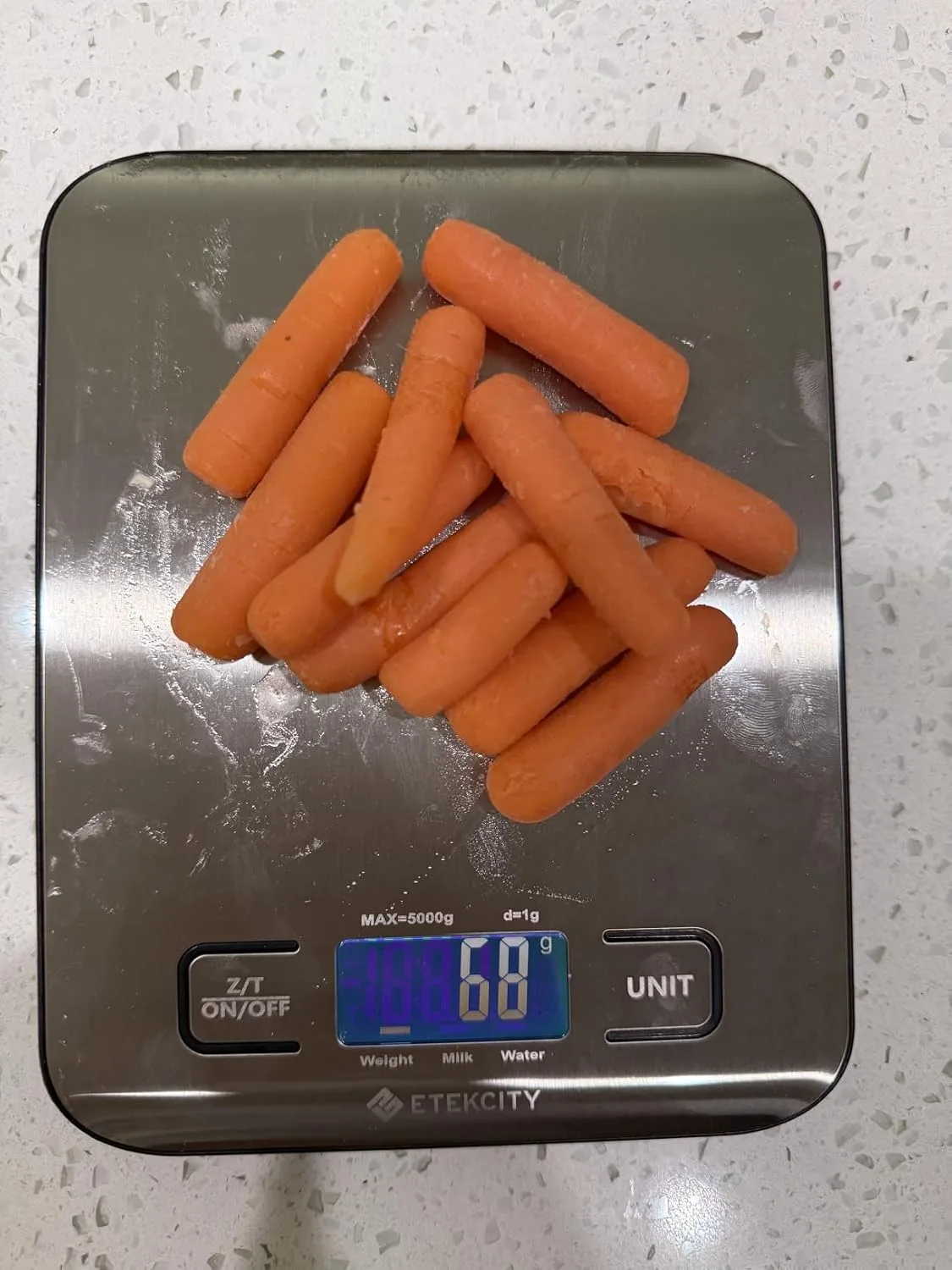
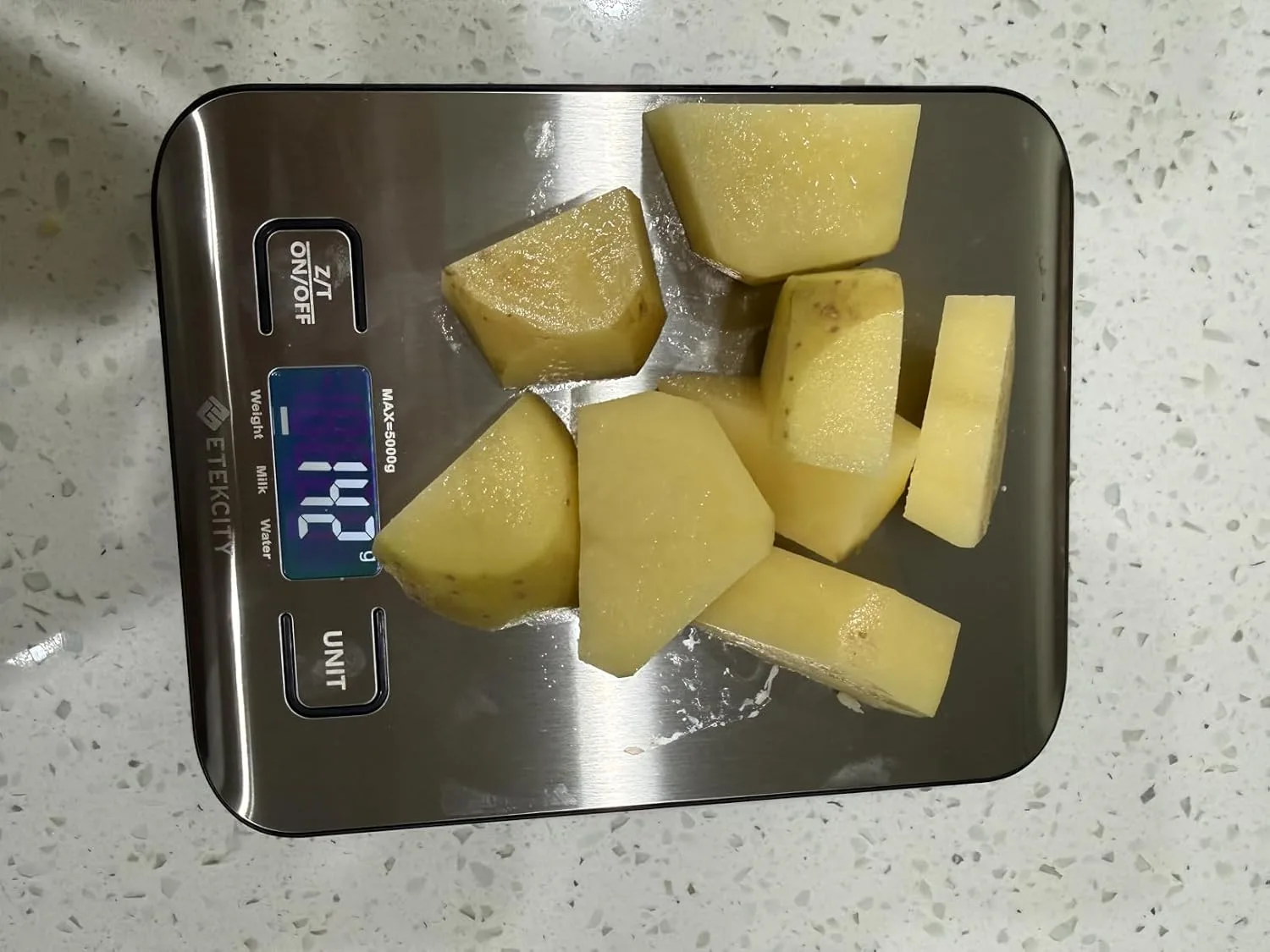
- Reads in both grams and ounces instantly, so I can follow European recipes without converting or second-guessing myself mid-batch.
- The tare function means I can add ingredients directly to my mixing bowl without transferring between bowls, cutting my cleanup time in half.
- Fast stabilization (under 2 seconds) keeps me from standing there watching a trembling display—I can actually move on to the next ingredient.
What doesn’t
- The display can be finicky if you don’t place the bowl dead-center on the platform; I’ve had to reposition more than once when the reading suddenly jumped.
- Battery life isn’t advertised clearly, so I’ve been caught mid-recipe with low-battery warnings before I could stock backup batteries.
I almost gave up on precision baking after my third “eyeballed” batch disaster, but this scale pulled me back. If you’re serious about replicating these global favorites, grab a digital kitchen scale.
About This Article

Written by Margaret Chen. Margaret Chen is a home baker and recipe developer with over 15 years of experience perfecting cookie recipes through rigorous testing and detailed experimentation. She tests every recipe multiple times, documents every variable, and applies the same rigor professional bakers use, with the warmth and accessibility of home baking. More about this site.
Scope and limits. Margaret is a home baker and recipe developer with no formal culinary training. Follow current food safety guidance for egg handling, storage, and anything you are serving to other people.
Verify this against a primary source
Specifics change, and your situation may differ from the one described here. These are the authorities worth checking directly:
- USDA FoodData Central — ingredient composition and nutrition data
- FoodSafety.gov — safe handling, storage and egg safety