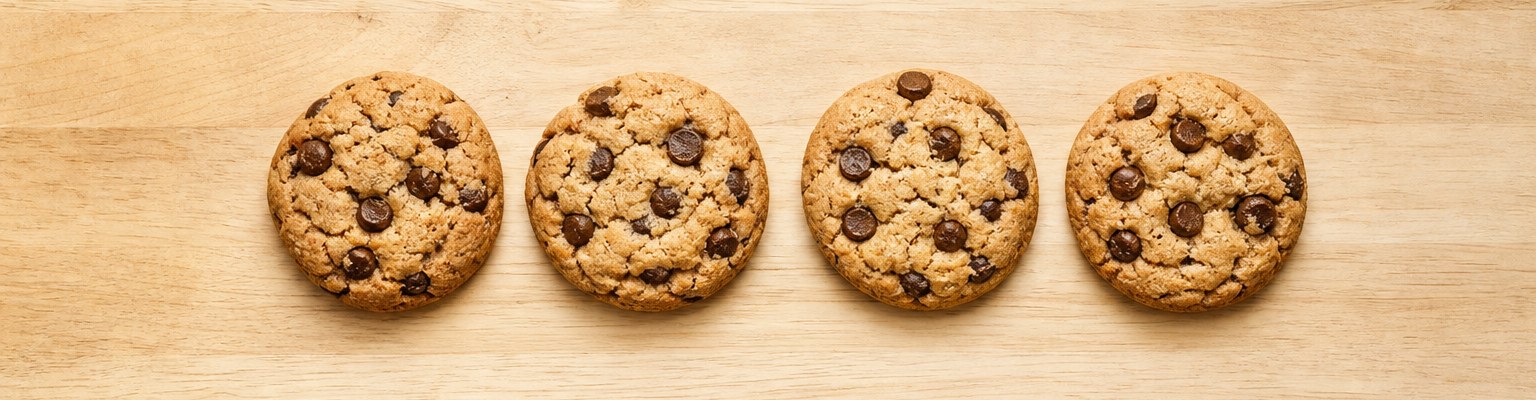

Beyond Chocolate Chip: Exploring International National Cookies
Cookies are a universal treat, beloved across cultures for their delightful textures and flavors. While chocolate chip cookies often steal the spotlight, these four recipes deserve a permanent spot in your rotation: a South American sandwich cookie, a Dutch waffle-cookie hybrid, a wartime Australian oat biscuit, and an Italian iron-pressed wafer. Each one uses a completely different technique, so between them you will pick up four genuinely useful skills rooted in real culinary traditions rather than four variations on the same drop-cookie method.
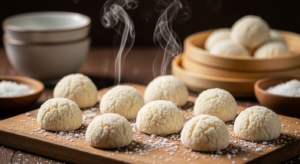
Alfajores: A South American Delight
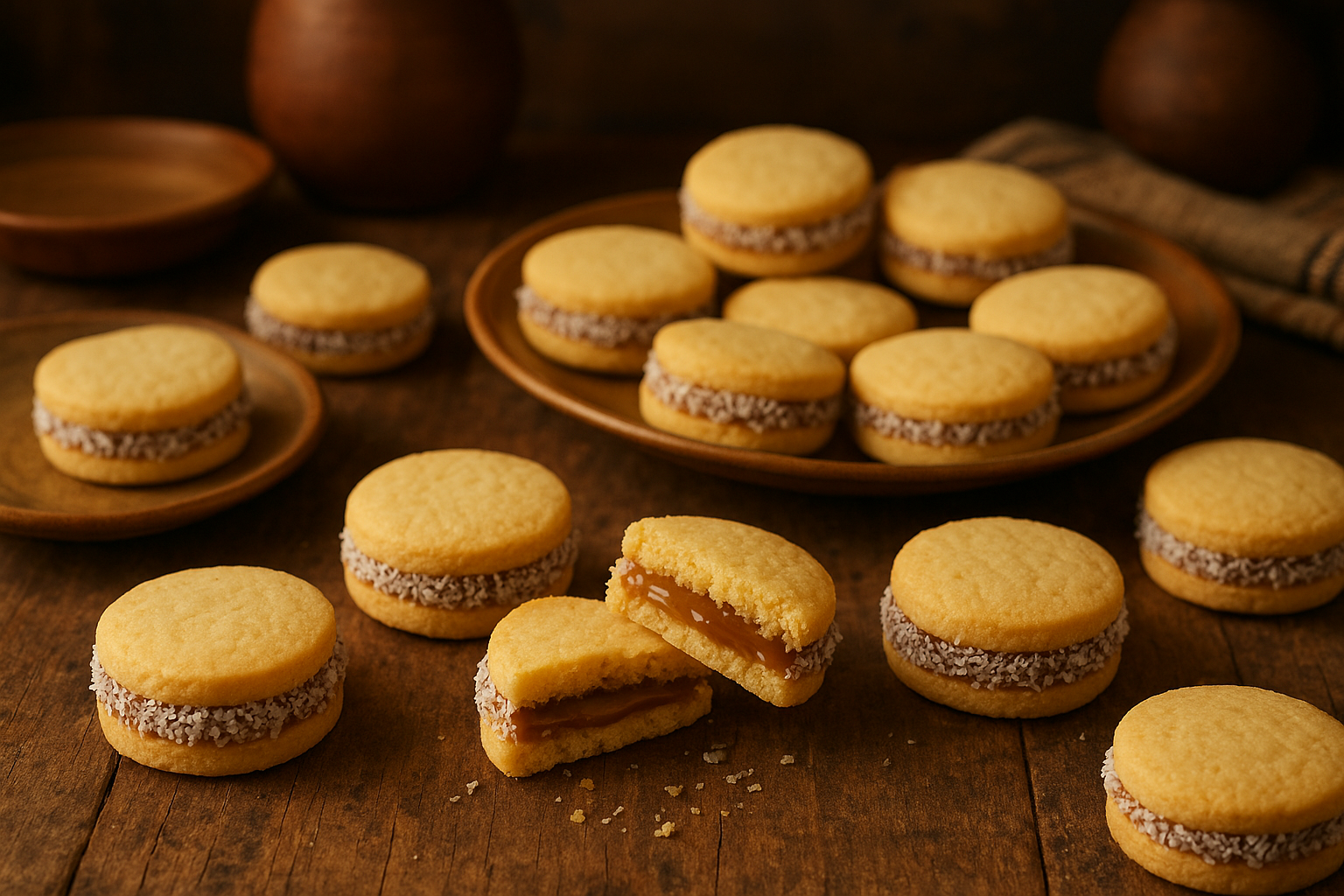
Alfajores, originating from South America, are a testament to the region’s rich culinary heritage. These sandwich cookies, filled with luscious dulce de leche, are often dusted with powdered sugar. They offer a sweet, creamy experience with every bite.
Alfajores Recipe
Ingredients:
- 2 cups flour
- 1 cup cornstarch
- 1 teaspoon baking powder
- 1/2 teaspoon salt
- 1 cup unsalted butter (softened)
- 3/4 cup sugar
- 2 egg yolks
- 1 tablespoon vanilla extract
- 1 cup dulce de leche
Instructions:
- Preheat oven to 350°F (175°C). Line baking sheet with parchment paper.
- Combine flour, cornstarch, baking powder, and salt in a bowl.
- In another bowl, cream butter and sugar until fluffy. Add egg yolks and vanilla.
- Gradually mix in dry ingredients until dough forms.
- Roll dough to 1/4-inch thickness. Cut into circles.
- Bake for 10-12 minutes. Cool completely.
- Spread dulce de leche on one cookie, top with another.
- Dust with powdered sugar before serving.
Baker’s notes: The dough is intentionally soft because of the high cornstarch ratio, so chill it for 20 minutes before rolling if it feels sticky to work with. Assemble the sandwiches close to serving time — dulce de leche is a wet filling, and cookies that sit filled overnight will soften noticeably by the next day. If you want to store a batch ahead, keep the baked cookie halves and the dulce de leche separate and assemble the morning you plan to serve them.
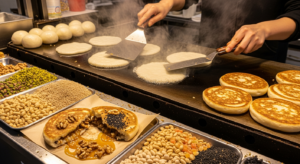
Stroopwafels: Dutch Sweetness
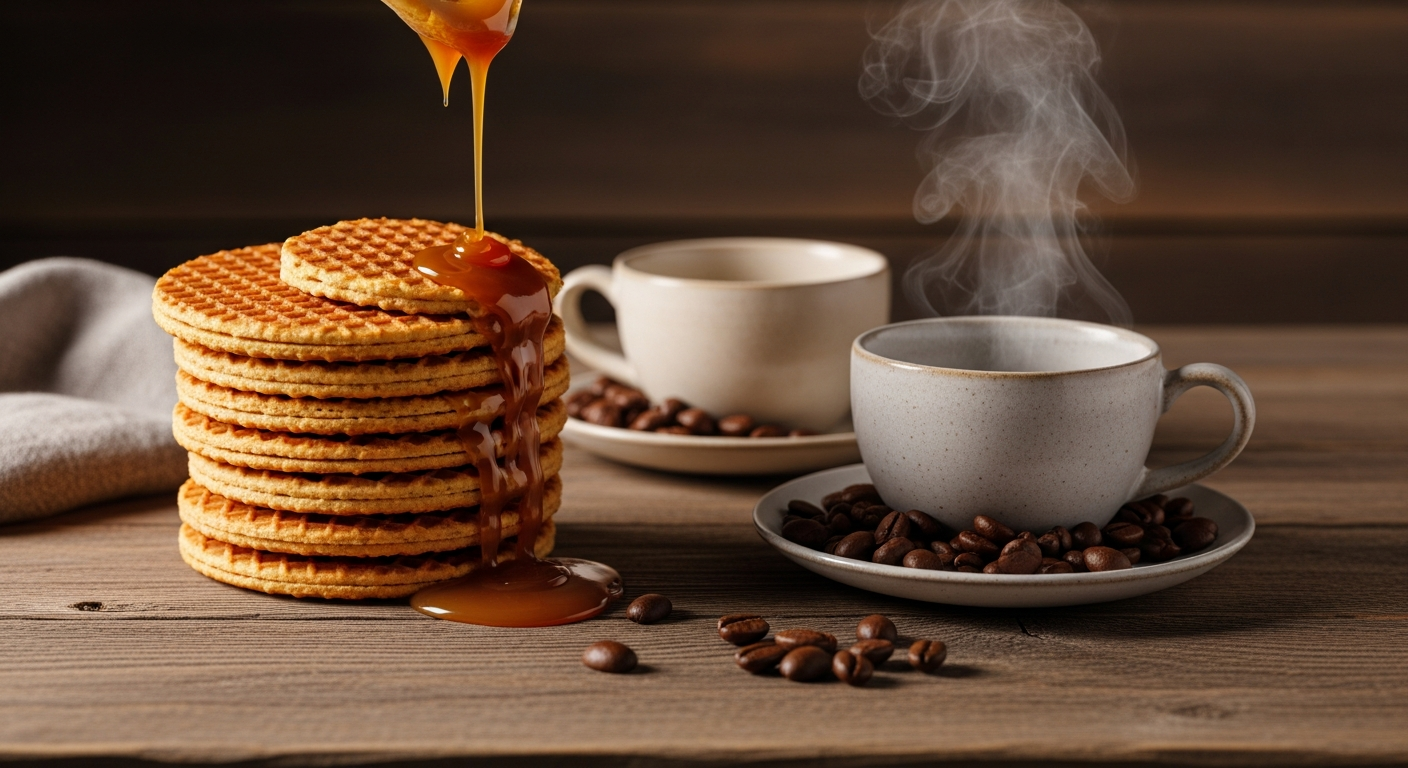
Stroopwafels, a Dutch favorite, consist of two thin waffles sandwiching a caramel syrup filling. Originating in the Netherlands, they are perfect for pairing with coffee or tea. Their chewy, caramelized texture provides a unique twist on traditional cookies.
Stroopwafels Recipe
Ingredients:
- 2 cups flour
- 1/2 cup sugar
- 1/4 teaspoon cinnamon
- 1 cup unsalted butter (melted)
- 2 eggs
- 1 teaspoon vanilla extract
- 1 cup brown sugar
- 1/2 cup butter
- 1/4 cup corn syrup
Instructions:
- Combine flour, sugar, and cinnamon in a bowl.
- Stir in melted butter, eggs, and vanilla. Knead until smooth.
- Divide dough into small balls. Press in waffle iron until golden.
- In a saucepan, combine brown sugar, butter, and corn syrup. Cook until smooth.
- Spread syrup on one waffle, place another on top.
- Serve warm or at room temperature.
Baker’s notes: A pizzelle iron works as a substitute if you don’t have a dedicated stroopwafel iron — the goal is a thin, patterned wafer you can still split horizontally while hot. Split and fill each wafer immediately after it comes off the iron; once it cools, it firms up and cracks instead of separating cleanly into two thin halves.
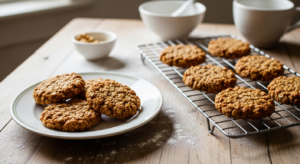
Anzac Biscuits: An Australian Tradition
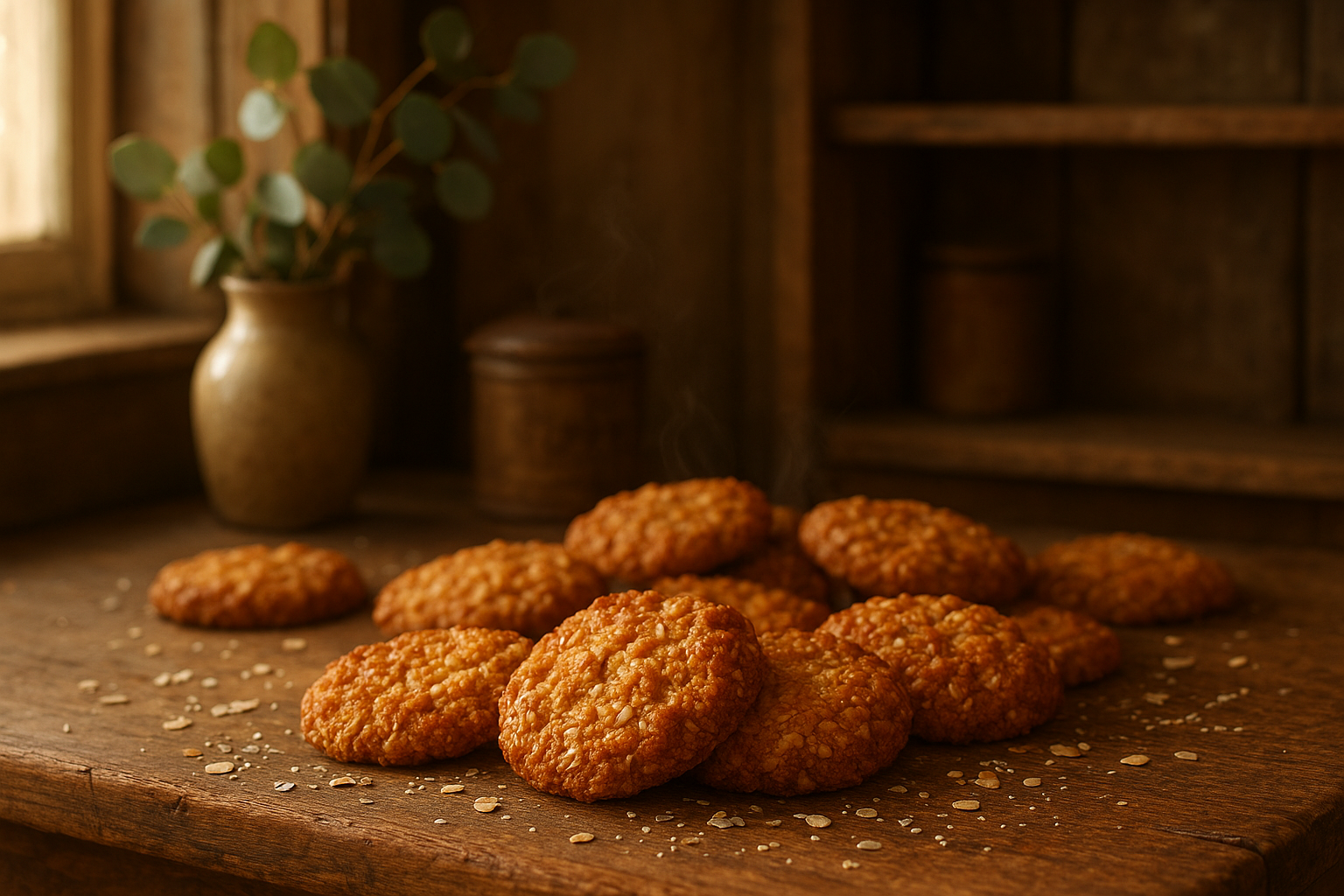
Anzac biscuits hold historical significance in Australia and New Zealand. Originally baked for soldiers in World War I, these cookies feature oats, coconut, and golden syrup. They offer a chewy, wholesome bite, embodying the spirit of resilience.
Anzac Biscuits Recipe
Ingredients:
- 1 cup rolled oats
- 1 cup flour
- 1 cup sugar
- 3/4 cup coconut (desiccated)
- 1/2 cup butter
- 2 tablespoons golden syrup
- 1 teaspoon baking soda
- 2 tablespoons boiling water
Instructions:
- Preheat oven to 350°F (175°C). Line baking tray with parchment.
- Combine oats, flour, sugar, and coconut in a bowl.
- Melt butter and golden syrup in a saucepan.
- Dissolve baking soda in boiling water. Add to butter mixture.
- Stir wet ingredients into dry. Mix well.
- Drop spoonfuls onto tray. Flatten slightly.
- Bake for 10-12 minutes. Cool on wire rack.
Baker’s notes: No eggs means no risk of a raw-egg mixing mistake, but it also means these spread and set almost entirely on butter and golden syrup — flatten the dough balls a little more than feels natural if you want a crisp, lacy edge rather than a domed one. Golden syrup is not the same as corn syrup or honey; if you can’t find it, an equal amount of light corn syrup is the closest workable substitute, though the flavor will be slightly less caramelized.
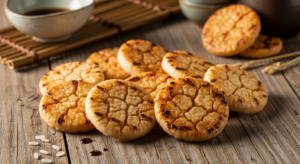
Pizzelle: Italian Elegance
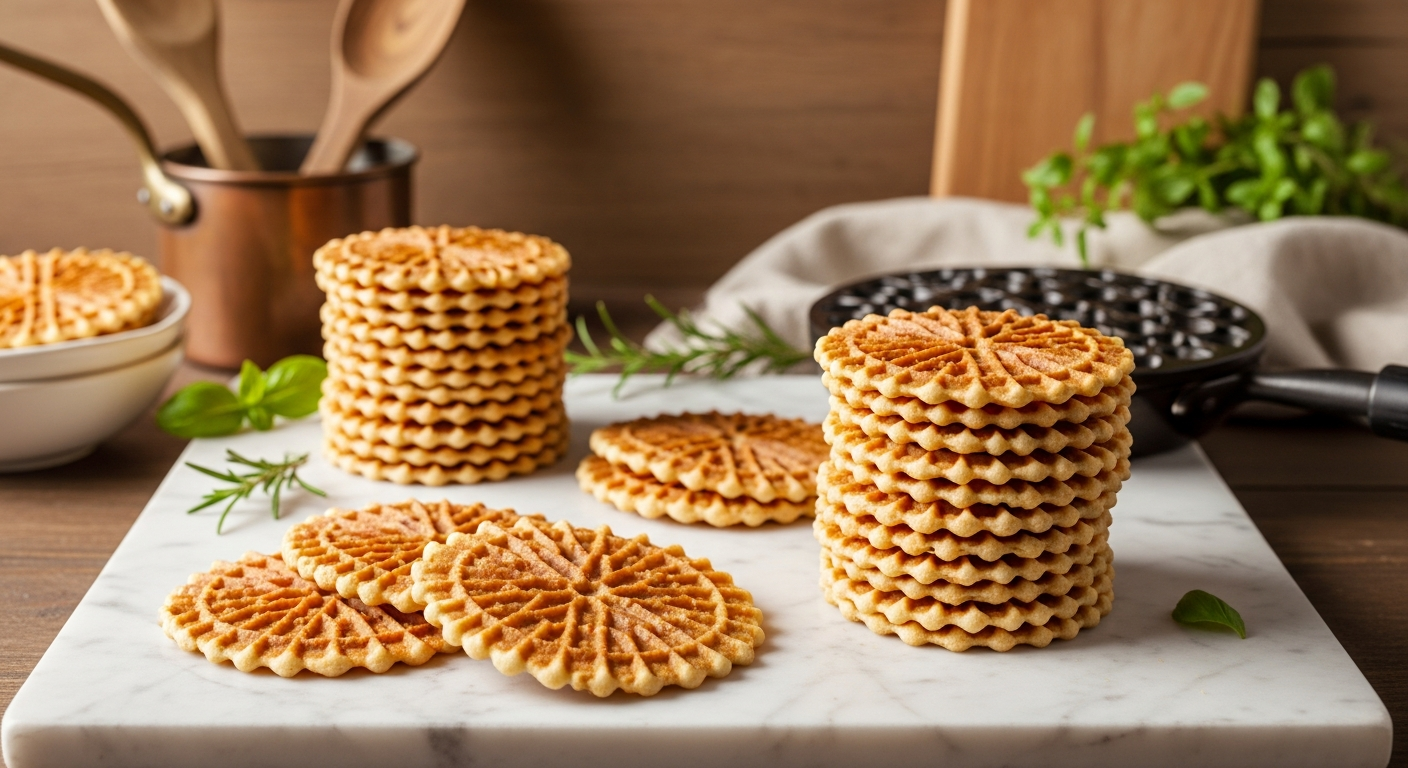
Pizzelle, originating from Italy, are thin, crisp cookies often flavored with anise. Traditionally baked for festive occasions, they boast intricate patterns from special irons. Their lightness and delicate flavor make them a timeless favorite.
Pizzelle Recipe
Ingredients:
- 3 eggs
- 3/4 cup sugar
- 1/2 cup butter (melted)
- 1 tablespoon vanilla extract
- 1 teaspoon anise extract
- 1 3/4 cups flour
- 2 teaspoons baking powder
Instructions:
- Beat eggs and sugar until thick.
- Stir in melted butter, vanilla, and anise extracts.
- Sift in flour and baking powder. Mix until smooth.
- Preheat pizzelle iron. Drop batter onto iron.
- Close iron and cook until golden.
- Cool on wire rack. Serve dusted with sugar.
Baker’s notes: Not a fan of anise? Swap it for the same amount of vanilla, lemon zest, or almond extract — the batter is forgiving and the iron does all the textural work. Pizzelle firm up as they cool, so pull them off the iron while they still look slightly soft; if you want a shaped cookie (like the classic cannoli-style cone), you have only a few seconds after removing them from the iron to roll them before they set crisp.
How These Four Cookies Compare
What makes this particular lineup worth baking as a set, rather than picking just one, is how differently each recipe gets you to “cookie.” Alfajores are a rolled-and-cut sandwich cookie, built for a soft, sandy crumb that can hold a wet filling without collapsing. Stroopwafels use a yeasted, rolled dough pressed thin in an iron — closer to a wafer than a drop cookie, and the only one of the four assembled while still hot. Anzac biscuits are the simplest mechanically: no eggs, no iron, just melted fat and syrup stirred into dry ingredients and dropped onto a tray, which is exactly why they held up on a months-long sea voyage to soldiers overseas. Pizzelle sit closest to a cake batter, poured thin and cooked almost instantly by direct contact with a hot iron.
If you are building baking skills rather than just baking cookies, that spread is the real reason to make all four: cutting and filling technique from the alfajores, iron-work and hot-assembly timing from the stroopwafels and pizzelle, and simple one-bowl mixing from the Anzac biscuits. Moving beyond the familiar chocolate chip, these four recipes are a genuinely useful sampler of baking methods that most home bakers never get to practice in one sitting.
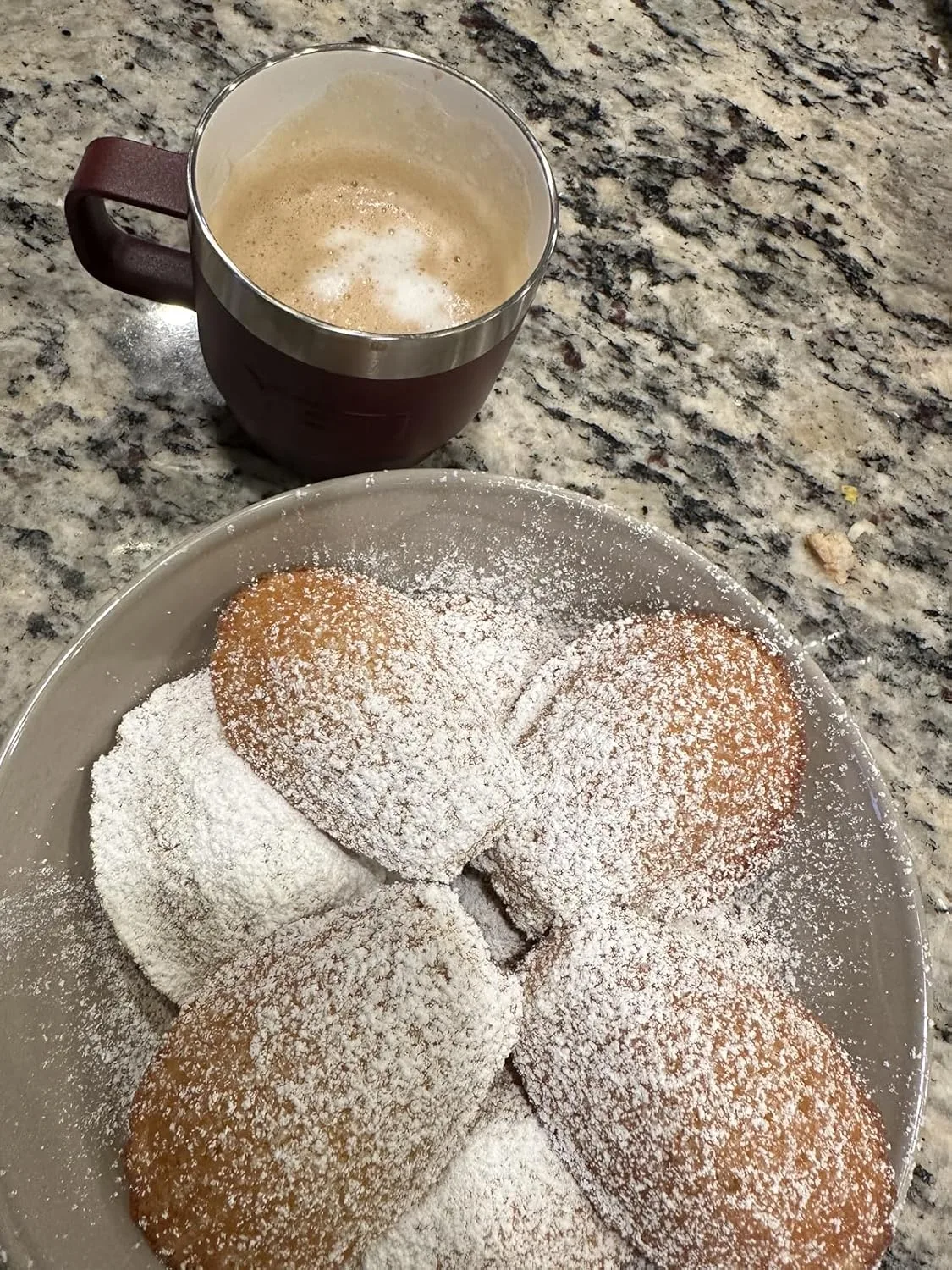
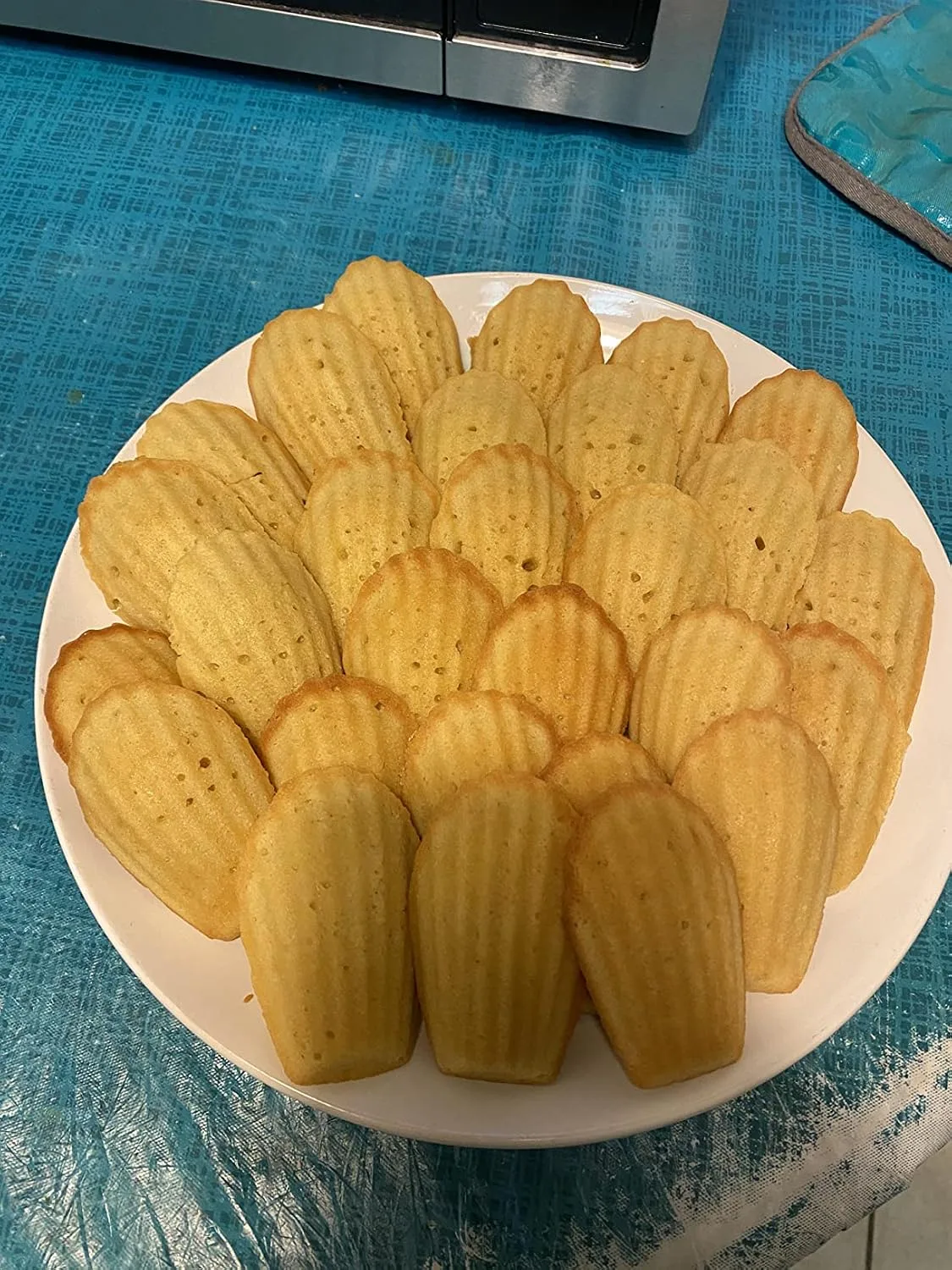
The Madeleine Pan That Finally Let Me Nail Those Delicate French Shells
Madeleines are notoriously fussy — they demand even heat distribution and the right pan geometry to achieve that signature hump and tender crumb. After years of uneven browning and flat failures, I realized my makeshift muffin tins weren’t cutting it.
What works
- The deeper wells create that perfect domed shape naturally — no guessing about batter depth or bake time adjustments between batches.
- Heavy-gauge construction distributes heat evenly, so golden edges don’t show up before the centers are set, which was my constant frustration with thinner pans.
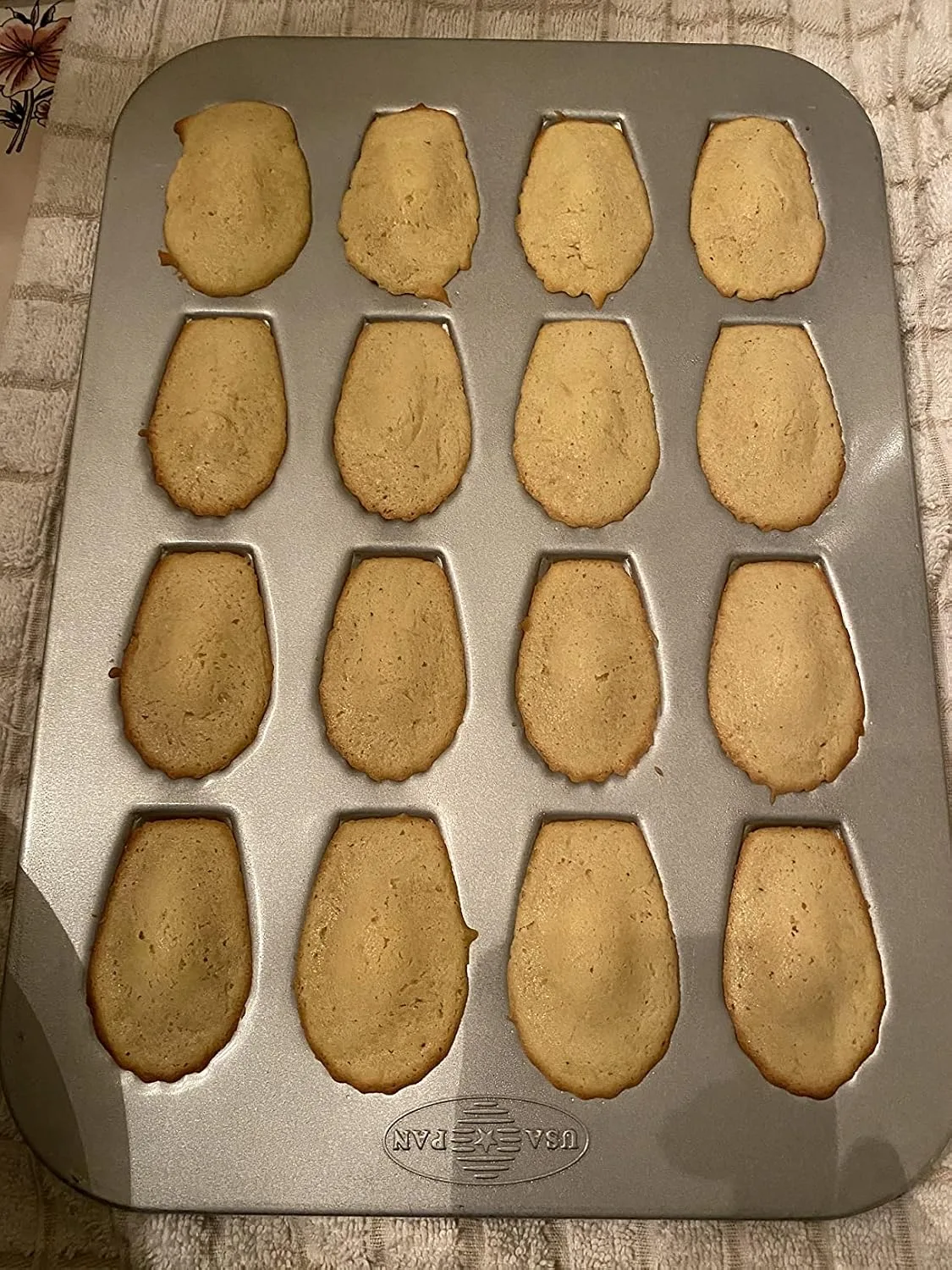
- The non-stick coating actually releases these delicate cookies cleanly without sticking to the hump, which mattered more than I expected when I first started making them.
What doesn’t
- The coating can wear if you’re aggressive with washing — I’ve learned to hand wash and dry immediately, which adds a step to cleanup.
- It only makes 12 madeleines per batch, so if you’re feeding a crowd, you’re baking multiple rounds, which tested my patience on more than one occasion.
I almost returned mine after the first batch stuck slightly in two shells, convinced I’d bought the wrong thing — but that was operator error from not buttering thoroughly enough. Once I dialed in my prep, every single madeleine released perfectly. Grab a madeleine pan if you’re serious about making these French beauties at home.
About This Article

Written by Margaret Chen. Margaret Chen is a home baker and recipe developer with over 15 years of experience perfecting cookie recipes through rigorous testing and detailed experimentation. She tests every recipe multiple times, documents every variable, and applies the same rigor professional bakers use, with the warmth and accessibility of home baking. More about this site.
Scope and limits. Margaret is a home baker and recipe developer with no formal culinary training. Follow current food safety guidance for egg handling, storage, and anything you are serving to other people.
Verify this against a primary source
Specifics change, and your situation may differ from the one described here. These are the authorities worth checking directly:
- USDA FoodData Central — ingredient composition and nutrition data
- FoodSafety.gov — safe handling, storage and egg safety