
Exploring the Unique Flavors of Japanese and Korean Cookies
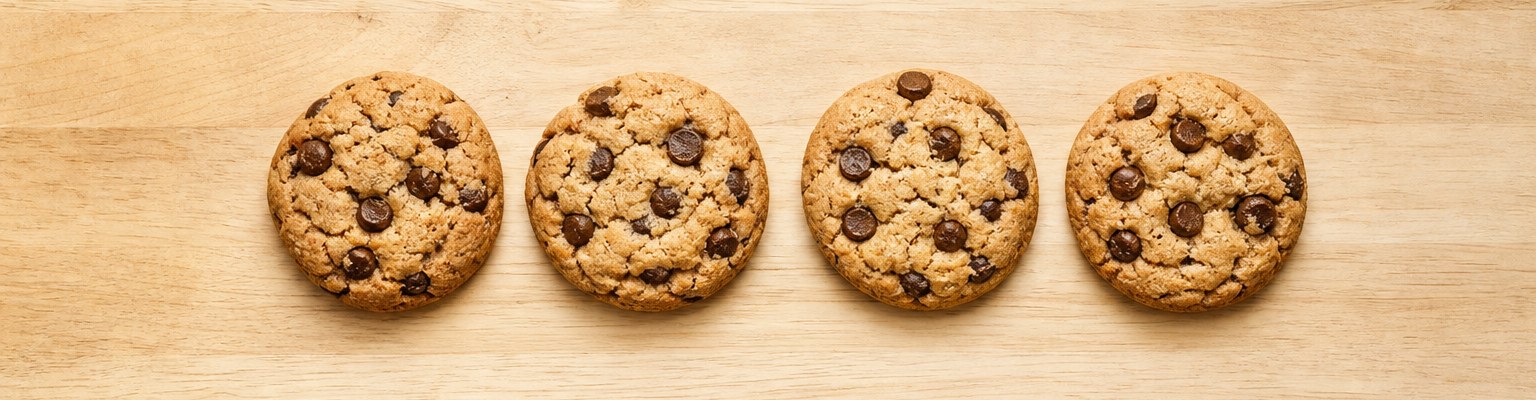
Japanese and Korean cookies offer a delightful blend of traditional and modern flavors. These cookies, with their unique textures and tastes, are becoming increasingly popular worldwide. In this article, we will explore some of the most popular cookies from each country, their distinct characteristics, and what makes them special.
Japanese Cookies: Tradition Meets Innovation
Japanese cookies often reflect the country’s rich cultural heritage and culinary innovation. Many traditional cookies have been enjoyed for centuries, while contemporary versions incorporate new flavors and ingredients.
Mochi Cookies
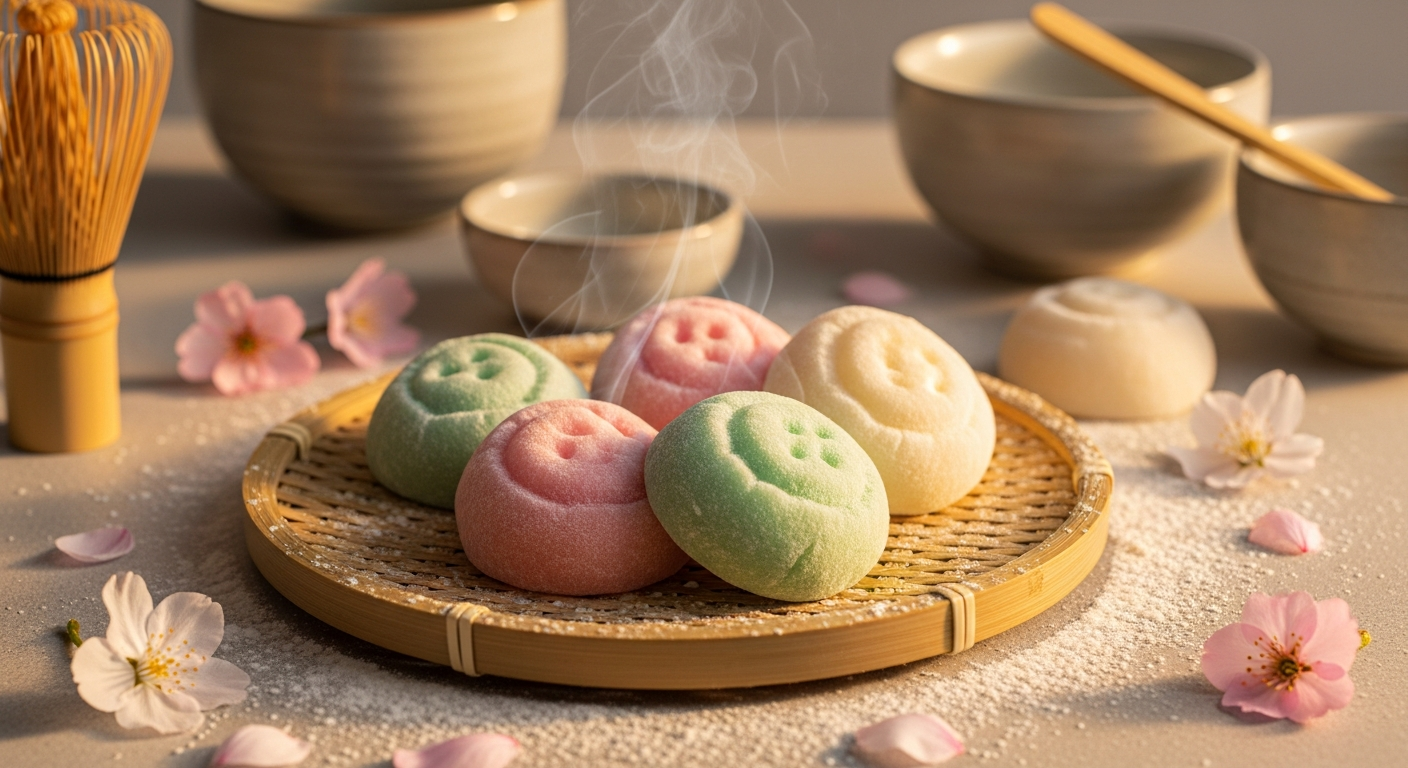
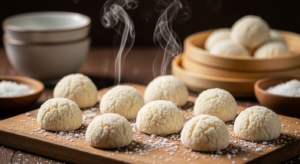
Mochi cookies stand out for their chewy texture derived from glutinous rice flour. These cookies are often filled with sweet bean paste or flavored with matcha, providing a delicate balance of sweetness and earthiness. Mochi cookies are a modern twist on the traditional mochi dessert, combining the familiar chewiness with the crispness of a cookie.
Mochi Cookies Recipe
Ingredients:
- 1 cup glutinous rice flour
- 1/2 cup sugar
- 2 tablespoons matcha powder
- 1/4 cup butter, melted
- 1/2 cup red bean paste
Instructions:
- Preheat the oven to 350°F (175°C) and line a baking sheet with parchment paper.
- In a bowl, mix glutinous rice flour, sugar, and matcha powder.
- Stir in melted butter until the mixture forms a dough.
- Roll dough into small balls, flatten slightly, and place a teaspoon of red bean paste in the center.
- Seal the edges, roll back into a ball, and place on the baking sheet.
- Bake for 12-15 minutes or until the edges are lightly golden.
Senbei: The Savory Side

Senbei are traditional Japanese rice crackers, often seasoned with soy sauce or seaweed. They are known for their crunch and savory flavor, making them a popular snack. Though not a traditional “cookie,” senbei’s presence in Japanese snack culture is significant.
Korean Cookies: A Blend of Sweet and Savory
Korean cookies, like their Japanese counterparts, often combine traditional flavors with modern twists. They reflect Korea’s rich culinary history and the influence of neighboring cultures.
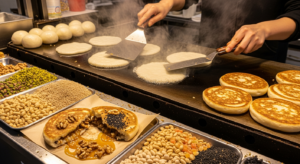
Yakgwa: The Honey Cookie

Yakgwa is a traditional Korean cookie made with wheat flour, sesame oil, honey, and ginger. These cookies are deep-fried and soaked in a honey syrup, resulting in a sweet and aromatic treat. Historically, yakgwa was reserved for special occasions and ceremonies.
Yakgwa Recipe
Ingredients:
- 2 cups all-purpose flour
- 1/2 cup sesame oil
- 1/2 cup honey
- 1 teaspoon ground ginger
- 1 cup sugar
- 1 cup water
Instructions:
- In a bowl, mix flour, sesame oil, and ground ginger until crumbly.
- Add honey and knead to form a dough.
- Roll out the dough and cut it into small pieces.
- Heat oil in a pan and fry the pieces until golden brown.
- In a separate pot, boil sugar and water to make syrup.
- Dip the fried cookies into the syrup and let them cool.
Comparing Japanese and Korean Cookies
The culinary landscapes of Japan and Korea, while sharing a foundational appreciation for natural ingredients and aesthetic presentation, diverge beautifully when it comes to their beloved cookies. These sweet treats offer a fascinating study in regional preferences, historical influences, and evolving tastes.
Japanese Cookies: A Symphony of Subtlety and Texture
Japanese cookies often excel in their delicate balance and masterful use of texture. Rather than overwhelming the palate, they invite contemplation through nuanced flavors and satisfying mouthfeels.
- Refined Flavor Profiles:
- Natural Essences: Flavors are typically derived from natural sources like matcha (green tea), yuzu (citrus), sakura (cherry blossom), kinako (roasted soybean flour), or various beans. These ingredients lend a gentle sweetness and an earthy or floral undertone that is never cloying.
- Umami Hints: Sometimes, a subtle hint of umami can be detected, especially in creations using ingredients like seaweed or certain types of tea, adding another layer of complexity.
- Textural Innovation: Beyond the famous chewiness of mochi, Japanese confectioners create a diverse array of textures:
- Mochi-based Delights: Think of Daifuku, soft mochi pillows often filled with sweet red bean paste (anko), or Ichigo Daifuku, which encases a whole fresh strawberry. The unique elasticity and slight stickiness are central to their appeal.
- Crisp and Melt-in-Your-Mouth: Many Western-inspired Japanese cookies, like sable or langues de chat, are crafted with an exquisite crispness that dissolves on the tongue, often infused with Japanese ingredients like matcha or black sesame.
- Delicate and Crumbly: Traditional wagashi (Japanese confections), particularly Higashi (dry sweets), can be incredibly delicate, pressed from fine sugar and flours into intricate shapes that crumble elegantly.
- Aesthetic Presentation: Japanese cookies are often miniature works of art, reflecting the seasons and natural beauty. Their visual appeal is as important as their taste, making them perfect for gifting or tea ceremonies.
Korean Cookies: Boldness, Sweetness, and Hearty Tradition
In contrast, Korean cookies often embrace a bolder, more assertive sweetness and a satisfying richness that speaks to their historical roots and communal enjoyment.
- Distinctive Flavor Profiles:
- Honey and Spice: Many traditional Korean cookies, like yakgwa, are characterized by a deep sweetness derived from honey or jocheong (grain syrup), often spiced with ginger or cinnamon. This combination creates a warm, comforting, and distinctly aromatic experience.
- Nutty and Earthy: Ingredients like sesame oil, toasted sesame seeds, chestnuts, and various bean flours contribute rich, earthy, and nutty undertones that provide depth to their sweetness.
- Deep-Fried Indulgence: A significant number of traditional Korean cookies are deep-fried, which imparts a wonderful chewiness or crispness and allows them to absorb glazes and syrups more effectively.
- Iconic Korean Cookie Examples:
- Yakgwa (Korean Honey Cookies): These beautiful, often flower-shaped cookies are a prime example. Made from wheat flour, sesame oil, and ginger juice, they are deep-fried until golden and then soaked in a honey-ginger syrup, resulting in a rich, dense, and deeply sweet treat.
- Dasik (Tea Confections): While less sweet than yakgwa, dasik are pressed cookies made from various powders (chestnut, sesame, pine pollen, soybean) and honey, molded into intricate designs. They offer a refined, earthy sweetness meant to complement tea.
- Gangjeong (Puffed Grain/Nut Sweets): These sticky, crunchy confections feature puffed rice, grains, or nuts coated in a sweet syrup, often flavored with ginger or rice wine. They are a festive and satisfying snack.
- Gyeongdan (Glutinous Rice Balls): Similar in concept to mochi, gyeongdan are boiled glutinous rice flour balls often coated in various powders like toasted sesame seeds, soybean powder, or red bean paste, offering a delightful chewiness.
A Harmonious Blend: Tradition Meets Modernity
Both Japanese and Korean cookie cultures are dynamic, showcasing a fascinating interplay between time-honored techniques and contemporary innovation.
- Preserving Heritage:
- Ancient Recipes: Many traditional recipes, passed down through generations, are meticulously preserved, ensuring the continuation of authentic flavors and textures.
- Ceremonial Significance: Both cuisines feature cookies with deep cultural or ceremonial significance, often served during holidays, weddings, or specific rituals, reinforcing their connection to heritage.
- Artisanal Craftsmanship: The making of these cookies often involves skilled artisans who dedicate years to mastering the intricate techniques and aesthetic presentations.
- Embracing Modernity:
- Fusion Flavors: Modern patisseries in both countries experiment with global ingredients, incorporating elements like chocolate, Western fruits, or unique spices into traditional forms.
- Contemporary Aesthetics: While respecting tradition, new designs, packaging, and presentation styles emerge, appealing to younger generations and a global market.
- Health-Conscious Adaptations: There’s a growing trend towards healthier versions, using less sugar, alternative flours, or incorporating superfoods, reflecting modern dietary preferences.
Ultimately, whether savoring the delicate artistry of a Japanese wagashi or indulging in the robust sweetness of a Korean yakgwa, one experiences a rich tapestry of flavors, textures, and cultural narratives. Each cookie tells a story, beautifully blending the wisdom of the past with the creativity of the present.
Conclusion
Japanese and Korean cookies provide a fascinating glimpse into the culinary traditions of their respective countries. From the chewy mochi cookies to the sweet and fragrant yakgwa, these treats offer something for everyone to enjoy. As these cookies continue to gain popularity globally, they invite us to explore and appreciate the diverse flavors of Asian desserts.
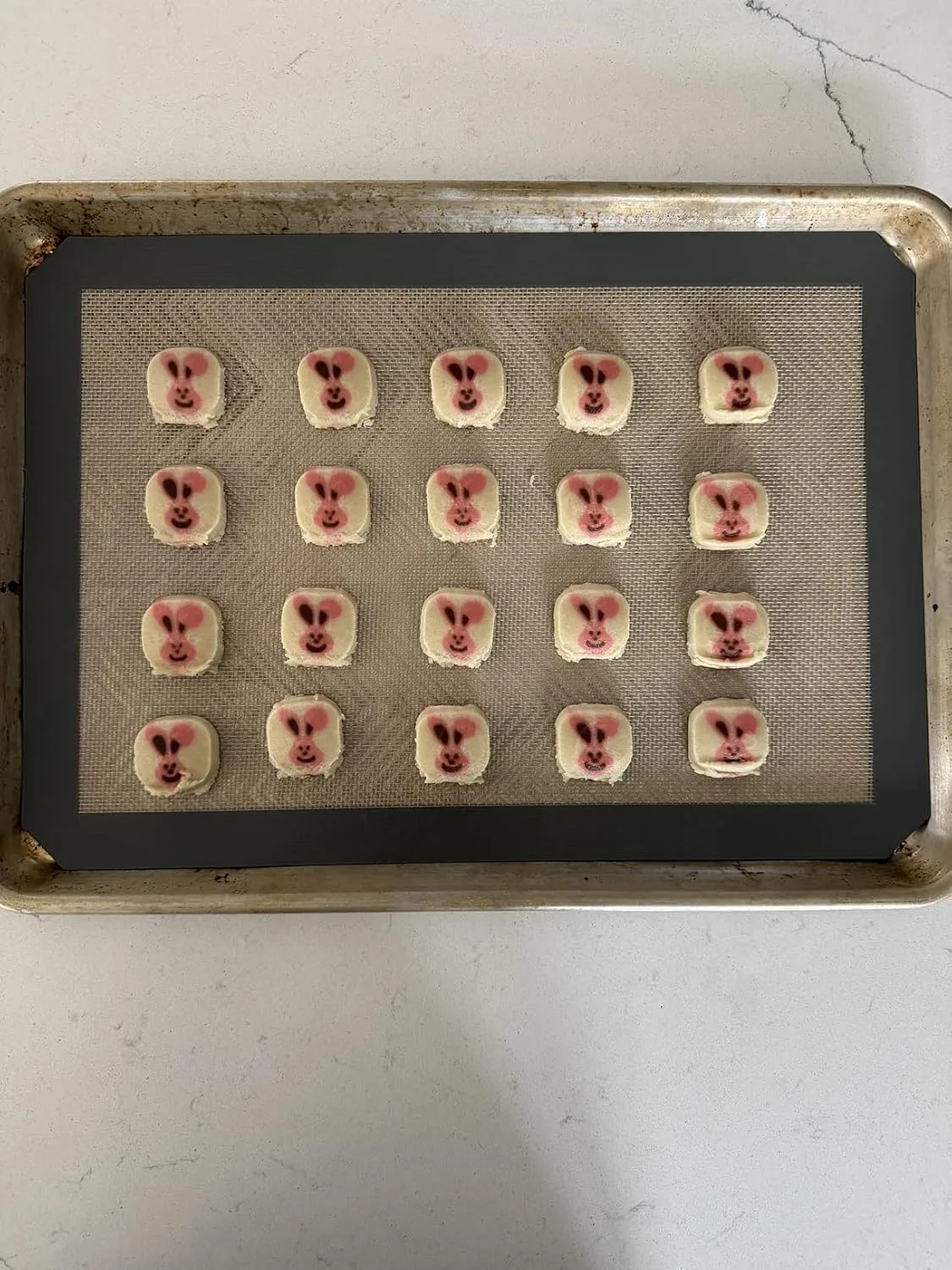
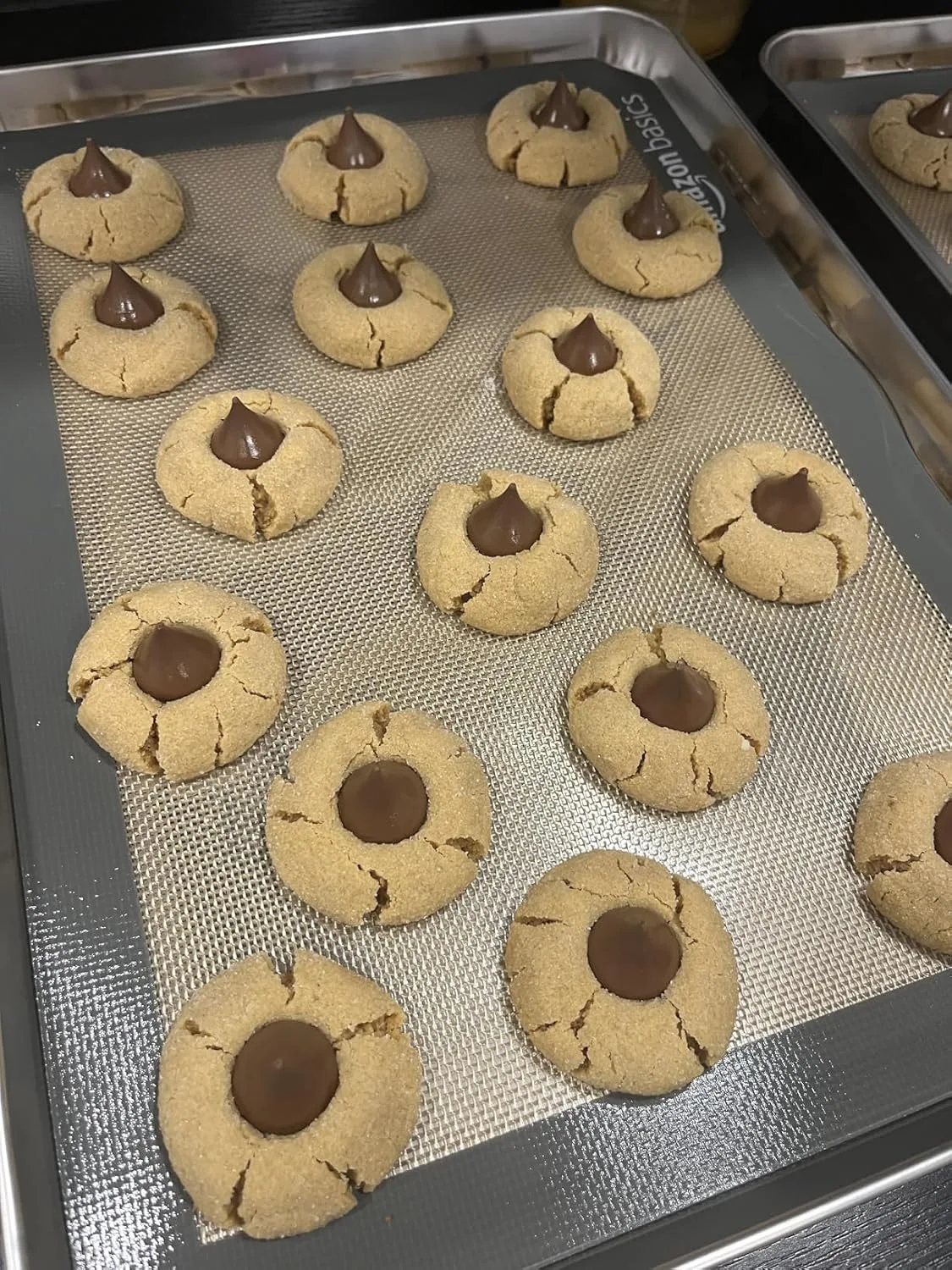
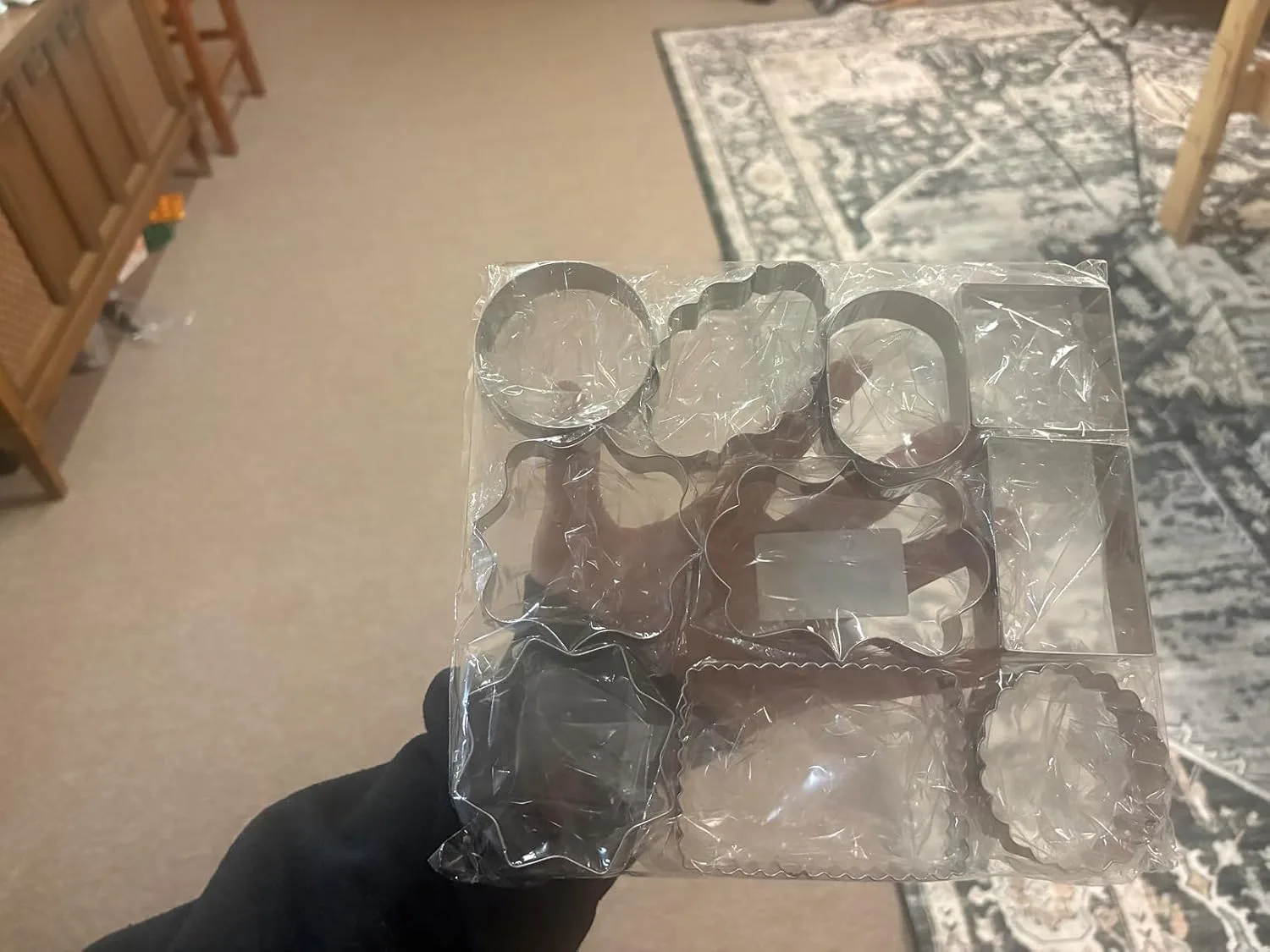
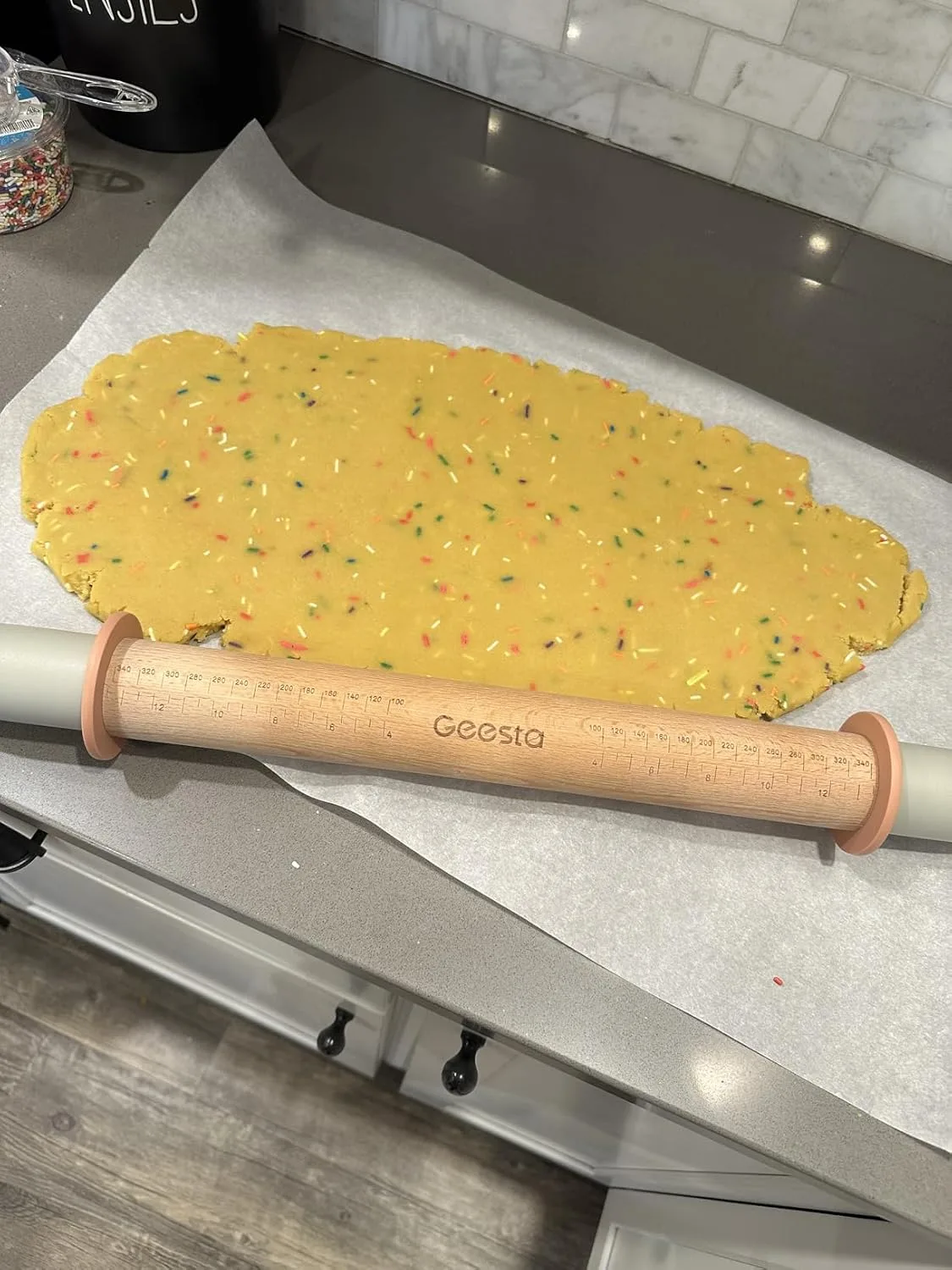
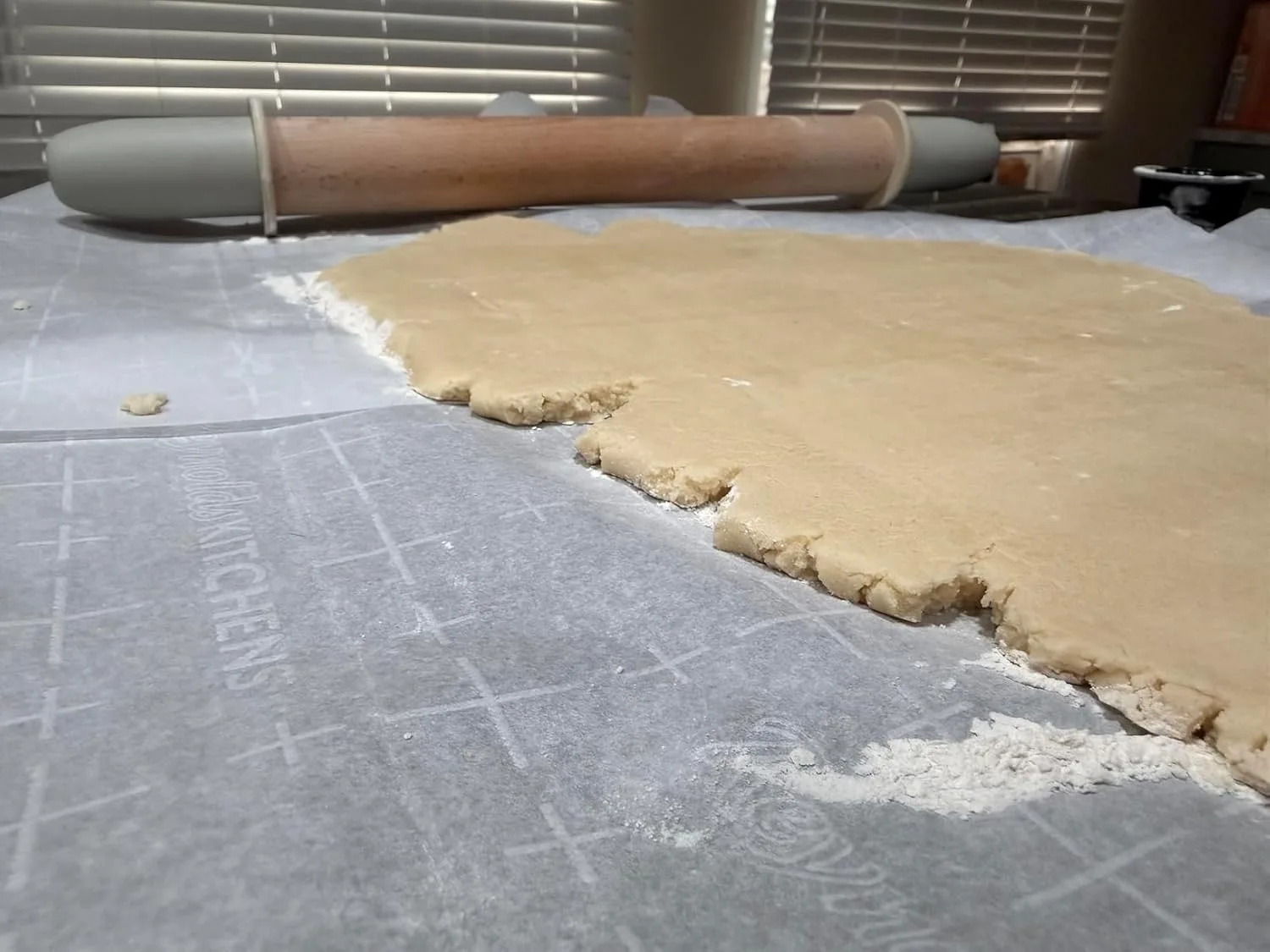
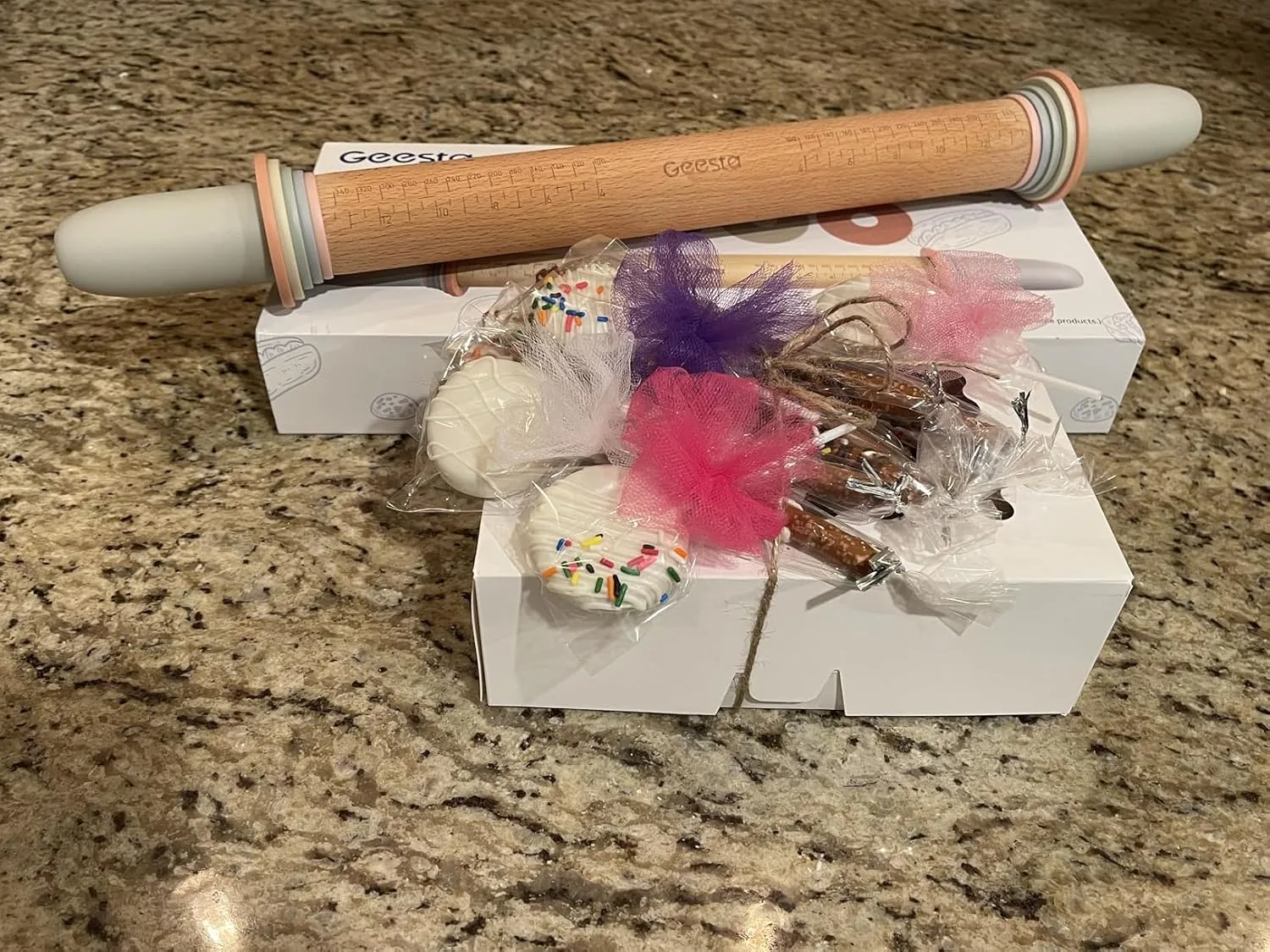
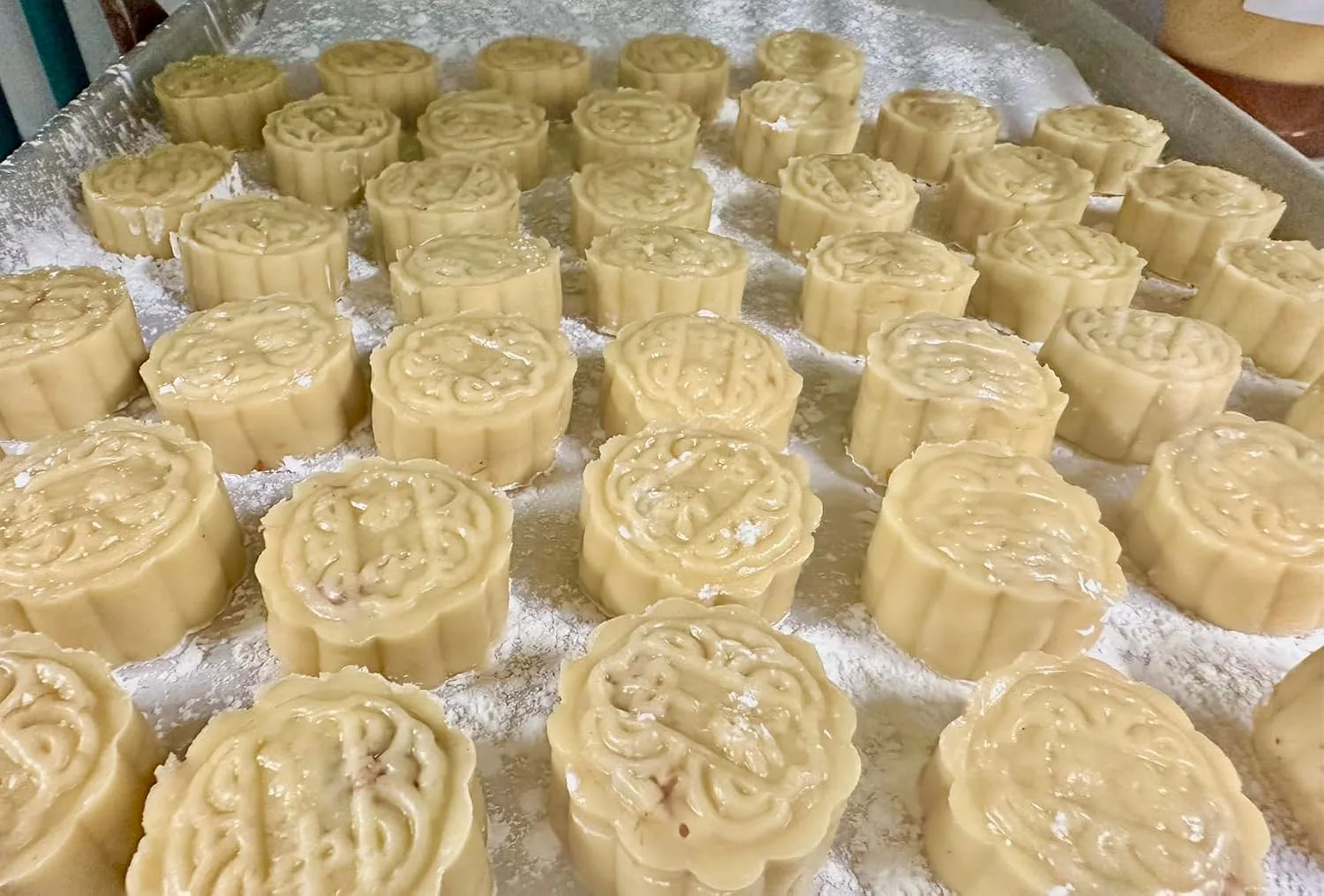
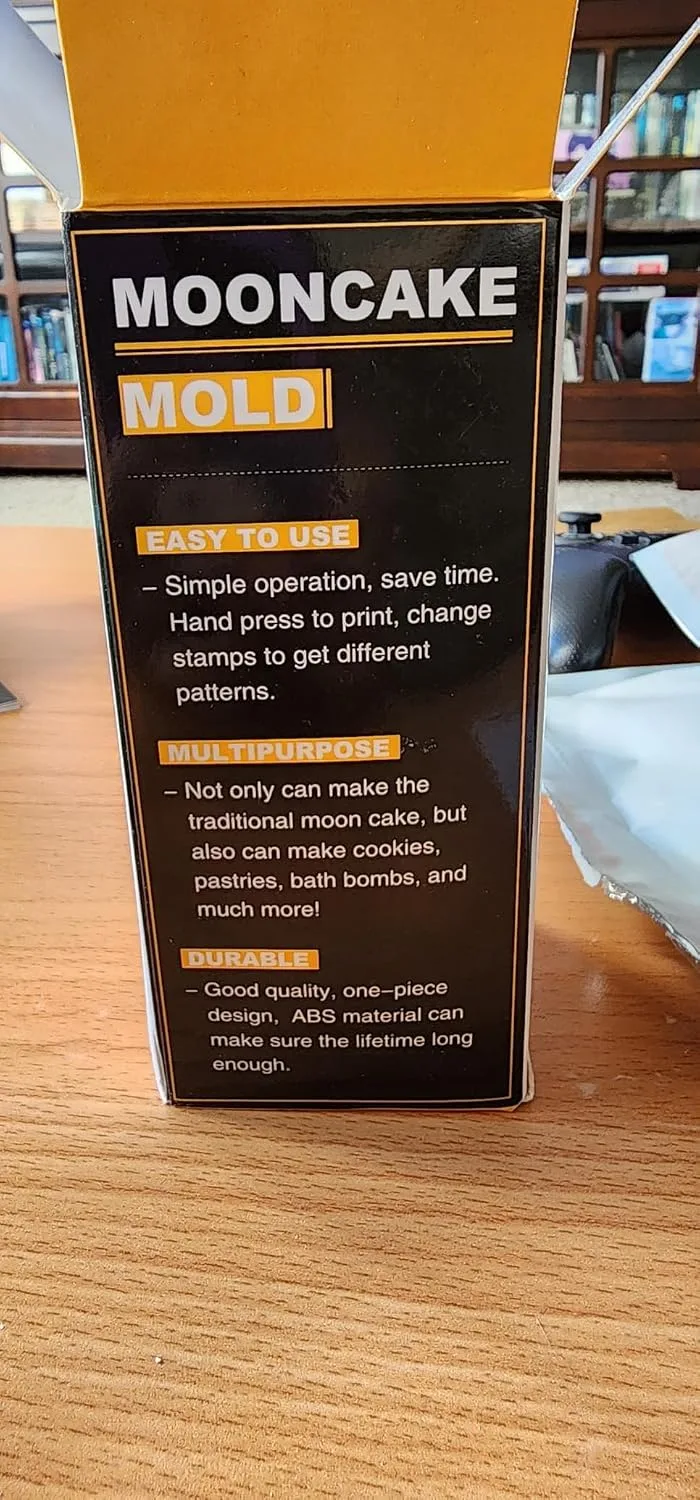
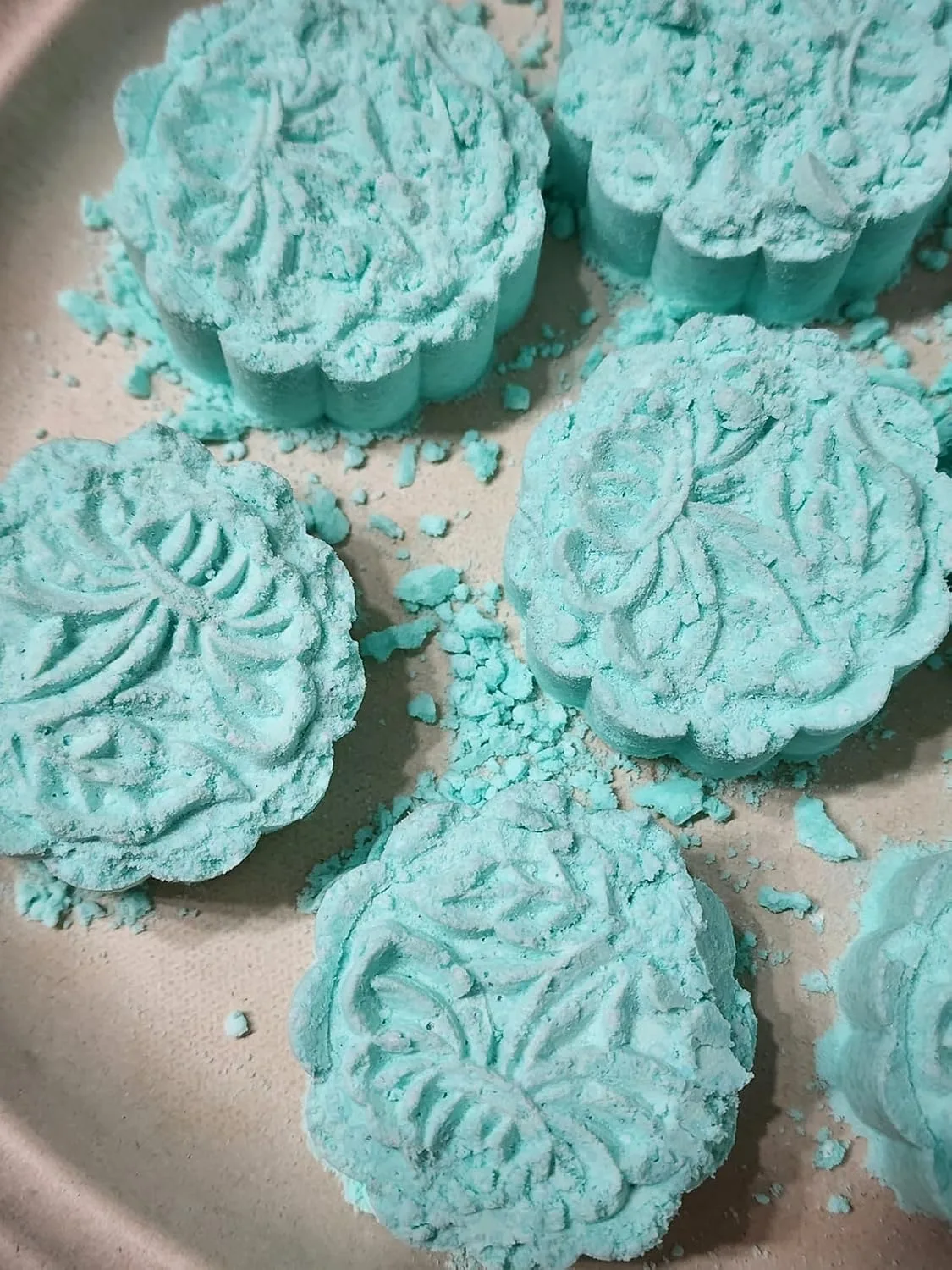
For professional cookie baking results, a quality asian cookie cutter set is an essential addition to your kitchen toolkit. Additionally, a wooden rolling pin provides the right balance of weight and control to achieve the perfect dough thickness. You’ll also find that a non-stick baking mat is a reusable alternative to parchment paper that prevents sticking and ensures easy cleanup. Another essential tool is mooncake mold creates beautiful, authentic designs for traditional Asian cookies with intricate patterns. Finally, a OXO Good Grips 14-Piece Cookie Press Set allows you to create uniform, professional-looking cookies with consistent shapes and ease.
Why Asian Cookie Cutters Finally Solved My Shape Consistency Problem
When you’re working with delicate Japanese and Korean cookie doughs—especially matcha shortbread and sesame varieties—generic round cutters just don’t cut it. I spent years trying to improvise with whatever was in my drawer, and the results were always inconsistent; these region-specific cutters finally gave me the precision I needed to capture the authentic look these cookies deserve.
What works
- The edges are sharper than my old stainless steel cutters, which means cleaner release from the dough and less re-rolling waste on delicate batters.
- Having multiple small, detailed shapes actually encourages me to think more intentionally about what I’m baking instead of defaulting to circles every time.
- The set includes enough variety that I can dress up a single batch of dough in three or four different ways, which makes plating for photos so much easier.
What doesn’t
- Some of the thinner cutters bend slightly if you’re working with a stiffer dough, so I’ve learned to warm them under my hands first or chill the dough longer.
- Hand-washing is non-negotiable; the intricate shapes trap dried dough, and the dishwasher doesn’t get into all the nooks.
I’ll admit I almost returned this set after my first batch of matcha cookies came out unevenly cut because I was rushing—but that was operator error, not the cutter. If you’re making Japanese or Korean cookies with any regularity, grab an asian cookie cutter set and give yourself permission to slow down.
About This Article

Written by Margaret Chen. Margaret Chen is a home baker and recipe developer with over 15 years of experience perfecting cookie recipes through rigorous testing and detailed experimentation. She tests every recipe multiple times, documents every variable, and applies the same rigor professional bakers use, with the warmth and accessibility of home baking. More about this site.
Scope and limits. Margaret is a home baker and recipe developer with no formal culinary training. Follow current food safety guidance for egg handling, storage, and anything you are serving to other people.
Verify this against a primary source
Specifics change, and your situation may differ from the one described here. These are the authorities worth checking directly:
- USDA FoodData Central — ingredient composition and nutrition data
- FoodSafety.gov — safe handling, storage and egg safety