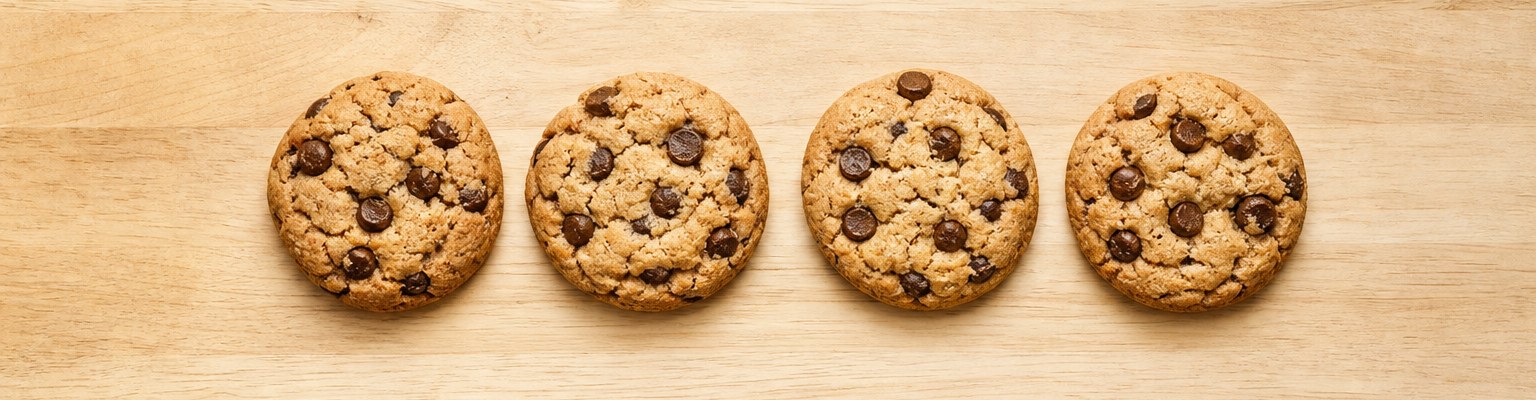

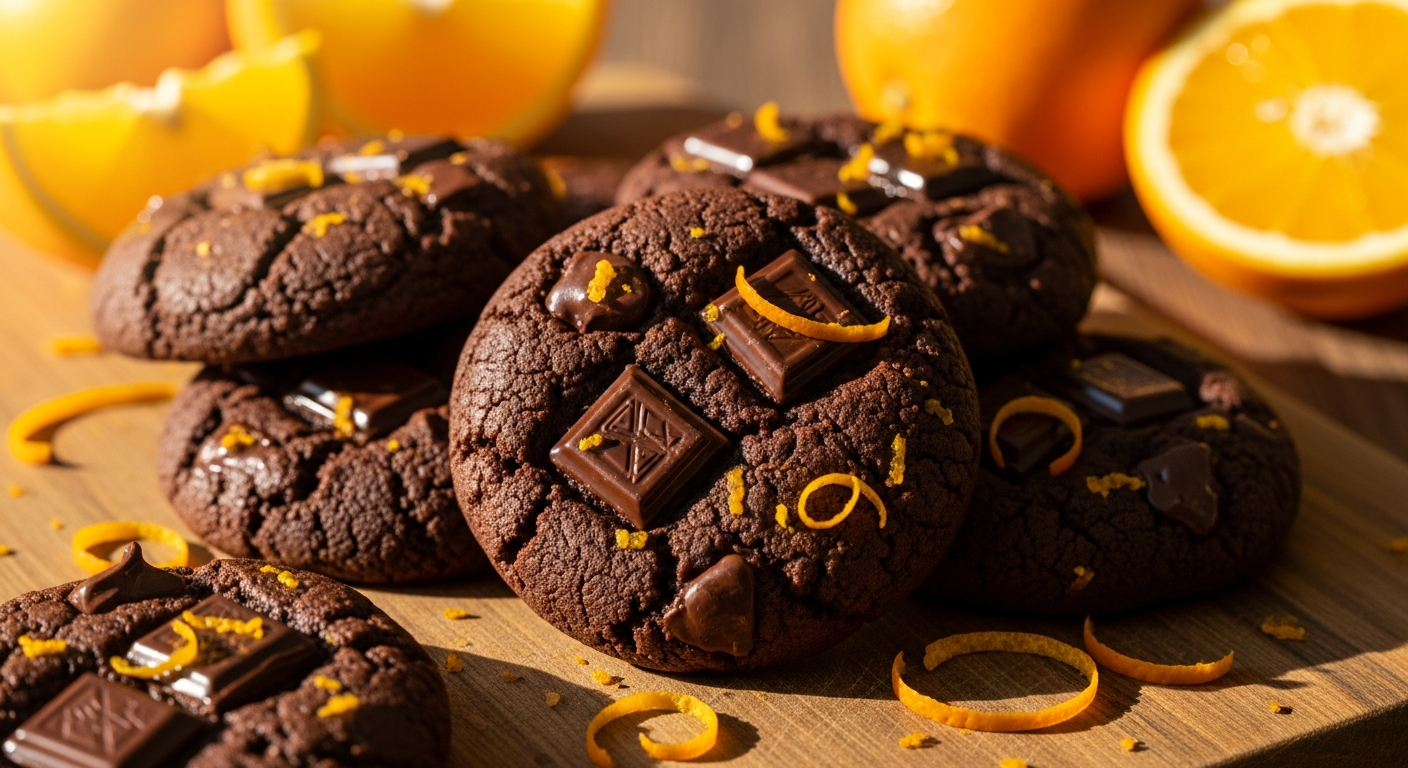
Gourmet Dark Chocolate Orange Zest Cookies
Rich dark chocolate and bright orange zest cookies with sophisticated, complex flavors.
Ingredients
- 2¼ cups all-purpose flour
- 1 tsp baking soda
- 1 tsp salt
- 1 cup unsalted butter, softened
- ¾ cup granulated sugar
- ¾ cup packed brown sugar
- 2 large eggs
- 2 tsp vanilla extract
- 2 tbsp fresh orange zest
- 8 oz dark chocolate (70% cocoa), chopped
- ½ cup dark chocolate chips
Instructions
- Preheat oven to 375°F and line baking sheets with parchment paper.
- Whisk together flour, baking soda, and salt in a medium bowl.
- Cream softened butter with both sugars using an electric mixer until light and fluffy, about 3-4 minutes.
- Beat in eggs one at a time, then add vanilla extract and orange zest.
- Gradually mix in flour mixture until just combined, avoiding overmixing.
- Fold in chopped dark chocolate and chocolate chips using a wooden spoon.
- Drop rounded tablespoons of dough onto prepared baking sheets, spacing 2 inches apart.
- Bake for 9-11 minutes until edges are set but centers still appear slightly soft.
- Cool on baking sheets for 5 minutes before transferring to wire racks.
- Store in airtight containers for up to one week.
Notes
- Use organic oranges for fresher zest flavor.
- Chill dough for 30 minutes before baking if cookies spread excessively.
- Freeze up to three months for extended storage.
Dark chocolate and orange zest create a sophisticated cookie with complex flavors—bitter-sweet chocolate with aromatic citrus oils that elevate the whole dessert.
Understanding the Perfect Flavor Balance
Building upon the essential role of dark chocolate, its selection is paramount to crafting these exquisite orange exotic cookies. It’s not merely an ingredient but the very soul that anchors the vibrant citrus notes, providing a depth that elevates the entire profile.
The Unrivaled Foundation: Why Dark Chocolate Reigns Supreme
- A Symphony of Nuances: Far from being a one-note flavor, premium dark chocolate introduces a sophisticated spectrum of tastes. Expect notes that range from earthy and subtly bitter to hints of roasted coffee, red berries, or even floral undertones, depending on the bean origin and processing. These complex layers are what elevate the cookie beyond simple sweetness, adding an intriguing dimension that cheap chocolate simply cannot replicate.
- The Perfect Counterpoint to Citrus: The inherent bitterness and profound depth of dark chocolate act as an extraordinary foil to the bright, aromatic punch of orange zest. Instead of clashing, the chocolate’s robust character cuts through the citrus’s acidity and sweetness, creating a harmonious, multi-dimensional flavor experience. This classic pairing is celebrated for its ability to deliver both comforting richness and an invigorating zest, making each bite a journey of contrasting yet complementary sensations.
The Magic Number: The 70% Cocoa Sweet Spot
Choosing the right cocoa percentage is a critical decision that directly impacts the cookie’s overall profile.
- Achieving Flavor Intensity: A minimum of 70% cocoa content ensures a robust chocolate presence that can stand up to, rather than be overshadowed by, the potent orange zest. Lower percentages tend to contain significantly higher sugar levels, which would result in an overly sweet cookie, masking the delicate balance we aim for.
- Avoiding Overwhelming Sweetness: The higher cocoa content naturally means less added sugar. This allows the chocolate’s true flavor — its inherent bitterness and complex notes — to shine through, contributing to a more adult, sophisticated palate that truly highlights the exotic nature of the cookie without cloying sweetness.
- Decoding Labels: When selecting your chocolate, look for terms like “bittersweet chocolate” or “dark chocolate” with a clear percentage listed. Brands often specify the origin of their beans, which can hint at further flavor nuances (e.g., Ecuadorian chocolate for fruitier notes, West African for more classic deep chocolate).
Beyond Flavor: The Art of Quality Chocolate’s Texture
The tactile experience of these cookies is just as important as the taste, and this is where high-quality chocolate truly distinguishes itself.
- Seamless Integration: Superior chocolate, rich in cocoa butter, possesses an exceptional ability to melt smoothly and evenly. This translates into a luxurious, consistent texture within the cookie dough, preventing any graininess or clumping that can detract from the eating experience. It ensures that each bite offers a uniform, melt-in-your-mouth sensation.
- Consistent Flavor Distribution: When chocolate melts and disperses flawlessly, it guarantees that its profound flavor is distributed uniformly throughout every single cookie. This means no bite is solely orange, nor is any bite overwhelmingly chocolate; instead, you get that perfectly balanced, exotic harmony in every single morsel.
- Choosing Your Form: For optimal results, consider using high-quality chocolate bars (chopped into irregular pieces) or callets/fèves designed specifically for baking. These forms often indicate a higher quality product compared to standard chocolate chips, which sometimes contain stabilizers that prevent smooth, complete melting. Avoid compound chocolates, which substitute cocoa butter with cheaper vegetable fats and will not deliver the desired flavor or texture.
The Science Behind Orange Zest’s Flavor Magic
The aromatic oils found in orange zest work like tiny flavor bombs, releasing their potent essence the moment they’re incorporated into cookie dough. These oils contain powerful compounds such as:
- Limonene – the primary component responsible for that instantly recognizable citrus burst
- Myrcene – adds subtle floral and fruity undertones
- Alpha-pinene – contributes fresh, pine-like notes that enhance complexity
Creating the Perfect Flavor Balance
The bright acidity of citrus oils counteracts the richness of dark chocolate, preventing cookies from becoming overwhelmingly sweet—like adding lemon to hollandaise sauce.
Zest oranges fresh and add the zest directly to your butter and sugar mixture during creaming for maximum flavor distribution.
The Art of Proper Zesting Technique
Mastering the pith avoidance technique is crucial for achieving professional-quality results:
- Use a microplane grater for the finest, most even zest particles
- Rotate the orange frequently to avoid digging too deep into any one spot
- Stop at the first sign of white – even tiny amounts of pith can introduce unwanted bitterness
- Work with room temperature oranges for easier zesting and maximum oil release
The white pith contains bitter compounds that intensify when heated. Stay within the colorful outer layer to capture pure citrus essence without harsh aftertastes.
Maximizing Citrus Impact
For an even more intense orange experience, consider these flavor-boosting techniques:
- Rub zest into granulated sugar before mixing – this breaks down cell walls and releases additional oils
- Let zested dough rest for 30 minutes before baking to allow flavors to meld and develop
- Combine zest with orange extract (use sparingly – 1/4 teaspoon per dozen cookies) for deeper complexity
Essential Ingredients for Premium Results
Crafting an truly exotic orange cookie begins long before the oven preheats—it starts with a meticulous selection of ingredients. The difference between a good cookie and an unforgettable one lies in the quality and character each component brings to the mix.
The Foundation of Flavor: Why Premium Ingredients Matter
Elevating a simple cookie to an “exotic” experience demands a commitment to excellence at every step. This isn’t just about following a recipe; it’s about understanding how each ingredient contributes to the final symphony of taste and texture. Opting for premium, high-quality ingredients ensures:
- Superior Flavor Depth: Each element contributes a more pronounced, authentic taste profile.
- Optimal Texture: Ingredients interact to create the desired chewiness, crispness, or melt-in-your-mouth tenderness.
- Enhanced Aroma: The natural fragrance of quality ingredients fills the air, promising a delightful treat.
- Purity and Cleanliness: Avoiding unwanted additives or residues for a truly wholesome indulgence.
The Unsung Hero: European-Style Butter
Forget standard butter; for an orange exotic cookie, European-style butter is non-negotiable. Its distinct characteristics are pivotal to achieving that luxurious quality:
- Richness Redefined: With a higher butterfat content (typically 82-84% compared to 80% in American butter), it delivers an unparalleled richness. This translates to a deeper, more complex dairy flavor that envelops the bright orange notes, creating a harmonious balance.
- Perfecting Texture: The reduced water content in European butter is a game-changer for cookie texture. Less water means less gluten development in the flour, resulting in a significantly more tender, crumbly, and melt-in-your-mouth cookie. It also aids in achieving a desirable crispness on the edges while maintaining a soft interior.
- Golden Browning: The higher fat content also contributes to more even and beautiful browning, adding to the cookie’s visual appeal and deepening its caramelized notes.
The Binding Brilliance: Fresh Eggs
Beyond merely holding ingredients together, fresh, high-quality eggs play a multifaceted role in the success of your exotic cookie:
- Exceptional Binding: The proteins in fresh eggs coagulate when heated, creating the essential structure that binds the dough together. This prevents the cookies from crumbling and ensures a cohesive, satisfying bite.
- Moisture and Tenderness: Eggs introduce crucial moisture into the dough, contributing to a soft, pliable texture that remains tender even after baking. This moisture also helps to keep the cookies from drying out too quickly.
- Emulsification: The lecithin in egg yolks acts as a natural emulsifier, helping to create a smooth, homogenous batter where fat and water can coexist beautifully. This leads to a more uniform texture in the final cookie.
- Enrichment and Color: Fresh yolks impart a subtle richness and a lovely golden hue, enhancing both the flavor and visual appeal of your creation. For best results, allow eggs to come to room temperature before mixing for better incorporation.
The Heart of the Exotic: Organic Orange Zest
The “orange exotic” in our cookie hinges entirely on the zest, and here, organic is paramount for several compelling reasons:
- Unrivaled Vibrant Flavor: The zest of an orange contains the highest concentration of its aromatic oils—the very essence of its flavor. Organic oranges, grown without synthetic pesticides, often boast a purer, more intense citrus aroma and taste that is simply unmatched. This vibrancy will shine through, providing that unmistakable exotic burst.
- Purity Without Compromise: When using zest, you’re scraping the outermost layer of the fruit. This is precisely where pesticide residues tend to accumulate. Opting for organic ensures you’re introducing only the clean, unadulterated flavor of the orange, free from any chemical aftertaste that could detract from the cookie’s delicate profile.
- Enhanced Aroma: The natural oils in organic zest release a more potent and pleasant fragrance, elevating the sensory experience from the moment you begin baking.
- Maximizing Potency: Use a microplane zester to capture only the brightly colored outer layer, avoiding the bitter white pith beneath, to ensure the purest, most concentrated orange essence.
Use all-purpose flour for structure, brown sugar for depth and moisture, and granulated sugar for sweetness and spreading. A touch of vanilla enhances all other flavors without competing.
Master Recipe: Gourmet Dark Chocolate Orange Zest Cookies
Gourmet Dark Chocolate Orange Zest Cookies
Ingredients:
- 2¼ cups all-purpose flour
- 1 tsp baking soda
- 1 tsp salt
- 1 cup unsalted butter, softened
- ¾ cup granulated sugar
- ¾ cup packed brown sugar
- 2 large eggs
- 2 tsp vanilla extract
- 2 tbsp fresh orange zest
- 8 oz dark chocolate (70% cocoa), chopped
- ½ cup dark chocolate chips
Instructions:
- Preheat oven to 375°F and line baking sheets with parchment paper.
- Whisk together flour, baking soda, and salt in a medium bowl.
- Cream softened butter with both sugars using an electric mixer until light and fluffy, about 3-4 minutes.
- Beat in eggs one at a time, then add vanilla extract and orange zest.
- Gradually mix in flour mixture until just combined, avoiding overmixing.
- Fold in chopped dark chocolate and chocolate chips using a wooden spoon.
- Drop rounded tablespoons of dough onto prepared baking sheets, spacing 2 inches apart.
- Bake for 9-11 minutes until edges are set but centers still appear slightly soft.
- Cool on baking sheets for 5 minutes before transferring to wire racks.
- Store in airtight containers for up to one week.
Professional Zesting Techniques
Use a microplane grater to remove only the colorful outer peel in long, smooth strokes. Wash oranges first, zest before juicing, and warm them to 70°F for maximum oil extraction.
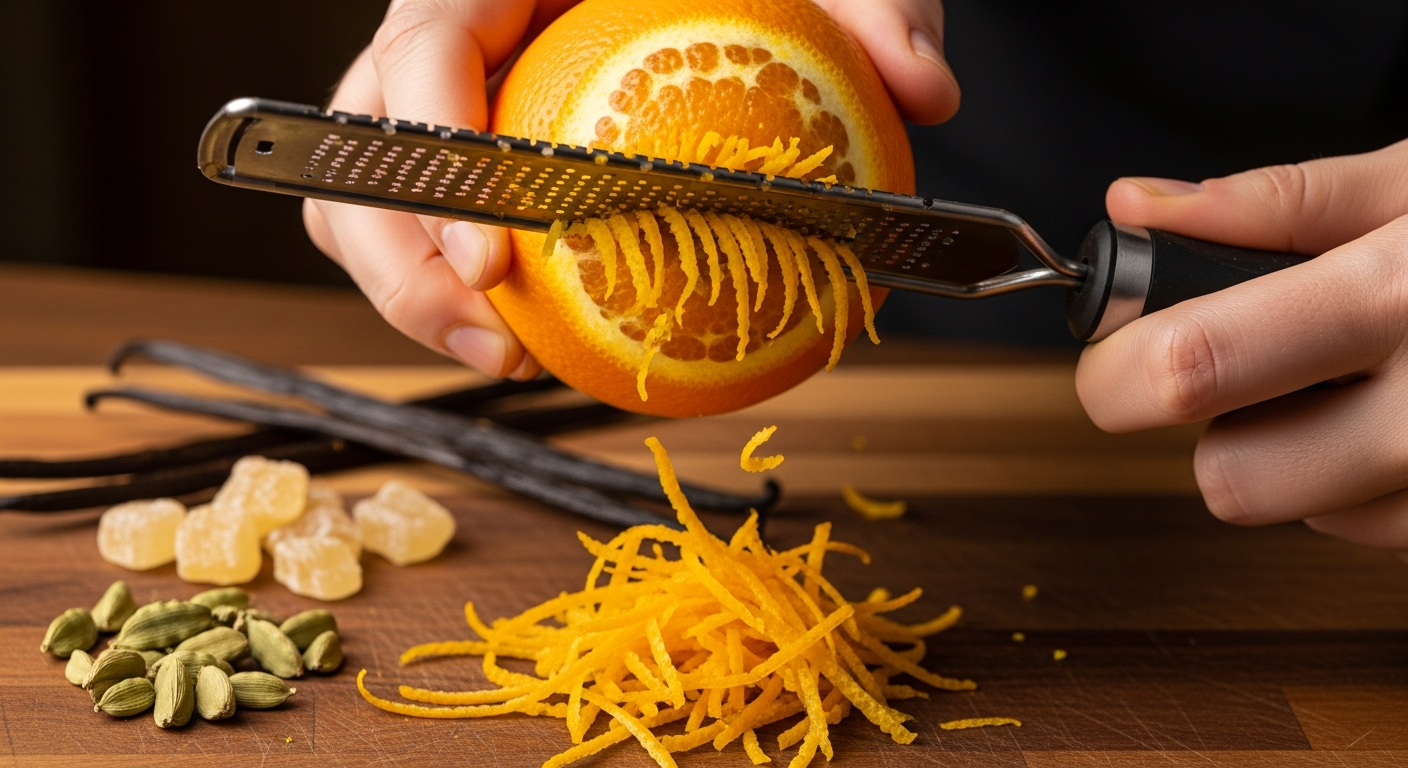
Remove oranges from the fridge 30 minutes before zesting so they're at room temperature.
Chocolate Selection and Preparation
The Chocolate Selection Process: A Deep Dive
Single-origin chocolates from Madagascar, Ecuador, or Venezuela each contribute unique characteristics—Madagascar vanilla notes, Ecuadorian floral hints, or Venezuelan nutty undertones that complement orange beautifully.
Understanding Chocolate Percentages for Orange Cookies
- 60-70% cacao: Provides balanced sweetness that won’t compete with orange’s brightness
- 70-80% cacao: Delivers intense chocolate flavor that creates sophisticated contrast
- 80%+ cacao: Best reserved for experienced bakers seeking bold, bitter notes
Premium Brand Breakdown
Valrhona’s Excellence:
- Manjari 64% offers Madagascar vanilla notes that enhance orange aromatics
- Guanaja 70% provides deep complexity without overwhelming citrus elements
- Consistent tempering properties ensure smooth melting and even distribution
Callebaut’s Professional Edge:
- Belgian craftsmanship delivers exceptional texture in baked applications
- Superior cocoa butter content prevents seizing when combined with orange oils
- Wide availability makes it accessible for home bakers seeking professional results
Ghirardelli’s American Innovation:
- Double Chocolate chips maintain shape during baking while providing intense flavor
- Semi-sweet options balance perfectly with candied orange peel additions
- Readily available pricing makes experimentation affordable
Beyond the Big Three: Artisanal Options
Specialty considerations include small-batch producers like:
- Theo Chocolate – Organic, fair-trade options with unique flavor profiles
- Taza Chocolate – Stone-ground varieties that add textural interest
- Dandelion Chocolate – Single-origin bars perfect for chopping into rustic chunks
Storage and Preparation Tips
Optimal chocolate handling ensures maximum flavor impact:
- Store in cool, dry conditions (65-68°F) to prevent bloom
- Chop by hand rather than using pre-made chips for irregular melting patterns
- Warm chocolate slightly before incorporating to prevent orange oil separation
Chop chocolate into irregular pieces rather than using uniform chips for texture variation; some larger chunks create pockets of intense flavor while smaller pieces distribute throughout. Combine both for textural interest.
Temperature Control for Perfect Results
Softened butter should yield slightly to pressure but maintain its shape. Too-soft butter creates flat, greasy cookies; cold butter creates dense, tough textures. Remove from refrigeration 60–90 minutes before baking.
Use an oven thermometer to verify your oven's actual temperature. Rotate baking sheets halfway through to promote even browning and prevent burned edges.
Storage and Serving Suggestions
Store completely cooled cookies in airtight containers with parchment between layers. They keep at room temperature up to one week, or frozen up to three months.
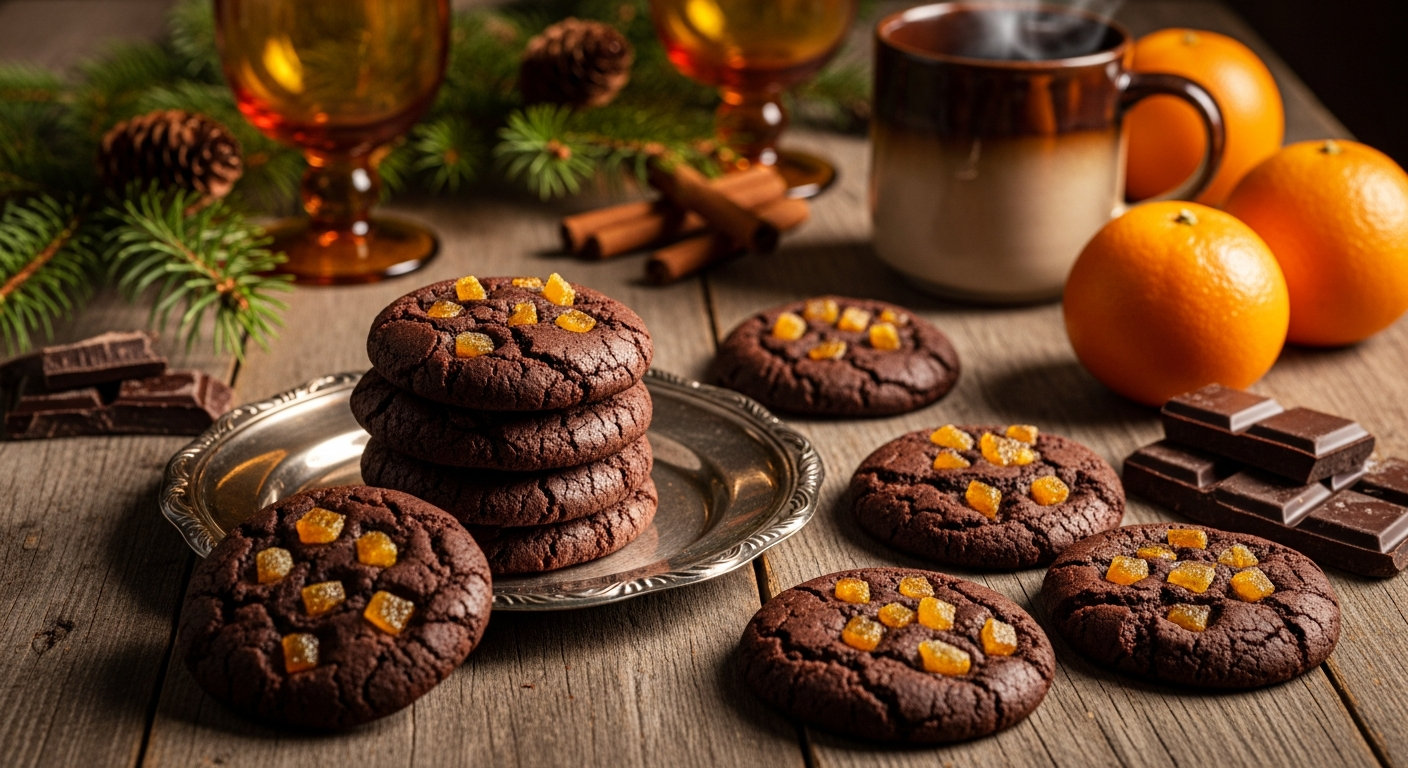
Pair with coffee, tea, or dessert wines. Serve alongside vanilla ice cream, or package in decorative boxes as gifts.
Troubleshooting Common Issues
Flat cookies result from too-warm butter or overmixing—chill shaped dough 30 minutes before baking. Thick, cake-like cookies indicate too much flour or insufficient butter-and-sugar mixing.
Uneven browning suggests oven hot spots or overcrowded sheets. Use light-colored aluminum pans, leave space between cookies, and rotate halfway through baking.
Variations and Creative Adaptations
Creative Citrus Variations for Your Cookie Adventures
Lemon-Forward Alternatives Transform your orange exotic cookies into bright, sunshine-filled treats by incorporating fresh lemon zest. The sharp, clean acidity of lemon creates a more pronounced tartness that pairs exceptionally well with:
- White chocolate chunks or vanilla bean paste
- Poppy seeds for a classic bakery-style combination
- Lavender buds for an elegant, floral twist
- Cream cheese frosting drizzle for tangy richness
Lime’s Tropical Twist Substituting lime zest introduces an entirely different flavor profile that transports your cookies to tropical paradise. This vibrant citrus works magnificently with:
- Coconut flakes – both toasted and untoasted varieties
- Macadamia nuts for buttery crunch
- Key lime juice in the glaze for double lime intensity
- Graham cracker crumbs mixed into the dough for pie-inspired notes
The Blood Orange Advantage
Complex Flavor Development Blood orange zest delivers a sophisticated multi-layered taste experience that sets these cookies apart from standard citrus varieties. The natural anthocyanins responsible for blood oranges’ distinctive color also contribute:
- Subtle berry undertones reminiscent of raspberry or cranberry
- A slightly more mellow sweetness compared to regular oranges
- Deeper, more wine-like complexity that develops during baking
Perfect Dark Chocolate Pairings The berry-citrus fusion of blood orange creates an ideal marriage with dark chocolate because:
- The fruit’s natural acidity cuts through chocolate’s richness
- Berry notes echo chocolate’s own fruity undertones
- The combination mimics premium chocolate-orange confections found in European patisseries
The Sea Salt Secret
Flavor Enhancement Science Adding just a pinch of flaky sea salt (approximately ⅛ teaspoon per dozen cookies) works as a natural flavor amplifier through:
- Suppressing bitterness in both chocolate and citrus oils
- Heightening sweetness perception without adding sugar
- Creating contrast that makes each flavor component more distinct
Application Techniques
- Mixed into dough: Distributes evenly but creates subtle enhancement
- Sprinkled on top: Provides bursts of flavor and visual appeal
- Maldon or fleur de sel: Premium options that add textural interest alongside flavor
For maximum impact, add sea salt during the final mixing stage to keep those crystals intact for flavor bursts with each bite.
For extra indulgence, drizzle cooled cookies with melted white chocolate or dust them lightly with powdered sugar. Some bakers add chopped toasted almonds or hazelnuts for additional texture and flavor complexity.
Conclusion
The Art of Premium Ingredient Selection
Source exceptional ingredients: choose chocolate with 60–70% cacao content for the perfect balance of intensity without overwhelming bitterness.
For the orange element, fresh zest is absolutely non-negotiable. The oils contained in the outer peel of organic oranges provide:
- Concentrated citrus flavor that dried alternatives simply cannot match
- Natural aromatics that enhance the overall sensory experience
- Bright, clean notes that cut through the chocolate’s richness
Advanced Technique Meets Home Kitchen Accessibility
Temperature Control Mastery
The beauty of these cookies lies in their approachable sophistication. While the techniques mirror those used in professional kitchens, they’re entirely achievable in your home setup:
- Chocolate tempering – Gentle melting prevents seizing and maintains glossy finish
- Butter temperature precision – Room temperature butter creates optimal texture
- Zest incorporation timing – Adding citrus oils at the right moment preserves their potency
Professional Results Through Attention to Detail
Small adjustments yield dramatic improvements in the final product. Consider these game-changing refinements:
- Chilling the dough for 30-60 minutes prevents excessive spreading
- Uniform sizing using a cookie scoop ensures even baking
- Strategic placement on parchment-lined baking sheets promotes consistent heat distribution
Versatility for Every Occasion
These cookies transcend typical dessert boundaries, making them perfect for:
Elegant Entertaining
- Wine pairing events (exceptional with Port or late-harvest Riesling)
- Dinner party finale alongside espresso or specialty coffee
- Holiday gift boxes that impress discerning recipients
Personal Indulgence
- Afternoon treat with premium tea
- Midnight snack that feels luxurious rather than guilty
- Weekend baking project that rewards with exceptional results
The Science Behind the Flavor Magic
The chocolate-citrus combination works on multiple sensory levels. Dark chocolate’s deep, earthy notes create a canvas for the orange zest’s bright, volatile oils. This contrast triggers different taste receptors simultaneously, creating a layered flavor experience that evolves with each bite.
The textural interplay adds depth—the tender crumb gives way to pockets of intense chocolate, while tiny zest particles provide subtle texture and bursts of concentrated citrus flavor.
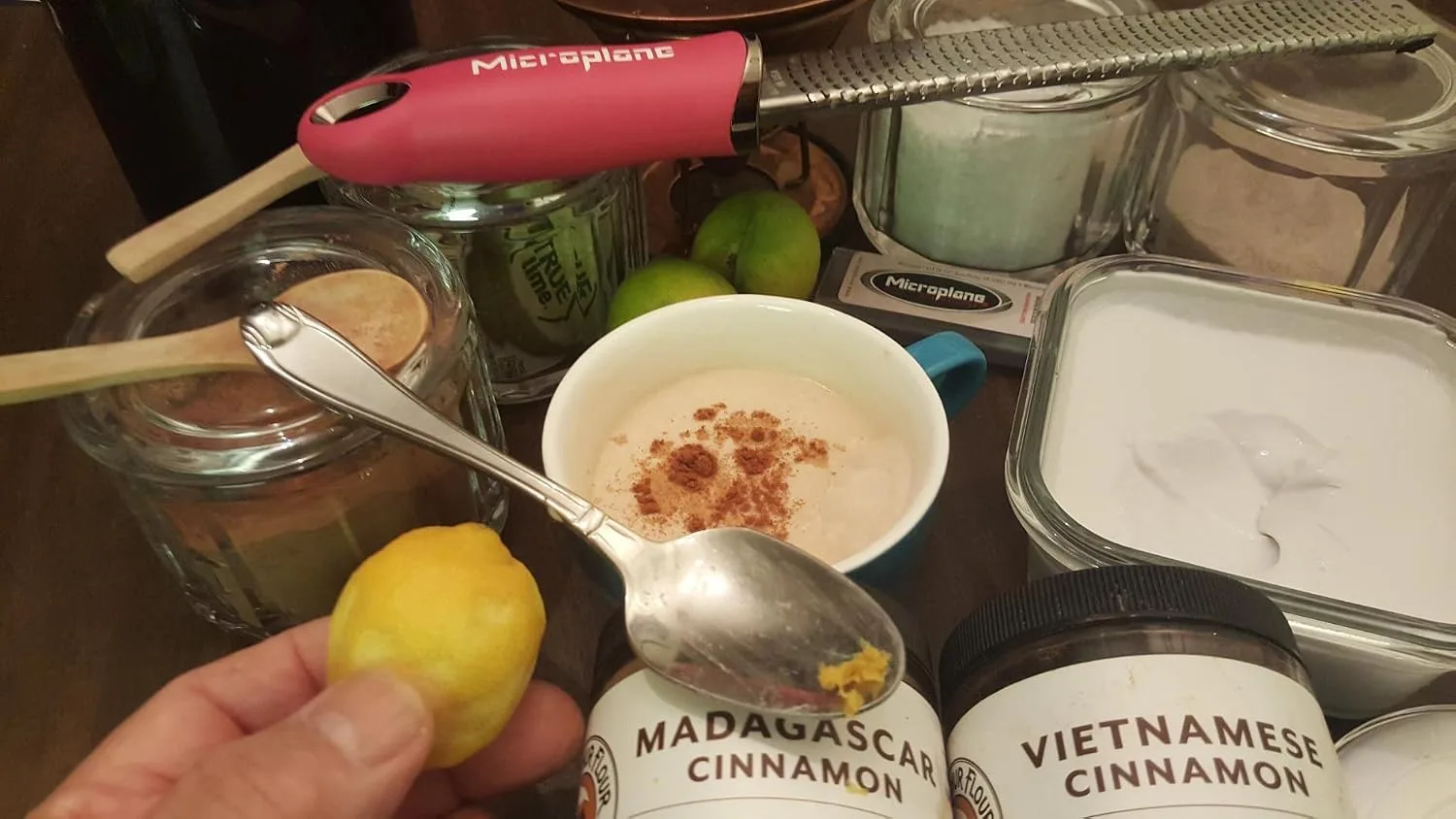
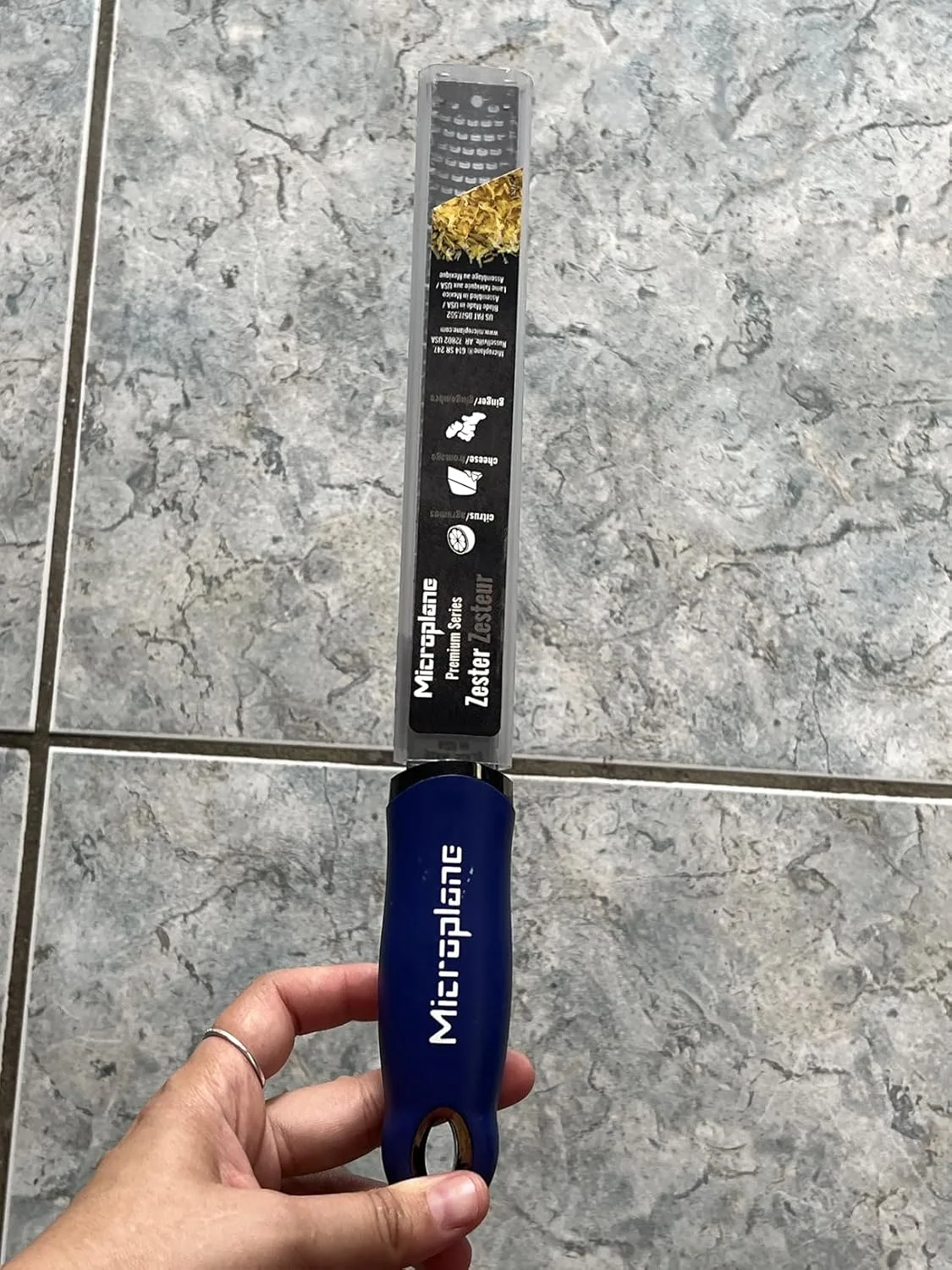
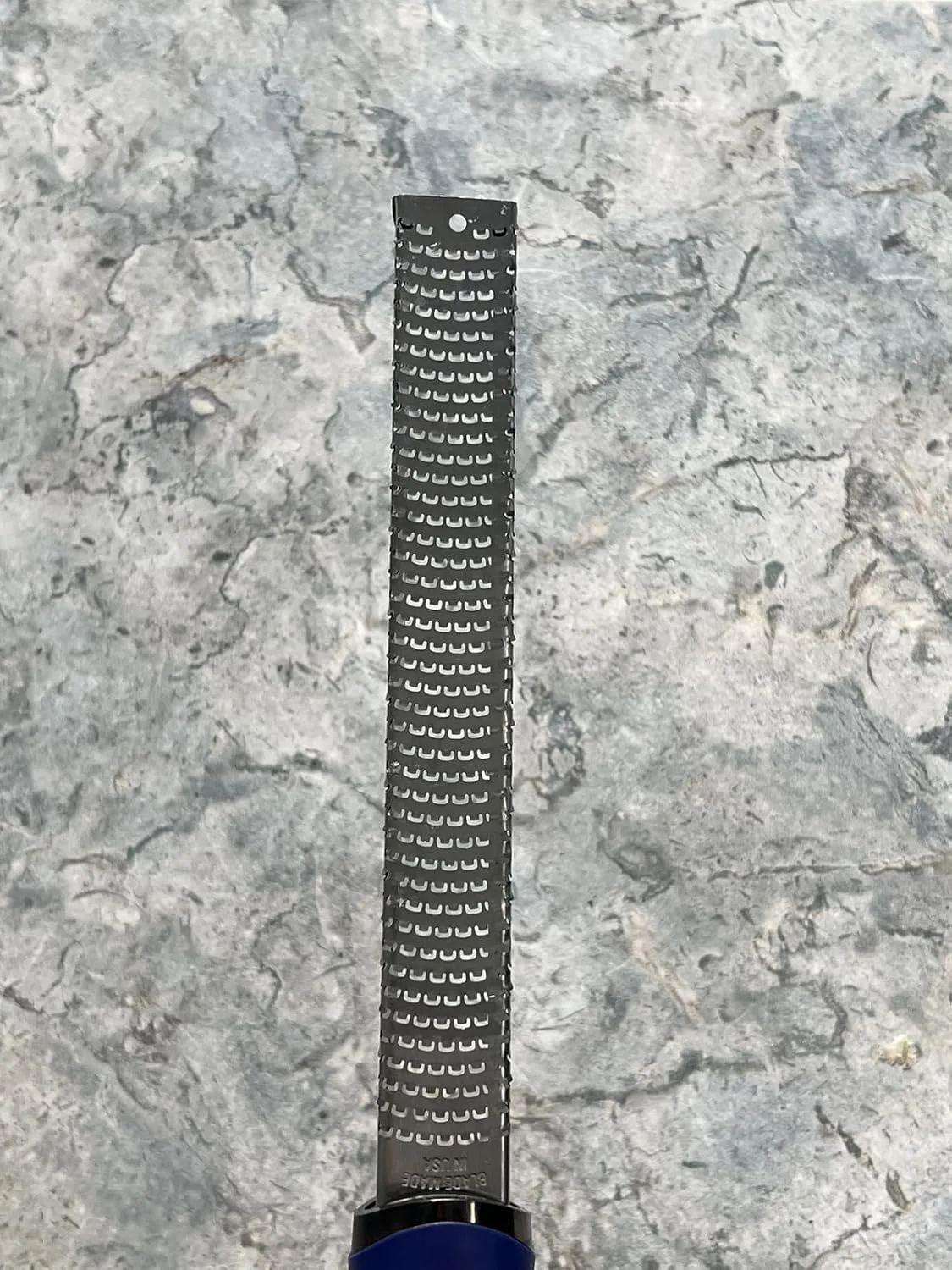
The Microplane That Finally Gave Me Enough Orange Oil Without Shredding My Fingertips
Getting the right amount of orange zest is everything: too little loses the bright citrus note that cuts through the chocolate; too much turns bitter. After years of struggling with tools, I found the right zester makes all the difference.
What works
- The micro-sharp blade catches only the colored zest layer and leaves the bitter white pith behind, so every bit actually enhances the cookie instead of making it soapy.
- It releases way more citrus oil than a traditional zester—I use maybe two-thirds the amount of zest and get better flavor, which means less likelihood of the orange overpowering the chocolate.
- The long, thin design lets me hold the orange at a safe angle and actually see what I’m doing, so I’m not white-knuckling it or worrying I’ll lose a layer of skin mid-zest.
What doesn’t
- It’s easy to clog if your orange is too soft or warm—I learned this the hard way when I zested an orange straight from the counter instead of chilling it first, and the blade packed full halfway through.
- The handle is small and can feel flimsy if you’re not used to a lighter tool, so some home bakers might find themselves pressing too hard out of habit.
I remember one batch where I was skeptical this $20 tool could really be that much better than my old zester, and halfway through my testing I realized I’d already grabbed it automatically for my second orange—my hands knew it worked better before my brain fully caught up. That’s when I knew I’d found my answer. Grab a microplane zester before your next batch.
About This Article

Written by Margaret Chen. Margaret Chen is a home baker and recipe developer with over 15 years of experience perfecting cookie recipes through rigorous testing and detailed experimentation. She tests every recipe multiple times, documents every variable, and applies the same rigor professional bakers use, with the warmth and accessibility of home baking. More about this site.
Scope and limits. Margaret is a home baker and recipe developer with no formal culinary training. Follow current food safety guidance for egg handling, storage, and anything you are serving to other people.
Verify this against a primary source
Specifics change, and your situation may differ from the one described here. These are the authorities worth checking directly:
- USDA FoodData Central — ingredient composition and nutrition data
- FoodSafety.gov — safe handling, storage and egg safety