Embracing Florida’s Unique Citrus Flavors
Florida is renowned for its vibrant citrus industry, which has a significant impact on both the local economy and culinary culture. The state’s warm climate and fertile soil create the perfect conditions for producing some of the most flavorful oranges, grapefruits, and lemons available anywhere. Orange blossom, a particularly fragrant and flavorful citrus variety, adds a unique touch to various baked goods, including cookies. Incorporating these fresh ingredients into your baking not only enhances flavor but also supports local agriculture.
Why Choose Florida Citrus?
Florida’s citrus fruits are celebrated for their distinct taste and high quality. Source This reputation stems from optimal growing conditions and careful cultivation practices. The state produces over 70% of the United States’ citrus supply, with oranges being the leading product . Harvesting local citrus ensures freshness and maximizes flavor, making it a preferred choice for both home bakers and professional chefs.
Citrus Cookie Recipes with a Florida Twist
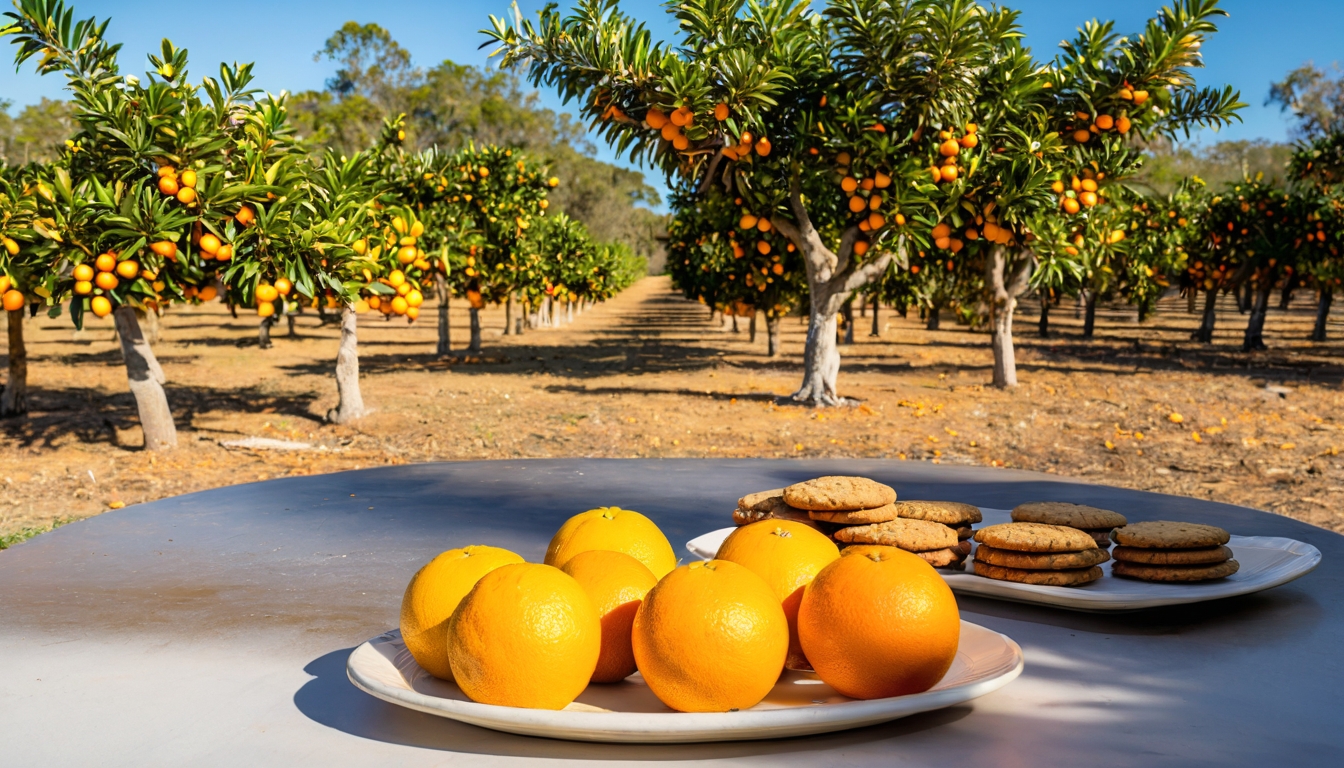
Florida’s vibrant citrus groves offer an unparalleled palette of flavors, transforming a simple cookie into a truly sensory experience. Integrating these sun-kissed fruits into your baking isn’t just about adding a hint of zest; it’s about infusing a taste of the Sunshine State’s unique agricultural heritage and its bright, invigorating spirit into every bite.
Why Florida citrus is a Baker’s Secret Weapon
The magic lies in the distinctive flavor profile of Florida citrus, which goes far beyond generic “lemon” or “orange.” Each variety brings its own nuances:
- Brightness and Acidity: Cuts through richness, balancing sweetness in a way few other ingredients can.
- Complex Aromatics: The essential oils in the zest release incredible fragrances during baking, filling your kitchen with a delightful perfume.
- Seasonal Freshness: Utilizing in-season fruit means peak flavor, ensuring your cookies burst with authentic, vibrant taste.
Key Florida Citrus Stars for Your Cookie Creations
While the original paragraph mentions “orange blossom and citrus varieties,” let’s dive deeper into the specific stars that truly shine in cookie recipes:
- Sweet Oranges (Navel, Valencia): The quintessential Florida fruit. Their zest provides a robust, classic orange flavor, while their juice can be used to create bright glazes or add moisture to doughs. Think Orange Zest & White Chocolate Chip Cookies or a delicate Orange Blossom Shortbread.
- Tangy Key Limes: Small but mighty, these iconic limes are a must for any Florida-inspired dessert. Their sharp, floral tang is unforgettable, making them perfect for deconstructed Key Lime Pie Cookies or a vibrant Key Lime Meltaway.
- Aromatic Orange Blossom: Not a fruit, but a delicate floral extract or water derived from orange blossoms. It imparts a subtle, perfumed elegance, often paired with nuts or honey. Imagine Orange Blossom & Pistachio Biscotti or Floral Sugar Cookies with a hint of this exquisite essence.
- Zesty Tangerines & Mandarins: Milder and sweeter than oranges, these smaller citrus fruits offer a beautiful, less assertive zest. They’re fantastic for lighter cookies or when you want a gentler citrus note, like in Tangerine Glazed Snickerdoodles.
- Intriguing Grapefruit & Kumquats: For the more adventurous baker, these varieties offer unique twists. Grapefruit zest can lend a sophisticated, slightly bitter-sweet edge, while candied kumquats provide a delightful chew and a burst of tartness. Consider Grapefruit & Rosemary Sablés or Kumquat Drop Cookies.
Beyond the Zest: Creative Ways to Infuse Citrus
Incorporating these flavors isn’t limited to just grating zest over your dough. Consider these diverse methods for maximum impact:
- The Power of Zest: This is where the majority of the aromatic oils reside. Always use a microplane for fine, potent zest.
- Juice for Tang & Moisture: While too much juice can alter cookie texture, a tablespoon or two can brighten a dough, and it’s essential for vibrant citrus glazes and icings.
- Floral Extracts & Waters: As mentioned with orange blossom water, these concentrated essences provide a pure, non-acidic floral note.
- Candied Citrus Peel: Adds a wonderful chew, concentrated sweetness, and intense flavor, especially delicious in biscotti or fruit-studded cookies.
- Citrus Curds & Jams: A luxurious filling for sandwich cookies or thumbprints, offering a creamy, tangy burst of flavor.
Signature Florida Citrus Cookie Concepts to Inspire Your Baking
Here are a few specific concepts that truly capture the essence of Florida’s citrus bounty, inviting you to experiment and create your own Sunshine State confections:
- Key Lime White Chocolate Chip Cookies: A chewy cookie studded with tangy Key lime zest and creamy white chocolate, often finished with a delicate Key lime glaze.
- Orange Blossom & Almond Biscotti: A sophisticated, crunchy cookie where the delicate floral notes of orange blossom water perfectly complement toasted almonds, ideal for dipping in coffee.
- Sunshine Orange Shortbread Rounds: A simple, buttery shortbread elevated with a generous amount of fresh orange zest, allowing the pure citrus flavor to shine.
- Grapefruit & Ginger Crinkle Cookies: An unexpected yet delightful combination, featuring the zesty bitterness of grapefruit and the warming spice of ginger, creating a truly unique cookie.
- Tangerine Glazed Coconut Macaroons: The sweet chewiness of coconut macaroons gets a bright lift from a vibrant tangerine glaze, offering a taste of the tropics.
Embrace the diversity of Florida’s citrus and let these golden fruits inspire your next baking adventure. The result will be cookies that are not just delicious, but truly evocative of a sunny day in Florida.
Orange Blossom Sugar Cookies
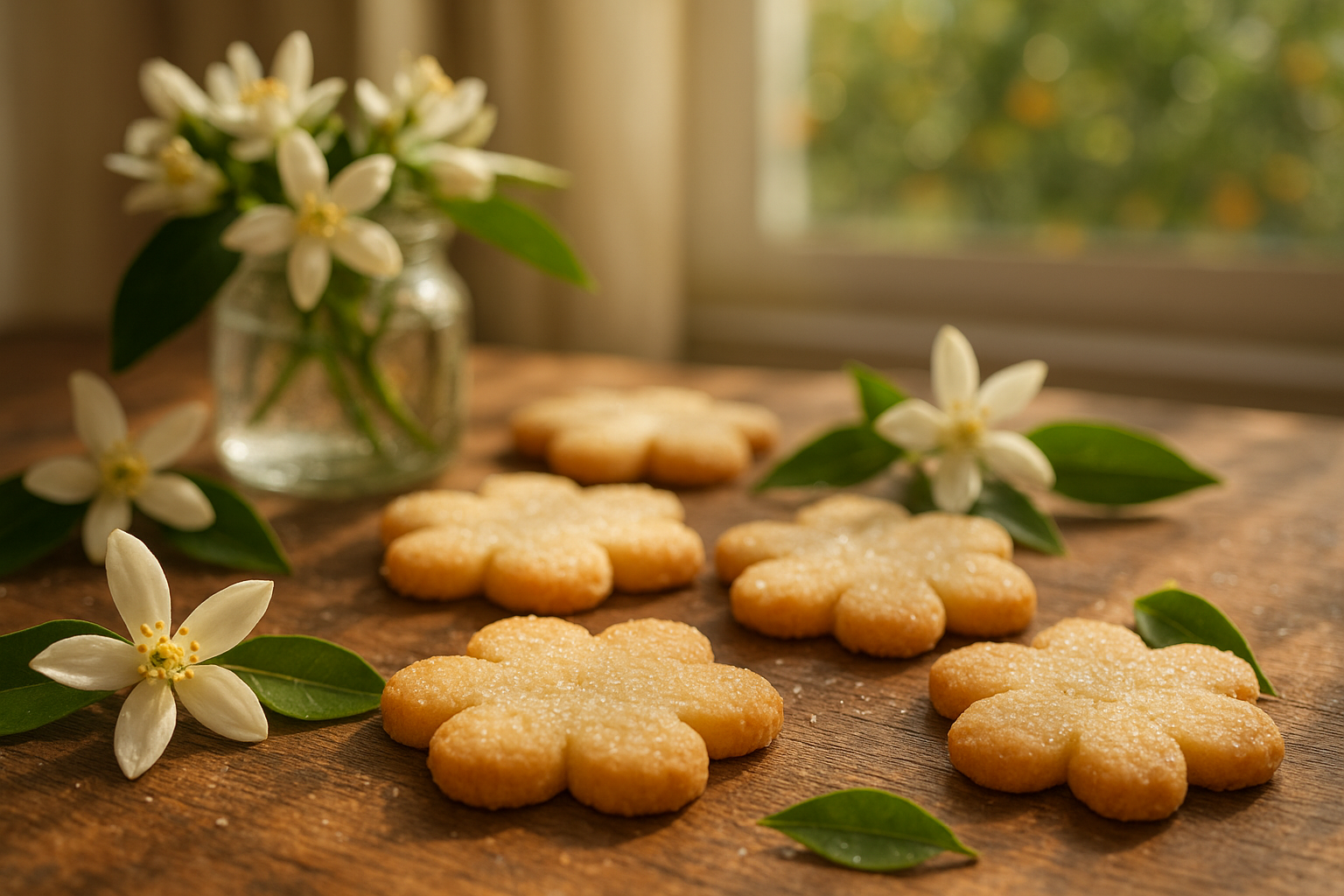
Ingredients:
- 2 cups all-purpose flour
- 1 tsp baking powder
- 1/4 tsp salt
- 1/2 cup unsalted butter, softened
- 1 cup granulated sugar
- 1 large egg
- 1 tsp vanilla extract
- 1 tbsp orange blossom water
Instructions:
- Preheat your oven to 350°F (175°C) and line a baking sheet with parchment paper.
- In a bowl, whisk together flour, baking powder, and salt.
- In another bowl, cream butter and sugar until light and fluffy.
- Beat in the egg, vanilla extract, and orange blossom water.
- Gradually add the dry ingredients, mixing until combined.
- Roll dough into 1-inch balls and place on prepared baking sheet.
- Flatten each ball gently with a fork.
- Bake for 8-10 minutes or until edges are lightly golden.
- Cool on a wire rack before serving.
Citrus Zest Shortbread
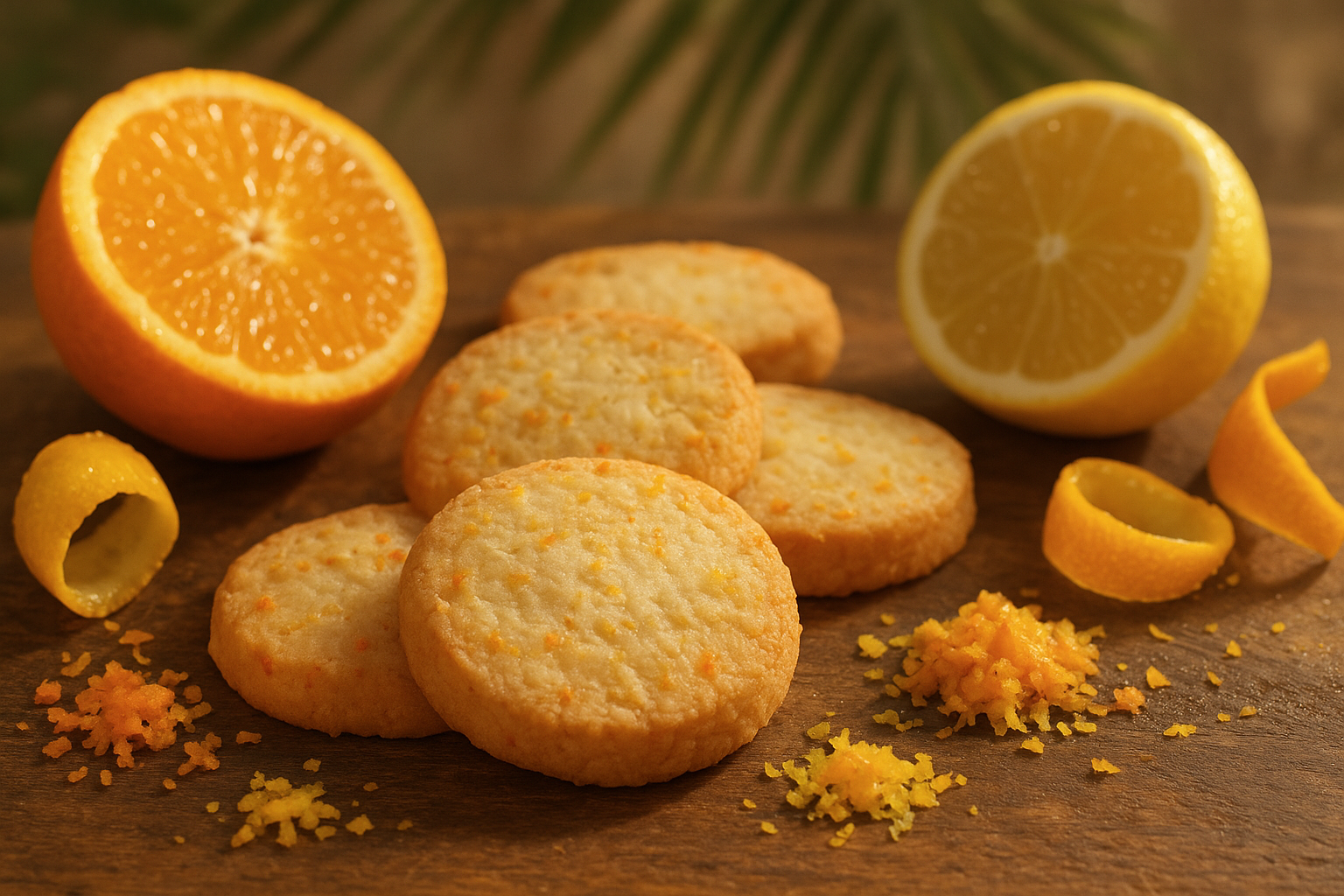
Ingredients:
- 1 cup unsalted butter, softened
- 1/2 cup powdered sugar
- 2 cups all-purpose flour
- 1 tbsp orange zest
- 1 tbsp lemon zest
- 1/2 tsp salt
Instructions:
- Preheat oven to 325°F (165°C) and line a baking sheet with parchment paper.
- Beat butter and sugar together until creamy.
- Mix in the flour, orange zest, lemon zest, and salt until a dough forms.
- Roll out dough to a 1/2-inch thickness on a floured surface.
- Cut into desired shapes and transfer to the baking sheet.
- Bake for 15-20 minutes until edges are golden brown.
- Let cookies cool on a wire rack before serving.
Sourcing and Using Florida Citrus
When baking with Florida citrus, sourcing the freshest ingredients is key. Farmers’ markets are an excellent place to start, offering a variety of locally grown citrus. Additionally, visiting local groves can provide insight into the harvesting process and offer opportunities to pick your own fruit.
Tips for Enhancing Flavor
To maximize the citrus flavor in your baked goods, consider using citrus zest and freshly squeezed juice. These elements intensify the aroma and taste, providing a burst of freshness. Orange blossom water, often available in specialty stores, adds a subtle floral note that enhances the citrus profile.
Serving Suggestions and Variations
Perfect Pairings for Your Florida Citrus Cookies
The bright, zesty flavors of these Florida-inspired treats create magical moments when paired thoughtfully with your favorite beverages:
Hot Beverage Combinations
- Earl Grey tea – The bergamot oil complements the citrus beautifully
- Chamomile tea – Creates a soothing, floral contrast to the tangy cookies
- Medium roast coffee – The nutty undertones balance the cookie’s acidity
- Café au lait – The creamy texture mellows the citrus intensity
Creative Serving Suggestions
Transform your cookie experience into something truly special:
- Morning ritual: Dunk warm cookies into your first cup of coffee as the Florida sunshine streams through your window
- Afternoon tea party: Arrange cookies on vintage china alongside finger sandwiches
- Evening wind-down: Pair with herbal tea while watching the sunset
Elevating with Glazes and Finishes
A simple citrus glaze transforms these cookies from delightful to absolutely irresistible. Here’s how to master this finishing touch:
Basic Glaze Recipe
- 1 cup powdered sugar
- 2-3 tablespoons fresh citrus juice (orange, lemon, or lime)
- 1 teaspoon zest for extra punch
Advanced Glaze Variations
For special occasions, consider these sophisticated options:
- Honey-citrus glaze: Replace half the powdered sugar with local Florida honey
- Cream cheese drizzle: Add softened cream cheese for richness
- Coconut-lime fusion: Incorporate coconut extract for tropical flair
- Candied citrus topping: Garnish with homemade candied orange or lemon peels
Application Techniques
The timing and method of glazing makes all the difference:
- Allow cookies to cool completely before glazing
- Use a fork to create elegant drizzle patterns
- Dip cookie tops directly for full coverage
- Let glaze set for 15-20 minutes before serving
This finishing touch doesn’t just add sweetness—it creates a glossy, professional appearance that makes your homemade cookies look bakery-worthy while intensifying those beloved Florida citrus flavors.
Conclusion
Baking with Florida’s citrus allows you to experience the state’s unique flavors in your own kitchen. These recipes celebrate the richness of orange blossom and other local varieties, offering a taste of Florida’s vibrant agricultural heritage. By choosing local ingredients, you support sustainable practices and enjoy fresher, more flavorful baked goods. So gather your ingredients, and enjoy the zesty adventure of baking with Florida citrus.
The Microplane That Finally Gave Me Consistent Citrus Zest Without the Bitter White Pith
Getting the bright, fragrant oils from citrus zest without scraping away that bitter white pith underneath is the difference between a cookie that tastes fresh and floral and one that tastes harsh. After years of wrestling with box graters and vegetable peelers, I realized my zesting technique wasn’t the problem—my tool was.
What works
- The razor-sharp microplane cuts only the colored outer layer in one pass, leaving the pith behind on the fruit instead of in your dough.
- For orange blossom cookies especially, you get fine, feathery zest that distributes evenly throughout the batter without any bitter grittiness.
- The long, narrow handle gives you actual control—I can zest an entire orange over my mixing bowl without losing half of it on the counter.
What doesn’t
- It’s sharp enough to take a layer off your knuckles if you’re not paying attention as the fruit gets smaller—I learned this the hard way.
- Cleanup requires actual care since the holes clog easily with dried zest; a quick rinse under running water while the zest is still slightly damp works better than waiting until it dries.
I almost convinced myself that a regular grater would “work fine” to save $15, but after three batches where the flavor was muddled and slightly bitter, I finally invested in a proper microplane zester and never looked back.
This post contains affiliate links. As an Amazon Associate, I earn from qualifying purchases at no extra cost to you.
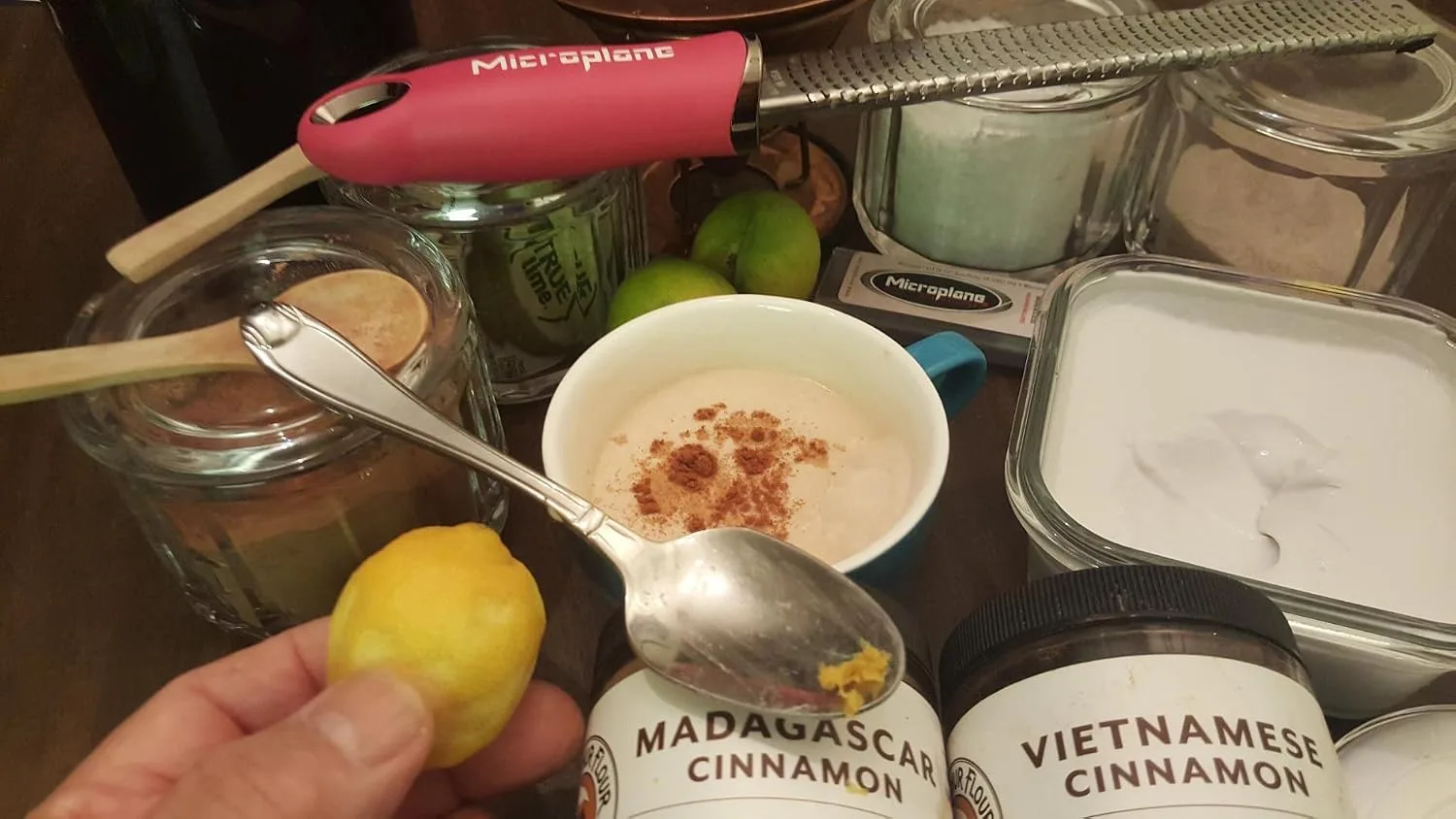
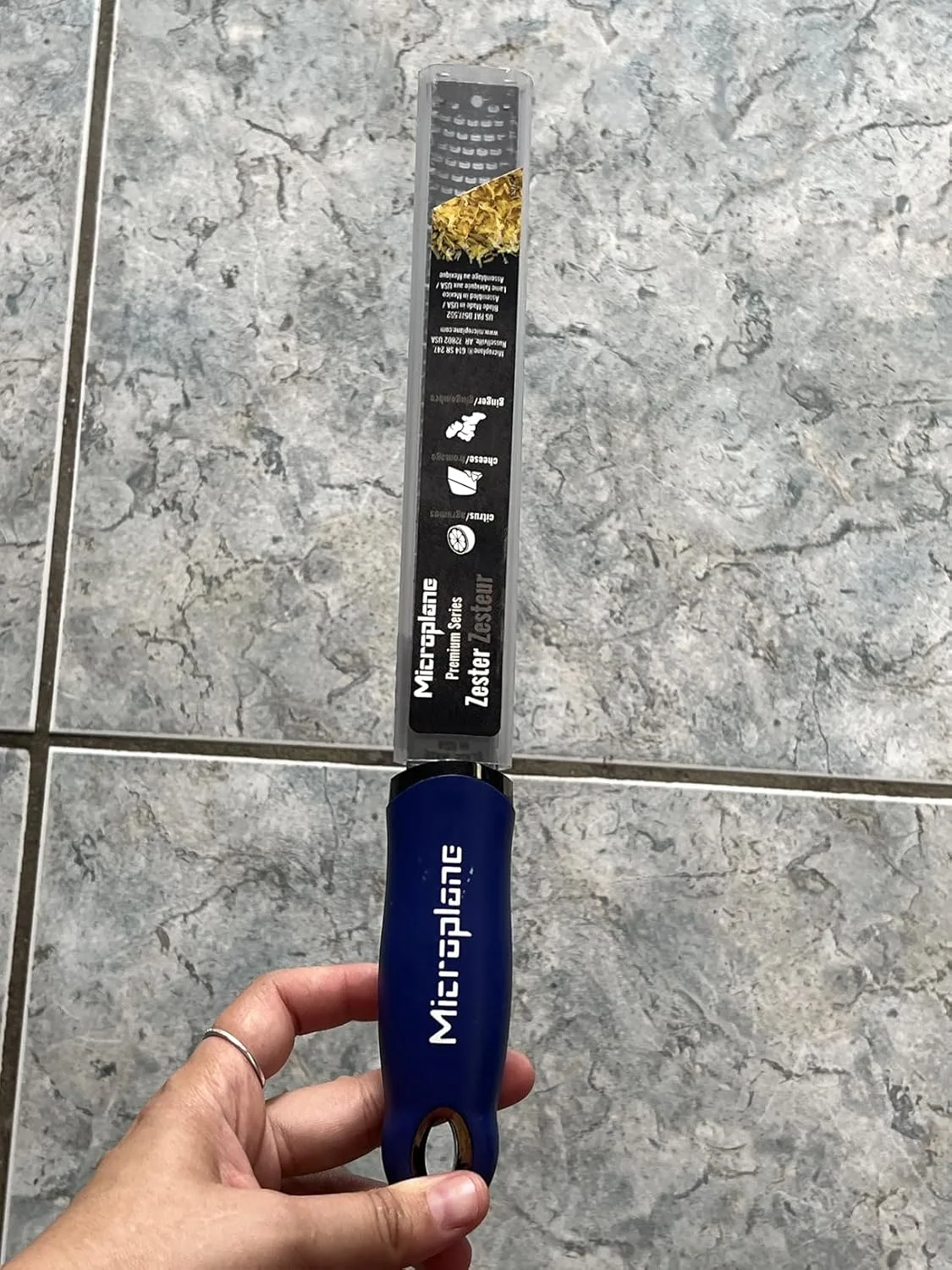
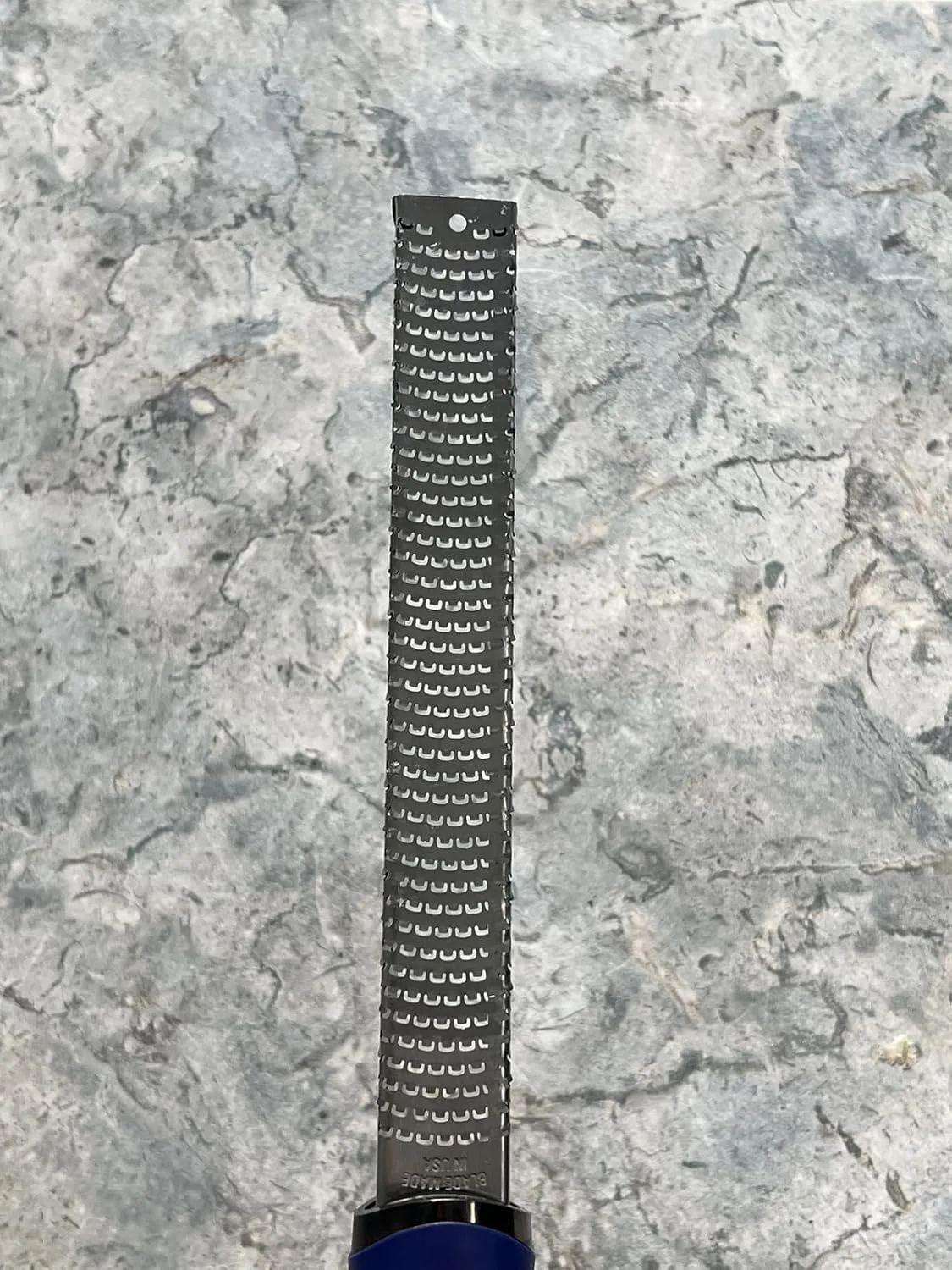
microplane zester
I zest whole oranges directly into my bowl without mess or gritty mistakes.
Check Price on Amazon →