
Asian cookies represent centuries of culinary artistry and cultural significance. These delicate treats tell stories of ancient traditions, festive celebrations, and regional flavors that have captivated taste buds across generations. Furthermore, each cookie carries deep symbolic meaning that connects families to their heritage.
The evolution of Asian cookies spans thousands of years, with recipes passed down through generations. Moreover, these sweet treasures reflect the diverse ingredients and cooking techniques unique to each region. From the moon-shaped delicacies of China to the delicate rice cookies of Japan, each variety showcases distinct cultural values.
Ancient Origins and Cultural Foundations
Chinese cookie-making traditions date back to the Tang Dynasty, when skilled bakers first combined wheat flour with regional sweeteners . Source Additionally, Buddhist monks played a crucial role in developing many recipes during their temple ceremonies. These early cookies often featured simple ingredients like flour, oil, and natural sweeteners.
Japanese cookie culture emerged later, influenced by both Chinese techniques and Portuguese traders who arrived in the 16th century. Consequently, Japanese bakers developed unique methods that emphasized delicate textures and subtle flavors. The introduction of sugar from European traders revolutionized traditional Japanese sweets.
Korean cookie traditions similarly evolved through cultural exchange and local innovation. However, Korean bakers maintained strong connections to seasonal ingredients and agricultural cycles. Rice flour became a cornerstone ingredient, creating distinctive textures that set Korean cookies apart from their regional counterparts.
Regional Specialties and Signature Flavors
Chinese Cookie Traditions
Beyond the widely celebrated mooncake, the realm of Chinese cookies is a testament to the nation’s vast culinary heritage, reflecting diverse regional ingredients, preparation methods, and cultural significance. Each province often boasts its own signature sweet treats, crafted for specific festivals, family gatherings, or simply as everyday delights.
A Glimpse into Chinese Cookie Diversity
While mooncakes hold an iconic status, they are just one facet of a rich tapestry. Other notable examples include:
- Almond Cookies (杏仁饼 – Xingren Bing): A perennial favorite, these crumbly, buttery shortbread-style cookies are infused with a distinct almond flavor, often topped with a single whole almond. Popular year-round, especially during Chinese New Year, they symbolize good fortune and are a staple in Cantonese bakeries.
- Walnut Cookies (核桃酥 – Hetao Su): Similar in texture to almond cookies but with the rich, earthy taste of walnuts, these offer another delightful, melt-in-your-mouth experience.
- Wife Cakes (老婆饼 – Lao Po Bing): Though technically a pastry, these delicate, flaky treats with a sweet, translucent winter melon paste filling are often enjoyed alongside cookies. Originating from Guangdong, they tell a romantic folk tale and are a beloved comfort food.
- Peanut Cookies (花生酥 – Huasheng Su): Rich with the flavor of roasted peanuts, these cookies can range from crumbly shortbread to chewier, denser varieties, offering a comforting and nutty bite.
Mooncakes: A Deeper Dive into Tradition and Craft
The Mooncake (月饼 – Yuebing) truly stands as a culinary masterpiece, synonymous with the Mid-Autumn Festival (中秋节 – Zhongqiu Jie), a time for family reunions and appreciating the full moon. Their international recognition stems from their unique aesthetic, profound cultural symbolism, and the global Chinese diaspora that shares this cherished tradition.
Here’s what makes mooncakes so special:
- Symbolism of Unity and Prosperity: The round shape of the mooncake itself symbolizes completeness and reunion, echoing the full moon and the desire for family togetherness. Sharing a mooncake, cut into wedges, reinforces the bond among family members.
- Intricate Craftsmanship:
- Dense, Rich Dough: The outer crust is typically thin, tender, and slightly chewy, often made with golden syrup and lye water, which gives it its characteristic sheen and slightly sweet taste.
- Elaborate Designs: Each mooncake is a miniature work of art. They are pressed in specialized wooden or plastic molds, imprinting them with intricate patterns. These designs often feature:
- Auspicious Characters: Such as “longevity” (寿), “harmony” (和), or “autumn” (秋).
- Floral Motifs: Peonies, chrysanthemums, or lotus flowers, representing beauty and good fortune.
- Symbolic Imagery: Clouds, dragons, or phoenixes, conveying blessings and power.
- Diverse and Symbolic Fillings: The heart of the mooncake lies in its rich, often dense filling, each carrying its own significance:
- Lotus Seed Paste (莲蓉 – Lian Rong): The most traditional and prized filling, smooth and subtly sweet, symbolizing purity and peace.
- Red Bean Paste (豆沙 – Dou Sha): A classic, earthy-sweet filling made from sweetened adzuki beans.
- Salted Duck Egg Yolks (咸蛋黄): Often embedded within the paste, these vibrant orange yolks represent the full moon itself, adding a contrasting savory note that balances the sweetness and enhances the symbolism of completeness.
- Five Kernel (五仁 – Wu Ren): A robust and chewy blend of five different nuts and seeds (commonly walnuts, almonds, sesame seeds, melon seeds, and pumpkin seeds), often mixed with candied fruits and sometimes even small pieces of cured ham. This filling represents abundance and a bountiful harvest.
- Modern Interpretations: While traditional fillings remain beloved, contemporary bakeries also offer innovative flavors like chocolate, green tea, taro, fruit purees, or even ice cream, catering to evolving tastes while still honoring the spirit of the festival.
The sharing and enjoyment of mooncakes during the Mid-Autumn Festival is a cherished ritual, embodying centuries of tradition, artistry, and the enduring values of family unity and prosperity.
Almond cookies gained popularity in Guangdong province before spreading throughout Chinese communities worldwide. Meanwhile, sesame cookies demonstrate the Chinese mastery of incorporating nuts and seeds into sweet preparations. The golden color and nutty aroma make these treats particularly appealing during celebrations.
Traditional Chinese Almond Cookies Ingredients:
- 2 cups all-purpose flour
- 1/2 cup lard or butter, softened
- 1/2 cup granulated sugar
- 1 egg yolk
- 1 tsp almond extract
- 1/4 tsp salt
- 1/4 cup sliced almonds
- 1 egg, beaten (for egg wash)
Instructions:
- Preheat oven to 350°F and line baking sheets with parchment paper.
- Cream together softened lard and sugar until light and fluffy.
- Beat in egg yolk and almond extract until well combined.
- Gradually mix in flour and salt until dough forms.
- Roll dough into small balls and place on prepared baking sheets.
- Flatten each ball slightly and press sliced almonds on top.
- Brush with beaten egg for golden finish.
- Bake for 15-18 minutes until edges are lightly golden.
- Cool on wire racks before serving.
Japanese Delicate Artistry
Japanese cookies emphasize seasonal ingredients and aesthetic presentation. Senbei rice crackers represent one of the oldest forms, originally created as preserved food for travelers. These crispy treats demonstrate Japanese expertise in rice preparation and flavor enhancement.
Melon pan cookies showcase the Japanese influence of European baking techniques combined with local preferences. The distinctive checkered pattern and sweet bread-like texture create a unique eating experience. Additionally, these cookies often feature seasonal flavors like cherry blossom or green tea.
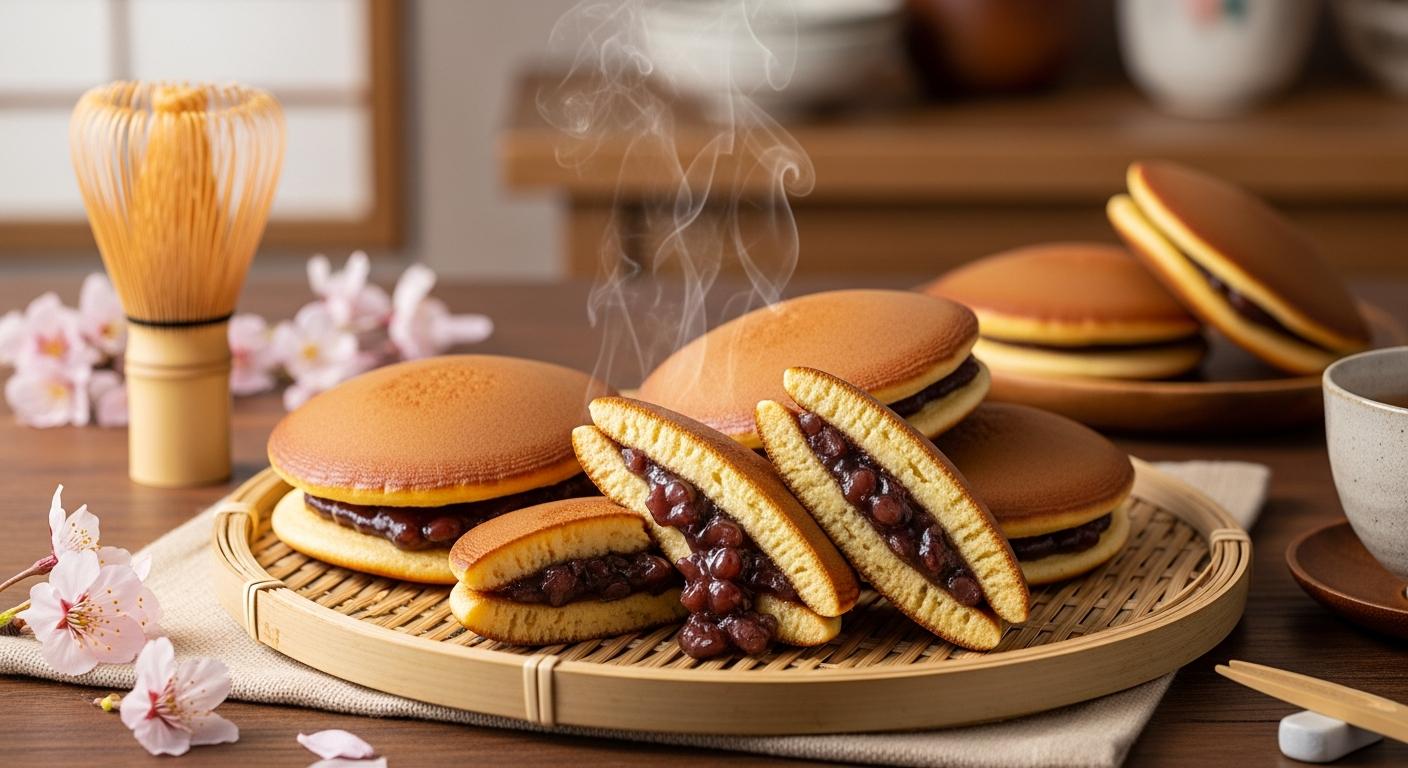
Dorayaki represents another beloved Japanese cookie tradition, featuring pancake-like layers filled with sweet red bean paste. This treat gained international recognition through popular culture while maintaining its traditional preparation methods.
Classic Japanese Senbei Rice Crackers Ingredients:
- 1 cup rice flour
- 1/3 cup water
- 1 tsp soy sauce
- 1/2 tsp mirin
- 1/4 tsp salt
- 1 tsp sesame oil
- 2 tbsp sesame seeds
- Nori sheets for wrapping (optional)
Instructions:
- Mix rice flour with water to form smooth dough.
- Add soy sauce, mirin, salt, and sesame oil to dough.
- Knead until ingredients are evenly distributed.
- Roll dough very thin on floured surface.
- Cut into circles using cookie cutter or glass.
- Sprinkle sesame seeds on top and press gently.
- Cook on dry skillet over medium heat for 2-3 minutes per side.
- Brush with additional soy sauce while warm.
- Wrap with nori strips if desired.
Korean Seasonal Celebrations
Korean cookies reflect the country’s agricultural heritage and seasonal celebrations. Yakgwa honey cookies represent the pinnacle of Korean cookie artistry, featuring intricate flower-shaped designs and rich honey glazes. These treats traditionally appear during important ceremonies and holidays.
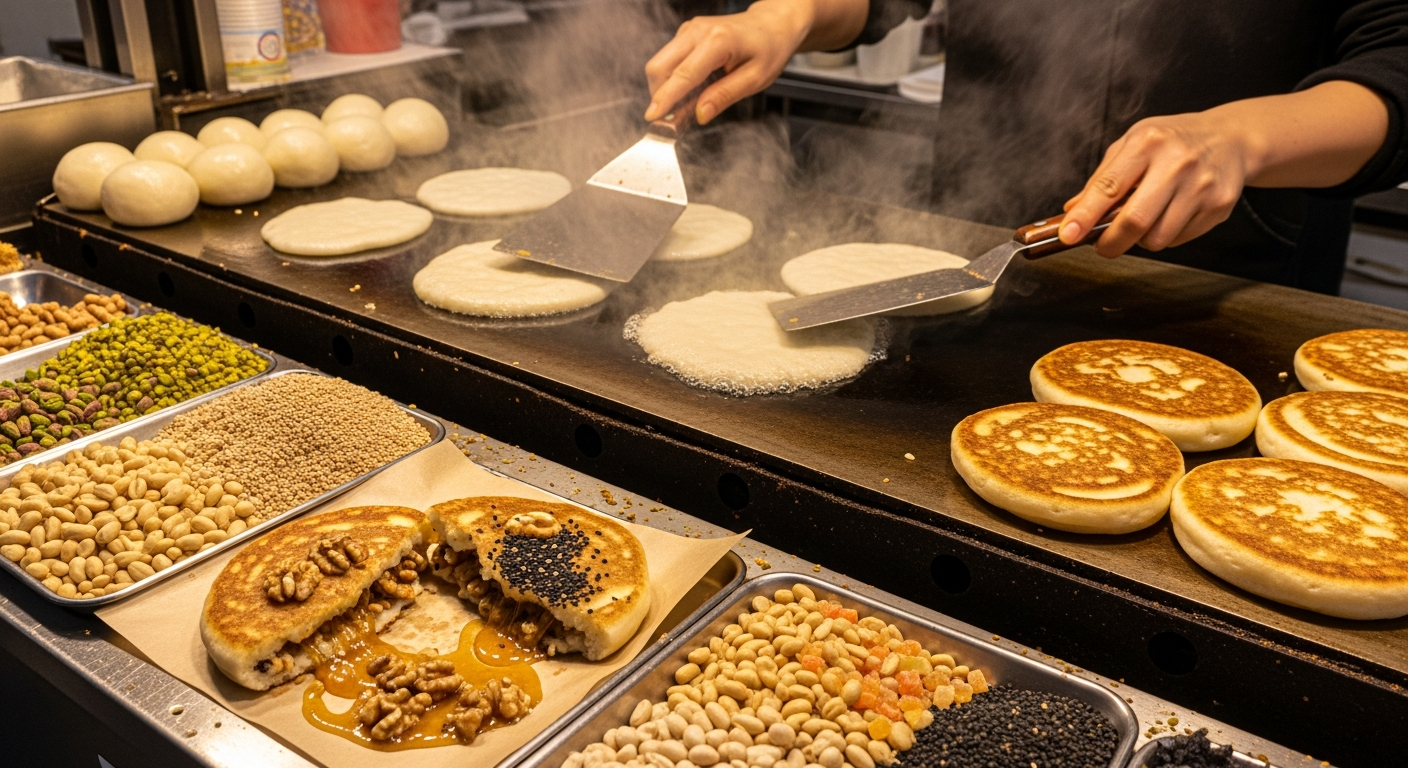
Hoddeok sweet pancakes blur the line between cookies and street food, demonstrating Korean innovation in portable sweets. The crispy exterior and molten interior create textural contrast that delights cookie enthusiasts. Furthermore, modern variations include diverse fillings like nuts, seeds, and seasonal fruits.
Rice cookies made from glutinous rice flour showcase Korean mastery of this versatile ingredient. The chewy texture and subtle sweetness provide a foundation for various flavor combinations and seasonal adaptations.
Festival Foods and Symbolic Meanings
Lunar New Year Celebrations
Lunar New Year cookies carry profound symbolic significance across Asian cultures. Red-colored cookies represent good fortune and prosperity for the coming year. Meanwhile, round-shaped varieties symbolize family unity and completeness. These traditions connect modern families to ancestral customs and shared cultural values.
The celebratory spirit of Chinese New Year truly comes alive through the intricate art of cookie making. Far from being mere treats, these sweet confections are imbued with deep cultural significance, each variety carrying auspicious symbolism designed to usher in good fortune for the year ahead.
Specific examples of these symbolic pastries include:
- Pineapple Tarts: Often shaped like golden nuggets or intricately cut flowers, these buttery, crumbly tarts with a sweet and tangy pineapple jam filling are a staple. The Hokkien word for pineapple, ong lai, sounds similar to “fortune come,” making them a powerful symbol of prosperity and wealth.
- Peanut Cookies: Small, round, and delightfully crumbly, these melt-in-your-mouth cookies made from roasted peanuts represent longevity and good fortune. Their rich, earthy flavor is a comforting taste of tradition.
- Kueh Bangkit (Tapioca Cookies): These delicate, often flower-shaped cookies made from tapioca flour are known for their unique ability to melt instantly on the tongue. Their pure white color symbolizes purity and new beginnings, while their intricate shapes often represent abundance and blessings.
- Love Letters (Kueh Kapit): Thin, crispy rolled wafers, typically made with coconut milk and eggs, are a testament to patience and skill. Legend has it they were used to send secret messages, symbolizing good relationships and unity within the family.
- Cashew Cookies: Another popular choice, cashews symbolize wealth and good luck, making these rich, nutty cookies a welcome addition to any New Year spread.
The Heart of the Home: A Communal Kitchen
The preparation of these festive cookies transforms the kitchen into the vibrant heart of the home. It’s an energetic, multi-generational communal activity where elders impart wisdom, parents guide, and children eagerly participate. The air fills not just with the sweet aromas of baking, but also with laughter, storytelling, and shared memories. This isn’t merely about producing delicious treats; it’s about:
- Strengthening Family Bonds: Working side-by-side, families reinforce their connections, sharing responsibilities and enjoying the collective effort. Grandparents might recount tales of past New Years, while parents explain the significance of each ingredient or shape.
- Creating Lasting Memories: For children, these moments become cherished recollections of family togetherness, the comforting scent of baking forever linked to the warmth of their home and heritage.
Passing Down Heritage: Learning and Legacy
Through this hands-on process, children gain invaluable insights that extend far beyond the culinary realm. They are not just learning recipes; they are actively engaging in their cultural heritage:
- Culinary Apprenticeship: They observe and mimic the precise techniques—the perfect consistency of dough, the delicate art of shaping a pineapple tart, or the careful rolling of a love letter. These heirloom recipes are living traditions, passed down orally and through direct experience, ensuring their continuation for future generations.
- Symbolic Language: Children learn the deeper meaning behind each cookie—why gold colors are auspicious, why certain shapes bring luck, and the hopes and aspirations each sweet represents for the new year. This understanding fosters a profound connection to their roots and the values of their ancestors.
- Sensory Immersion: The tactile experience of mixing ingredients, the visual appeal of beautifully decorated cookies, and the irresistible taste of freshly baked treats create a powerful sensory memory that reinforces their cultural identity.
- Developing Skills and Values: Beyond cultural knowledge, children develop patience, precision, and an appreciation for homemade goods. They learn the value of hard work and the joy of contributing to a collective celebration.
Ultimately, the act of preparing Chinese New Year cookies is a beautiful ritual that binds families, preserves history, and ensures that the rich tapestry of tradition continues to be woven, one delicious cookie at a time.
Vietnamese Lunar New Year cookies incorporate tropical ingredients unique to Southeast Asian cuisine. Coconut, palm sugar, and tropical fruits create distinctive flavors that reflect regional agricultural abundance. These cookies demonstrate how traditional concepts adapt to local ingredients and preferences.
Mid-Autumn Festival Traditions
Moon cakes dominate Mid-Autumn Festival celebrations throughout Asia, with each region developing unique variations. Traditional fillings include lotus seed paste, red bean paste, and salted egg yolks representing the full moon. Modern interpretations feature innovative ingredients while maintaining symbolic importance.
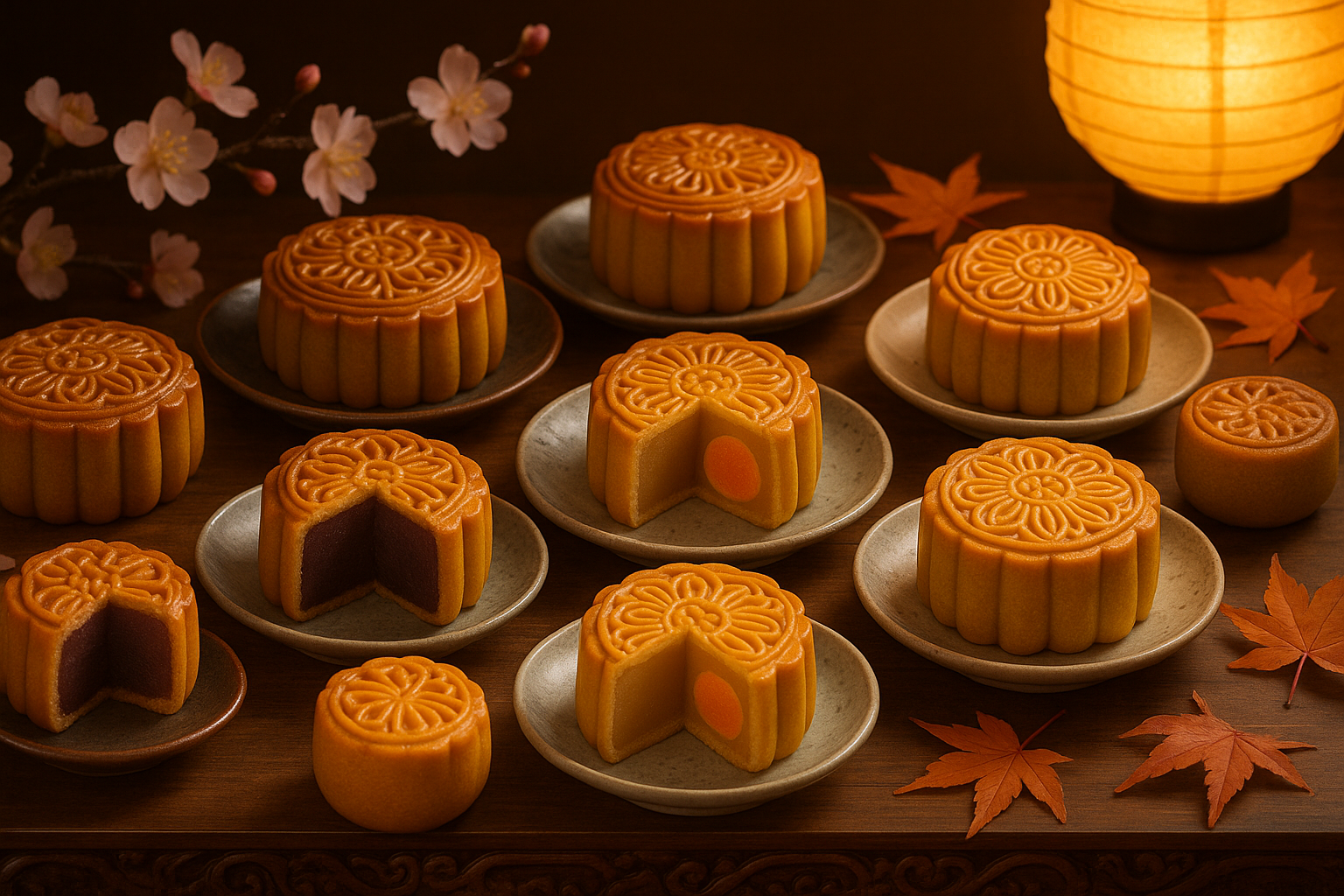
The elaborate preparation process for moon cakes requires specialized molds and techniques passed down through generations. Additionally, families often gather to make these cookies together, reinforcing cultural connections and shared memories. The gift-giving tradition associated with moon cakes strengthens community relationships.
Traditional Lotus Seed Paste Moon Cakes Ingredients:
- 2 cups all-purpose flour
- 1/2 cup golden syrup
- 1/4 cup vegetable oil
- 1/2 tsp alkaline water (kansui)
- 1 lb lotus seed paste
- 4 salted egg yolks, halved
- 2 egg yolks, beaten (for egg wash)
Instructions:
- Mix flour with golden syrup, oil, and alkaline water to form dough.
- Wrap dough in plastic and rest for 4 hours.
- Divide lotus paste into 8 portions and wrap around egg yolk halves.
- Divide dough into 8 pieces and wrap around lotus paste balls.
- Press each filled dough ball in moon cake mold.
- Place shaped cookies on lined baking sheets.
- Bake at 400°F for 10 minutes, then brush with egg wash.
- Reduce temperature to 350°F and bake 15-20 minutes more.
- Cool completely before removing from molds.
Modern Innovations and Global Influence
Contemporary Asian bakers blend traditional techniques with international ingredients and presentation styles. Matcha-flavored cookies represent this fusion approach, combining Japanese green tea with Western baking methods. These innovations attract new audiences while respecting cultural foundations.
The intricate tapestry of Asian cookie traditions has become a vibrant thread in the fabric of global baking, ushering in an era where diverse flavors and innovative techniques transcend geographical boundaries. This culinary evolution is a direct result of profound cultural exchange and the dynamic influence of immigration, which together have reshaped the international confectionery landscape.
The Catalysts: Immigration and Cultural Exchange
The movement of people across continents has historically been a powerful engine for culinary diffusion. As Asian communities established roots in new lands, their cherished baking traditions naturally followed, evolving from home kitchens to local specialty shops. This organic growth then blossomed through various channels:
- Diaspora-Led Innovation: Immigrant entrepreneurs opened bakeries and cafes, introducing authentic recipes that quickly gained a following beyond their ethnic communities.
- Digital Connectivity: The internet and social media platforms (think Instagram, TikTok, food blogs) have become powerful conduits, allowing unique Asian cookie recipes and techniques to go viral, inspiring home bakers and professional chefs alike worldwide.
- Global Travel & Food Tourism: Increased international travel has exposed palates to a wider array of tastes, sparking a demand for authentic and inspired Asian treats back home.
These interactions have cultivated a more adventurous global palate, eager to explore new sensory experiences in baked goods.
A Symphony of Flavors and Techniques in International Bakeries
Today, a stroll through a contemporary international bakery reveals a delightful array of Asian-inspired offerings, seamlessly integrated into their regular selections. This isn’t merely about novelty; it’s about embracing a broader spectrum of tastes, textures, and artistry.
Prominent Flavor Profiles & Ingredients:
Bakeries are now regularly incorporating ingredients once considered exotic into their staple recipes, creating exciting new flavor combinations:
- Matcha: The vibrant green tea powder from Japan lends an earthy, slightly bitter counterpoint to sweet cookies, appearing in everything from shortbreads to macarons and crinkles.
- Ube: This striking purple yam from the Philippines offers a distinct vanilla-like, nutty sweetness, transforming cookies into visually stunning and uniquely flavored treats.
- Pandan: A fragrant leaf popular in Southeast Asian cuisine, pandan imparts a delicate vanilla-coconut aroma and a subtle green hue to cookies and cakes.
- Black Sesame: With its deep, nutty, and slightly savory notes, black sesame adds complexity and a beautiful dark contrast to cookies, often seen in financiers or butter cookies.
- Yuzu: This Japanese citrus fruit provides a brighter, more aromatic zest than lemon, offering a sophisticated tang to sablés or madeleines.
- Red Bean (Adzuki): A staple in many East Asian desserts, sweet red bean paste can be found as a filling or incorporated directly into cookie dough for a unique texture and sweetness.
Innovative Techniques & Textures:
Beyond flavors, Asian baking techniques are also inspiring new approaches:
- Mochi Integration: The chewy, elastic texture of mochi (Japanese rice cake) is being incorporated into cookies, creating delightful textural contrasts that are both novel and addictive.
- Reduced Sweetness: Many traditional Asian sweets are characterized by a more subtle sweetness compared to Western counterparts, allowing the natural flavors of ingredients to shine. This philosophy is influencing bakers to create more balanced, less cloyingly sweet cookies.
- Intricate Shaping & Presentation: The meticulous artistry seen in many Asian pastries, from delicate mooncakes to precisely folded parcels, is inspiring more elaborate and visually appealing cookie designs.
Deepening Appreciation for Asian Culinary Artistry
This widespread cultural diffusion does more than just diversify bakery shelves; it fosters a deeper, more nuanced appreciation for the breadth and depth of Asian culinary artistry.
- Beyond the Bite: It encourages consumers to look beyond just the taste, recognizing the historical context, regional variations, and the skill involved in crafting these treats. Understanding that a specific ingredient like ube or pandan carries cultural significance enriches the eating experience.
- Elevating Ingredients: The popularity of these cookies educates consumers about the unique properties and versatility of ingredients indigenous to Asia, promoting sustainable sourcing and diverse agricultural practices.
- Breaking Down Barriers: Food is a universal language, and sharing these cookie traditions acts as a powerful tool for cultural understanding and exchange, celebrating diversity and fostering a sense of global community.
- Inspiring Innovation: This cross-cultural pollination encourages chefs and home bakers alike to experiment further, leading to entirely new fusion creations that continue to push the boundaries of what a “cookie” can be.
Ultimately, the integration of Asian cookie traditions into global baking is a testament to the power of food as a bridge, connecting cultures and palates in delicious and meaningful ways.
Social media platforms showcase elaborate Asian cookie designs and preparation techniques to worldwide audiences. Furthermore, online tutorials enable home bakers to attempt traditional recipes previously limited to professional kitchens. This democratization of knowledge preserves cultural practices while encouraging innovation.
Health Benefits and Nutritional Aspects
Many traditional Asian cookies incorporate ingredients with recognized health benefits. Green tea provides antioxidants, while sesame seeds offer healthy fats and minerals. Red bean paste contains protein and fiber, making these treats more nutritious than typical Western cookies.
Rice-based cookies often accommodate gluten-free dietary requirements naturally. Additionally, the moderate sweetness levels in traditional Asian cookies align with contemporary health consciousness. These characteristics make Asian cookies appealing to health-aware consumers seeking flavorful alternatives.
Gluten-Free Asian Rice Flour Cookies
Prep Time: 15 minutes | Cook Time: 15 minutes | Difficulty: Easy | Servings: 4
Ingredients:
- 200g rice flour
- 50g tapioca starch
- 60g coconut oil, melted
- 40g brown sugar
- 2 tablespoons honey
- 1 large egg
- 1 teaspoon vanilla extract
- 1/2 teaspoon ground ginger
- 1/4 teaspoon salt
- 2 tablespoons sesame seeds
- 1 tablespoon matcha powder (optional)
Instructions:
- Preheat oven to 180°C (350°F) and line a baking sheet with parchment paper.
- In a large bowl, whisk together rice flour, tapioca starch, ground ginger, and salt.
- In a separate bowl, mix melted coconut oil, brown sugar, and honey until well combined.
- Beat in the egg and vanilla extract to the wet ingredients until smooth.
- Gradually fold the dry ingredients into the wet mixture until a soft dough forms.
- If using matcha powder, divide dough in half and knead matcha into one portion.
- Roll dough into small balls, about 1 tablespoon each, and place on prepared baking sheet.
- Gently flatten each cookie with your palm and sprinkle with sesame seeds.
- Bake for 12-15 minutes until edges are lightly golden but centers remain soft.
- Cool on baking sheet for 5 minutes before transferring to a wire rack.
- Allow cookies to cool completely before serving for best texture.
- Store in an airtight container for up to one week.
Traditional preparation methods often involve steaming or pan-frying rather than heavy oil usage. This approach creates lighter textures while reducing overall caloric content compared to heavily buttered Western cookie varieties.
Preservation of Cultural Heritage
Young Asian Americans increasingly seek connections to their cultural heritage through food traditions. Cookie-making workshops and cultural centers play vital roles in transmitting traditional knowledge to new generations. These educational efforts ensure cultural continuity despite geographic displacement.
Family recipe collections preserve specific regional variations and personal adaptations developed over generations. Moreover, documenting these recipes creates valuable cultural archives for future researchers and enthusiasts. The stories behind each recipe add emotional significance beyond mere ingredients and techniques.
Cultural festivals and food exhibitions provide platforms for sharing Asian cookie traditions with diverse audiences. These events foster cross-cultural understanding while celebrating the artistry and significance of traditional sweets.
Asian cookies represent far more than simple confections – they embody centuries of cultural evolution, artistic expression, and community connection. From ancient Chinese almond cookies to modern fusion creations, these treats continue evolving while maintaining their essential cultural significance. The preservation and sharing of these traditions ensures that future generations can experience the sweet history that connects Asian communities worldwide. Whether enjoyed during festive celebrations or quiet family moments, Asian cookies remain powerful symbols of heritage, creativity, and the enduring human connection to food as cultural expression.
For professional cookie baking results, a quality asian cookie cutter set is an essential addition to your kitchen toolkit. Additionally, a wooden rolling pin provides the right balance of weight and control to achieve the perfect dough thickness. You’ll also find that a non-stick baking mat is a reusable alternative to parchment paper that prevents sticking and ensures easy cleanup. Another essential tool is mooncake mold creates beautiful, authentic designs for traditional Asian cookies with intricate patterns. Finally, a cookie press allows you to create uniform, professional-looking cookies with consistent shapes and ease.
As an Amazon Associate, I earn from qualifying purchases.