
Welcome to The Cookie Diaries, where today we’re sharing something truly special — a carefully curated collection of asian cookie recipes that we’ve been so excited to put together for you! Whether you’re a longtime fan of Asian-inspired baking or you’re just beginning to explore these incredible flavors, you’re in exactly the right place. From the delicate crunch of sesame-studded treats to the melt-in-your-mouth richness of matcha-infused bites, every asian cookie in this roundup has been chosen with so much love and care. Think of this as your personal guide to the most delightful, share-worthy cookies we’ve discovered on our baking journey.
What makes this collection so exciting is just how wonderfully diverse it is. Asia is a vast and vibrant continent, and its baking traditions reflect that beautifully — stretching from the floral, buttery confections of East Asia to the coconut-kissed, spiced creations of Southeast Asia and beyond. These asian inspired cookie recipes celebrate that incredible range of asian cookie flavors, bringing a little piece of each culinary tradition right into your kitchen. No matter your skill level, there’s something here for everyone to try and fall in love with. Now, let’s dive into what makes these treats so absolutely irresistible!
Asian cuisine offers an incredible array of sweet treats that extend far beyond traditional desserts. Furthermore, cookies from across Asia showcase unique flavors, textures, and ingredients that create unforgettable taste experiences. These delightful confections blend traditional techniques with distinctive regional ingredients, resulting in cookies that captivate both the palate and imagination.
Exploring Asian cookies opens doors to new culinary adventures. Moreover, each country brings its own cultural influences and signature ingredients to cookie-making. From Japan’s delicate matcha-infused treats to the Philippines’ tropical coconut creations, these cookies tell stories of heritage and innovation.
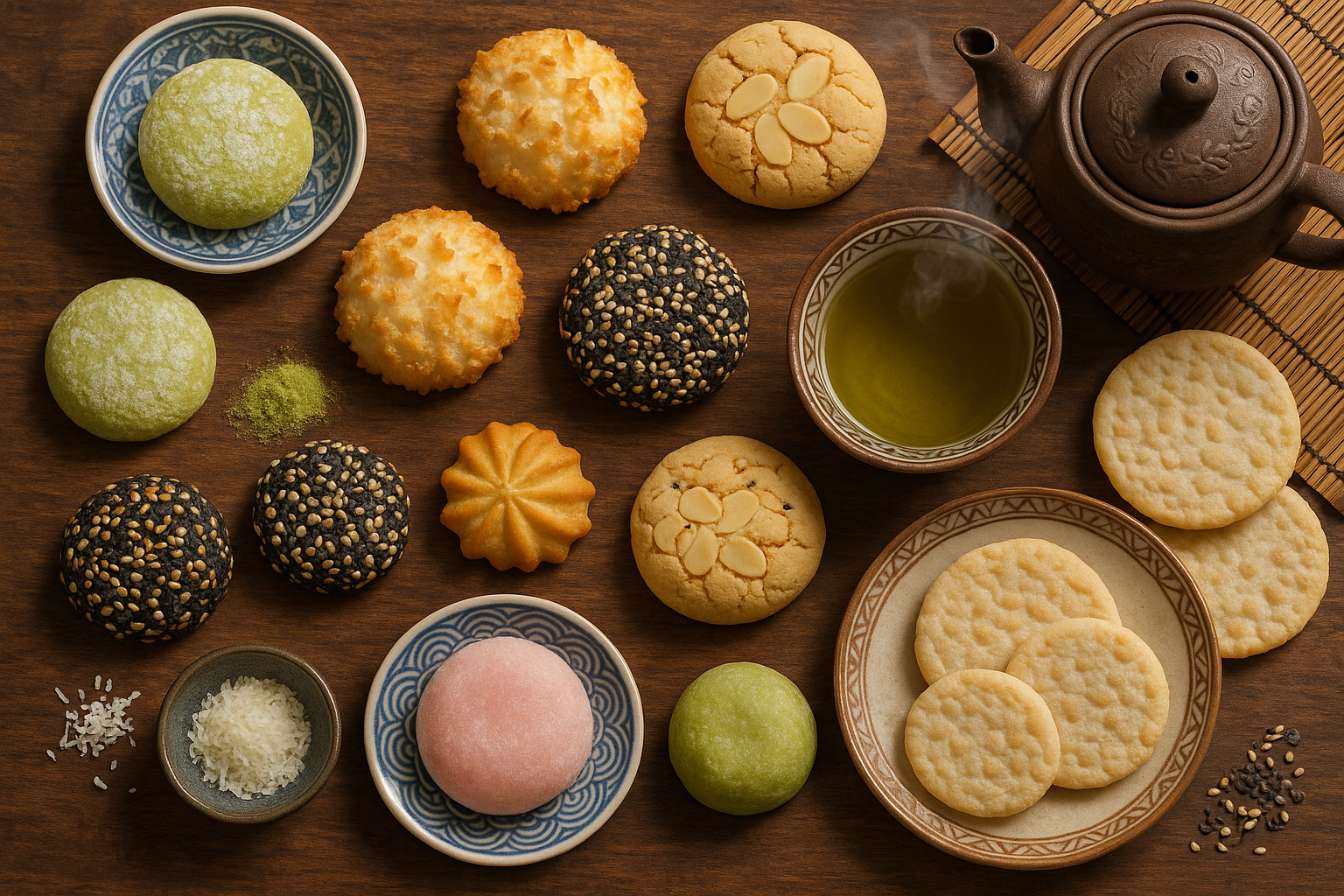
Japanese Cookie Delights
Matcha Cookies
Japanese matcha cookies deliver earthy, slightly bitter notes balanced with subtle sweetness. Additionally, these vibrant green treats showcase the ceremonial tea powder that defines Japanese tea culture. The distinctive flavor profile makes these cookies perfect companions for afternoon tea or coffee.
Matcha Cookies Ingredients:
- 2 cups all-purpose flour
- 1/4 cup matcha powder
- 1/2 cup butter, softened
- 1/2 cup powdered sugar
- 1 egg yolk
- 2 tablespoons milk
- 1/4 teaspoon salt
Instructions:
- Cream butter and powdered sugar until light and fluffy
- Mix in egg yolk and milk until well combined
- Sift together flour, matcha powder, and salt in separate bowl
- Gradually add dry ingredients to butter mixture
- Roll dough into balls and flatten slightly on baking sheet
- Bake at 350°F for 12-15 minutes until edges are set
- Cool completely before serving
Dorayaki Cookies
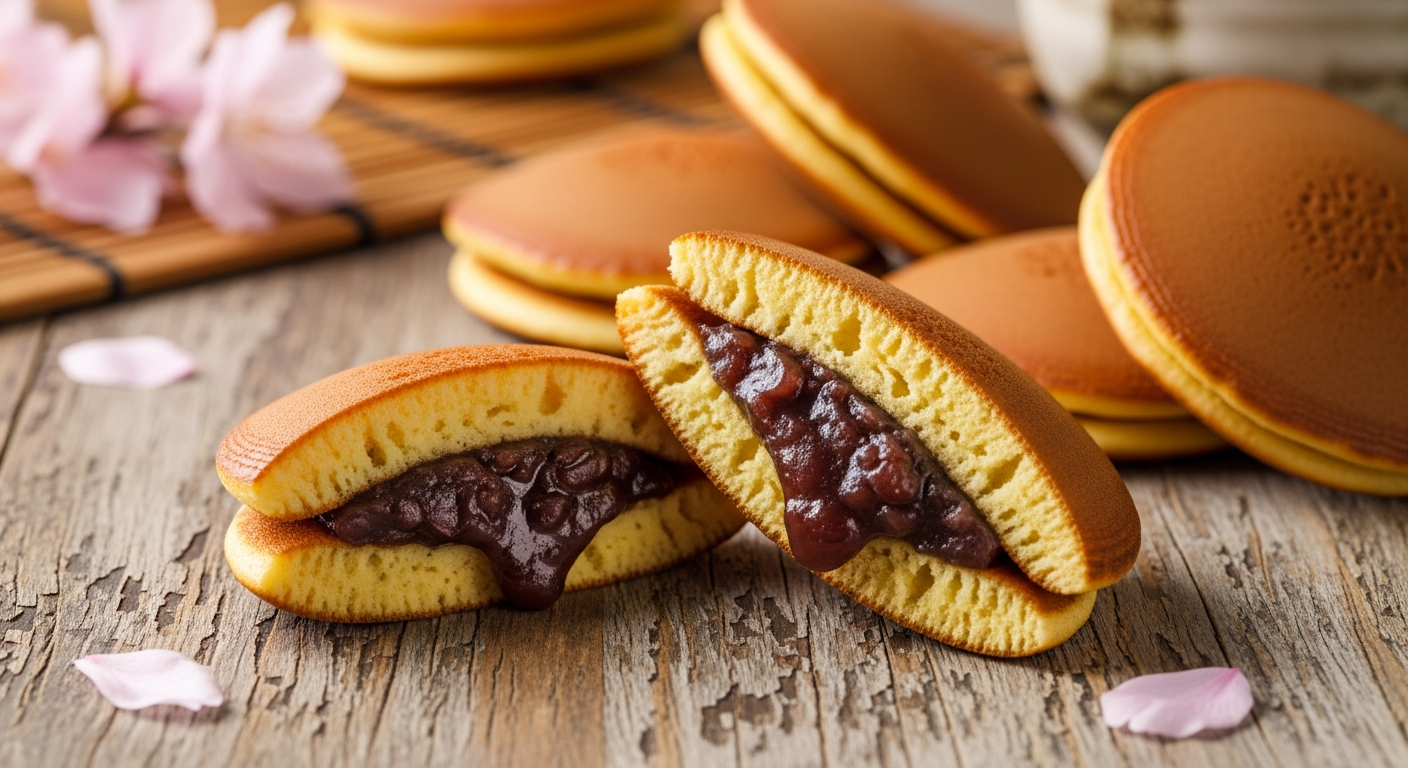
These pancake-like cookies sandwich sweet red bean paste between two fluffy rounds. Consequently, they offer a unique texture that’s both cake-like and cookie-crisp. The honey-sweetened exterior provides the perfect complement to the traditional azuki bean filling.
Dorayaki Cookies Ingredients:
- 1 1/2 cups all-purpose flour
- 1/2 cup sugar
- 3 eggs
- 1/4 cup honey
- 1 teaspoon baking powder
- 1/4 cup milk
- 1 cup sweet red bean paste
- 2 tablespoons vegetable oil
Instructions:
- Whisk eggs and sugar until pale and thick
- Add honey, milk, and oil to egg mixture
- Combine flour and baking powder in separate bowl
- Fold dry ingredients into wet ingredients until smooth
- Heat non-stick pan over medium-low heat
- Pour small circles of batter and cook until bubbles form
- Flip and cook until golden brown
- Sandwich red bean paste between cooled cookies
Korean Sweet Innovations
Bungeoppang Cookies
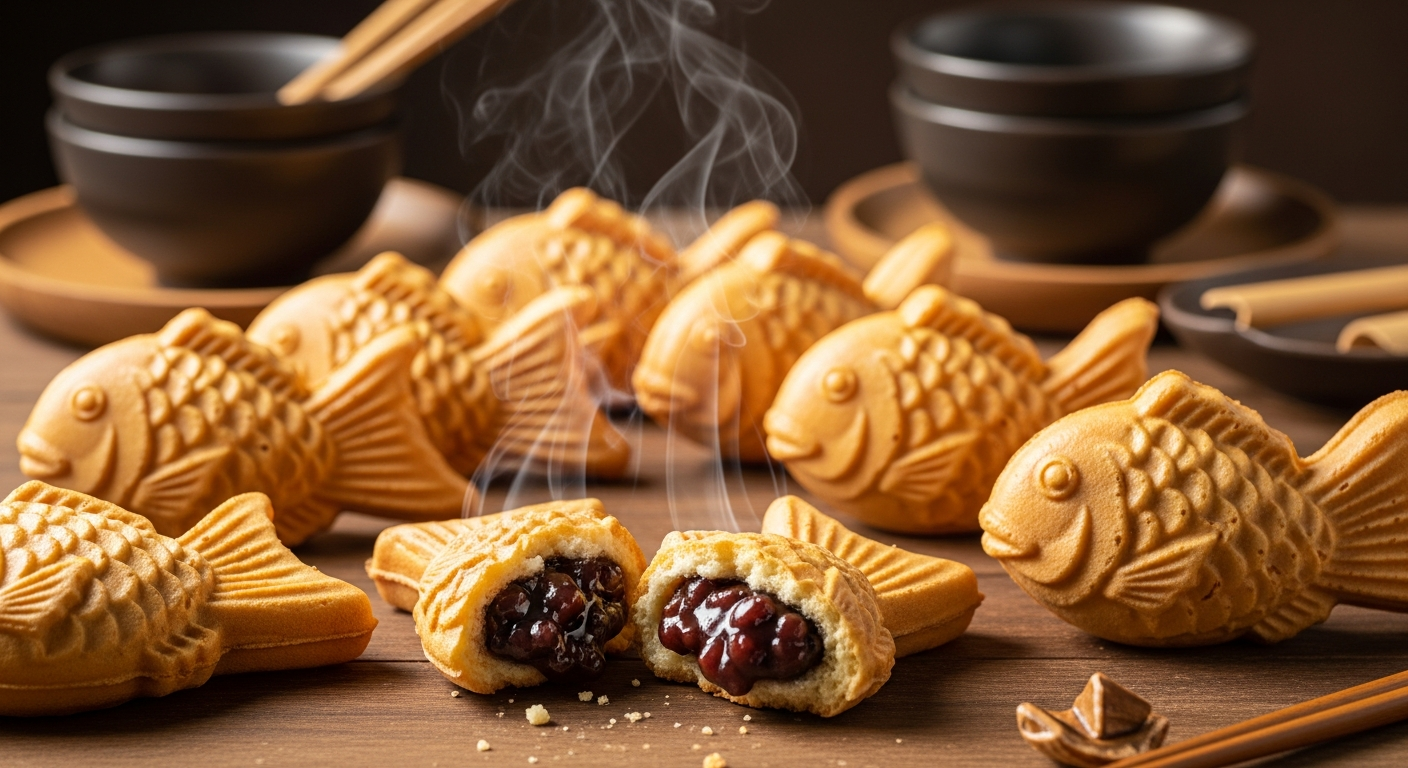
Traditionally fish-shaped pastries, these cookie versions maintain the beloved sweet potato or red bean fillings. However, the cookie format makes them easier to enjoy as portable snacks. The crispy exterior gives way to smooth, sweet centers that burst with flavor.
Bungeoppang Cookies Ingredients:
- 2 cups all-purpose flour
- 1/2 cup sugar
- 1/4 cup butter, melted
- 2 eggs
- 1/2 cup milk
- 1 teaspoon vanilla extract
- 1 cup sweet potato paste
- 1 teaspoon baking powder
- Pinch of salt
Instructions:
- Mix flour, sugar, baking powder, and salt in large bowl
- Whisk together eggs, milk, melted butter, and vanilla
- Combine wet and dry ingredients until smooth dough forms
- Roll dough thin and cut into fish shapes using cookie cutter
- Place sweet potato paste on half the shapes
- Top with remaining shapes and seal edges with fork
- Bake at 375°F for 15-18 minutes until golden
- Cool on wire rack before serving
Hotteok Cookies
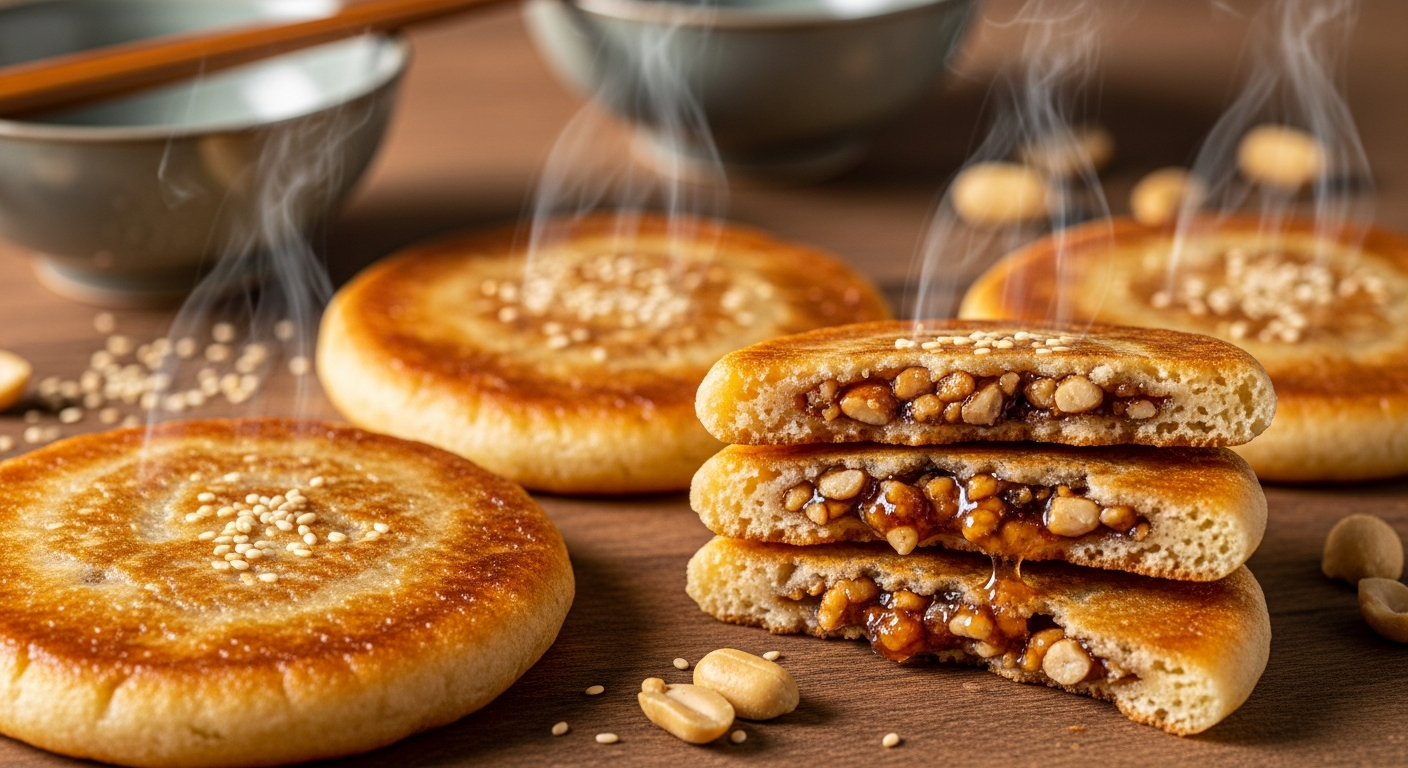
Inspired by Korean street food pancakes, these cookies feature cinnamon-sugar centers. Furthermore, they capture the essence of the beloved winter treat in a convenient cookie form. The brown sugar filling creates delightful pockets of sweetness throughout each bite.
Chinese Traditional Favorites
Almond Cookies
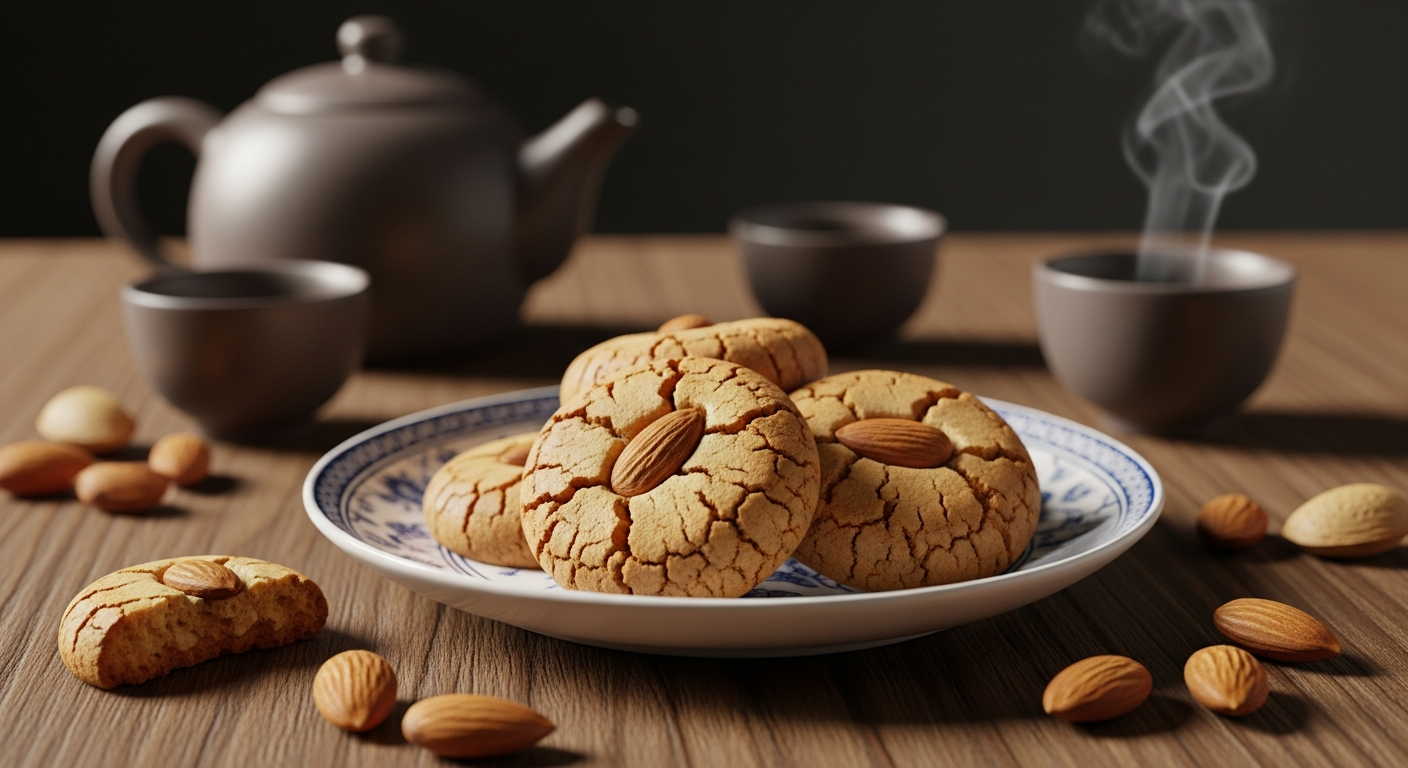
Chinese almond cookies offer rich, buttery textures with distinctive almond flavors. Source Moreover, these golden treats often feature whole almonds pressed into their centers as decoration. The crumbly texture melts beautifully on the tongue.
Chinese Almond Cookies Ingredients:
- 2 cups all-purpose flour
- 1/2 cup lard or shortening
- 1/2 cup sugar
- 1 egg
- 1 teaspoon almond extract
- 1/2 teaspoon baking powder
- 1/4 teaspoon salt
- 24 whole almonds for decoration
- 1 egg yolk for brushing
Instructions:
- Cream lard and sugar until light and fluffy
- Beat in whole egg and almond extract
- Sift flour, baking powder, and salt together
- Gradually add dry ingredients to creamed mixture
- Form dough into small balls and place on baking sheet
- Press one almond into center of each cookie
- Brush tops with beaten egg yolk
- Bake at 350°F for 15-20 minutes until golden brown
Fortune Cookies
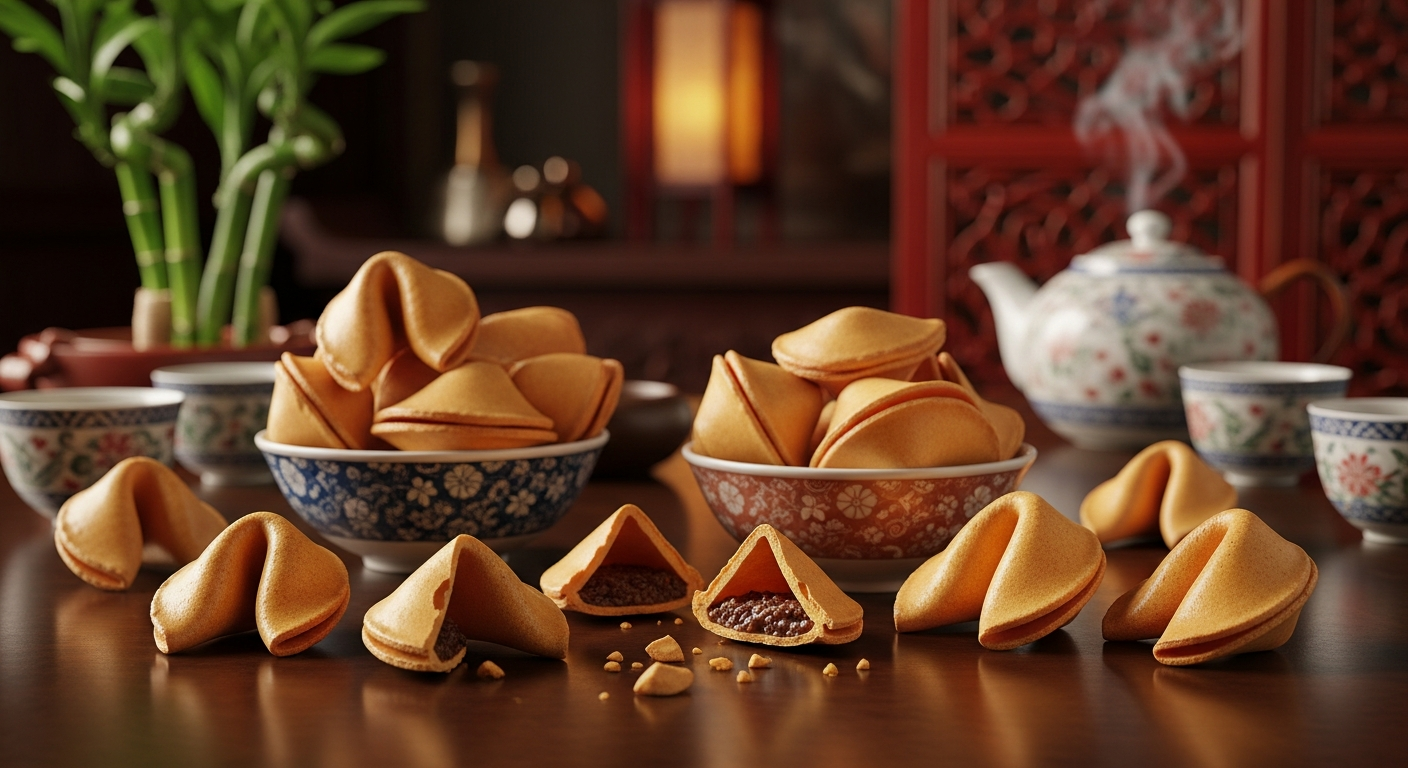
These crispy, folded cookies contain paper fortunes and represent good luck. Source Additionally, their unique shape and light, crunchy texture make them instantly recognizable. The vanilla-scented cookies provide the perfect neutral backdrop for their inspirational messages.
Fortune Cookies Ingredients:
- 1/2 cup all-purpose flour
- 1/2 cup sugar
- 2 tablespoons cornstarch
- 1/4 teaspoon salt
- 1/4 cup vegetable oil
- 2 egg whites
- 1 tablespoon water
- 1 teaspoon vanilla extract
- Fortune papers
Instructions:
- Preheat oven to 375°F and line baking sheet with parchment
- Whisk together flour, sugar, cornstarch, and salt
- Mix oil, egg whites, water, and vanilla in separate bowl
- Combine wet and dry ingredients until smooth
- Pour thin circles of batter onto prepared baking sheet
- Bake for 8-10 minutes until edges are golden
- Working quickly, place fortune in center and fold while warm
- Hold shape until cookies cool and set
Southeast Asian Treasures
Filipino Polvoron Cookies
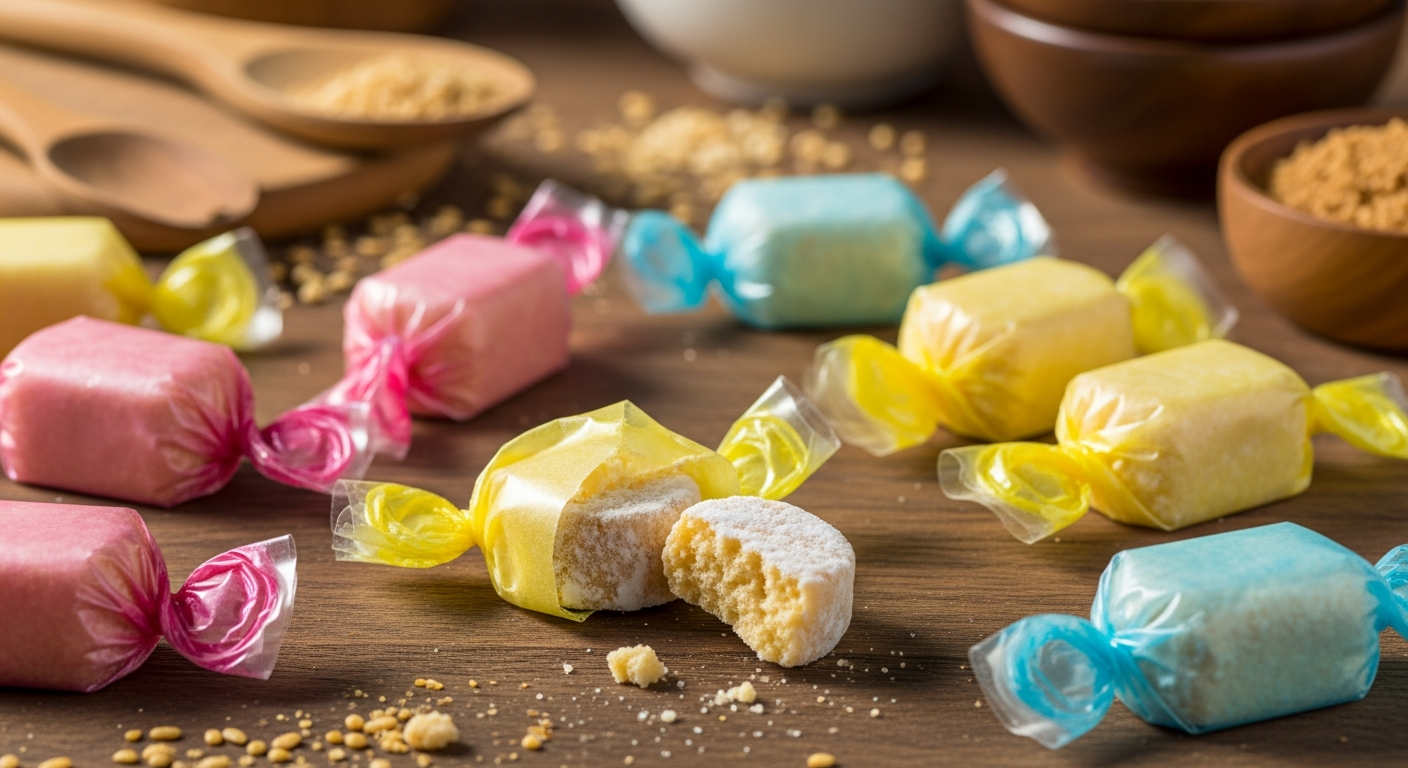
These powdery, melt-in-your-mouth cookies combine toasted flour with milk powder. Consequently, they create an incredibly unique texture that dissolves instantly on the tongue. Traditional versions often include crushed cashews or pinipig (rice crispies) for added texture.
Polvoron Cookies Ingredients:
- 2 cups all-purpose flour
- 1 cup powdered milk
- 1/2 cup sugar
- 1/2 cup butter, melted
- 1/2 cup crushed cashews
- Cellophane wrappers
Instructions:
- Toast flour in dry pan over medium heat until golden brown
- Cool toasted flour completely
- Mix toasted flour, powdered milk, and sugar in bowl
- Add melted butter and crushed cashews
- Mix until mixture holds together when pressed
- Press mixture firmly into polvoron molds or small cups
- Remove from molds and wrap individually in cellophane
- Chill for 30 minutes before serving
Thai Coconut Cookies
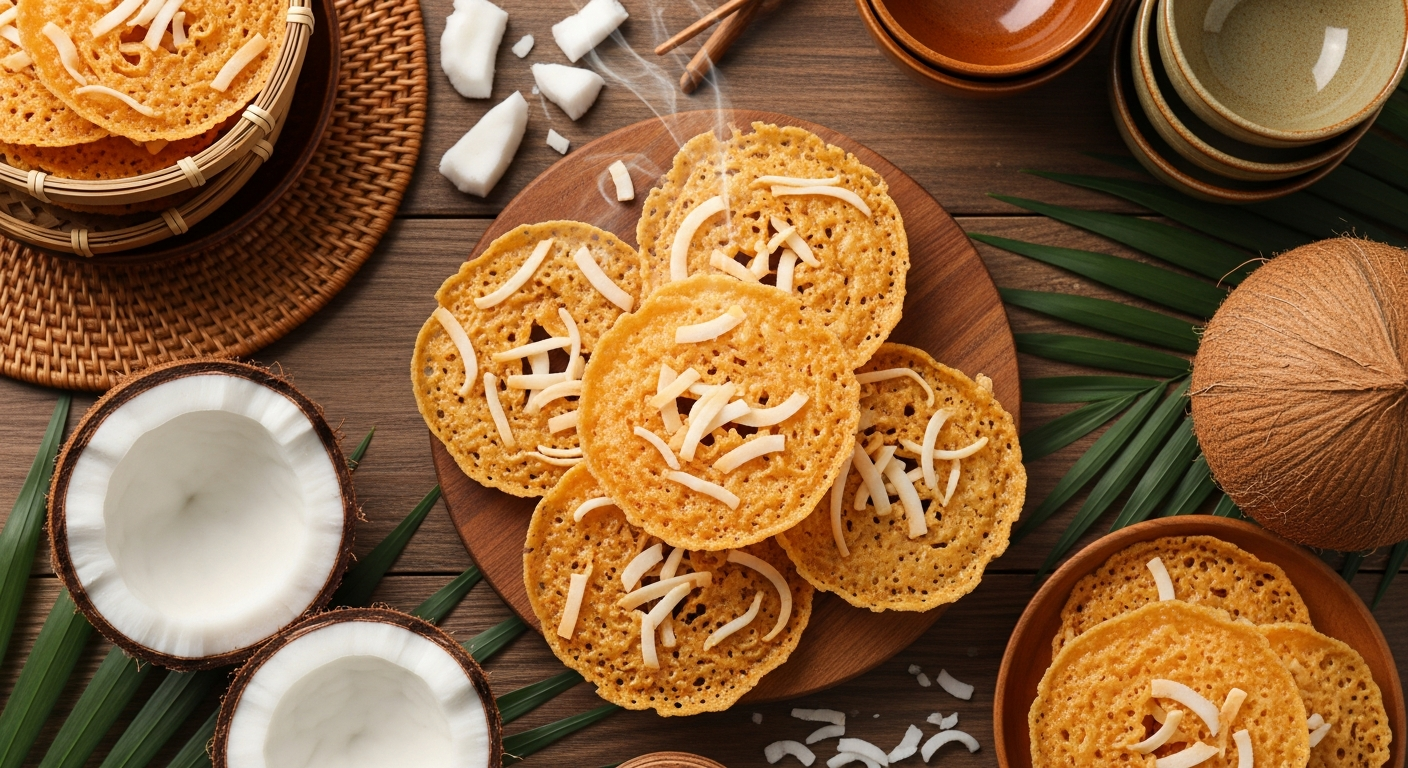
These tropical treats showcase coconut in multiple forms – shredded, milk, and oil. Furthermore, they often feature pandan leaves for natural green coloring and distinctive aroma. The chewy texture and intense coconut flavor transport you straight to tropical beaches.
Thai Coconut Cookies Ingredients:
- 2 cups shredded coconut
- 1/2 cup coconut milk
- 1/2 cup sugar
- 1/4 cup rice flour
- 2 eggs
- 1/4 teaspoon salt
- 1 teaspoon pandan extract (optional)
- Green food coloring (optional)
Instructions:
- Mix shredded coconut, sugar, and salt in large bowl
- Whisk coconut milk, eggs, and pandan extract together
- Add wet ingredients to coconut mixture
- Stir in rice flour until well combined
- Add green coloring if using pandan extract
- Drop spoonfuls onto parchment-lined baking sheet
- Bake at 325°F for 15-20 minutes until edges are golden
- Cool completely before removing from pan
Indonesian Specialties
Nastar Cookies
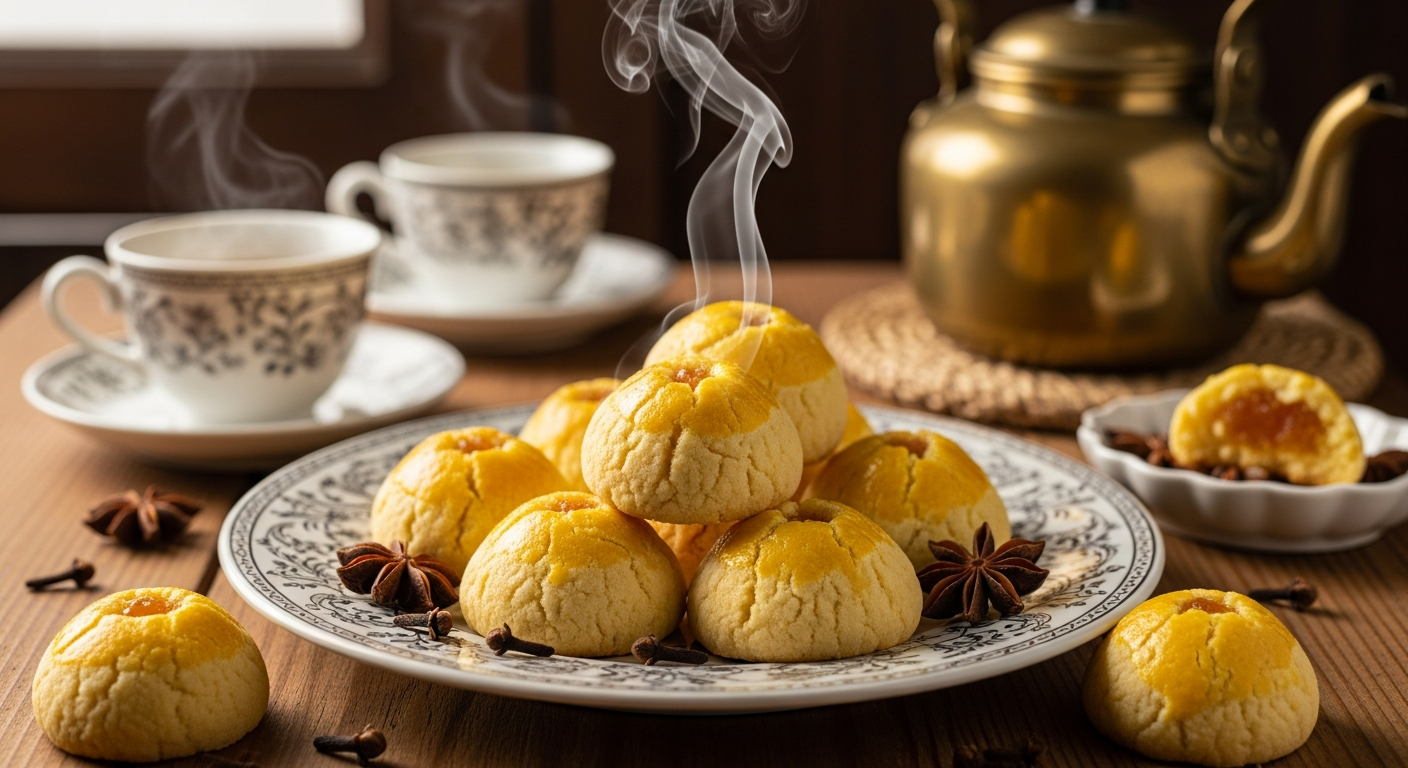
These buttery cookies feature pineapple jam centers wrapped in tender pastry. Moreover, they represent celebration and prosperity in Indonesian culture. The sweet-tart pineapple filling provides perfect contrast to the rich, crumbly exterior.
Nastar Cookies Ingredients:
- 2 cups all-purpose flour
- 1/2 cup butter, softened
- 4 egg yolks
- 1/4 cup powdered sugar
- 1/4 teaspoon salt
- 1 cup pineapple jam
- 2 egg yolks for brushing
Instructions:
- Cream butter and powdered sugar until fluffy
- Beat in 4 egg yolks one at a time
- Mix flour and salt, then add to butter mixture
- Knead until smooth dough forms
- Wrap small portions of dough around pineapple jam
- Shape into small balls and place on baking sheet
- Brush tops with remaining beaten egg yolks
- Bake at 350°F for 20-25 minutes until golden
Kue Kering
These delicate Indonesian cookies come in countless varieties and shapes. Additionally, they often feature intricate designs pressed into their surfaces. The light, crispy texture makes them perfect accompaniments to tea or coffee.
Malaysian Delights
Pineapple Tarts
Similar to Indonesian nastar, Malaysian pineapple tarts feature distinctive open-top designs. Furthermore, the pineapple filling often includes spices like cinnamon and star anise. These cookies represent hospitality and good fortune during festive seasons.
Kuih Bangkit
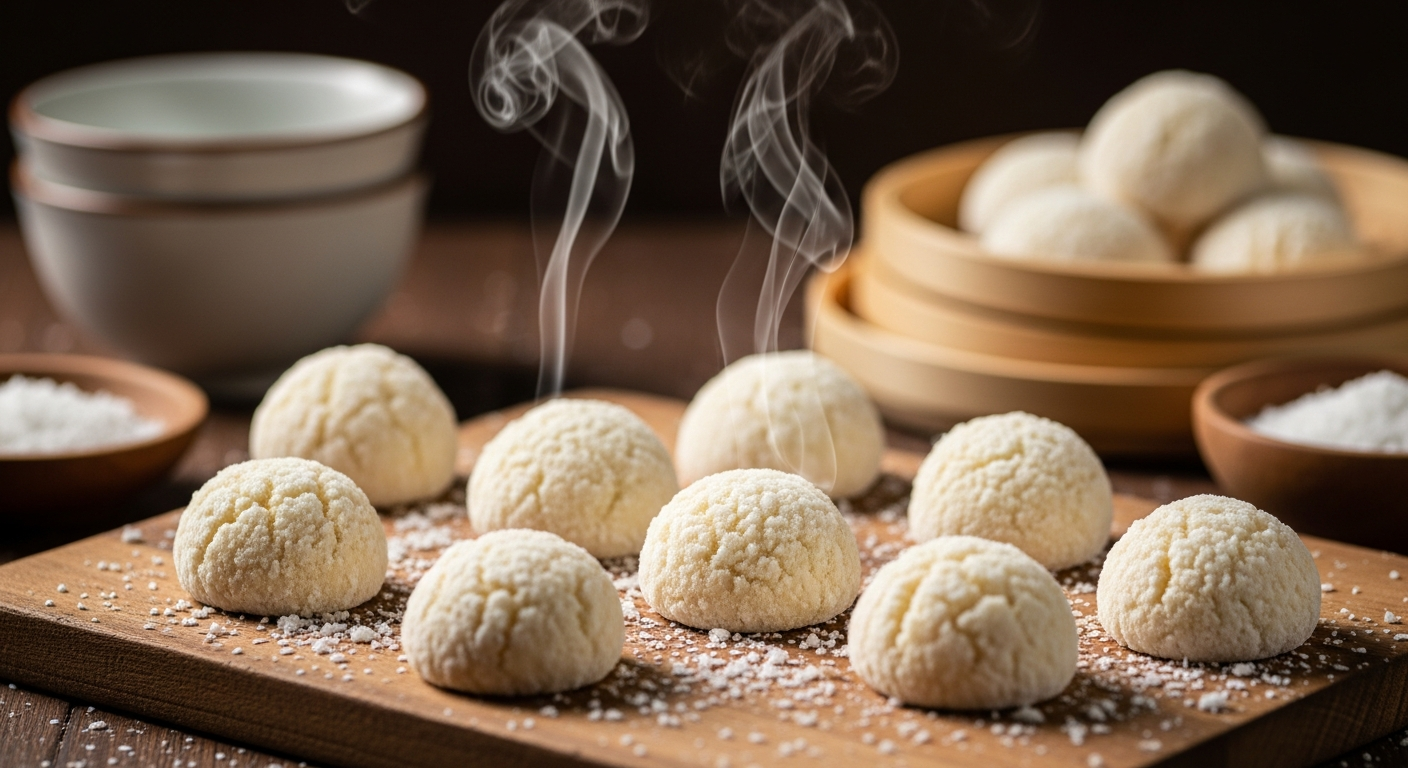
These melt-in-your-mouth cookies use tapioca starch for their unique texture. Consequently, they dissolve instantly when eaten, leaving behind subtle coconut flavors. The snowy white appearance makes them popular during Chinese New Year celebrations.
Indian Subcontinent Sweets
Nan Khatai
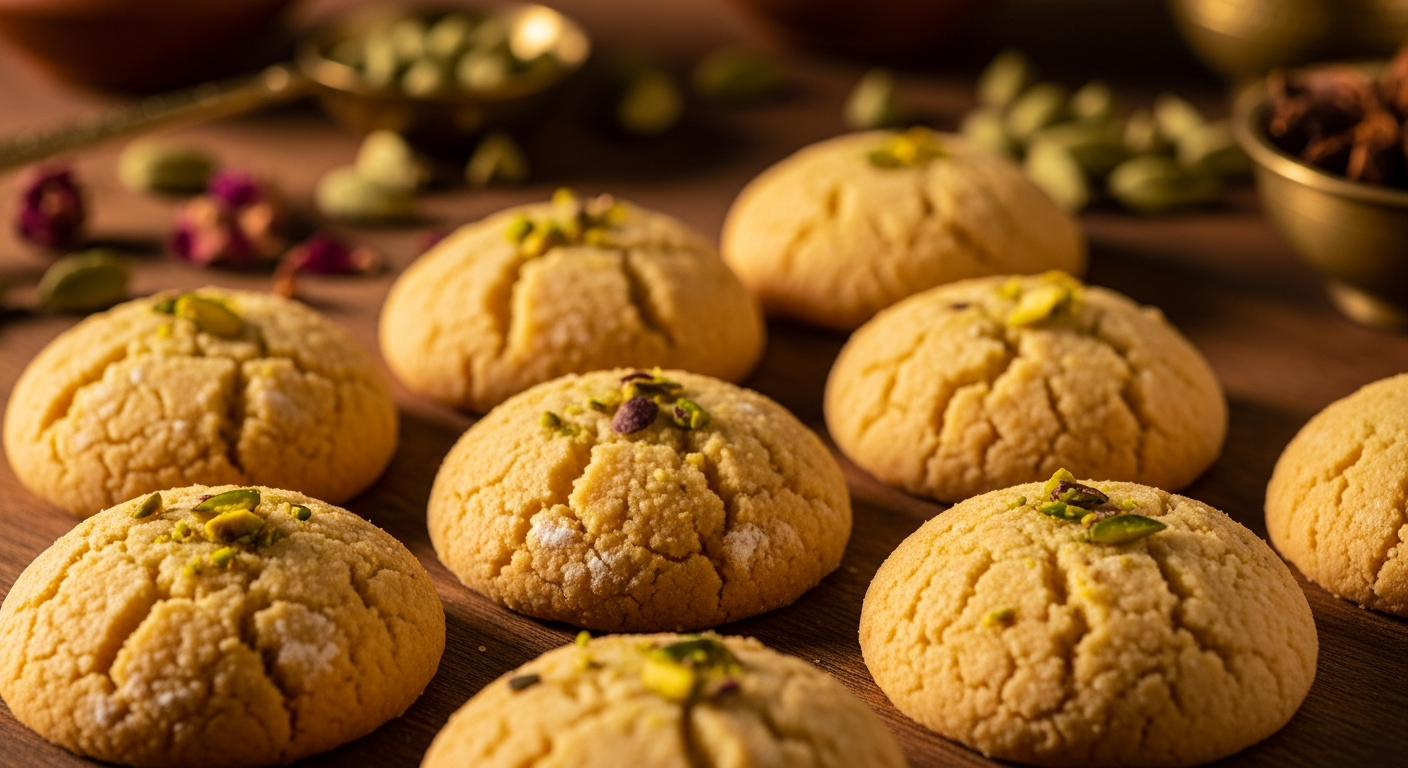
These cardamom-scented cookies blend Indian spices with European baking techniques. Moreover, they often feature pistachios or almonds pressed into their centers. The fragrant cardamom provides warming notes that complement the buttery base perfectly.
Nan Khatai Ingredients:
- 1 cup all-purpose flour
- 1/2 cup ghee or butter
- 1/2 cup powdered sugar
- 1/4 cup semolina
- 1/2 teaspoon cardamom powder
- 1/4 teaspoon baking soda
- 2 tablespoons milk
- Pistachios for decoration
Instructions:
- Cream ghee and powdered sugar until light
- Mix flour, semolina, cardamom, and baking soda
- Add dry ingredients to creamed mixture alternately with milk
- Form into small balls and flatten slightly
- Press pistachio into center of each cookie
- Bake at 325°F for 15-18 minutes until lightly golden
- Cool on wire rack before storing
- Store in airtight container for up to one week
Osmania Biscuits
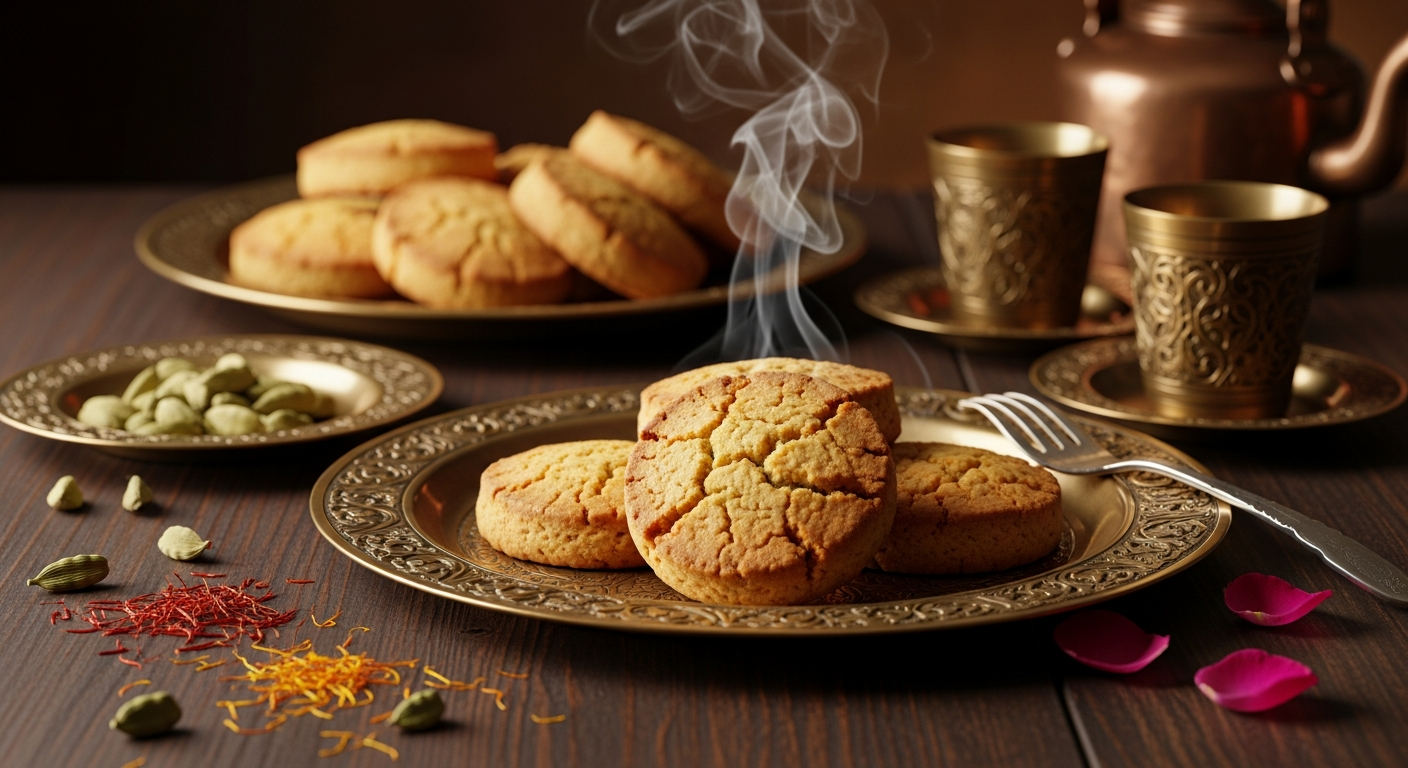
Originating from Hyderabad, these salty-sweet cookies pair perfectly with chai tea. Additionally, they feature a unique combination of salt and sugar that creates complex flavor profiles. The crispy texture and distinctive taste make them beloved throughout India.
Baking Tips for Success
Achieving perfect Asian cookies requires attention to specific techniques and ingredients. Furthermore, many recipes call for specialized ingredients available at Asian grocery stores. Investing in quality matcha powder, coconut products, and authentic extracts significantly improves final results.
Temperature control proves crucial for delicate cookies like polvoron and kuih bangkit. Moreover, these cookies require gentle handling to maintain their characteristic textures. Storing them properly in airtight containers preserves their unique qualities.
Cultural Significance and Traditions
Asian cookies carry deep cultural meanings beyond their delicious flavors. Additionally, many varieties appear during specific festivals and celebrations throughout the year. Understanding these connections enriches the baking and eating experience.
Family recipes often pass down through generations, preserving authentic techniques and flavor combinations. Furthermore, these cookies serve as edible links to ancestral traditions and cultural identity. Sharing them creates bonds between communities and introduces others to rich culinary heritage.
Modern Adaptations and Fusion
Contemporary bakers increasingly experiment with traditional Asian cookie recipes, creating exciting fusion varieties. Moreover, health-conscious adaptations incorporate alternative flours and reduced sugar content. These innovations respect traditional flavors while meeting modern dietary preferences.
Restaurants and bakeries worldwide now feature Asian-inspired cookies on their menus. Consequently, these once-regional specialties gain international recognition and appreciation. The growing popularity encourages cultural exchange through food.
Conclusion
Asian cookies offer incredible diversity in flavors, textures, and cultural significance that extends far beyond simple sweet treats. From Japan’s delicate matcha creations to the Philippines’ unique polvoron, each variety tells stories of tradition, innovation, and cultural pride. These fifteen cookies represent just a small sampling of the vast world of Asian confections waiting to be discovered.
Exploring these recipes opens doors to new culinary adventures while honoring the rich traditions behind each creation. Whether you’re seeking the earthy complexity of matcha cookies or the tropical sweetness of coconut treats, Asian cookies provide endless opportunities for delicious discoveries. Furthermore, sharing these homemade treasures with family and friends creates lasting memories while celebrating the beautiful diversity of Asian culinary heritage.
For professional cookie baking results, a quality asian cookie cutter set is an essential addition to your kitchen toolkit. Additionally, a wooden rolling pin provides the right balance of weight and control to achieve the perfect dough thickness. You’ll also find that a non-stick baking mat is a reusable alternative to parchment paper that prevents sticking and ensures easy cleanup. Another essential tool is mooncake mold creates beautiful, authentic designs for traditional Asian cookies with intricate patterns. Finally, a cookie press allows you to create uniform, professional-looking cookies with consistent shapes and ease.
As an Amazon Associate, I earn from qualifying purchases.
Your Asian Cookie Journey Starts Here
From the delicate, buttery crumble of Japanese matcha shortbread to the aromatic cardamom-spiced nankhatai from India, and the beloved Filipino polvoron in between, we hope this roundup has shown you just how wonderfully diverse asian cookies can be. Each country brings its own unique pantry staples, time-honored techniques, and cultural stories to the table — and the result is a world of asian cookie flavors that goes so far beyond what you might find at your local bakery. Whether you’re drawn to the subtle floral notes of pandan, the richness of sesame, or the satisfying snap of almond cookies, there truly is something here for every kind of sweet tooth.
The best part? You don’t need a plane ticket to experience any of it. These asian cookie recipes are designed to be made right in your own kitchen, with ingredients that are increasingly easy to find at Asian grocery stores or even online. We encourage you to start with whichever recipe caught your eye first — maybe it reminded you of a childhood memory, a restaurant visit, or simply sounded delicious. Then work your way through the list. Bake them for your family, bring them to a gathering, or enjoy them quietly with a cup of tea. There’s no wrong way to explore a new cookie.
Here at The Cookie Diaries, our favorite thing is helping you discover that cookies are so much more than chocolate chip and snickerdoodle — as wonderful as those are! The world of asian cookies is rich, layered, and endlessly inspiring, and we’re so glad you’re exploring it with us. When you try one of these asian cookie recipes at home, we’d absolutely love to see how it turns out. Drop a comment below, tag us on social media, or share your experience with the Cookie Diaries community. Happy baking — your new favorite cookie might be just one recipe away! 🍪