
Beyond Chocolate Chip: Exploring International National Cookies
Cookies are a universal treat, beloved across cultures for their delightful textures and flavors. While chocolate chip cookies often steal the spotlight, a world of unique cookies awaits exploration. Each cookie tells a story, reflecting its culture’s culinary traditions and ingredients.
Alfajores: A South American Delight
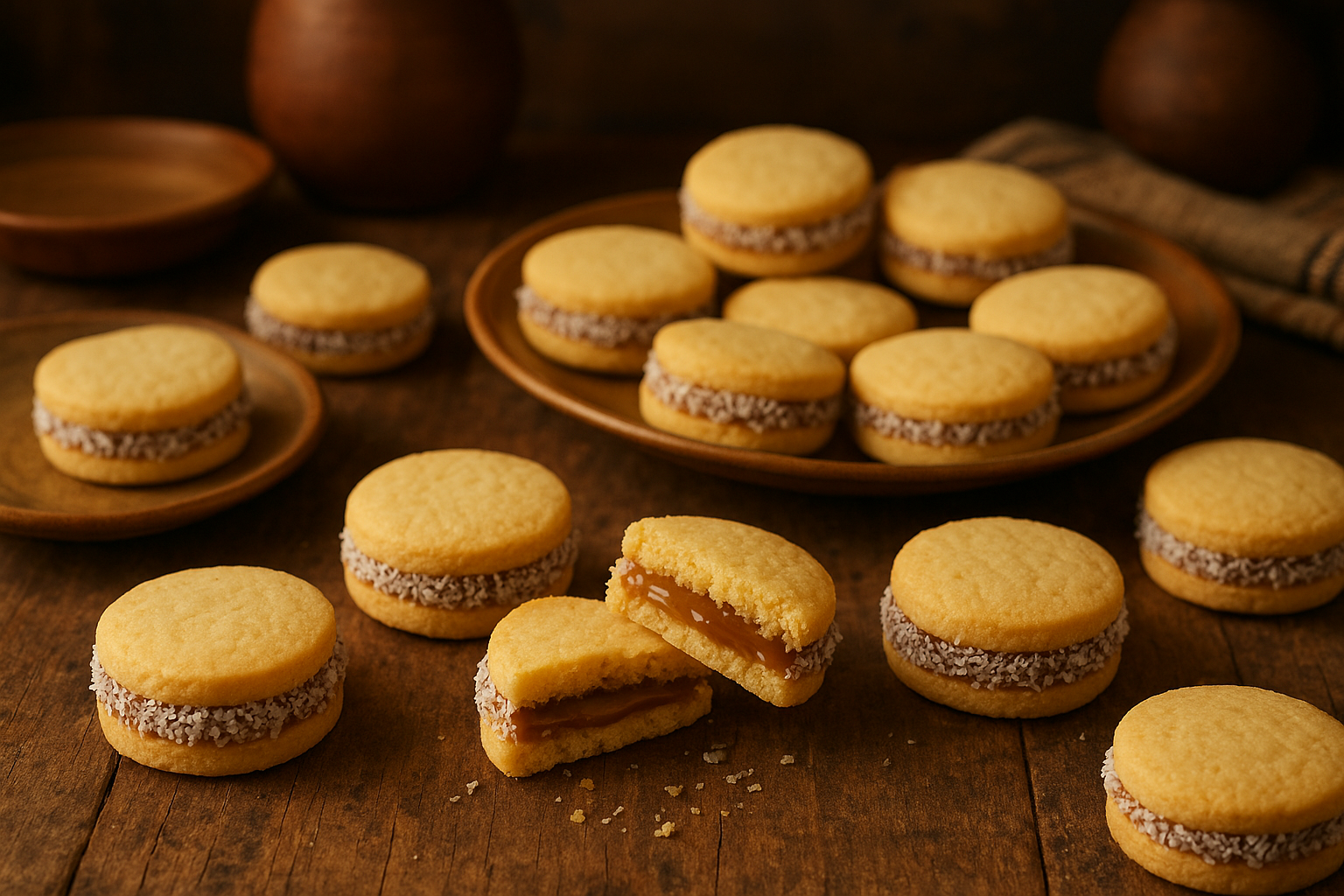
Alfajores, originating from South America, are a testament to the region’s rich culinary heritage. These sandwich cookies, filled with luscious dulce de leche, are often dusted with powdered sugar. They offer a sweet, creamy experience with every bite.
Alfajores Recipe
Ingredients:
- 2 cups flour
- 1 cup cornstarch
- 1 teaspoon baking powder
- 1/2 teaspoon salt
- 1 cup unsalted butter (softened)
- 3/4 cup sugar
- 2 egg yolks
- 1 tablespoon vanilla extract
- 1 cup dulce de leche
Instructions:
- Preheat oven to 350°F (175°C). Line baking sheet with parchment paper.
- Combine flour, cornstarch, baking powder, and salt in a bowl.
- In another bowl, cream butter and sugar until fluffy. Add egg yolks and vanilla.
- Gradually mix in dry ingredients until dough forms.
- Roll dough to 1/4-inch thickness. Cut into circles.
- Bake for 10-12 minutes. Cool completely.
- Spread dulce de leche on one cookie, top with another.
- Dust with powdered sugar before serving.
Stroopwafels: Dutch Sweetness
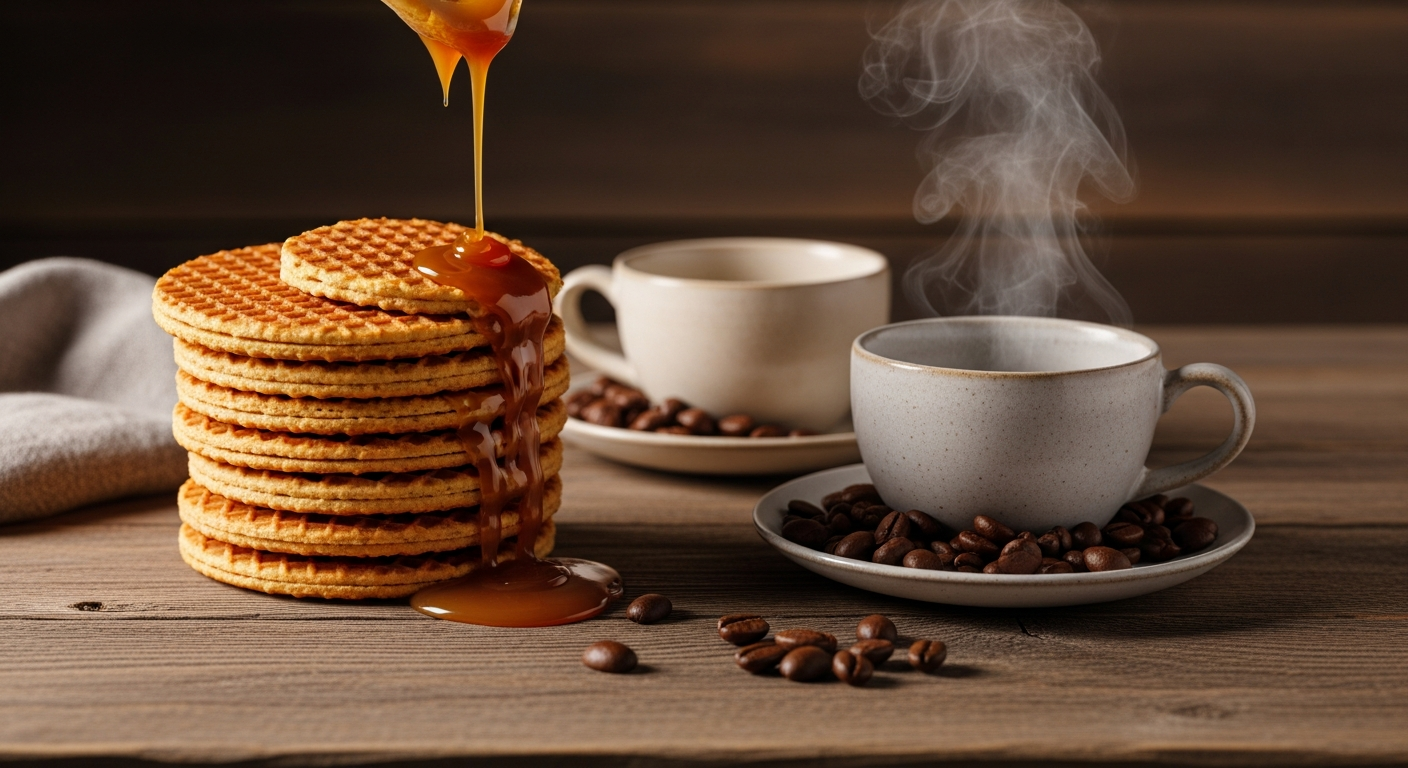
Stroopwafels, a Dutch favorite, consist of two thin waffles sandwiching a caramel syrup filling. Originating in the Netherlands, they are perfect for pairing with coffee or tea. Their chewy, caramelized texture provides a unique twist on traditional cookies.
Stroopwafels Recipe
Ingredients:
- 2 cups flour
- 1/2 cup sugar
- 1/4 teaspoon cinnamon
- 1 cup unsalted butter (melted)
- 2 eggs
- 1 teaspoon vanilla extract
- 1 cup brown sugar
- 1/2 cup butter
- 1/4 cup corn syrup
Instructions:
- Combine flour, sugar, and cinnamon in a bowl.
- Stir in melted butter, eggs, and vanilla. Knead until smooth.
- Divide dough into small balls. Press in waffle iron until golden.
- In a saucepan, combine brown sugar, butter, and corn syrup. Cook until smooth.
- Spread syrup on one waffle, place another on top.
- Serve warm or at room temperature.
Anzac Biscuits: An Australian Tradition
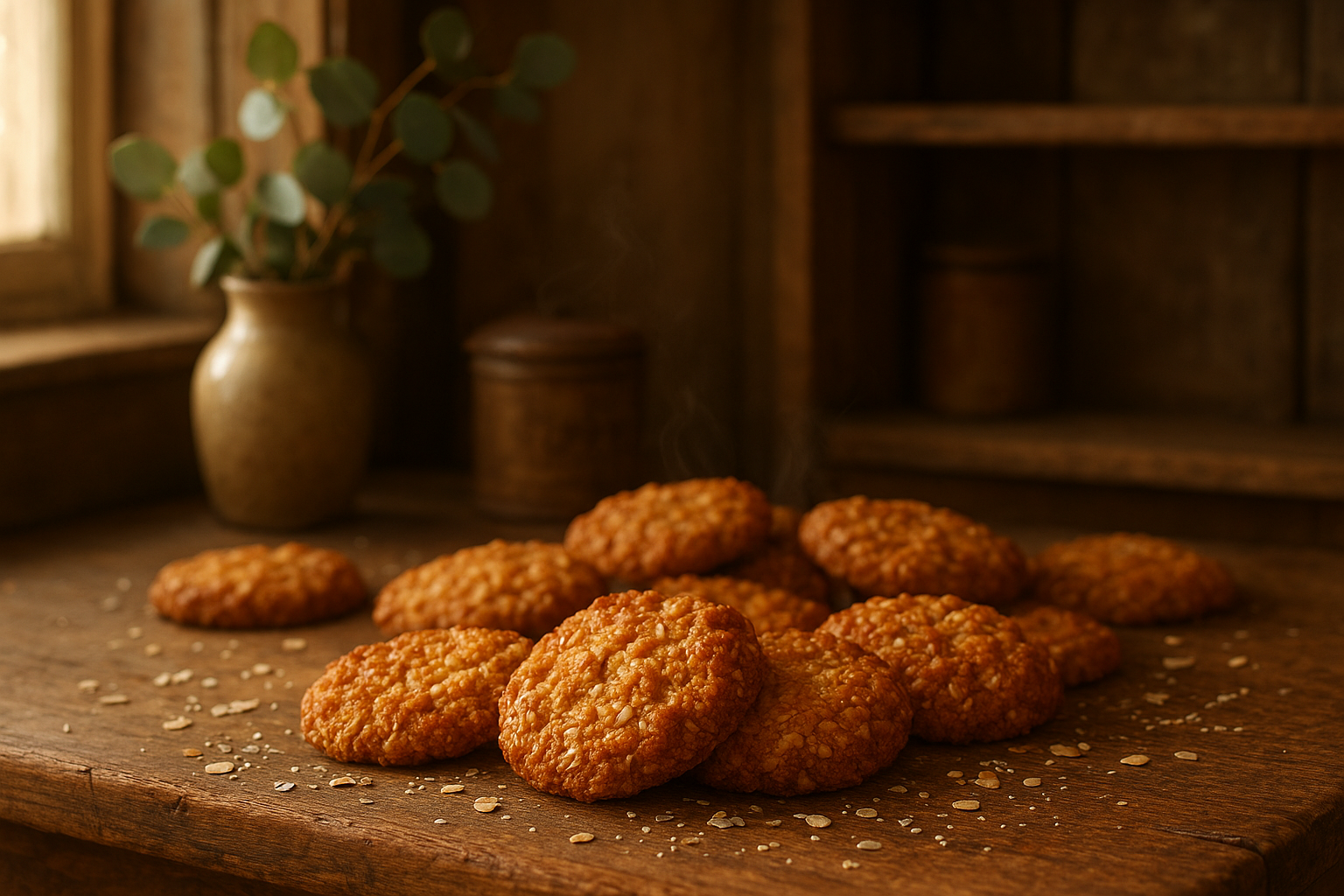
Anzac biscuits hold historical significance in Australia and New Zealand. Originally baked for soldiers in World War I, these cookies feature oats, coconut, and golden syrup. They offer a chewy, wholesome bite, embodying the spirit of resilience.
Anzac Biscuits Recipe
Ingredients:
- 1 cup rolled oats
- 1 cup flour
- 1 cup sugar
- 3/4 cup coconut (desiccated)
- 1/2 cup butter
- 2 tablespoons golden syrup
- 1 teaspoon baking soda
- 2 tablespoons boiling water
Instructions:
- Preheat oven to 350°F (175°C). Line baking tray with parchment.
- Combine oats, flour, sugar, and coconut in a bowl.
- Melt butter and golden syrup in a saucepan.
- Dissolve baking soda in boiling water. Add to butter mixture.
- Stir wet ingredients into dry. Mix well.
- Drop spoonfuls onto tray. Flatten slightly.
- Bake for 10-12 minutes. Cool on wire rack.
Pizzelle: Italian Elegance
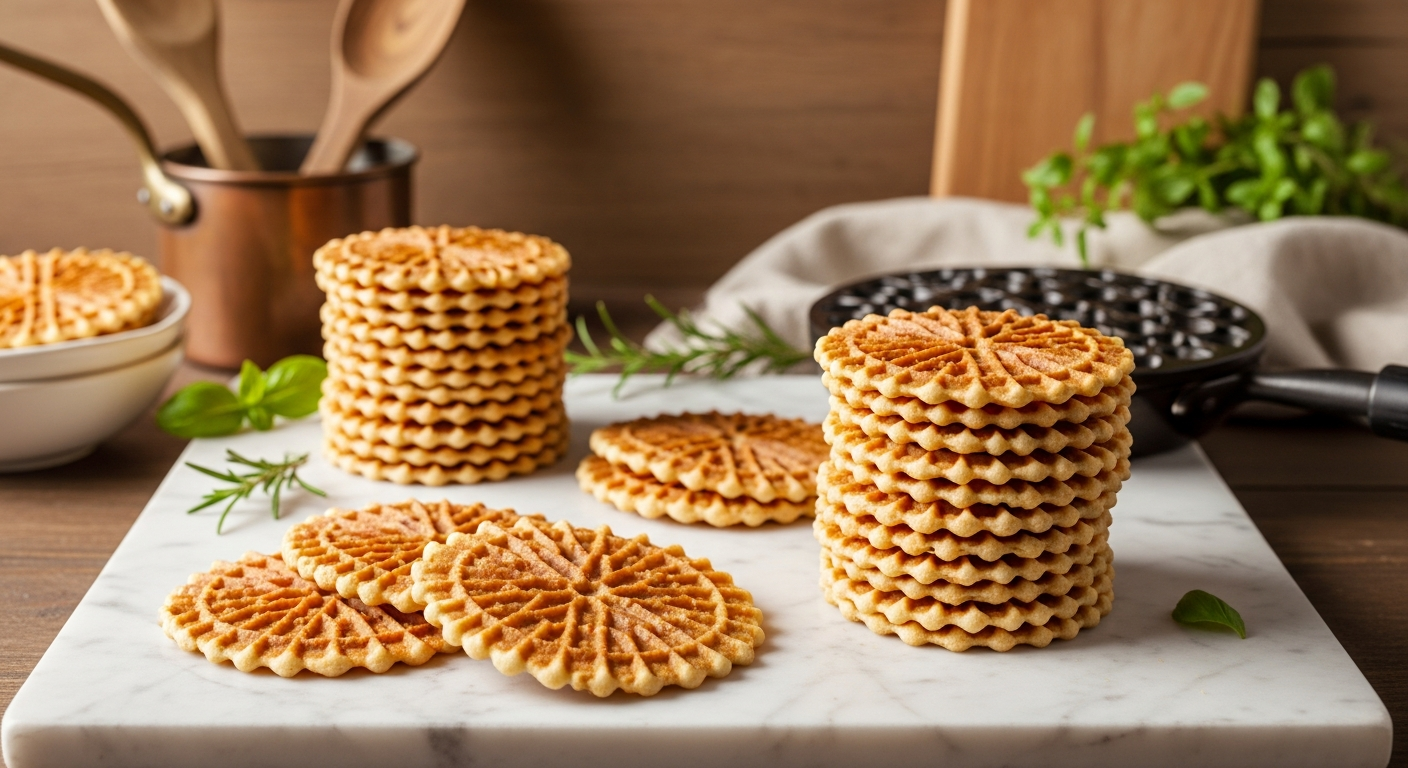
Pizzelle, originating from Italy, are thin, crisp cookies often flavored with anise. Traditionally baked for festive occasions, they boast intricate patterns from special irons. Their lightness and delicate flavor make them a timeless favorite.
Pizzelle Recipe
Ingredients:
- 3 eggs
- 3/4 cup sugar
- 1/2 cup butter (melted)
- 1 tablespoon vanilla extract
- 1 teaspoon anise extract
- 1 3/4 cups flour
- 2 teaspoons baking powder
Instructions:
- Beat eggs and sugar until thick.
- Stir in melted butter, vanilla, and anise extracts.
- Sift in flour and baking powder. Mix until smooth.
- Preheat pizzelle iron. Drop batter onto iron.
- Close iron and cook until golden.
- Cool on wire rack. Serve dusted with sugar.
Conclusion
Moving beyond the familiar chocolate chip, the realm of country national cookies is a vibrant portal, inviting us to embark on a delicious journey that transcends mere sweetness. Each unique confection is a miniature cultural ambassador, offering far more than just a delightful bite.
Edible Artifacts: Cookies as Cultural Storytellers
These cherished recipes are deeply interwoven with a nation’s history, geography, and social customs. They are:
- Reflections of Local Ingredients:
- A cookie’s primary components often highlight the agricultural bounty of its origin. Think of the abundant almonds in Italian amaretti, the rich butter of Scottish shortbread, or the date and semolina heart of Middle Eastern ma’amoul.
- Spices, too, tell tales of ancient trade routes and colonial influences, as seen in the warm, complex notes of Dutch speculaas or German lebkuchen.
- Echoes of History and Tradition:
- Many cookies are intrinsically linked to specific celebrations—holidays, weddings, festivals, or even periods of austerity. The resilience embodied in Australia and New Zealand’s Anzac Biscuits, for instance, speaks volumes about their wartime origins.
- Baking techniques themselves can be generations old, passed down through families, reflecting traditional kitchen practices and a reverence for heritage.
Beyond the Palate: A Culinary Deep Dive
Engaging with international cookie recipes is a truly immersive experience that:
- Expands Your Flavor Repertoire: You’ll encounter a vast spectrum of tastes and textures far beyond typical Western desserts. Discover the delicate chew of a Japanese mochi cookie, the crumbly richness of a Greek kourabiedes, or the surprising tang of a lemon-infused treat.
- Introduces New Baking Skills: From intricate pressing molds for Norwegian krumkake to delicate sandwiching techniques for French macarons, each cookie can teach you a unique method, enhancing your overall baking prowess.
- Fosters Global Appreciation: By understanding the context and ingredients behind a cookie, you gain a deeper appreciation for the ingenuity and culinary diversity of different cultures. It’s a tangible way to connect with the world from your own kitchen.
A World of Sweet Discoveries Awaits
The cookie universe is incredibly diverse, offering something for every preference:
- Mediterranean Marvels:
- Italy’s Biscotti are the quintessential crunchy, twice-baked almond cookies, perfect for dipping into coffee or vin santo.
- Greece’s Kourabiedes are buttery shortbread cookies, often infused with brandy and blanketed in a snowy layer of powdered sugar, traditionally enjoyed at Christmas and weddings.
- North Africa and the Middle East’s Ma’amoul are semolina-based pastries, typically filled with dates or nuts and shaped in decorative wooden molds, a staple during Eid al-Fitr.
- European Elegance:
- France’s Macarons stand as delicate, meringue-based sandwich cookies, celebrated for their vibrant colors and nuanced fillings.
- Germany’s Lebkuchen are spiced gingerbread cookies, often heart-shaped and decorated, a festive highlight during the Christmas season.
- Scotland’s Shortbread is the epitome of simplicity and richness, a buttery, crumbly delight that showcases the quality of its few ingredients.
- Latin American & Beyond:
- Argentina’s Alfajores, with their soft, melt-in-your-mouth texture, are typically dulce de leche-filled sandwich cookies, often rolled in coconut flakes.
- The Netherlands’ Stroopwafels consist of two thin waffles with a caramel-like syrup filling, best warmed over a cup of tea or coffee.
Venturing into these global cookie traditions is an enriching experience, transforming a simple snack into a profound exploration of global culinary heritage and the universal language of deliciousness. diverse cultures
What I Recommend
If you’re ready to dive deeper into the world of international cookies, a great cookie cookbook is the best place to start. Having a dedicated resource means you’ll have tested recipes, cultural context, and technique tips all in one place — no more piecing together half-translated recipes from obscure corners of the internet.
Many traditional international cookies — think German Lebkuchen, Swedish pepparkakor, or Dutch speculaas — are shaped cookies that truly shine with the right tools. A quality set of cookie cutters opens up so many possibilities, and having a variety of shapes means you can match the look of the cookie to its cultural roots.
No matter what country your cookie inspiration comes from, a reliable baking sheet makes all the difference in getting even browning and the right texture. The Nordic Ware Naturals Baker’s Half Sheet is the one I reach for every single time — it heats evenly, won’t warp, and holds up beautifully batch after batch.
Once your cookies come out of the oven, proper cooling is key to achieving the right final texture, especially for delicate international varieties like Italian pizzelle or French tuiles. A sturdy cooling rack lets air circulate underneath your cookies so they don’t steam and turn soggy on the bottom.
When you’re baking recipes from other countries, you’ll quickly notice that most of them use weight measurements rather than cups — and that’s actually a more accurate and reliable way to bake. A digital kitchen scale is a small investment that will immediately improve your results with international recipes and honestly, all of your baking in general.
If you want to take your decorated international cookies — like iced speculaas or piped Danish butter cookies — to the next level, a well-stocked cookie decorating kit gives you everything you need to add beautiful finishing touches. Having the right piping tips and tools on hand makes the decorating process so much more enjoyable and precise.
If French madeleines have caught your eye — and honestly, how could they not — you’ll need a proper madeleine pan to get those iconic shell shapes and the signature golden edges. It’s a specialty pan, but once you pull your first batch of warm, buttery madeleines out of the oven, you’ll be so glad you have it.
As an Amazon Associate, I earn from qualifying purchases.