
Cookies are a universal language of comfort and celebration. Every country offers a unique bite-sized piece of its culture. These sweet treats tell stories of history, tradition, and local flavors. Embark on a delicious journey around the globe with us. We will explore ten of the most iconic national cookies. Get your mixing bowls ready, because you will want to try baking these yourself.
1. Chocolate Chip Cookie (USA)
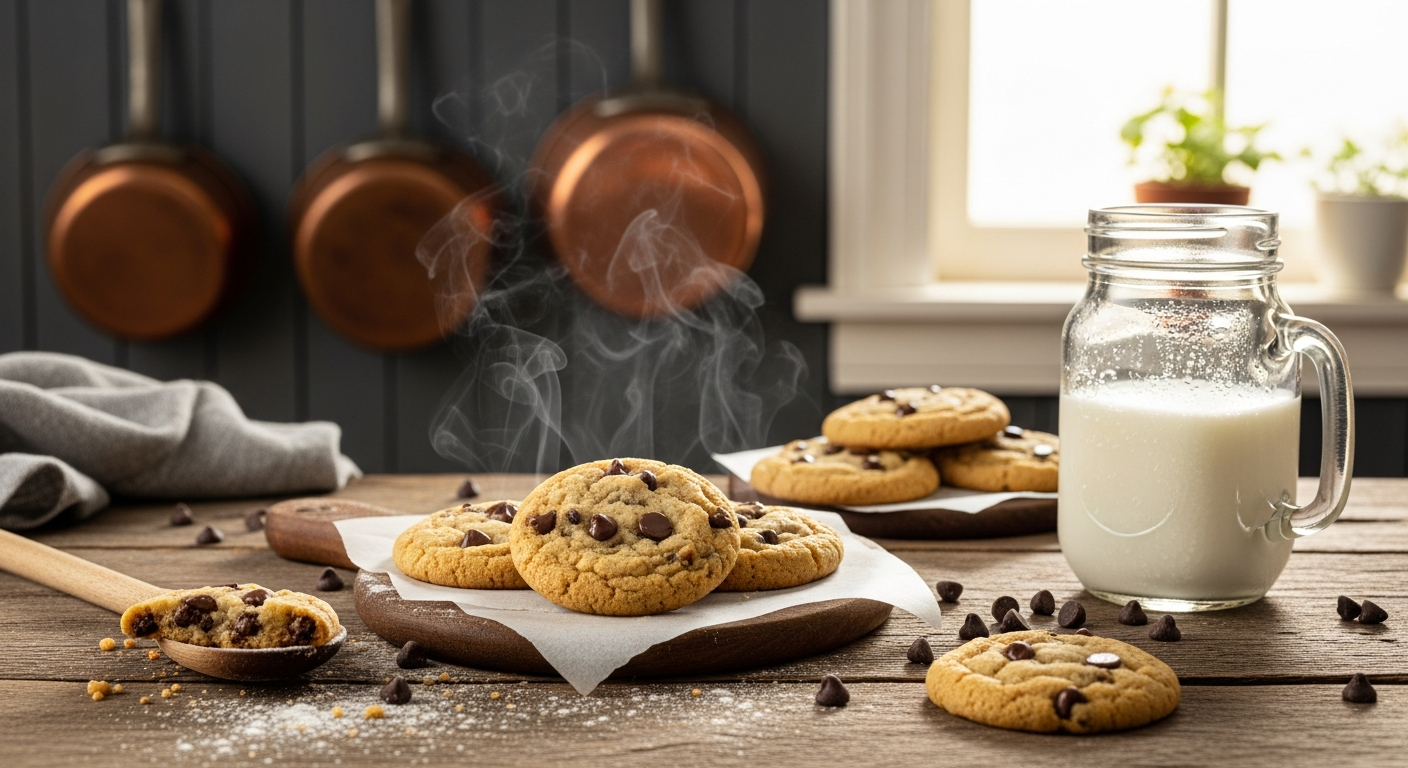
The chocolate chip cookie is a beloved American classic. Source Its story begins not in an ancient kitchen, but in a 1930s Massachusetts inn. Ruth Wakefield, owner of the Toll House Inn, famously invented the cookie by accident. . She expected chocolate chunks to melt into a chocolate cookie. Instead, the pieces held their shape, creating a delightful new texture. This happy accident gave the world one of its most popular treats.
These cookies offer a perfect balance of textures. They have crisp edges and a soft, chewy center. The buttery, brown sugar dough complements the semi-sweet chocolate morsels perfectly. It’s a simple yet irresistible combination.
Classic Chocolate Chip Cookies
Ingredients:
- 2 1/4 cups all-purpose flour
- 1 tsp baking soda
- 1 tsp salt
- 1 cup unsalted butter, softened
- 3/4 cup granulated sugar
- 3/4 cup packed brown sugar
- 1 tsp vanilla extract
- 2 large eggs
- 2 cups semi-sweet chocolate chips
Instructions:
- Preheat your oven to 375°F (190°C).
- In a small bowl, whisk together the flour, baking soda, and salt.
- In a separate large bowl, beat the softened butter, granulated sugar, and brown sugar until creamy.
- Add the vanilla and eggs one at a time, beating well after each addition.
- Gradually mix the dry ingredients into the wet mixture until just combined.
- Stir in the chocolate chips.
- Drop rounded tablespoons of dough onto ungreased baking sheets.
- Bake for 9 to 11 minutes, or until the edges are golden brown.
- Let them cool on the baking sheet for a few minutes before moving them to a wire rack.
2. Macaron (France)
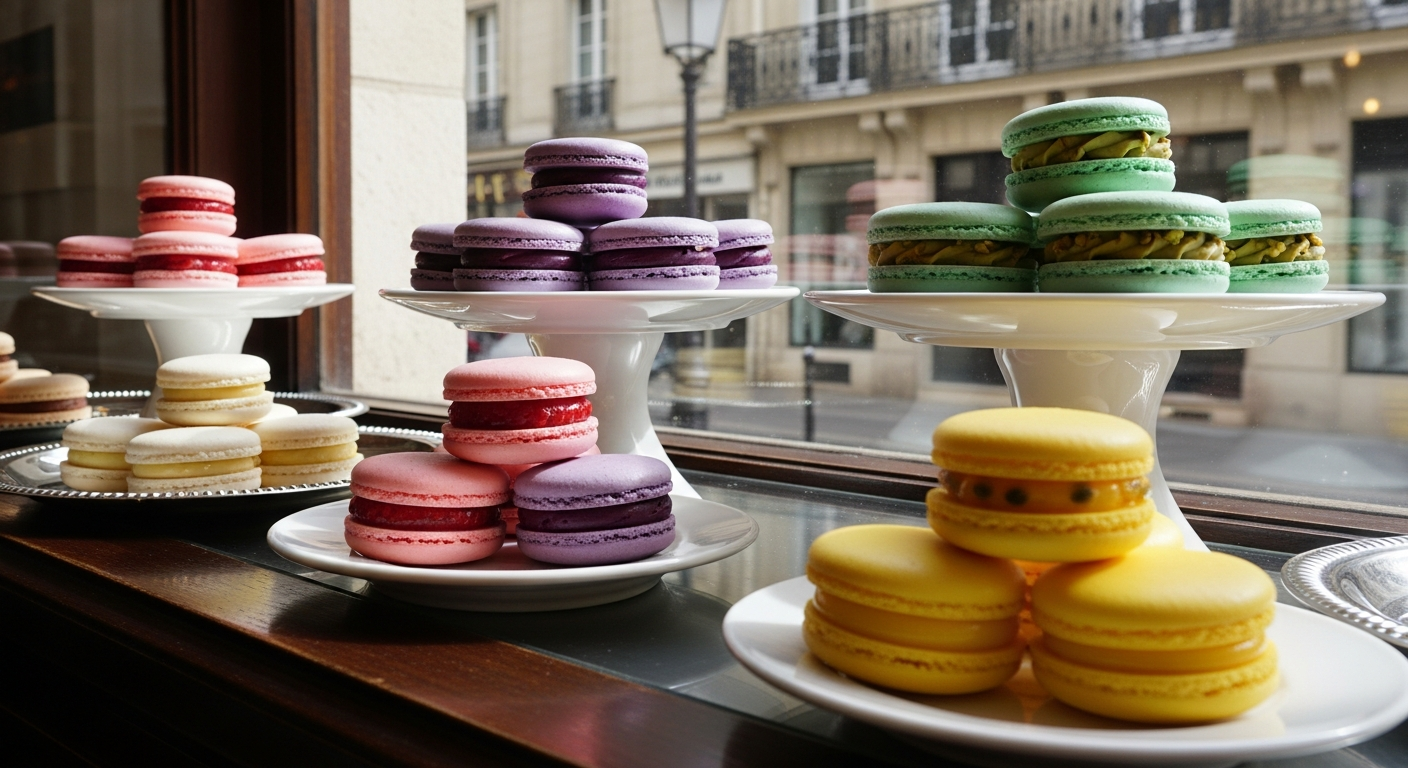
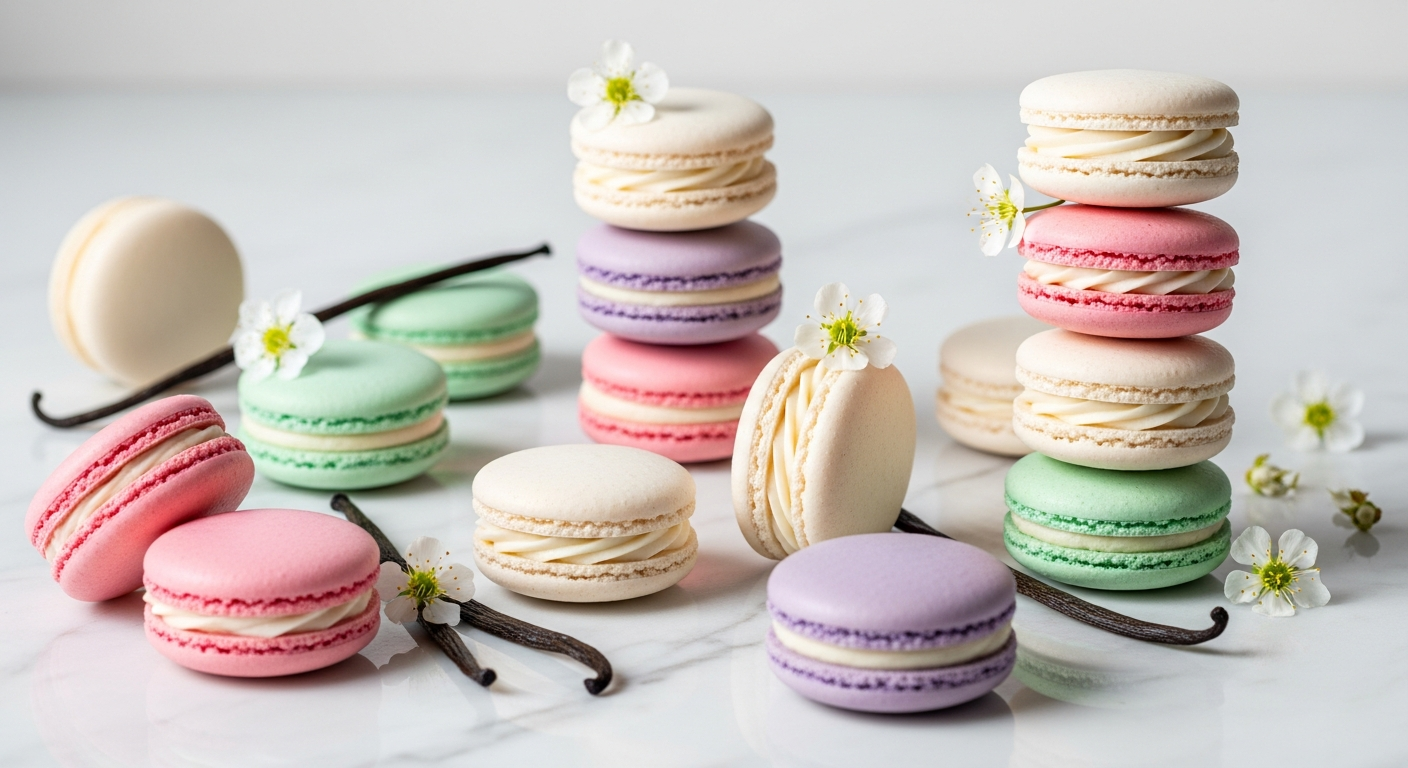
French macarons are elegant, delicate, and famously tricky to perfect. These small, round sandwich cookies are made with almond flour, egg whites, and sugar. They boast a crisp outer shell and a soft, chewy interior. A rich filling, like ganache or buttercream, holds the two halves together. Their vibrant colors and diverse flavors make them a patisserie staple.
While Italy may have introduced an early version, France perfected the macaron we know today. In the early 20th century, Parisian bakers began sandwiching two shells together with a filling. This innovation transformed the simple almond meringue into a sophisticated confection. Consequently, the macaron became a symbol of French culinary artistry.
French Macarons with Vanilla Buttercream
Ingredients:
- 1 3/4 cups powdered sugar
- 1 cup almond flour, finely ground
- 3 large egg whites, at room temperature
- 1/4 tsp cream of tartar
- 1/4 cup granulated sugar
- 1/2 cup unsalted butter, softened
- 1 cup powdered sugar (for filling)
- 1 tsp vanilla extract
Instructions:
- Sift the 1 3/4 cups powdered sugar and almond flour together twice.
- In a separate bowl, beat the egg whites with a mixer until foamy. Add the cream of tartar.
- Slowly add the granulated sugar while beating until stiff, glossy peaks form.
- Gently fold the almond flour mixture into the egg whites in three parts. Do not overmix.
- Pipe 1-inch rounds onto a baking sheet lined with parchment paper.
- Tap the baking sheet firmly on the counter to release air bubbles. Let the macarons rest for 30-60 minutes until they form a skin.
- Preheat the oven to 300°F (150°C). Bake for 15-18 minutes.
- For the filling, beat butter until creamy. Add 1 cup powdered sugar and vanilla and beat until smooth.
- Pipe the filling onto one macaron shell and sandwich it with another.
3. Biscotti (Italy)
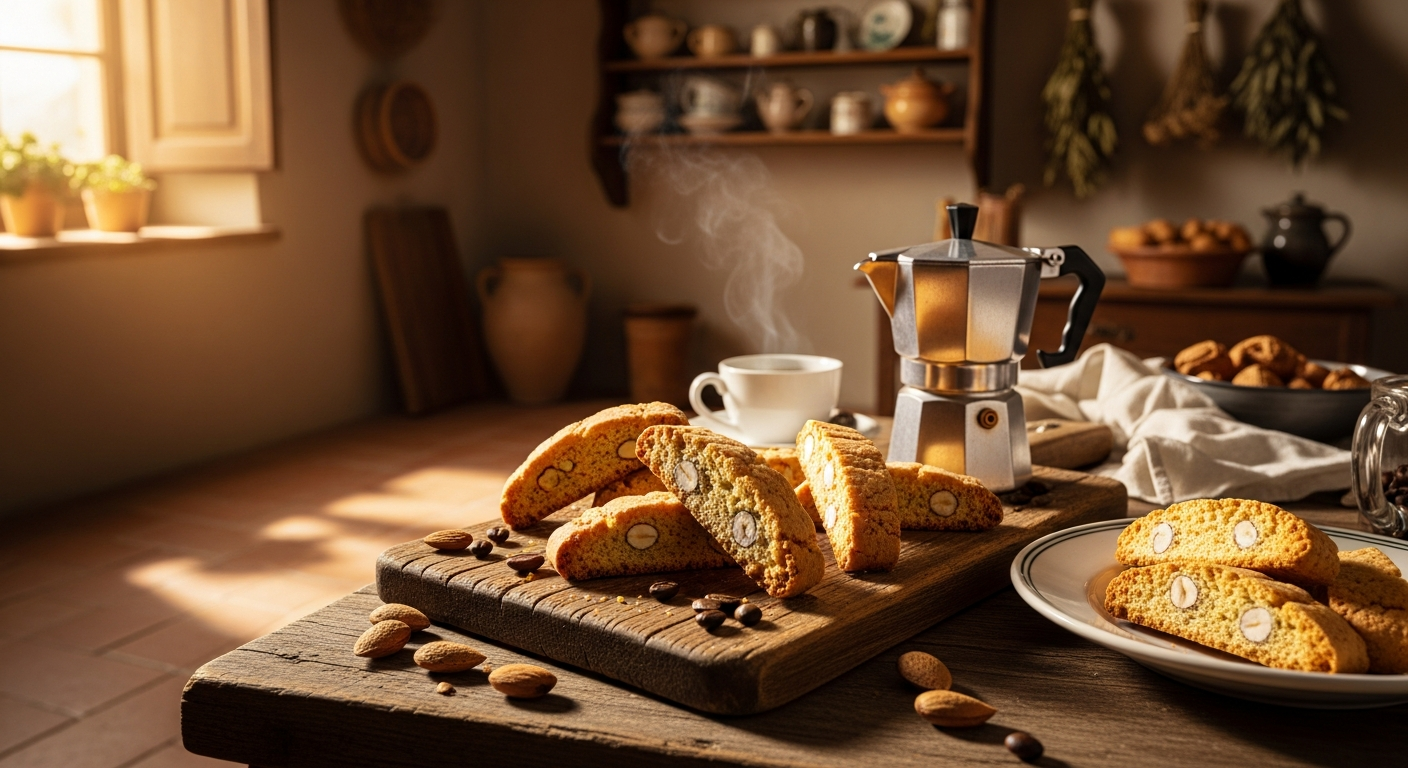
Biscotti, which means “twice-cooked” in Italian, are wonderfully crisp and crunchy. These oblong-shaped biscuits originate from Prato, Italy. Their low moisture content made them a perfect travel food for Roman legions. Because they are so durable, they can be stored for long periods without spoiling. Traditionally, people enjoy biscotti by dipping them in a drink like coffee or sweet Vin Santo wine.
The first bake cooks the dough in a log shape. After cooling slightly, bakers slice the log and bake the individual slices again. This second baking process draws out moisture, resulting in their signature hard texture. Almonds are a classic addition, but modern variations include chocolate, pistachios, and citrus zest.
Often recognized globally as a quintessential Italian treat, Classic Almond Biscotti stands as a testament to elegant simplicity and enduring tradition. This crisp, oblong cookie, whose very name biscotto derives from the Latin bis coctus meaning “twice-baked,” embodies a rich culinary heritage that stretches back centuries and defines a significant part of Italy’s sweet identity.
A Journey Through Time and Taste
- Ancient Origins: While often associated with Tuscany, particularly the city of Prato, the concept of twice-baked bread for preservation dates back to Roman legions, who relied on durable, non-perishable food for their campaigns.
- Renaissance Resurgence: The modern form of biscotti, however, gained prominence in the Italian Renaissance. It was in Tuscany that the specific recipe we now recognize as classic almond biscotti truly flourished, becoming a beloved staple and a symbol of regional culinary pride.
What Makes it “Classic Almond”?
The designation “classic almond” isn’t just a flavor; it’s a defining characteristic of this iconic cookie, deeply embedded in its preparation and presentation.
- The Twice-Baked Secret: This unique baking method is the heart of biscotti, crucial for its signature texture and remarkable shelf life.
- First Bake: The dough, typically shaped into long, flat logs, is baked until it’s golden and firm.
- Slicing & Second Bake: The logs are then carefully sliced into individual cookies and returned to a lower-temperature oven for a second, slower bake. This precise process results in their signature dry, intensely crisp, and wonderfully crunchy texture – perfect for dipping without crumbling.
- Almond’s Essential Role: Unblanched, whole, or roughly chopped almonds are generously folded into the dough, providing more than just flavor:
- A delightful nutty aroma that permeates every bite, hinting at its natural richness.
- Irresistible crunch and texture contrast against the dense cookie base.
- A rich, earthy flavor that perfectly complements the subtle sweetness and often a hint of citrus.
- Simple, Pure Ingredients: Beyond the almonds, classic biscotti relies on a straightforward pantry of ingredients: high-quality flour, granulated sugar, fresh eggs, and a touch of leavening. Often, a hint of citrus zest (lemon or orange) or pure vanilla extract is added to brighten and round out the flavor profile, creating a nuanced sweetness.
More Than Just a Cookie: A Cultural Ritual
Biscotti are not merely a snack; they are deeply woven into the fabric of Italian culinary customs and hospitality.
- The Art of Dipping: Their dry, sturdy nature makes them ideal for dunking, transforming their texture and enhancing the overall experience.
- Traditional Pairing: Historically, and still widely enjoyed, they are served alongside a glass of Vin Santo, a sweet, amber-hued Tuscan dessert wine. The cookie softens slightly, absorbing the wine’s honeyed, nutty, and often apricot notes.
- Everyday Indulgence: Equally popular is pairing them with a strong espresso, cappuccino, or a robust cup of coffee, making them a beloved breakfast treat, an afternoon pick-me-up, or the perfect end to a meal.
- A Symbol of Hospitality: Offering biscotti to guests is a gesture of warmth and welcome, embodying the Italian spirit of sharing good food and good company around a table. It speaks to a tradition of simple pleasures and genuine connection.
- A Taste of Italy: For many, the distinctive shape, unique texture, and almond-rich flavor of biscotti instantly evoke images of bustling Italian cafes, sun-drenched Tuscan landscapes, and generations of culinary tradition. It’s a sweet, enduring reminder of Italy’s ability to turn simple, honest ingredients into something truly extraordinary and universally cherished.
Ingredients:
- 2 cups all-purpose flour
- 3/4 cup granulated sugar
- 1 tsp baking powder
- 1/4 tsp salt
- 2 large eggs
- 1 tsp vanilla extract
- 1 cup whole almonds, toasted
Instructions:
- Preheat your oven to 350°F (175°C).
- In a large bowl, combine the flour, sugar, baking powder, and salt.
- In a separate bowl, whisk the eggs and vanilla extract.
- Add the wet ingredients to the dry ingredients and mix until a dough forms.
- Knead in the toasted almonds.
- Divide the dough in half and shape each half into a flat log on a parchment-lined baking sheet.
- Bake for 25-30 minutes until firm. Let the logs cool for 10 minutes.
- Reduce the oven temperature to 300°F (150°C).
- Slice the logs diagonally into 1/2-inch thick slices.
- Place the slices cut-side down on the baking sheet and bake for 10 minutes. Flip and bake for another 10 minutes until crisp.
4. Alfajores (Argentina)
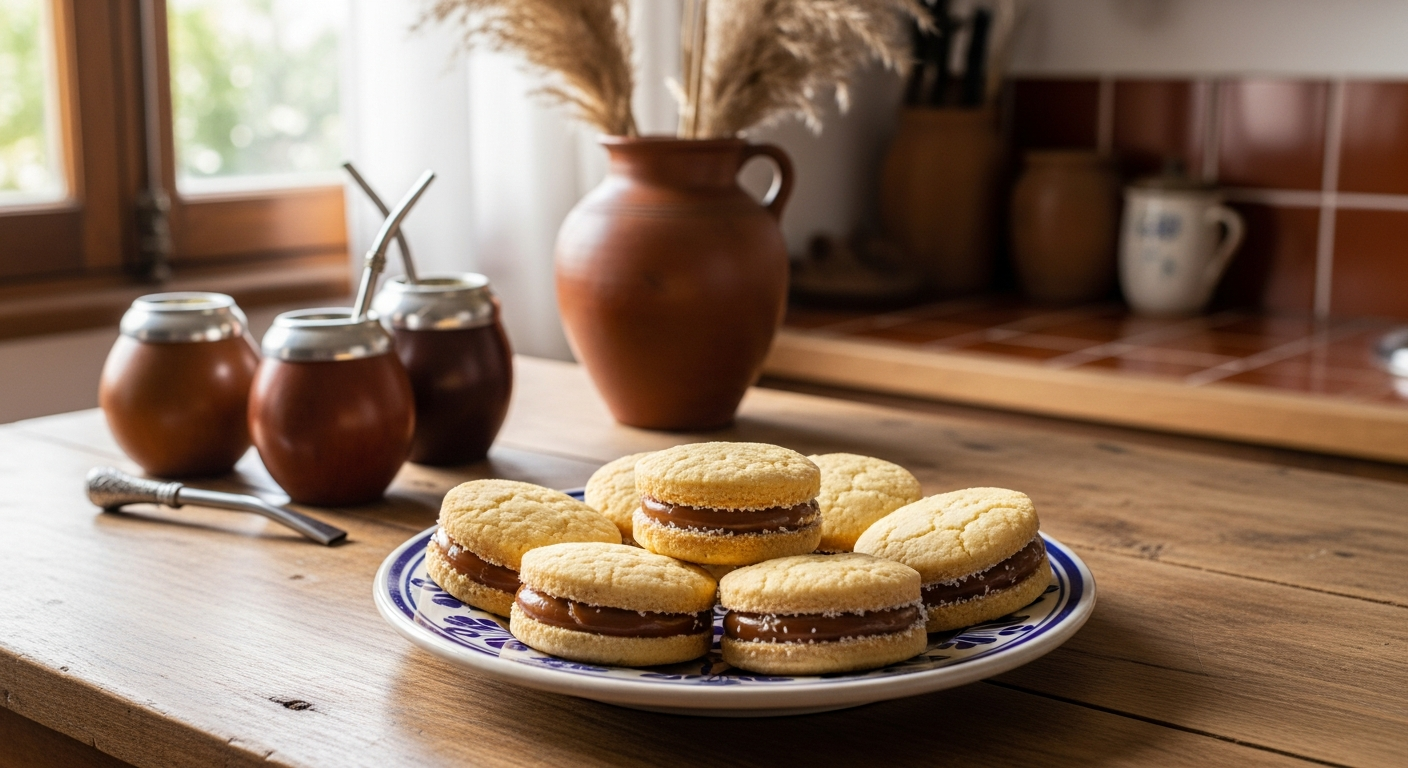
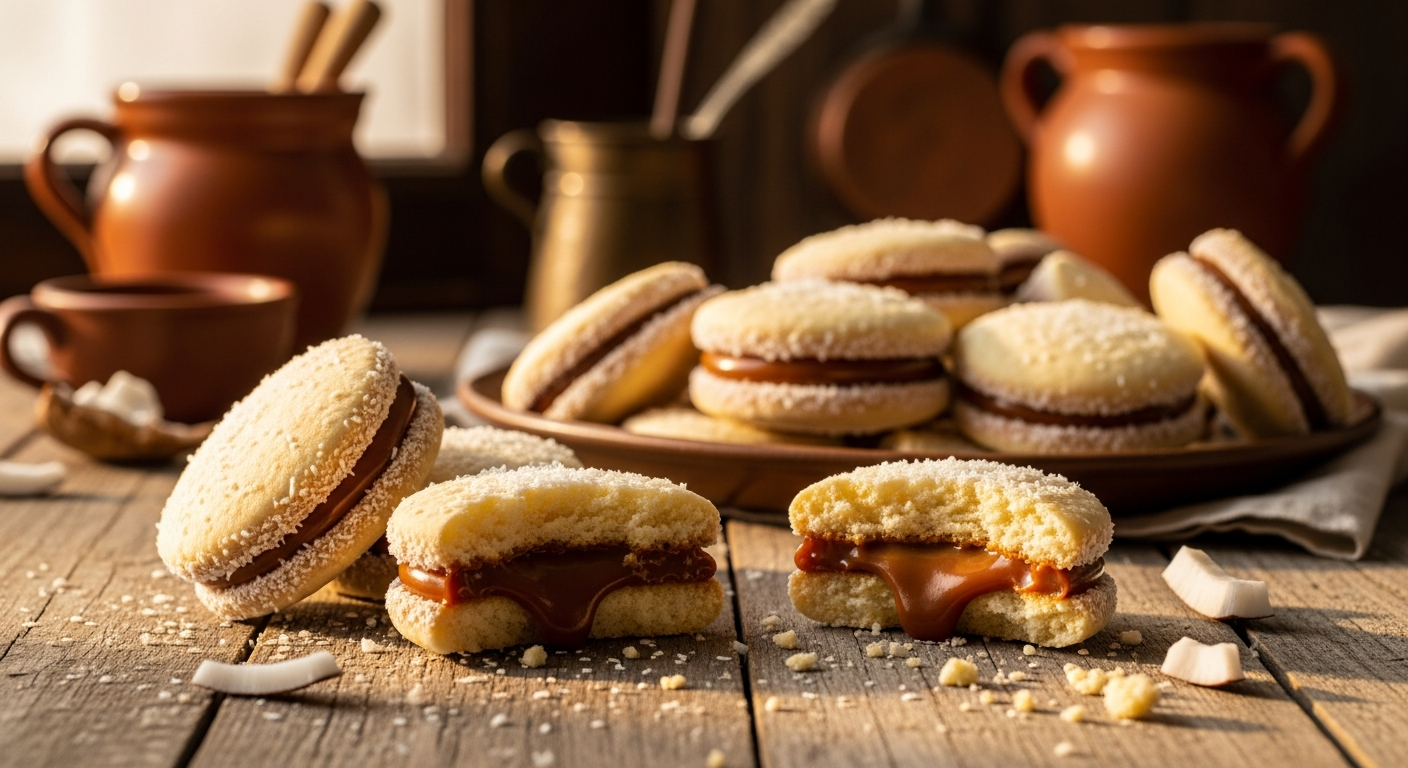
Alfajores are a treasure of South American confectionery, especially in Argentina. These tender, crumbly sandwich cookies consist of two shortbread-like biscuits. A generous layer of creamy dulce de leche holds them together. Often, bakers roll the edges in shredded coconut or dip the entire cookie in chocolate. The name “alfajor” comes from an Arabic word, hinting at its Moorish origins in Spain.
While variations exist across Latin America, the Argentine version is arguably the most famous. They are more than just a dessert; they are a daily snack, a gift, and a source of national pride. The melt-in-your-mouth texture comes from using a significant amount of cornstarch in the dough, which makes them incredibly delicate and light.
Argentinian Alfajores
Ingredients:
- 1 1/4 cups all-purpose flour
- 2 1/4 cups cornstarch
- 1/2 tsp baking soda
- 2 tsp baking powder
- 1 cup unsalted butter, softened
- 3/4 cup sugar
- 3 egg yolks
- 1 tsp vanilla extract
- 1 can (13.4 oz) dulce de leche
- Shredded coconut for rolling
Instructions:
- Sift the flour, cornstarch, baking soda, and baking powder together.
- In a separate bowl, cream the butter and sugar until light and fluffy.
- Beat in the egg yolks and vanilla extract.
- Gradually add the dry ingredients to the wet mixture until a soft dough forms.
- Chill the dough for at least 1 hour.
- Preheat the oven to 350°F (175°C). Roll the dough to 1/4-inch thickness and cut out 2-inch rounds.
- Bake on a parchment-lined sheet for 10-12 minutes until the edges are lightly golden. Do not let them brown.
- Let the cookies cool completely.
- Spread a layer of dulce de leche on one cookie and top with another. Roll the edges in shredded coconut.
5. Stroopwafel (Netherlands)
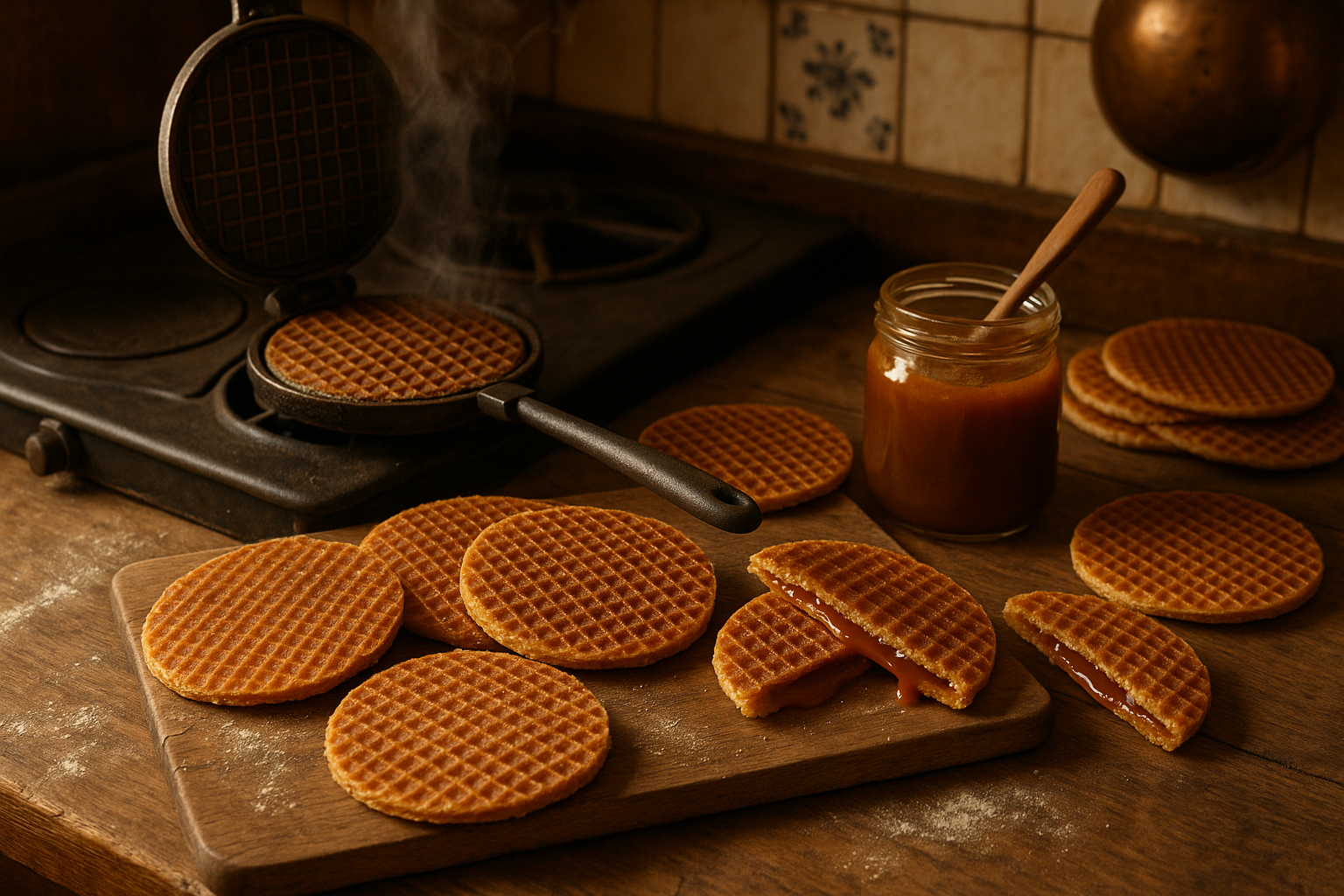
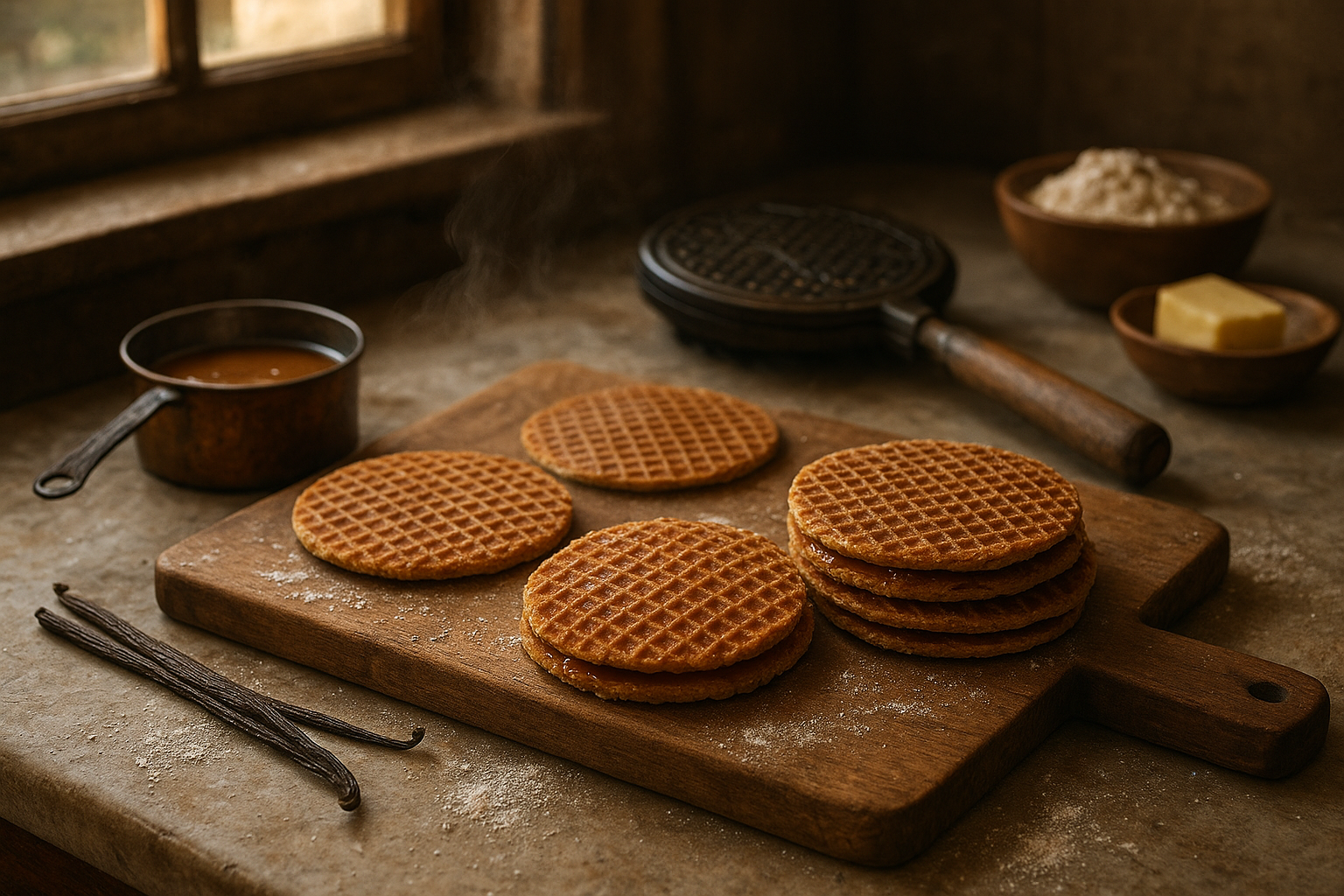
The Stroopwafel is a delightful Dutch invention from the city of Gouda. It consists of two thin, crispy waffle-like wafers. A sweet, sticky caramel syrup, or “stroop,” is sandwiched in between. The traditional way to enjoy a stroopwafel is to place it over a hot cup of coffee or tea. The steam gently warms the waffle and softens the caramel filling, making it gooey and delicious.
This treat is a street food staple in the Netherlands. Vendors make them fresh on special waffle irons. The warm, cinnamon-scented aroma is hard to resist. While making them at home requires a special pizzelle or waffle cone press for the authentic thinness, the result is well worth the effort for this unique and comforting cookie experience.
Homemade Stroopwafels
Ingredients:
- 2 cups all-purpose flour
- 1/2 cup granulated sugar
- 1 tsp ground cinnamon
- 1 packet active dry yeast
- 1/2 cup unsalted butter, melted
- 1/4 cup warm milk
- 1 egg
- For the filling: 1 cup brown sugar, 1/2 cup butter, 1 tsp cinnamon, 1/4 cup corn syrup
Instructions:
- In a large bowl, combine flour, sugar, cinnamon, and yeast. Add the melted butter, warm milk, and egg. Mix to form a dough.
- Let the dough rise in a warm place for about 1 hour.
- While the dough rises, make the filling. Melt the brown sugar, butter, cinnamon, and corn syrup in a saucepan over medium heat. Stir until smooth, then keep warm.
- Preheat a pizzelle or waffle cone iron.
- Roll the dough into small balls. Place a ball in the iron and press until golden brown (about 30-45 seconds).
- Immediately upon removing the waffle, use a round cutter to trim the edges. Carefully split the thin waffle in half horizontally while it is still hot.
- Spread the warm caramel filling on one half and press the other half on top.
- Repeat with the remaining dough.
What I Recommend
If exploring iconic cookies from around the world has you itching to bake your way through them all, a great cookie cookbook is the perfect place to start. Having a solid reference with tested recipes and cultural context makes all the difference when you’re tackling unfamiliar bakes for the first time.
Many of the cookies on this list — from German Lebkuchen to Nordic butter cookies — have their own distinctive shapes that are part of their charm, which is why a quality set of cookie cutters is worth having on hand. The right shape really does make your homemade version feel authentic and special.
No matter which national cookie you decide to bake first, you’ll want a reliable pan underneath it — and the Nordic Ware Naturals Baker’s Half Sheet is the one I keep reaching for every single time. It heats evenly, resists warping, and gives you that perfect golden bottom that so many of these classic cookies depend on.
Once your cookies come out of the oven, a sturdy cooling rack lets air circulate underneath so your cookies cool properly without going soggy on the bottom. It’s a small step that makes a real difference, especially with delicate cookies like shortbreads and tuiles.
Many European and internationally inspired cookie recipes are written by weight rather than volume, so a reliable digital kitchen scale is genuinely essential if you want accurate, consistent results. Once you start baking by weight, you’ll wonder how you ever managed without one.
If you’re inspired to put your own decorative spin on any of these iconic cookies, a well-stocked cookie decorating kit gives you everything you need to pipe, detail, and finish your cookies like a pro. It’s especially fun for cookies like German Springerle or decorated shortbreads where the presentation is half the appeal.
If the French madeleine caught your eye on this list — and honestly, how could it not — you’ll need a proper madeleine pan to get those signature shell-shaped ridges that make them so iconic. There really is no substitute for the right pan when it comes to this elegant little cookie.
As an Amazon Associate, I earn from qualifying purchases.