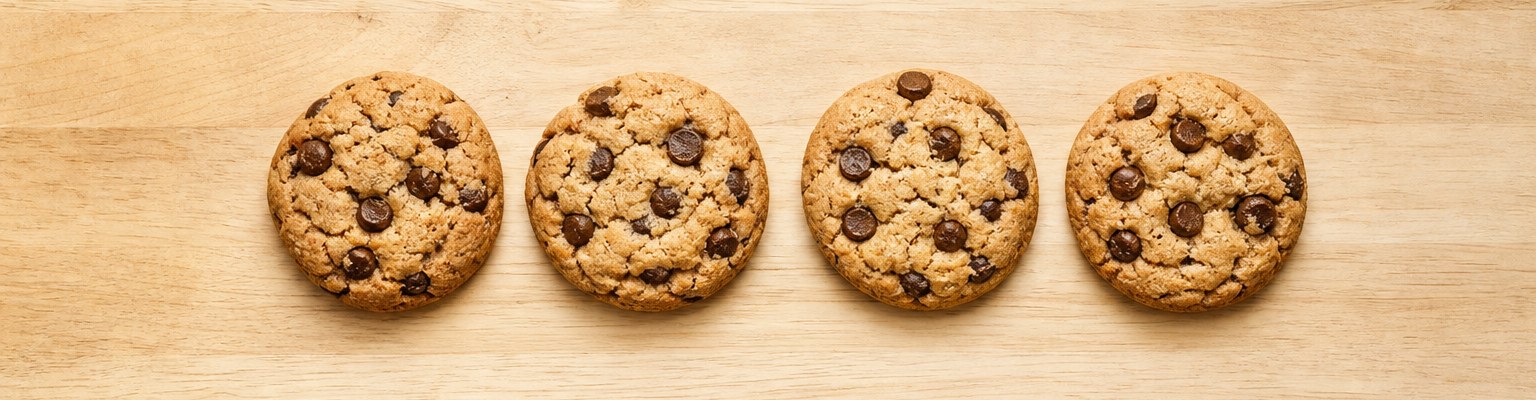
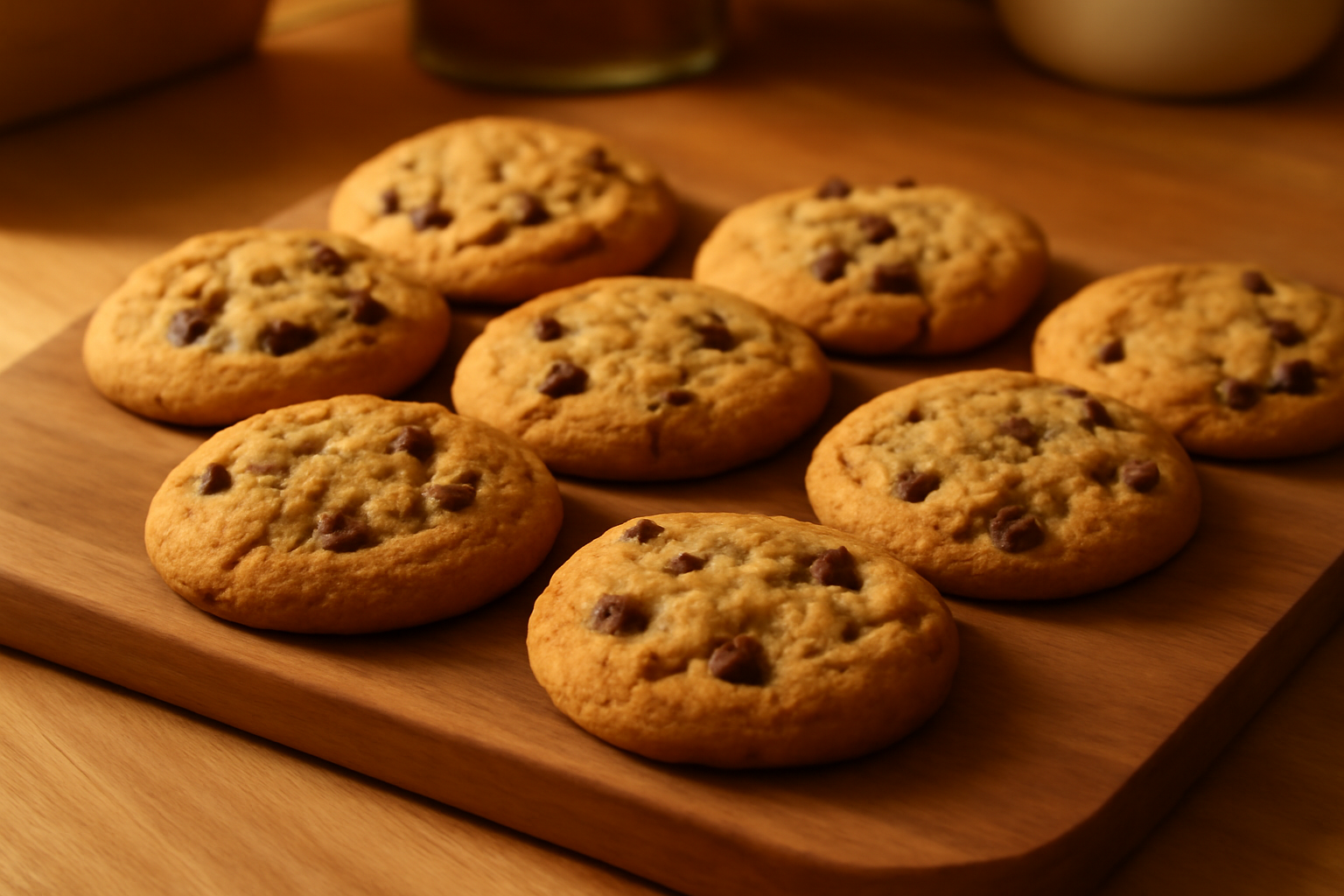

About three years into my cookie obsession, I started keeping a dedicated notebook just for sugar experiments. Not because anyone asked me to — but because I kept getting different results when I swapped sugars in the same recipe and I could not figure out why. My chocolate chip cookies would spread differently, brown at different rates, and have wildly different textures depending on what was in the sugar canister that week. I needed answers.
So I did what any reasonable person would do: I baked the same base recipe eight times with eight different sugars, took notes on every batch, and ate an unreasonable amount of cookies in the name of science. This post is the result of that testing — plus 15 years of accumulated baking experience that gave me the context to understand what I was seeing.
If you have ever wondered what actually happens when you use different sugars in cookies, and not just vague promises that “brown sugar adds moisture,” this is the breakdown you have been looking for.
The Control Recipe and Testing Method
I used a straightforward drop cookie base: 2¼ cups all-purpose flour, 1 teaspoon baking soda, 1 teaspoon salt, 2 sticks of room-temperature butter, 2 eggs, 1 teaspoon vanilla, and 2 cups of the test sugar (with chocolate chips omitted to keep evaluation clean). Every batch was made on the same day using the same butter, same oven, same baking time of 11 minutes at 375°F, and portioned with the same scoop for consistency.
I evaluated each batch on five criteria: spread, color, texture (edge vs. center), sweetness intensity, and what I call “complexity” — whether the cookie tasted like more than just sweet. I let every batch cool for exactly 20 minutes before tasting.
Sugar 1: Standard White Granulated Sugar
This is the control within the control. White granulated sugar produces a crisp, evenly browned cookie with significant spread. The texture is snappy at the edges and only slightly chewy in the center. Sweetness is clean and one-dimensional. There is nothing wrong with this cookie — it is exactly what it is supposed to be. But after tasting it next to the others, it reads as flat.
Sugar 2: Light Brown Sugar
Brown sugar is white sugar with molasses added back in, and even a small amount of molasses changes everything. My batch made with 100% light brown sugar had noticeably less spread, a thicker and chewier center, and a deeper golden color. The molasses content also adds acidity, which reacts with baking soda to give you a bit more lift. The flavor had a subtle caramel undertone. This is the sugar I use most often in my everyday chocolate chip recipe.
Sugar 3: Dark Brown Sugar
Dark brown sugar has approximately double the molasses content of light brown. The difference is real and measurable. My dark brown sugar batch was the chewiest of all eight, with a noticeably darker color and a bolder, almost toffee-like flavor. The cookies also stayed softer longer — still chewy on day three when the white sugar batch had gone completely crisp. If you want a deeply flavored, fudgy-style cookie, dark brown sugar is your best tool.
Sugar 4: Turbinado Sugar
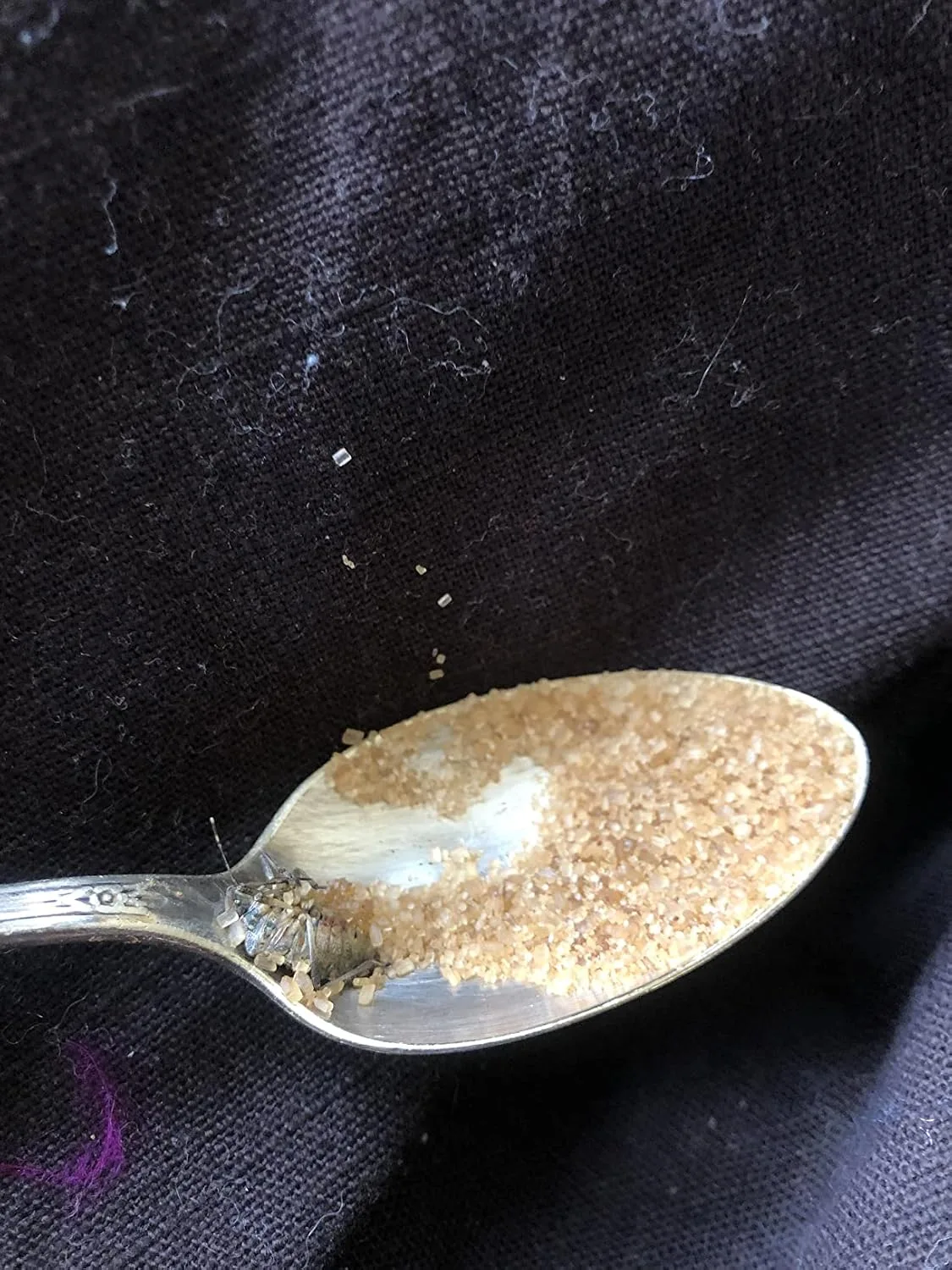
Turbinado is where things get interesting. This is a raw cane sugar with large, coarse crystals and a thin coating of natural molasses. I tested it as a full swap for granulated sugar, and the results surprised me. The crystals do not fully dissolve during creaming, which means you get small pockets of crunch and caramel flavor throughout the cookie. The spread was similar to white sugar, but the texture was more interesting — crunchy-edged with occasional bursts of sweetness. The flavor complexity was noticeably higher than standard granulated.
Turbinado is also excellent as a finishing sugar. I sprinkle it on top of cookies before baking at least twice a week — it stays crunchy through the bake and adds a glittery, professional-looking finish.
Sugar 5: Coconut Sugar
Coconut sugar has become popular as a “healthier” swap, and I tested it with full expectations of mediocrity. It partially surprised me. The cookies baked with coconut sugar had a rich, almost butterscotch flavor and a beautiful deep brown color. The texture was slightly drier and more crumbly than brown sugar, which I attribute to the lower moisture content. The sweetness level felt about 15-20% lower than granulated, so these cookies tasted less sweet even at the same measurement. Worth using intentionally — not as a health swap, but as a flavor choice.
Sugar 6: Powdered (Confectioners’) Sugar
This one is mostly useful to know about so you do not do it accidentally. Powdered sugar contains cornstarch, which significantly inhibits gluten development and spread. My batch was pale, dry, and cakey — nothing like a traditional drop cookie. The texture was fine-grained and almost shortbread-adjacent. If that is what you want, it is actually a useful technique for very tender cookies. But as a direct swap in a standard recipe, it does not work.
Sugar 7: Honey (Liquid Sugar)
Swapping a liquid sugar for granulated requires formula adjustments to work properly. For this test, I substituted 1½ cups honey for 2 cups granulated (the standard liquid-for-dry conversion) and reduced other liquid slightly. The results were a very soft, almost cake-like cookie that spread very little and had a distinctly floral sweetness. Honey is also hygroscopic, meaning it attracts moisture from the air — these cookies stayed soft for days but also got sticky. Interesting, but specialized.
Sugar 8: Maple Sugar
Maple sugar is dehydrated maple syrup, and it is the most expensive sugar I tested — about $12 for a pound at my local co-op. The flavor payoff is real: a warm, distinctly maple flavor that comes through clearly even after baking. The texture was similar to turbinado but with finer crystals. If you are making a cookie where maple is supposed to be a feature — like an oatmeal or a pecan cookie — this is genuinely worth the cost. In a standard chocolate chip, it competes with the chocolate rather than complementing it.
The Honest Caveat
I want to be upfront about one limitation of this kind of home testing: my results reflect my oven, my butter brand, and my palate. The differences between sugars are real and replicable — the food science behind them is well documented, including in Harold McGee’s On Food and Cooking and in testing published by Serious Eats. But how dramatic those differences feel will depend on your setup. If your oven runs hot or your butter was too cold, that can mask or amplify what the sugar is doing. Test in your own kitchen and take your own notes.
What I Actually Use
After all this testing, my everyday approach is to combine light brown and granulated sugar in most recipes for a balance of chew and spread. When I want extra flavor complexity, I reach for turbinado — either blended into the dough or used as a topping.
For turbinado specifically, I keep two products in rotation:
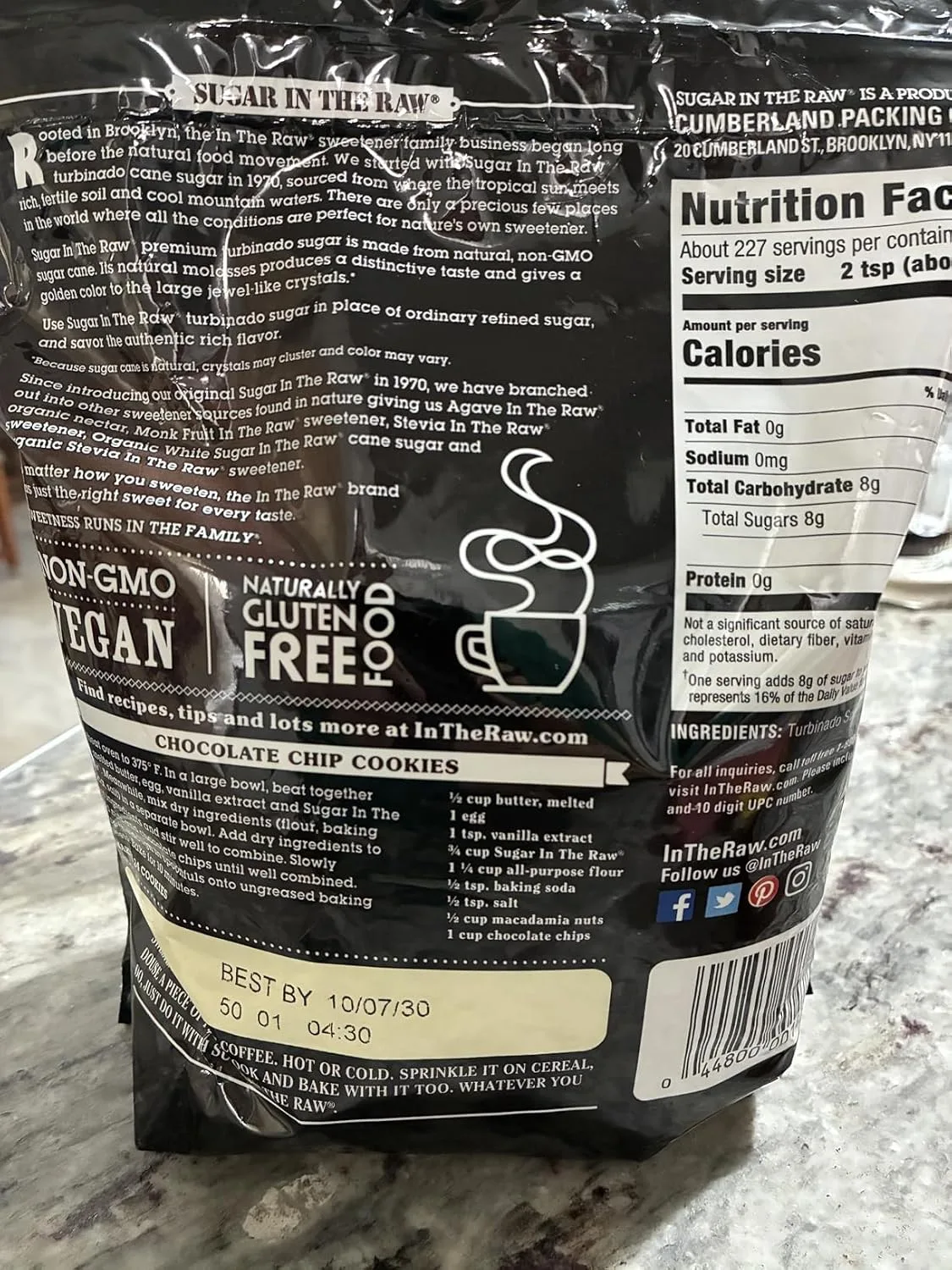
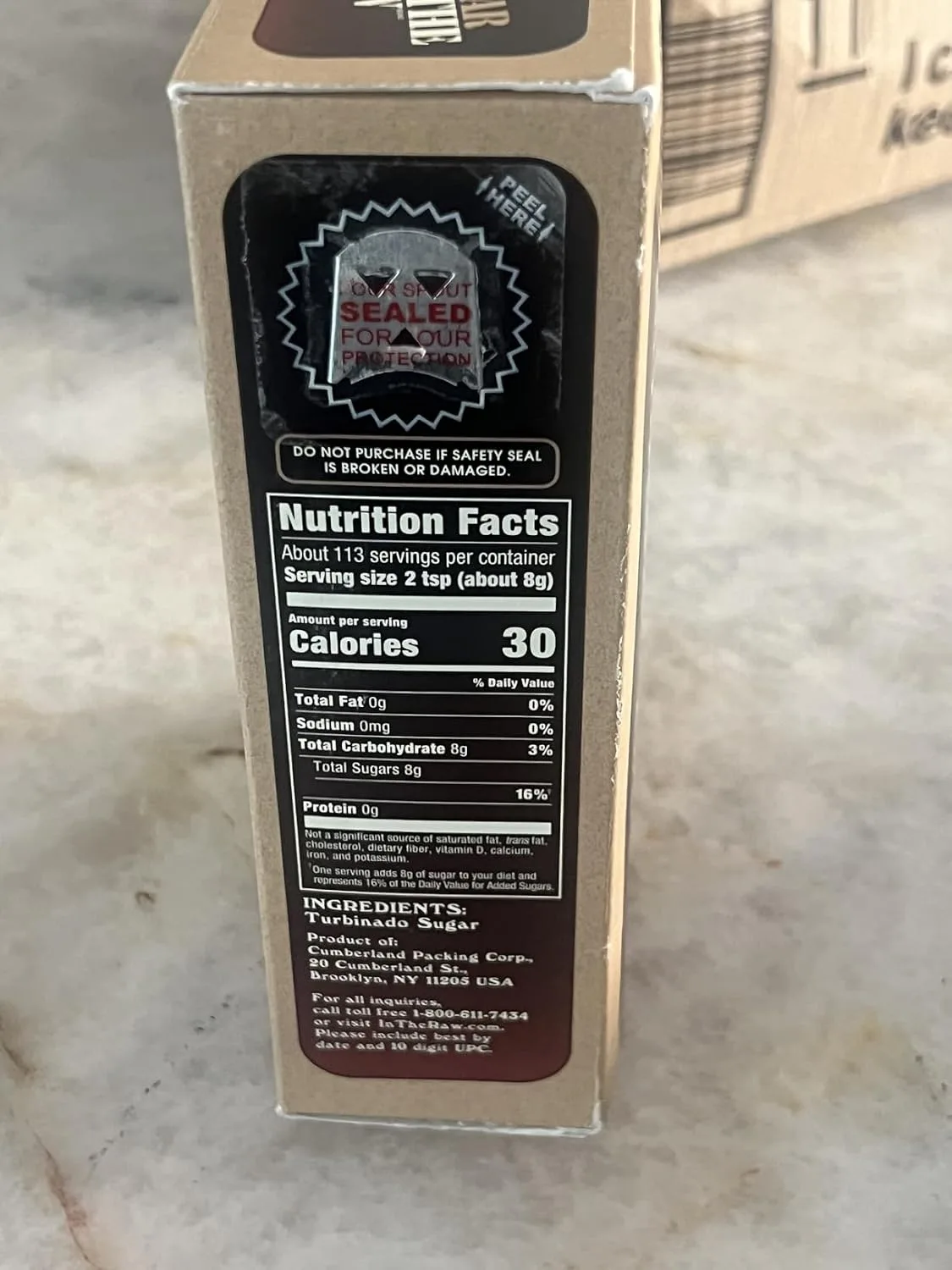
- In The Raw Granulated Turbinado Cane Sugar, 2 lb Box — Non-GMO verified and widely available. This is my default bulk buy and the one I used in this testing.
- 365 by Whole Foods Market Turbinado Sugar, 32 Ounce — A solid everyday option if you are already shopping at Whole Foods and want to keep it simple.
For portioning every batch identically (which matters enormously when you are trying to test variables), I use a 3-piece stainless steel cookie scoop set with trigger release. Consistent size means consistent bake time and consistent results. If you are still eyeballing your dough portions, this is the single cheapest upgrade you can make to your baking process.
The Bottom Line
After testing eight different sugars in cookies, here is the short version: brown sugar for chew, white sugar for crisp and spread, turbinado for flavor and crunch, and dark brown sugar when you want maximum depth and moisture. The others have specific uses but are not everyday workhorses.
Sugar is not just a sweetener in cookies — it is a structural ingredient that controls spread, color, texture, and flavor in ways that most recipes never explain. Once you understand what each sugar actually does, you stop following recipes blindly and start building exactly the cookie you want. That, after 15 years of this, is still what gets me excited about baking.
The Turbinado Sugar That Finally Stopped My Cookies From Spreading Like Pancakes
When I realized that granulated white sugar was making my cookies flatten and spread faster than I wanted, I kept reaching for turbinado—but I needed a reliable brand that actually stayed consistent batch to batch. That’s when In The Raw became my control variable in this three-year experiment.
What works
- The crystal size is genuinely uniform, which means every batch rises and sets at the same rate—no more guessing whether today’s batch will be thick or thin.
- It browns noticeably slower than white sugar, giving me a wider window to pull cookies out before the edges darken too much, which matters when I’m testing multiple batches in one afternoon.
- The 2 lb box lasts exactly long enough for a focused testing session without going stale or clumping, and it’s easy to store in a glass jar on my baking shelf.
What doesn’t
- It’s visibly grittier in the dough, so if you’re looking for smooth, refined cookies, this will show texture—but that’s actually the whole point of using turbinado.
- It costs more per pound than standard white sugar, which adds up when you’re running eight parallel experiments on the same recipe.
I remember one afternoon when I’d swapped back to a store-brand turbinado and the cookies spread differently, and I second-guessed whether the brand even mattered—until I switched back to In The Raw and got identical results. In The Raw Granulated Turbinado Cane Sugar, 2 lb Box