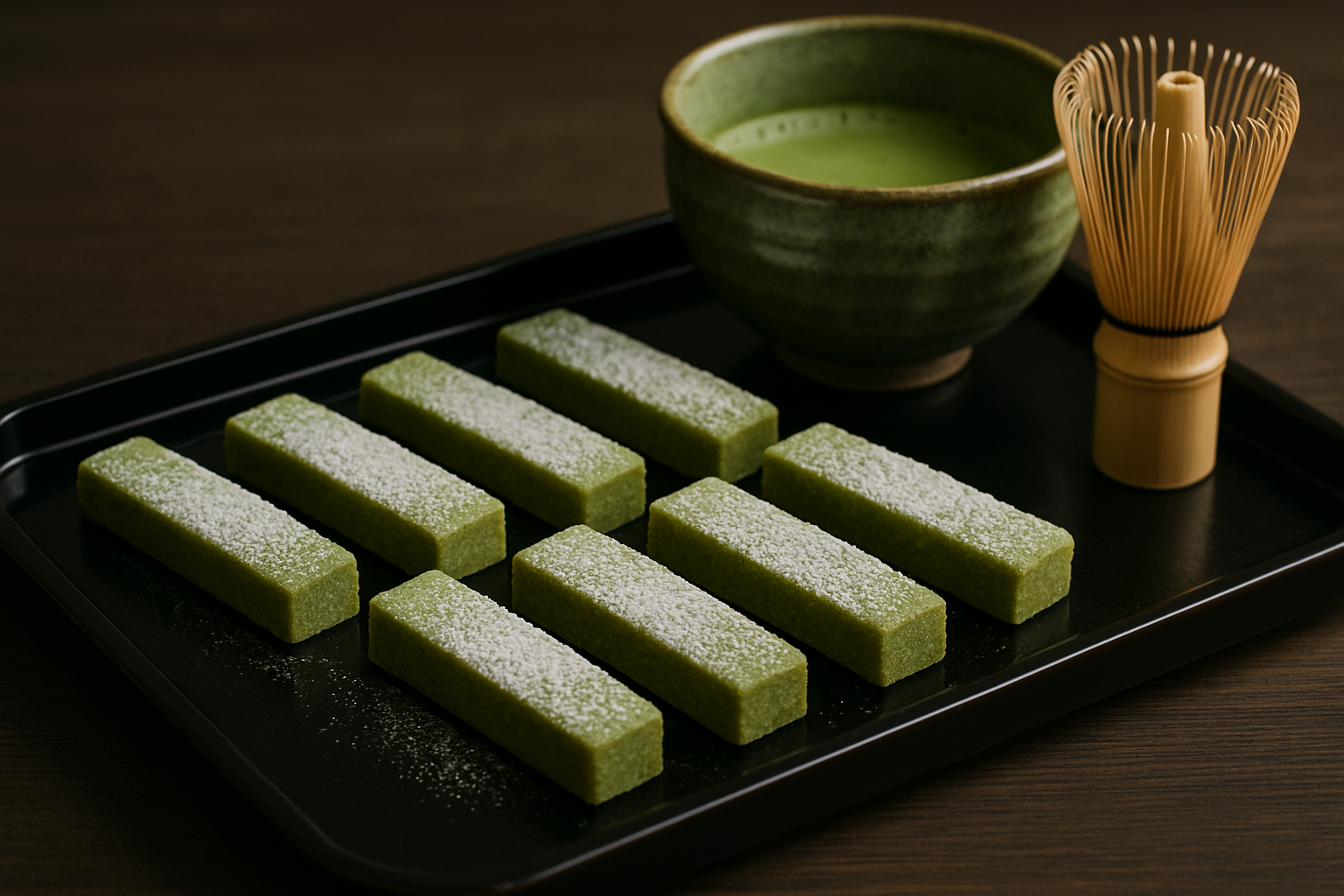

Green Tea Shortbread
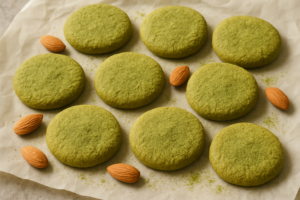
Delicate butter cookies infused with vibrant matcha powder, pale sage green with a clean, slightly sweet flavor.
Ingredients
- 1 cup (225g) unsalted butter, softened to room temperature
- 1 cup (115g) powdered sugar, sifted
- 2 to 3 tablespoons (14-21g) matcha powder
- 2 cups (250g) all-purpose flour
- ½ teaspoon salt
- 1 teaspoon vanilla extract (optional but lovely)
Instructions
- Place your softened butter and sifted powdered sugar in the bowl of a stand mixer.
- Cream them together on medium speed for about 1-2 minutes until the mixture is pale and fluffy.
- Sift your matcha powder directly into the butter mixture.
- Mix on medium speed for another minute, making sure every speck of matcha is evenly distributed.
- In a separate bowl, whisk together your flour, salt, and vanilla extract if using.
- Switch your mixer to low speed and gradually add the flour mixture to the butter and matcha.
- Mix just until the dough comes together.
- Turn the dough out onto a clean work surface and shape it into a log about 2 inches in diameter.
- Wrap the log in plastic wrap and refrigerate for at least 30 minutes.
- Preheat your oven to 325°F (163°C) and line two baking sheets with parchment paper.
- Remove the dough log from the refrigerator and slice it into ¼-inch-thick rounds using a sharp knife.
- Arrange the sliced cookies about 2 inches apart on your prepared baking sheets.
- Bake for 13-15 minutes, until the edges just barely start to turn golden and the centers feel dry and firm to the touch.
- Transfer the hot cookies to a wire rack to cool completely.
Notes
- Use high-quality culinary grade matcha powder for vibrant color and clean flavor
- Do not overwork the dough to keep shortbread tender
- Shortbread should be pale, not browned
- These keep in an airtight container at room temperature for up to 5 days, or frozen for up to a month
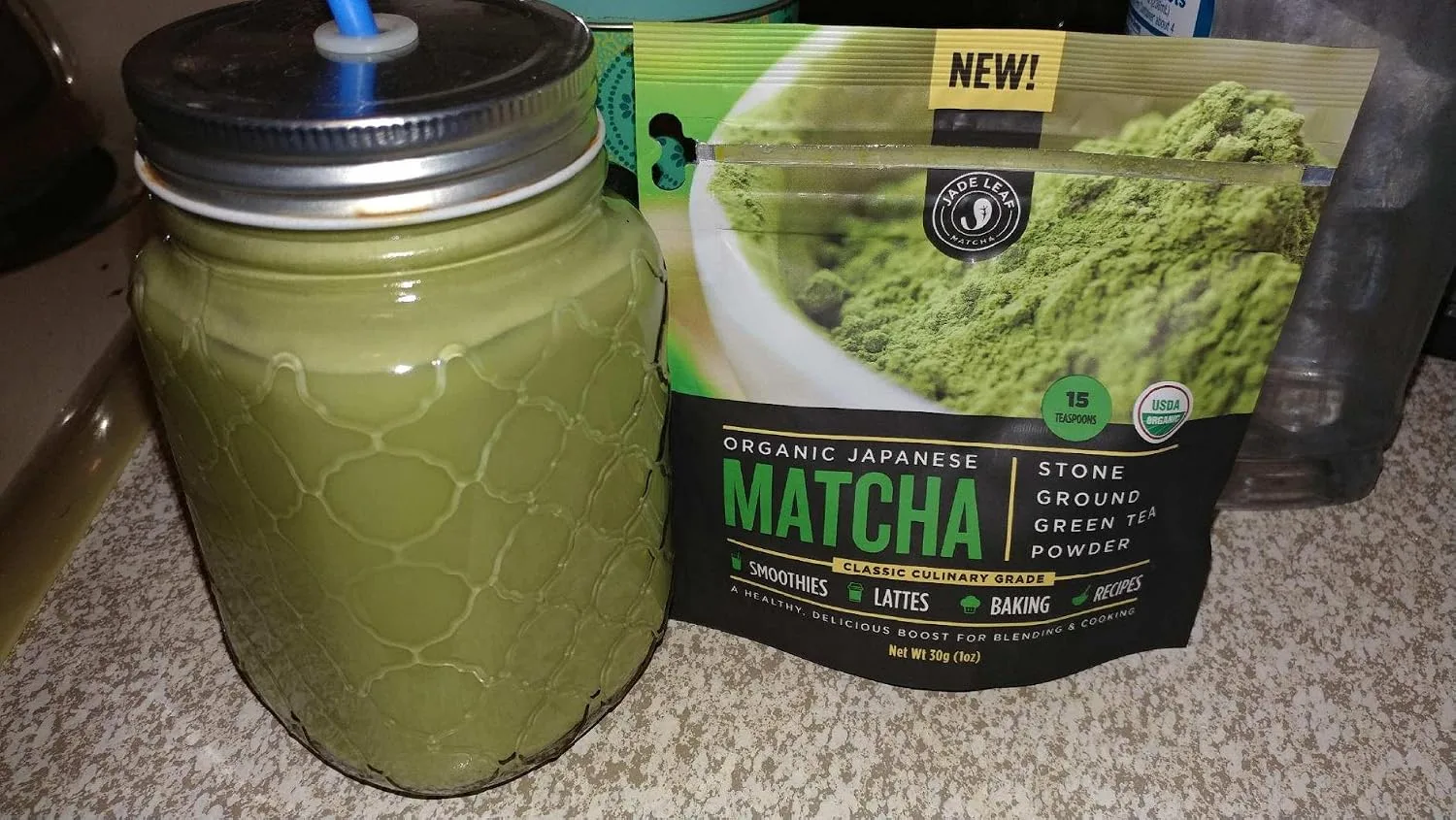
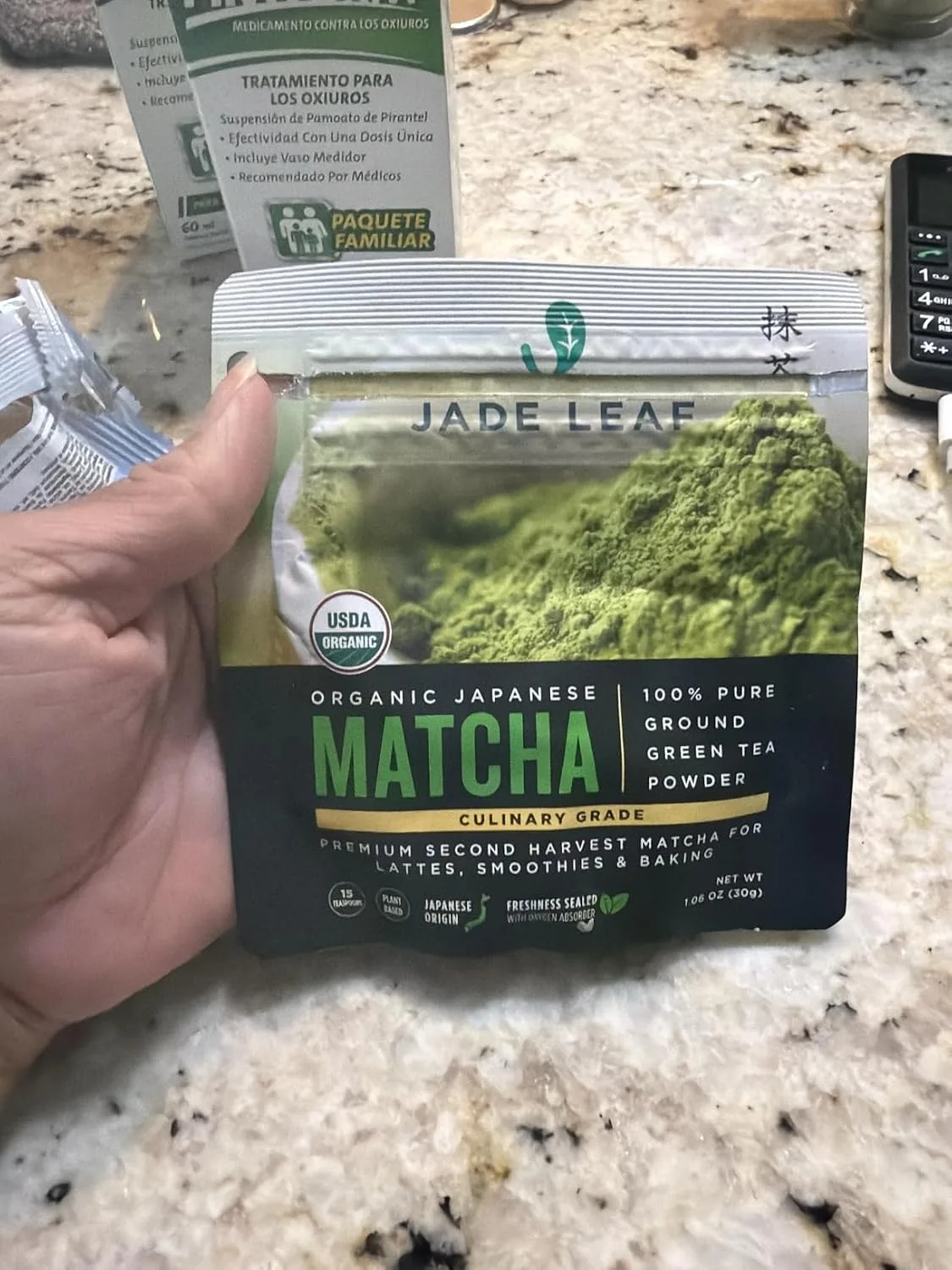
- Good matcha powder: As mentioned above, I swear by Jade Leaf Culinary Grade Matcha (100g) for beautiful color and clean flavor. The 30g version is ideal for first-timers.
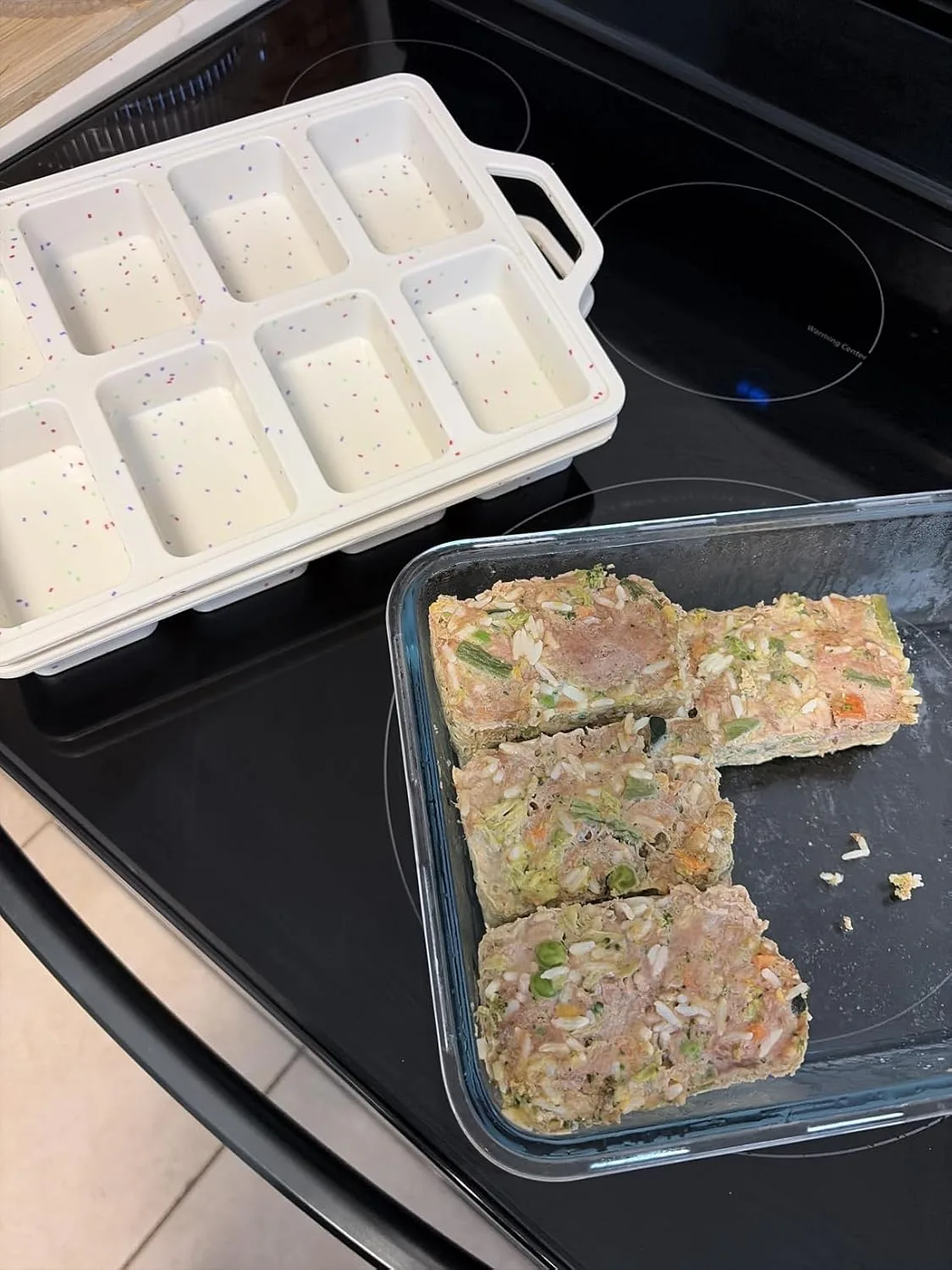
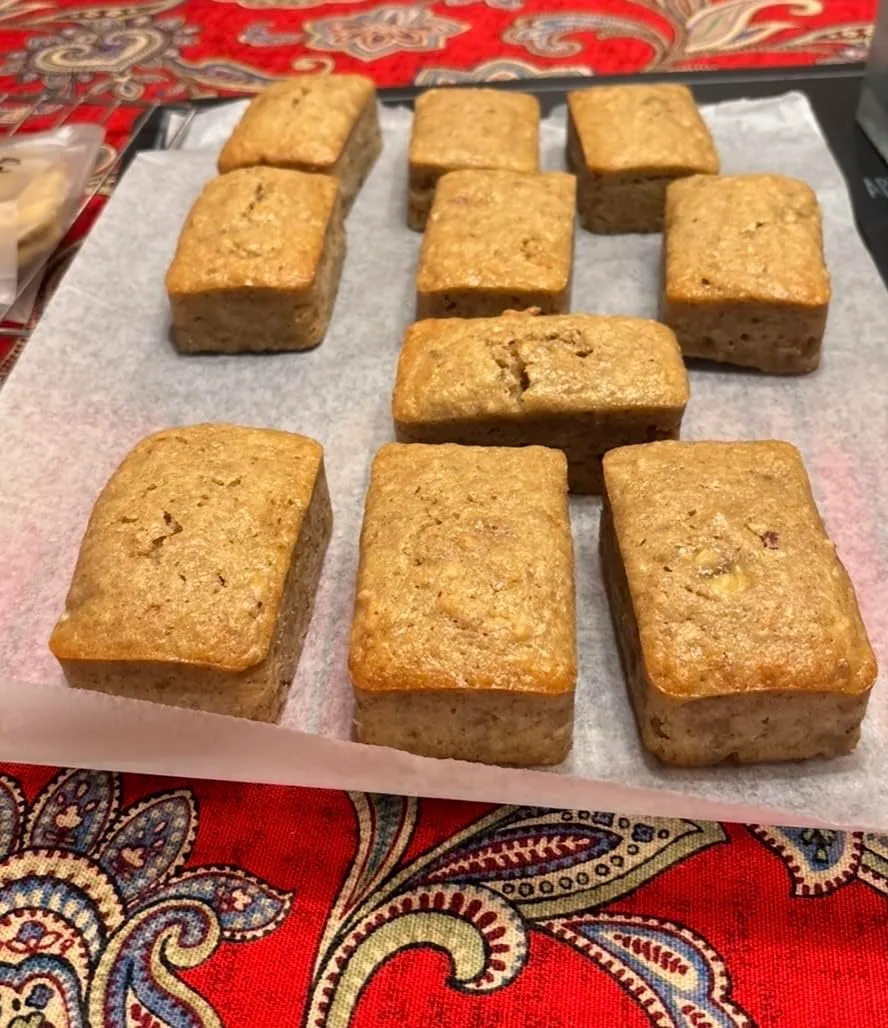
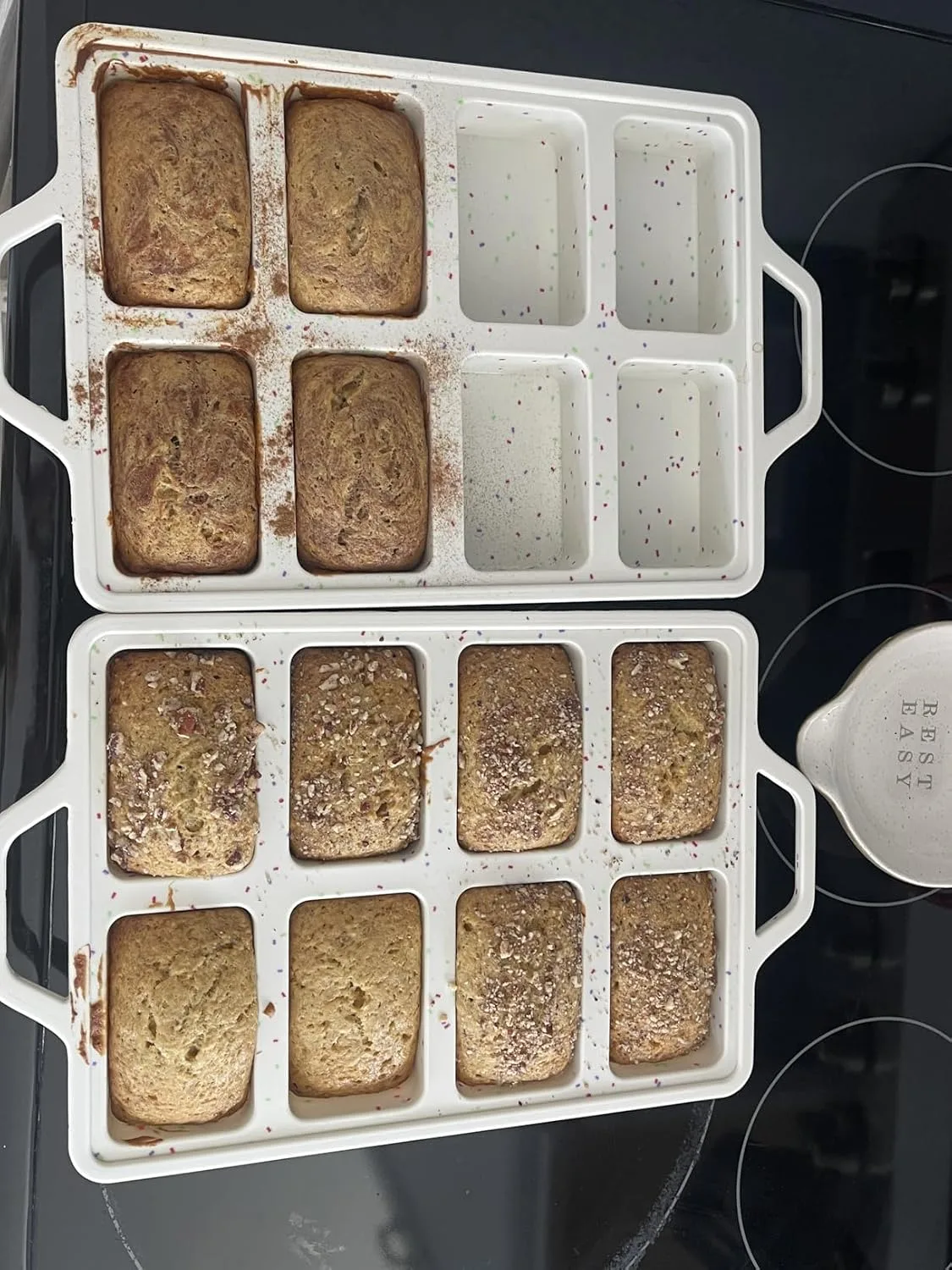
- Silicone mini loaf pans: If you want to bake your shortbread in a pressed bar format rather than as rounds, silicone pans are genuinely magical. The Vinino Silicone Mini Loaf Pans (2 Pack, 8 Cavity) have a metal reinforced frame so they don’t flop when you transfer them — which, speaking from experience, is a very important feature when your hands are covered in matcha-dusted butter.
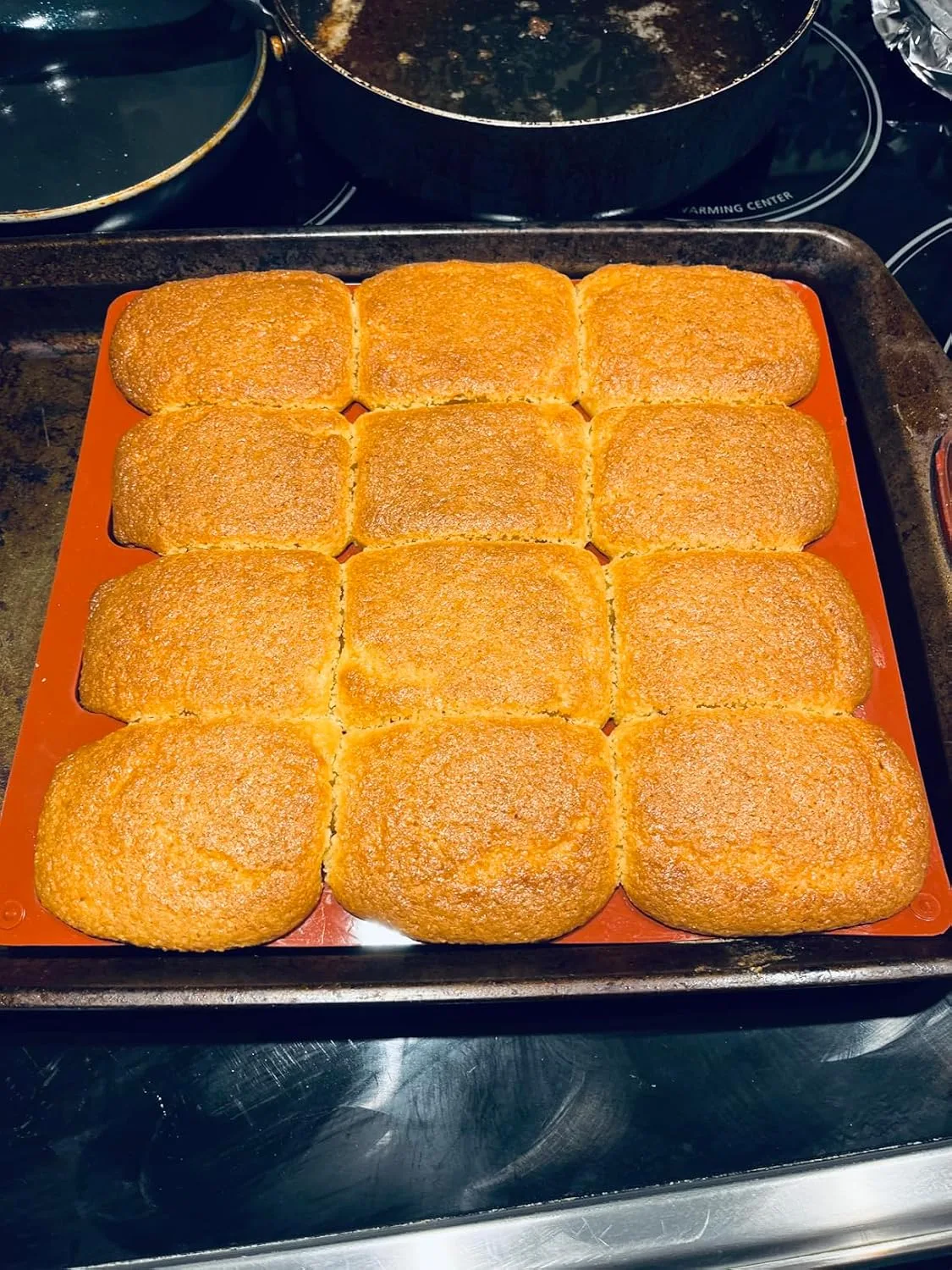
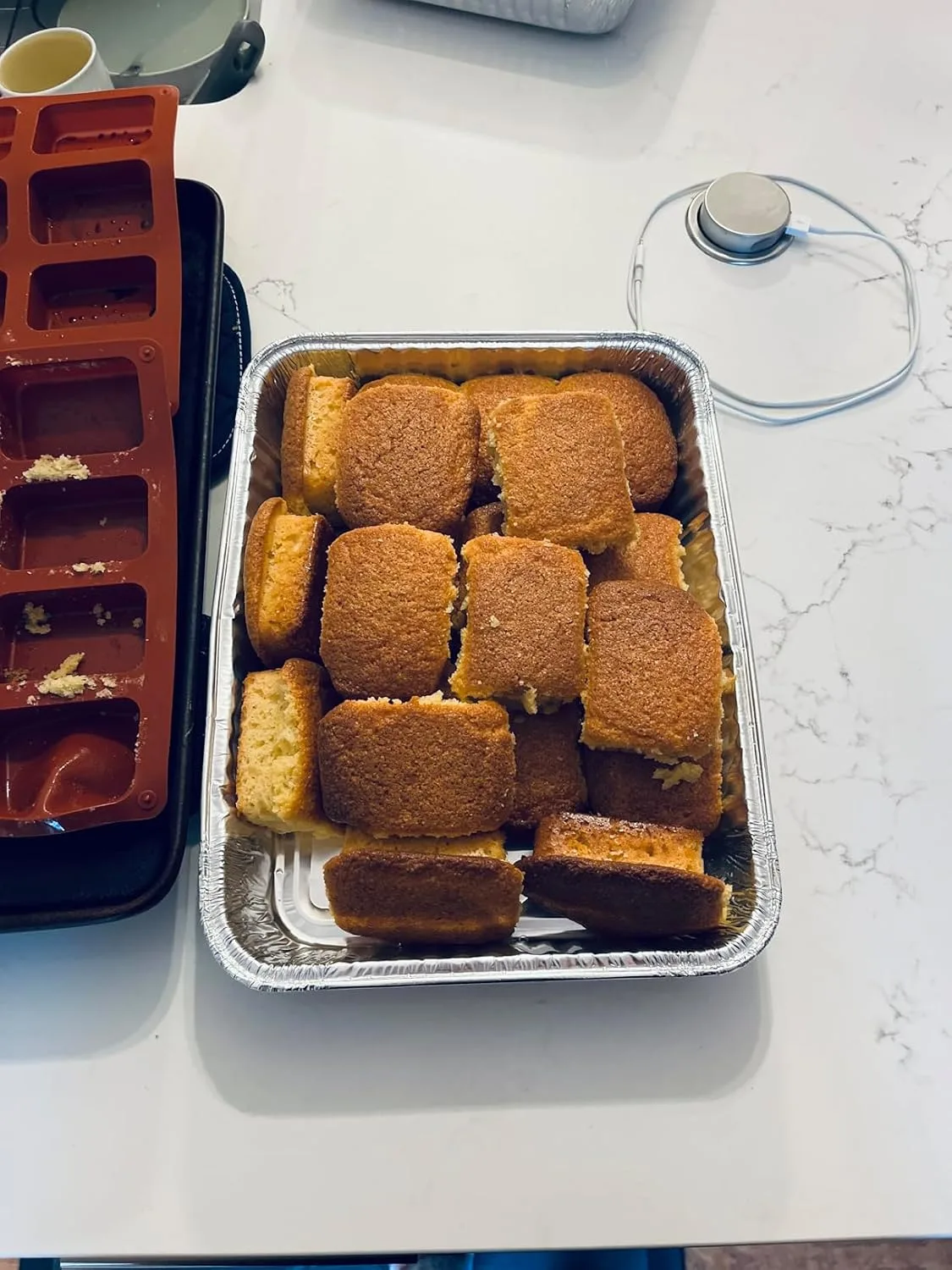
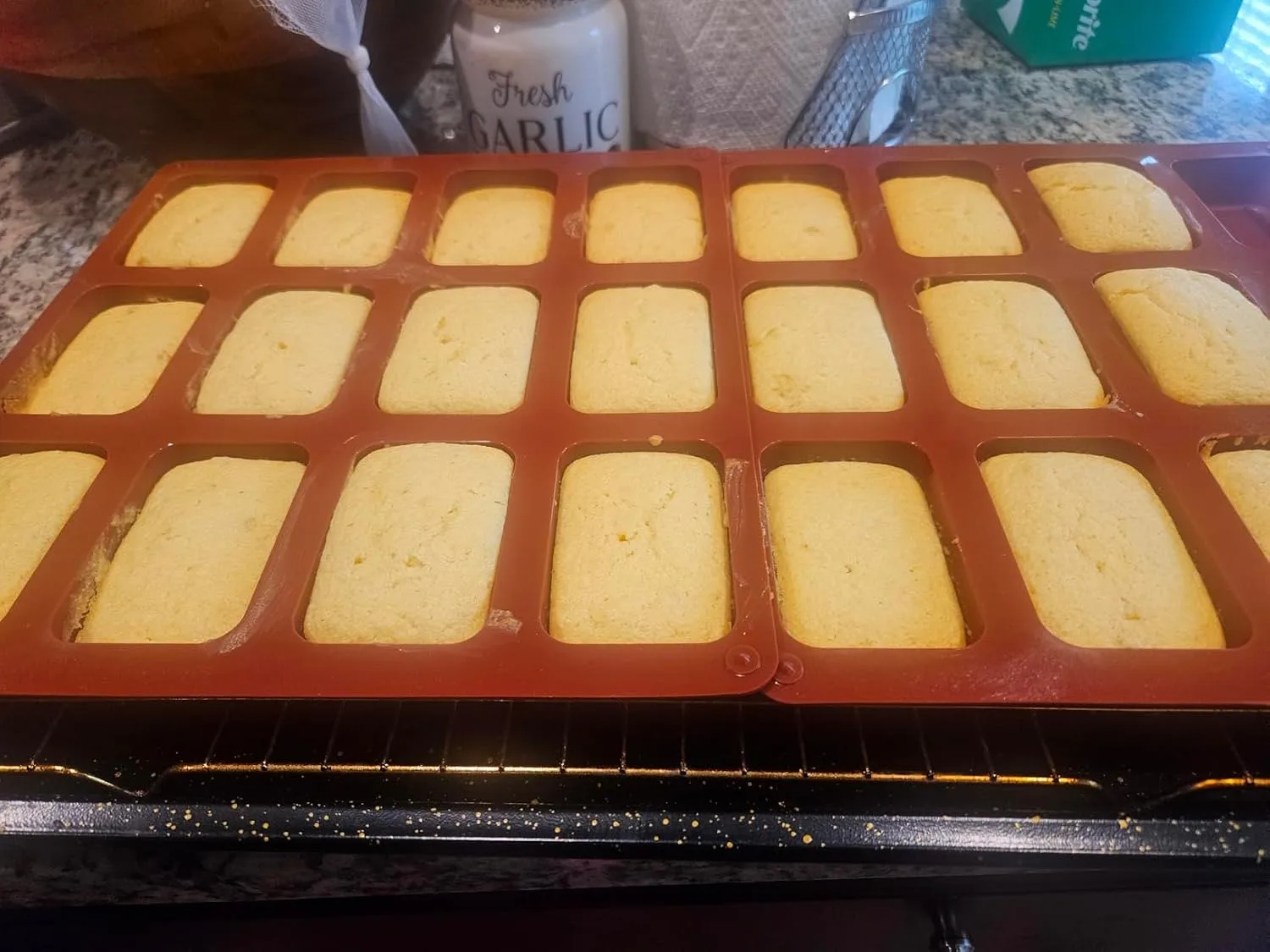
- Mini cavity baking molds: For an even daintier presentation, the JOERSH Silicone Mini Loaf Pan (2 Pack, 12 Cavities) gives you perfectly portioned little shortbread bars that look incredibly professional on a cookie platter. Non-stick, dishwasher safe, and they release cleanly every single time.
- A bench scraper for slicing your dough log into even rounds
- Parchment paper — always parchment paper
- A kitchen scale, because weighing flour is the single best thing you can do for your shortbread consistency
I want to tell you about the dinner party where I accidentally turned my green tea shortbread cookies completely gray. Not sage green. Not pale celadon. Gray. Like a rainy Tuesday. Like a sad storm cloud had descended directly onto my baking sheet.
Here’s what happened: I was so proud of myself for discovering green tea shortbread cookies in the first place. I’d had a version at a little Japanese bakery tucked into a strip mall near my office, and I’d spent the entire drive home basically narrating a cooking show in my head about how I was absolutely going to recreate them. The flavor was extraordinary — buttery and delicate with that grassy, slightly bitter edge that only matcha can deliver. I was going to be the cool person at dinner parties. I was going to be the person who brings something people have never tried. I was going to be legendary.
What I did not anticipate was buying bargain-bin “matcha flavored” powder from the discount grocery store, which turned the most violent shade of army green during mixing and then baked into something that genuinely looked like concrete. My partner took one look at the cooling rack and said, very gently, “Are those… intentionally that color?” Reader, they were not.
Why Matcha Quality Changes Everything in Green Tea Shortbread Cookies
That gray cookie disaster was the best baking lesson I ever learned, because it sent me down a deep rabbit hole about matcha quality — and once you understand it, you can never go back to the cheap stuff.
True culinary grade matcha from Japan is made from shade-grown green tea leaves. The shading process boosts chlorophyll production, which is what gives good matcha that iconic vivid green color. When you bake with high-quality matcha, your cookies come out this gorgeous pale sage green that looks like it belongs in a magazine. When you bake with low-grade powder that’s mostly filler, the chlorophyll is nearly absent and you get that sad, muddy, grayish result.
The Matcha That Actually Stays Green (And Doesn’t Taste Like Grass Clippings)
I’ve learned the hard way that cheap matcha powder turns these shortbread cookies a sad, brownish-grey and leaves a bitter, almost metallic aftertaste that no amount of butter can fix. Getting the color and flavor right is what makes green tea shortbread actually worth bringing to a dinner party instead of just making chocolate chip.
What works
- The color stays vibrant even after baking—I’ve stopped second-guessing whether my cookies look homemade or store-bought elegant.
- The flavor is genuinely clean and slightly sweet, which means the matcha doesn’t overpower the butter and vanilla notes that make shortbread, well, shortbread.
- It dissolves completely into the dough without any gritty texture, which matters more than you’d think when you’re creaming butter for a tender crumb.
What doesn’t
- It costs more than the bulk matcha at the discount store, and I’ve definitely winced at the price before committing.
- The 100g tin runs out faster than I expect if you’re someone (like me) who makes these cookies monthly for various occasions.
I once tried substituting a cheaper brand to save five dollars and ended up with cookies that looked almost olive-drab under my kitchen lights—I almost didn’t bring them to a party that weekend, which is when I knew I’d never take that shortcut again. Grab the Jade Leaf Culinary Grade Matcha (100g) and trust me on this.
How I Make Them, Step by Step
What You’ll Need
- 1 cup (225g) unsalted butter, softened to room temperature
- 1 cup (115g) powdered sugar, sifted
- 2 to 3 tablespoons (14-21g) matcha powder
- 2 cups (250g) all-purpose flour
- ½ teaspoon salt
- 1 teaspoon vanilla extract (optional but lovely)
The Method
- Place your softened butter and sifted powdered sugar in the bowl of a stand mixer. Cream them together on medium speed for about 1-2 minutes until the mixture is pale and fluffy. This is important—don’t skip this step, because it’s what gives your shortbread that tender, melt-in-your-mouth texture.
- Sift your matcha powder directly into the butter mixture. Mix on medium speed for another minute, making sure every speck of matcha is evenly distributed. You’re looking for a uniform pale green color—no streaks, no lumps.
- In a separate bowl, whisk together your flour, salt, and vanilla extract if using. I like to weigh the flour on my kitchen scale for consistency, but if you’re using cups, spoon and level carefully.
- Switch your mixer to low speed and gradually add the flour mixture to the butter and matcha. Mix just until the dough comes together—overworking develops gluten, which makes shortbread tough instead of tender.
- Turn the dough out onto a clean work surface and shape it into a log about 2 inches in diameter (this is where that bench scraper really shines for getting clean, even edges). Wrap the log in plastic wrap and refrigerate for at least 30 minutes, though overnight is even better if you have the time.
- When you’re ready to bake, preheat your oven to 325°F (163°C) and line two baking sheets with parchment paper.
- Remove the dough log from the refrigerator and slice it into ¼-inch-thick rounds using a sharp knife. A bench scraper works beautifully here too—I wipe the blade between cuts to keep the edges clean and prevent smudging.
- Arrange the sliced cookies about 2 inches apart on your prepared baking sheets. They won’t spread much, but give them a little breathing room anyway.
- Bake for 13-15 minutes, until the edges just barely start to turn golden and the centers feel dry and firm to the touch. This is the key—shortbread should be pale, not browned. You’re looking for a delicate, almost fragile-looking cookie.
- Transfer the hot cookies to a wire rack to cool completely. I know it’s tempting to move them earlier, but they need those few minutes on the baking sheet to set up properly, or they’ll be too delicate to handle.
The Numbers
Yield: About 24-28 elegant little cookies, depending on how thick you slice your log
Prep Time: 15-20 minutes (plus 30 minutes to overnight chilling time)
Bake Time: 13-15 minutes
Storage: These keep beautifully in an airtight container at room temperature for up to 5 days. I’ve also frozen them for up to a month—just thaw them in the container so they don’t absorb moisture. When I’m making my monthly batch for whatever occasion is coming up, I often bake one tray and freeze the rest of the dough log for later.