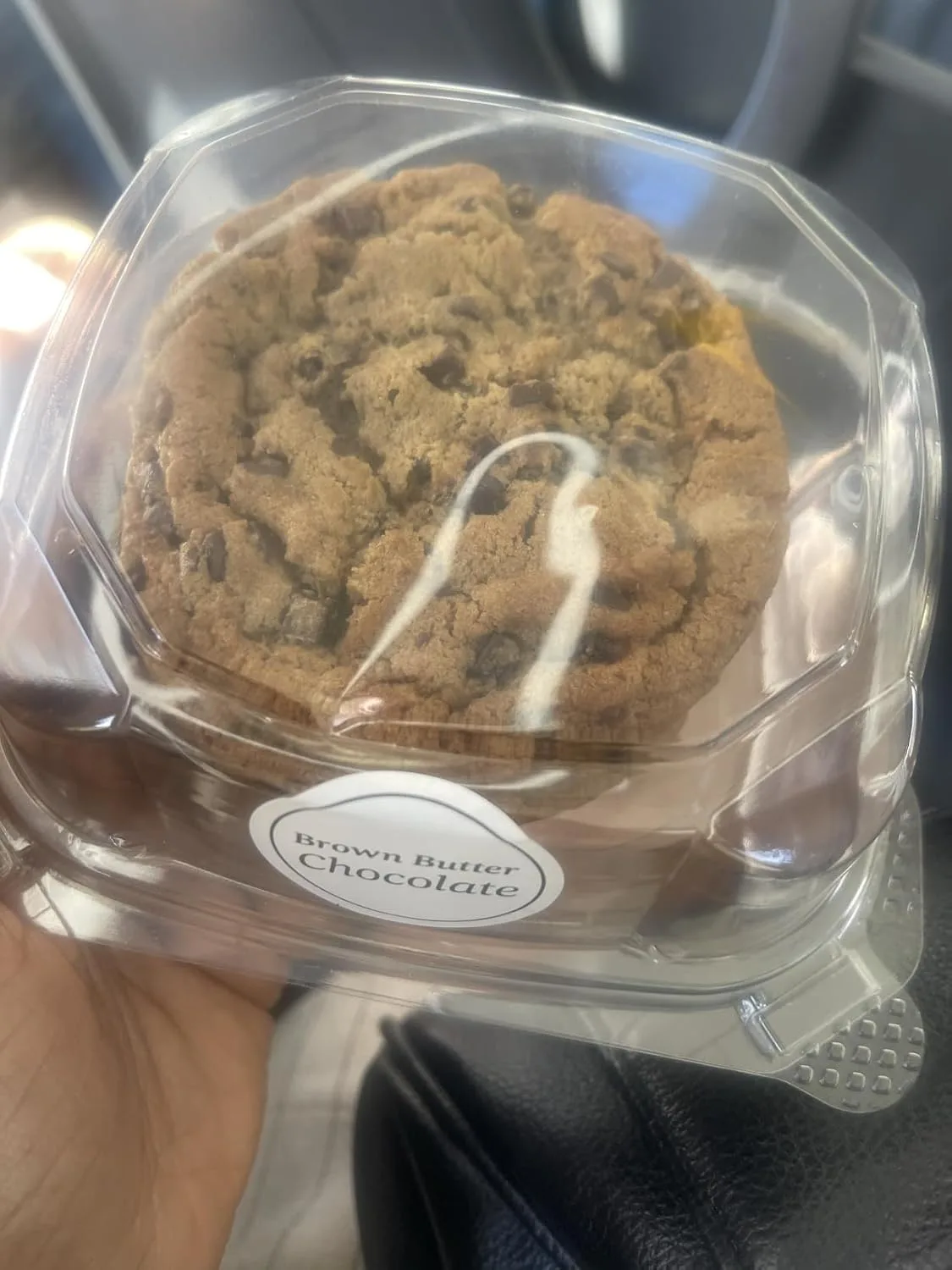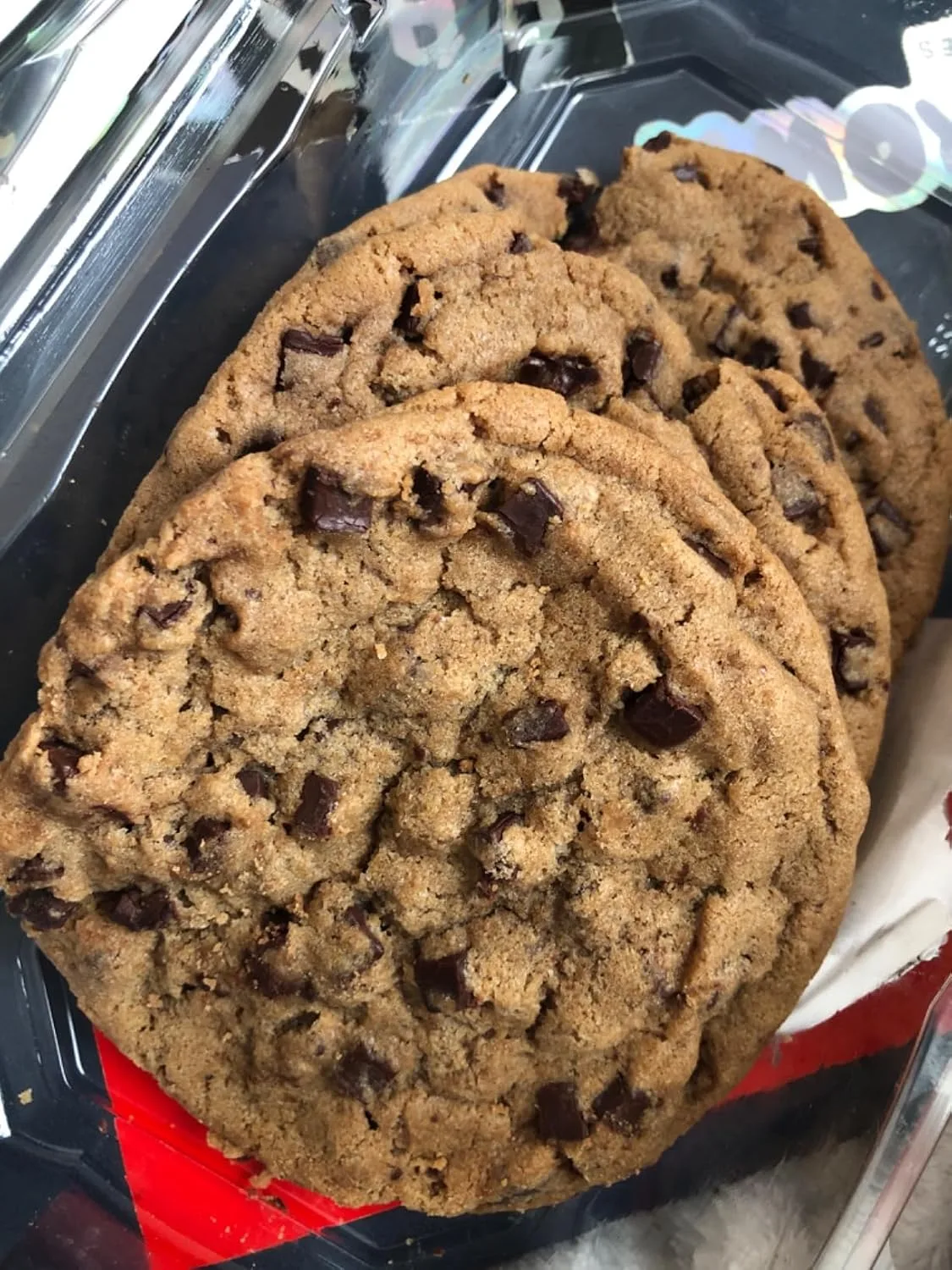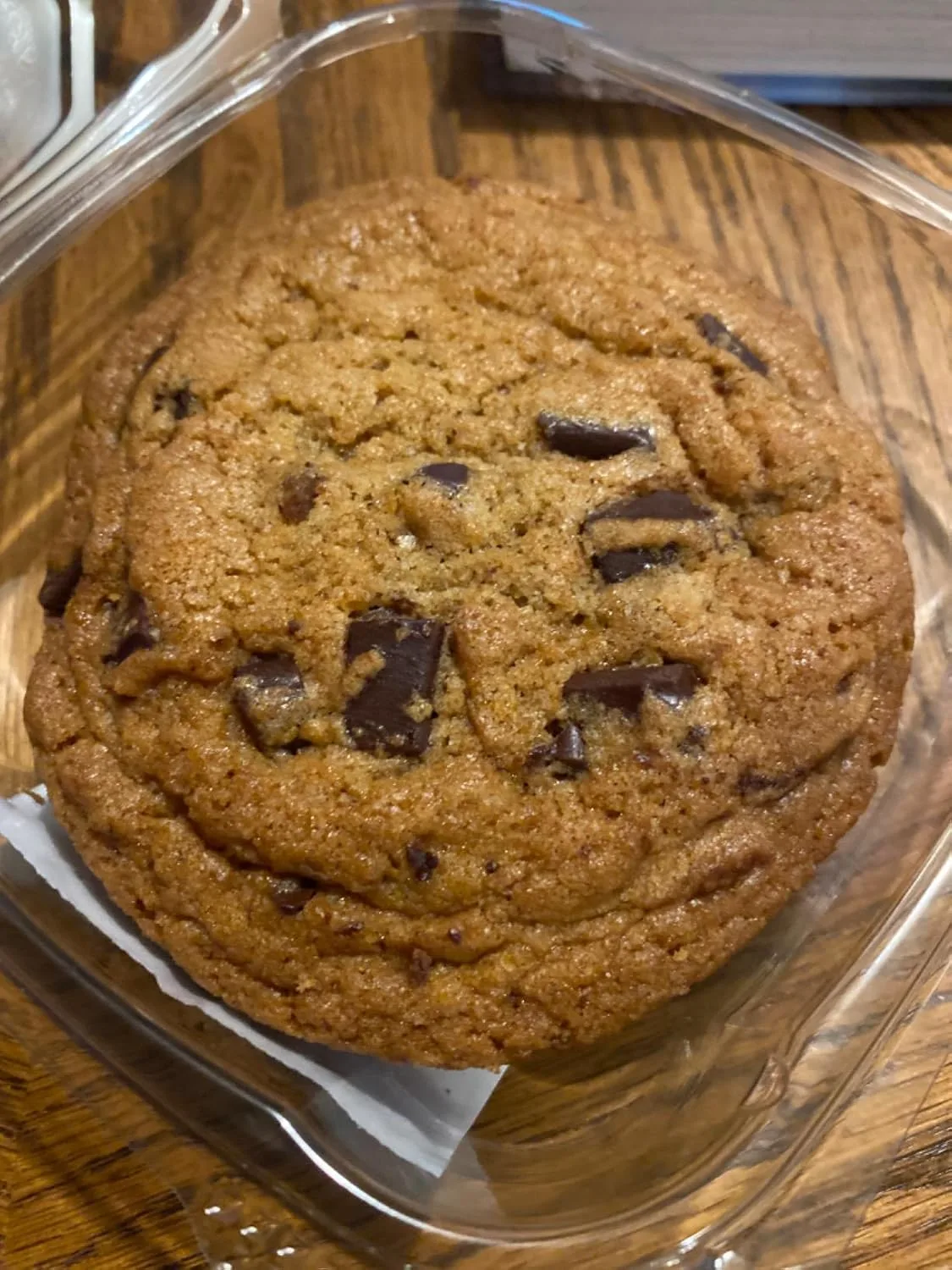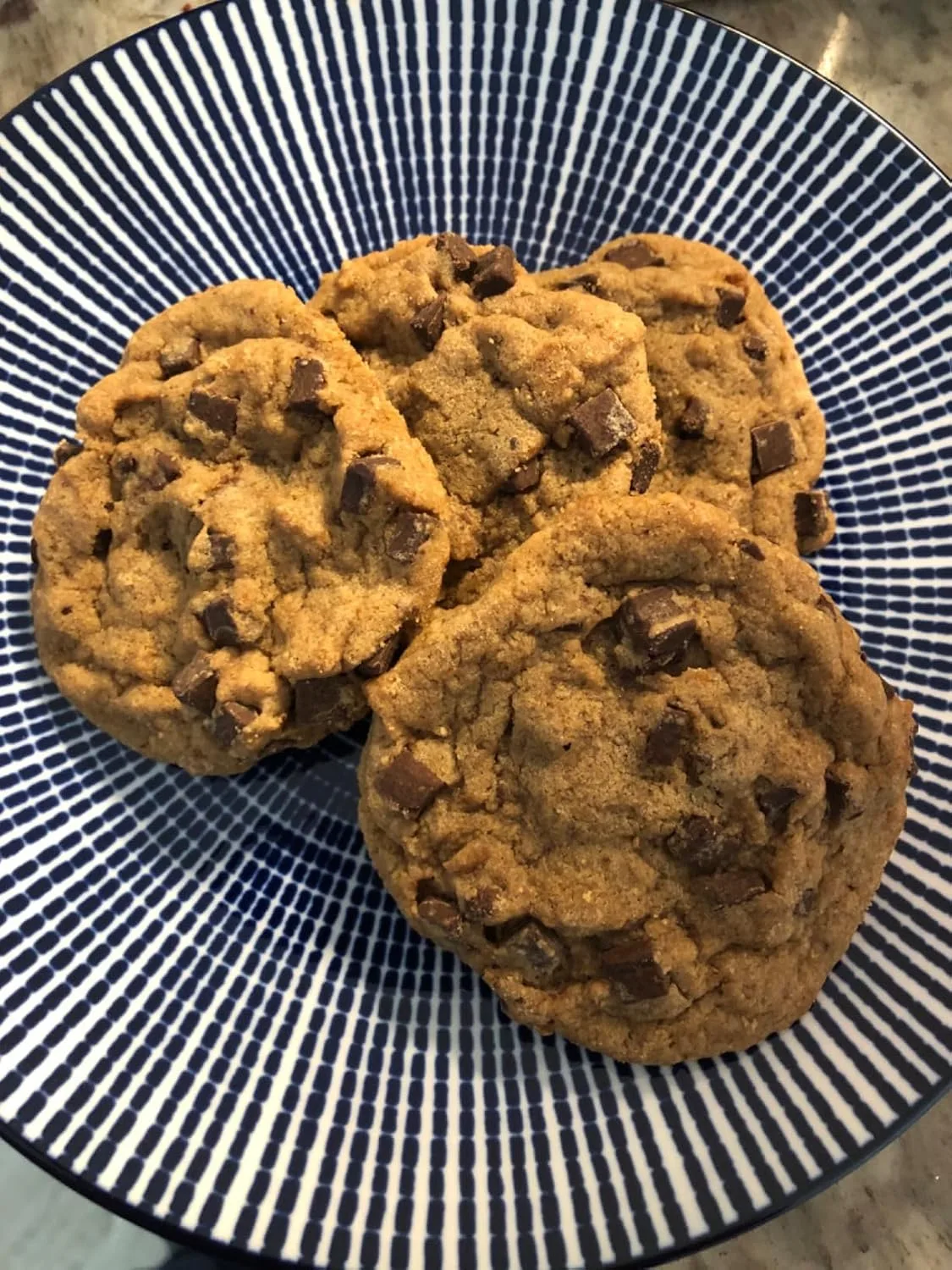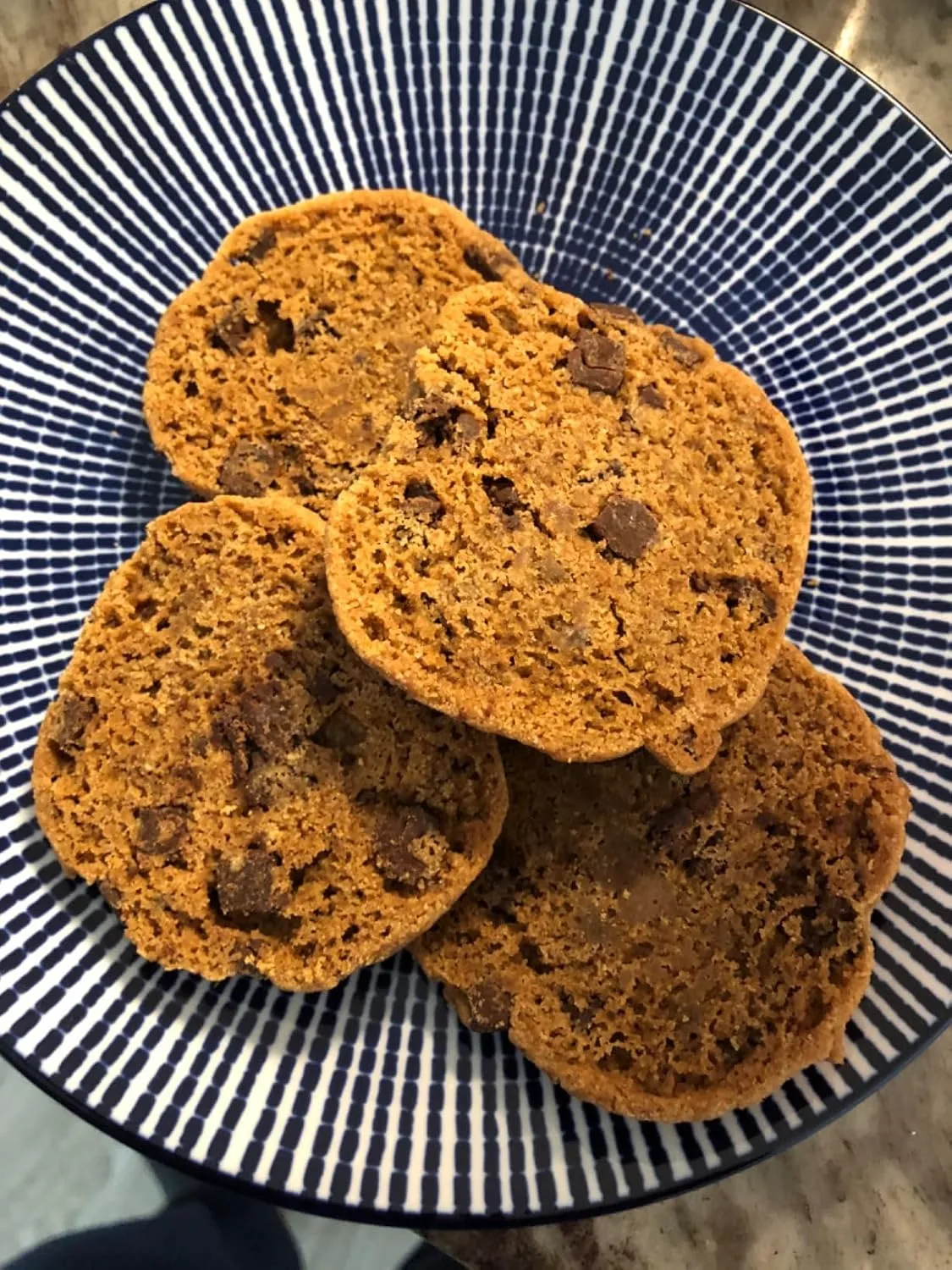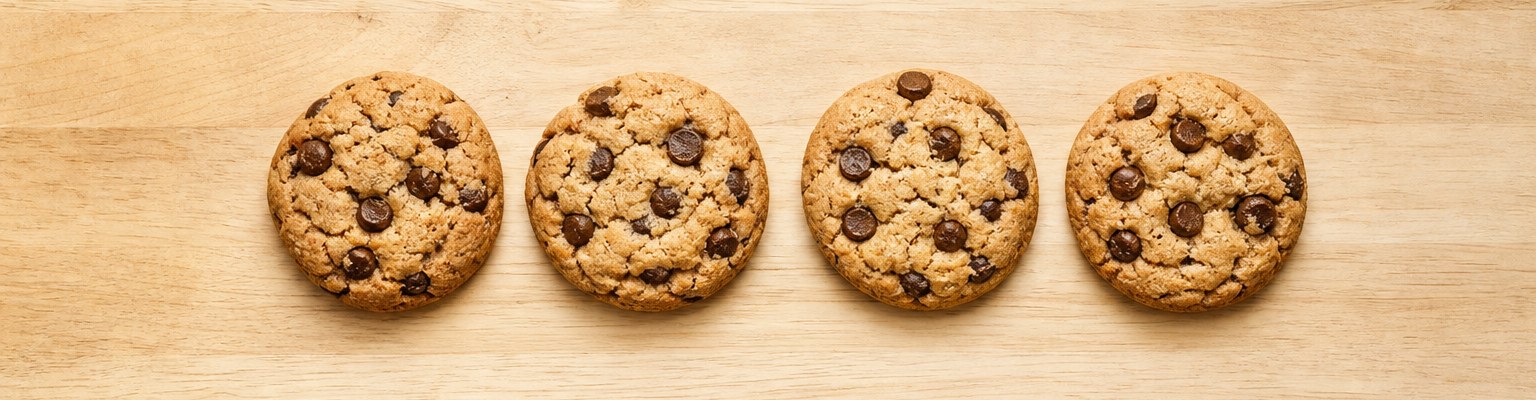
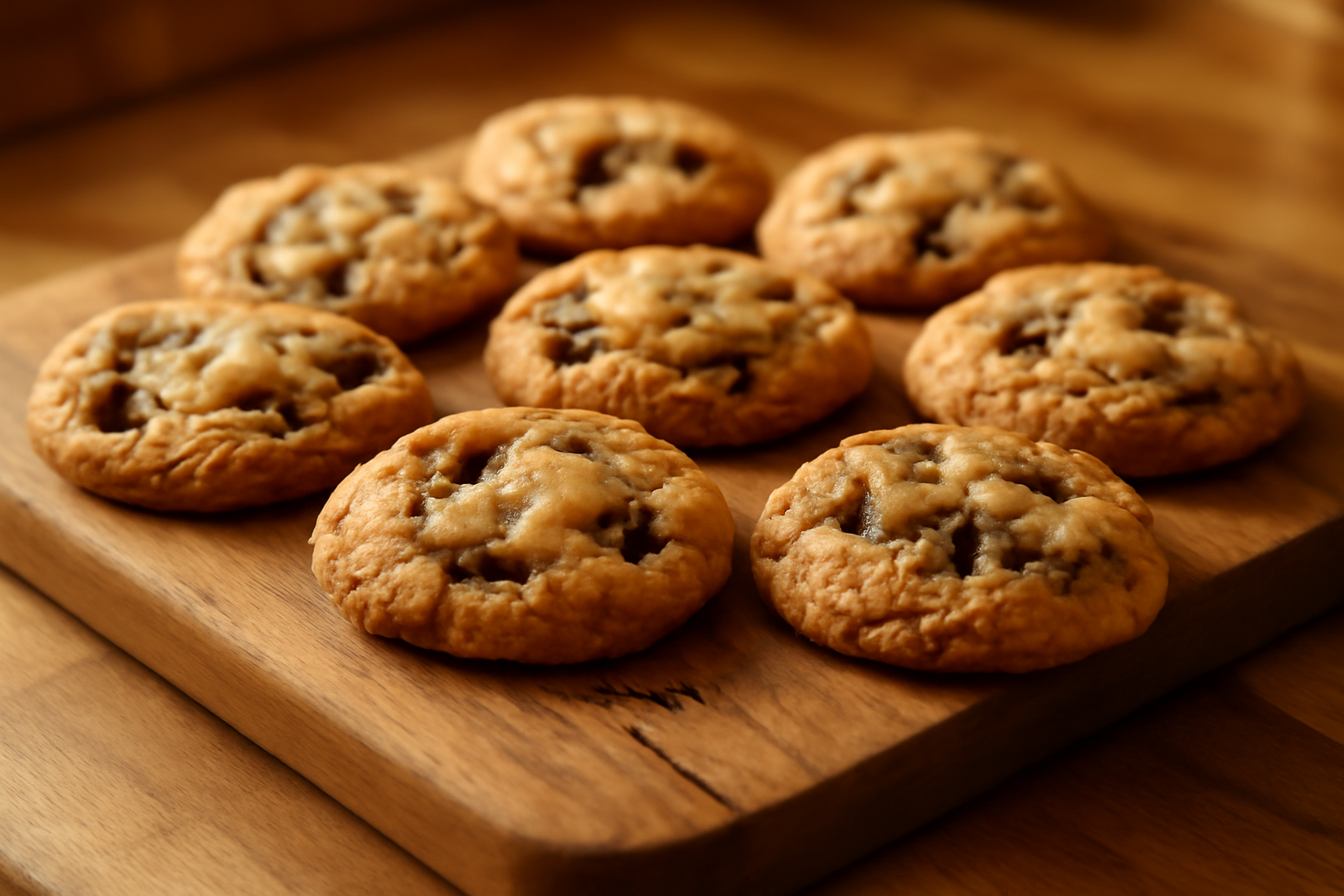

The first time I browned butter for cookies, I did it by accident. I was distracted, the butter went past melted, and I panicked — then smelled something so good I just kept going. The resulting cookies were dramatically better than anything I had made before, and I had been baking seriously for about three years at that point. I needed to know why. That curiosity turned into twelve-plus years of obsessive tinkering, and brown butter cookies became the lens through which I started understanding cookie chemistry at a molecular level — or at least as close as a home baker with a thermometer and too many notebooks can get.
If you have ever wondered why brown butter cookies taste so different, spread differently, and have a texture that plain butter cookies just cannot replicate, this post is going to answer that in real, specific terms. Not vague gestures toward “nuttiness.” Actual science, applied to your actual dough.
What Happens to Butter When You Brown It
Regular unsalted butter is roughly 80% fat, 16–18% water, and 2–3% milk solids. When you brown butter, you are doing two distinct things simultaneously: evaporating the water content and triggering the Maillard reaction in those milk solids.
The Maillard reaction — named after French chemist Louis-Camille Maillard, who described it in 1912 — is the same browning process that gives seared steak, toasted bread, and roasted coffee their complexity. In butter specifically, it produces hundreds of new flavor compounds, including diacetyl (buttery), furanones (caramel-like), and pyrazines (nutty, toasty). The difference between pale yellow butter and deep amber brown butter is not just color. It is a fundamentally different ingredient.
The water loss is equally important, and honestly something most recipes gloss over. Depending on how long you brown it and how high your heat is, you can lose anywhere from 15% to 25% of the butter’s original volume. I weigh my butter before and after browning on a kitchen scale every single time. A standard American cookie recipe calling for 226g (two sticks) of butter often ends up with 185–195g of brown butter after cooking. That is not nothing.
How Brown Butter Changes Your Dough Structure
This is where it gets genuinely interesting for cookie baking, and where I have done some of my most obsessive side-by-side testing.
Less water in your fat means less steam production during baking. Steam is one of the primary leavening forces in cookies — it puffs them up and contributes to a cakier texture. When you reduce the water content through browning, you get less lift, which means flatter, denser, chewier cookies. This is not a flaw. It is a feature, and it is predictable once you understand it.
Brown butter is also liquid at room temperature, unlike creamed softened butter. This matters enormously for texture. When you cream softened butter with sugar, you are mechanically incorporating air into the fat, creating a foam structure that gives cookies lift. With liquid brown butter, that creaming process is impossible. You are essentially making a different style of dough — more like a stirred dough than an aerated one. The result is a denser crumb, more pronounced chew, and a slightly crispier edge where moisture has evaporated fastest during baking.
One technique I have tested extensively: cooling the brown butter to a semi-solid state before mixing. If you pour it into a bowl and refrigerate it until it is the consistency of softened butter — usually about 45 minutes to an hour — you can actually cream it with sugar and recover some of that aeration. The cookies come out slightly lighter in texture while keeping the Maillard flavor. It is a useful middle ground when you want the flavor without committing fully to the flat, chewy profile.
The Sugar Ratio Question
Most brown butter cookie recipes skew heavily toward brown sugar, and there is a real reason for this beyond “it tastes good together.” Brown sugar contains molasses, which is hygroscopic — it attracts and retains moisture from the environment and from the dough itself. Combined with the reduced water content from browning your butter, this moisture retention becomes critical for texture. Without enough brown sugar, brown butter cookies can turn dry and crumbly, especially after day one.
My personal tested ratio after years of adjustment: 70% brown sugar to 30% granulated white sugar, by weight. I ran this experiment with five different ratios over the course of several weeks in 2019 — 100/0, 80/20, 70/30, 50/50, and 30/70 — and kept detailed tasting notes. The 70/30 split consistently produced the best balance of chew, spread, and flavor depth without the cookies becoming overly sticky or dense. Pure brown sugar produced a cookie that was almost fudgy in a way that started to compete with the brown butter flavor rather than complement it.
Resting the Dough: Does It Actually Matter?
Yes, and not just for flavor. I am a strong proponent of resting brown butter cookie dough for at least 24 hours, ideally 36–48 hours, refrigerated.
The flavor argument is well-documented — longer rests allow enzymatic activity to break down starches into simpler sugars, which intensifies browning in the oven and deepens flavor. But for brown butter specifically, the rest period also allows the liquid fat to be more fully absorbed into the flour and sugar matrix. Freshly mixed brown butter dough is often greasier and more difficult to scoop cleanly. Rested dough is firmer, more cohesive, and bakes more evenly.
Food scientist Harold McGee has written about this resting effect in the context of hydration and gluten development, and while he was not specifically talking about brown butter cookies, the principles translate directly. Flour needs time to fully hydrate, and that hydration affects gluten structure, spread, and final texture in meaningful ways.
Honest caveat here: the difference between a 24-hour rest and a 48-hour rest is real but subtle for most people. If you are serving cookies at a dinner party and you genuinely cannot taste the difference in a blind test, the 24-hour version is still excellent. I can taste it. My husband cannot. I have made peace with this.
Temperature and Timing in the Oven
Brown butter cookies are more forgiving about oven temperature than plain butter cookies in one specific way: the Maillard-derived flavor compounds in the browned milk solids are already developed before the dough goes in, so you do not need high heat to create complexity. What you do need to watch is the browning of the edges versus the center.
I bake my brown butter cookies at 325°F (163°C) on a light-colored aluminum sheet pan lined with parchment. Lower temperature than most recipes suggest, longer bake time — typically 13–15 minutes — and I pull them when the edges are just set and the center still looks underdone. They finish cooking on the hot pan for another five minutes. This method gives me the maximum contrast between a crisp edge and a soft, gooey center, which is the whole point of this style of cookie.
Brown Butter Cookie Science: Quick Answers
Does the ratio change when you brown the butter?
Effectively, yes. Browning drives off the butter’s water — roughly 15–18% of its weight — so you end up with less total fat mass and a drier dough than the original recipe assumed. Two easy fixes: brown a little extra butter to hit your target weight, or whisk 1–2 teaspoons of liquid (water or milk) back in per stick after browning. The reduced water also means less steam and less gluten hydration during baking, which is part of why brown butter cookies bake up denser and chewier than their plain-butter counterparts.
Does sugar affect the outcome of brown butter cookies beyond taste?
It does. With less water in the dough, there is less liquid available to dissolve the sugar, and how much sugar dissolves influences both spread and how crisp the edges turn out. Brown sugar helps here on two fronts: its molasses is hygroscopic and adds back a little moisture, and it deepens flavor. Sugar is also a direct participant in Maillard browning, so it is doing flavor work in the oven, not just sweetening.
How does acidity affect brown butter cookies?
Maillard browning generally speeds up in a more alkaline, higher-pH environment, which is why a pinch of baking soda encourages deeper color and toastier flavor. Adding acid pushes the other way — it slows browning slightly while tenderizing the crumb. Brown sugar is mildly acidic, so leaning heavily on it nudges both flavor and texture. These are gentle nudges, not switches, so it is worth understanding but not worth obsessing over.
How do enzymes affect brown butter cookies?
Here it is worth being precise, because the two things get conflated. The heat of browning denatures the butter’s own native enzymes (such as lipases), so they are not doing anything in your dough. The enzyme effect people usually mean — amylase and protease slowly breaking down starch and protein during a refrigerator rest — is a dough-aging effect, not a brown-butter one. Resting brown butter dough still helps, but for the same reasons resting any cookie dough helps, not because of the browning itself.
What are the functional properties of brown butter in cookies?
Four, mostly: flavor, from the nutty Maillard compounds developed in the milk solids; reduced water content, which cuts steam and shifts texture toward dense and chewy; toasted milk solids that act as tiny flavor particles distributed through the dough; and changed fat behavior, since brown butter re-solidifies differently and cannot be creamed to trap air the way softened butter can.
The Bottom Line on Brown Butter Cookie Science
Brown butter is not a simple flavor upgrade. It is a structural intervention. You are changing the water content of your fat, eliminating the possibility of traditional creaming, shifting the flavor profile through the Maillard reaction, and creating a dough that behaves differently at every stage from mixing to baking. Understanding why those changes happen lets you make deliberate decisions — about resting time, sugar ratios, oven temperature, and technique — instead of just following a recipe and hoping it works.
I have made thousands of cookies in fifteen years of serious home baking. Brown butter cookies are still the ones I make most often, still the ones I am still refining, and still the ones I find most technically interesting. That is not a coincidence. There is always something else to learn when the science is this good.
The Butter Warmer That Finally Stopped Me From Scorching Brown Butter
Browning butter on the stovetop is beautiful until it isn’t—one moment of distraction and you’ve crossed from nutty and caramel-colored into burnt and bitter. I spent years eyeballing the pan and listening for the exact moment to pull it off heat, which meant a lot of ruined batches before I got the hang of it.
What works
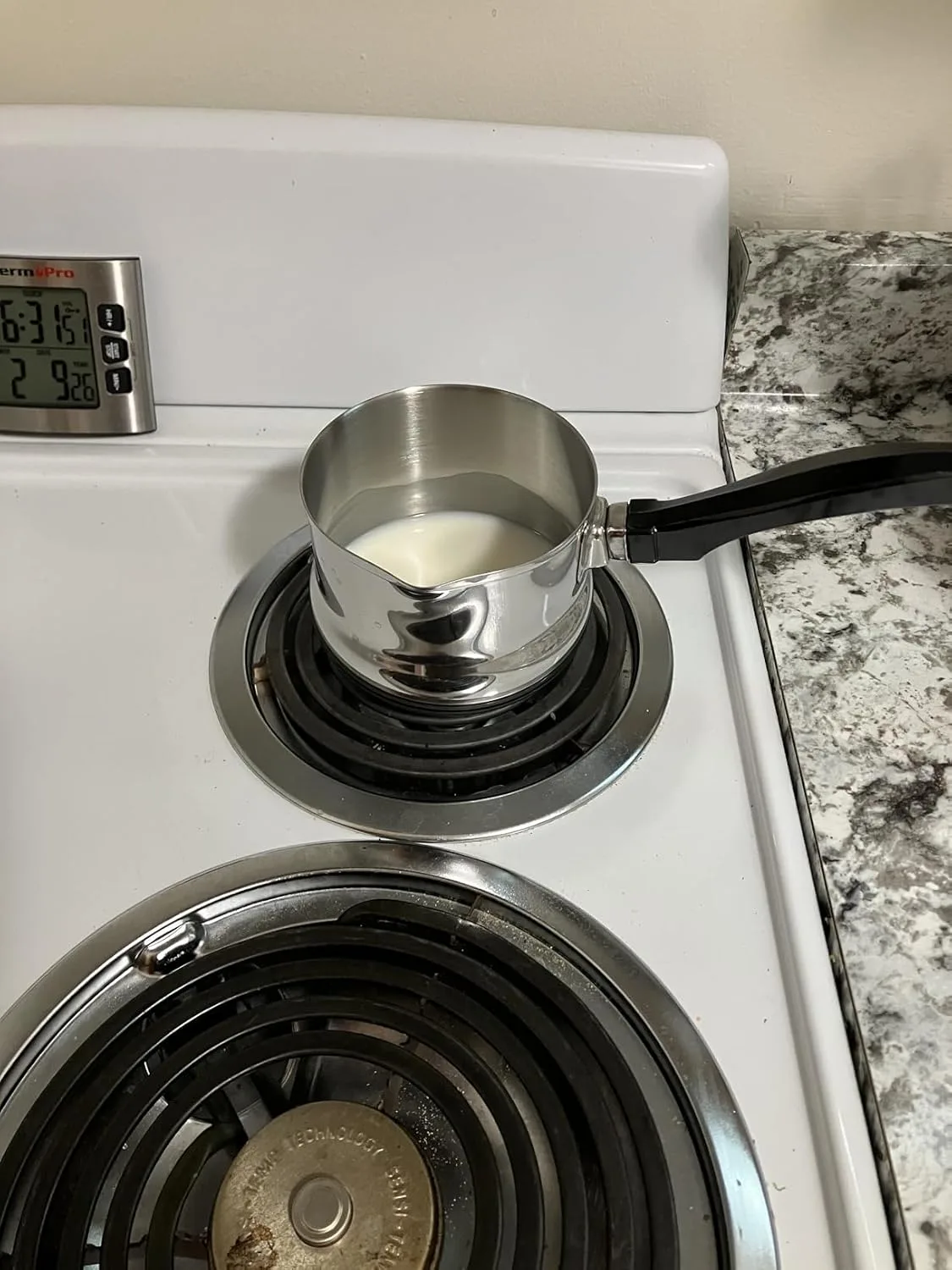
- The smaller capacity means you’re watching just enough butter to see the color change clearly—no squinting into a large pot trying to spot the milk solids turning golden brown.
- The narrow bottom and tall sides keep the heat concentrated and even, so the browning happens predictably instead of in random hot spots the way it does in my regular saucepans.
- The stainless steel interior shows you exactly when those milk solids have reached that perfect caramel stage—no guessing through discolored non-stick coatings.
What doesn’t
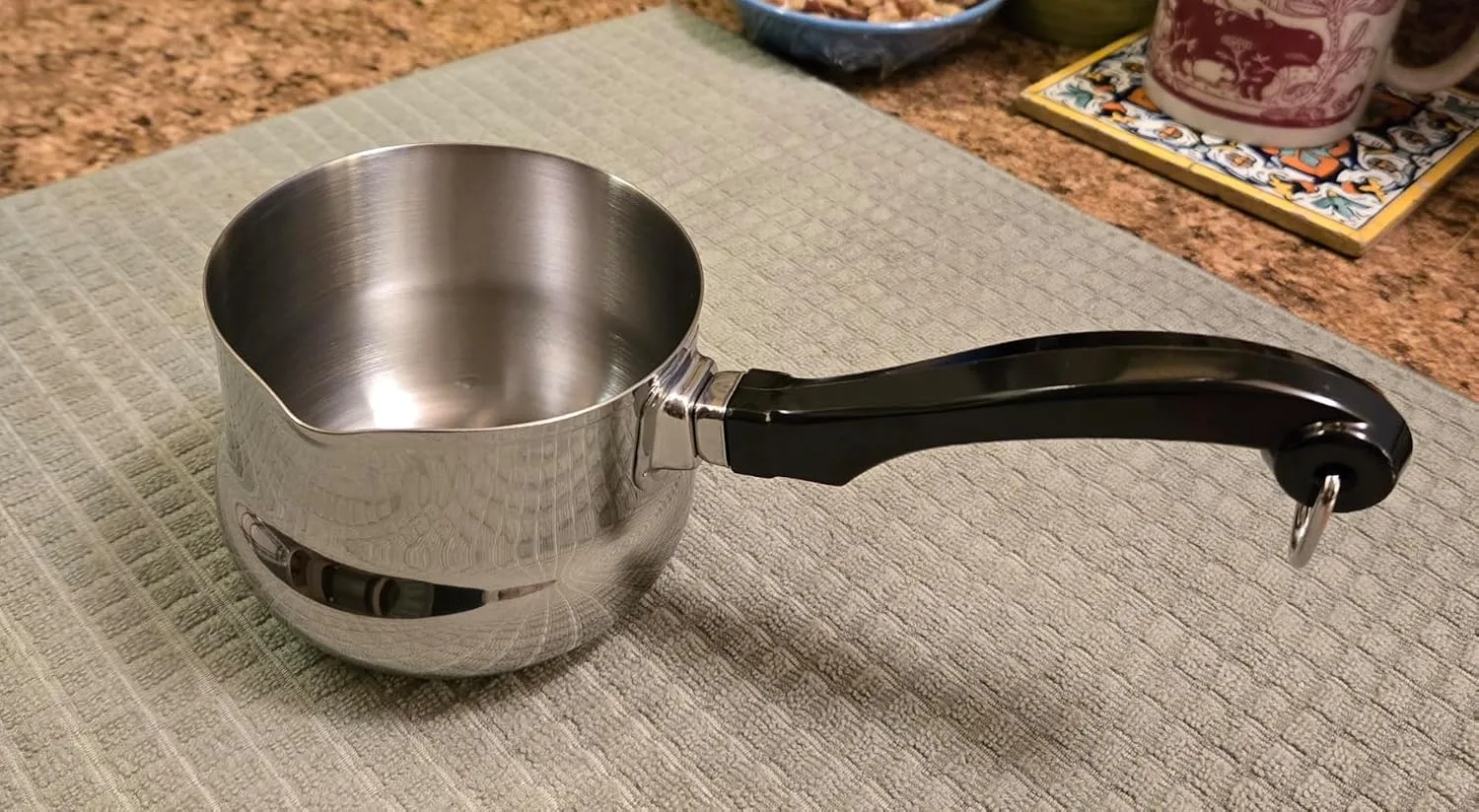
- The handle gets genuinely hot—I’ve grabbed it bare-handed more than once and immediately regretted it, so you absolutely need a kitchen towel nearby.
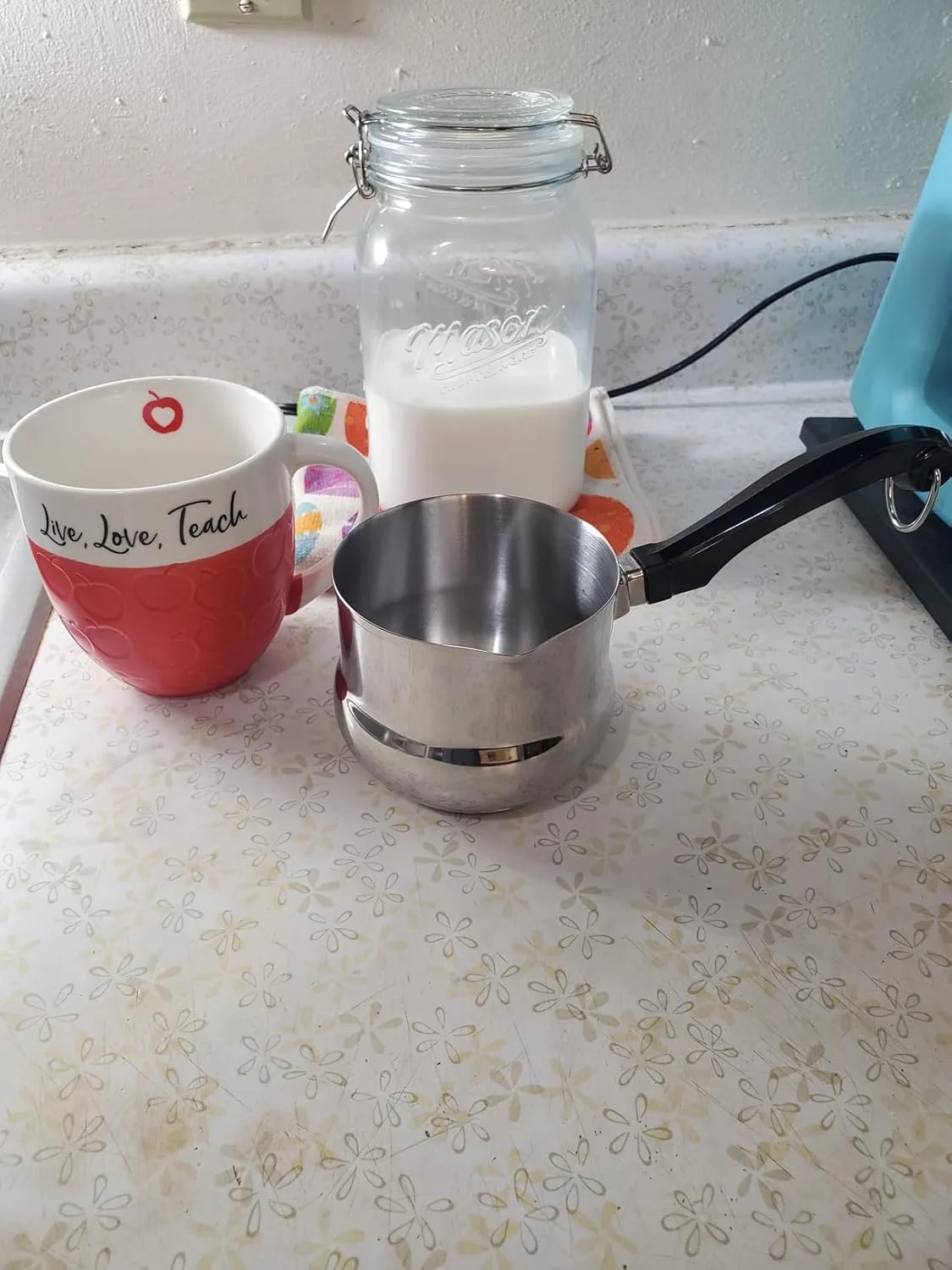
- At 0.625 quarts, you’re limited to browning butter in smallish batches, which means if you’re making multiple cookie recipes in one day, you’re doing this several times over.
The first time I used it, I still second-guessed myself halfway through and nearly poured out a perfectly browned batch thinking something had gone wrong—old habits die hard. But that warmer has become my reliable brown butter anchor, and if you’re serious about getting this technique right, Farberware Classic Stainless Steel 0.625-Quart Butter Warmer is worth the counter space.