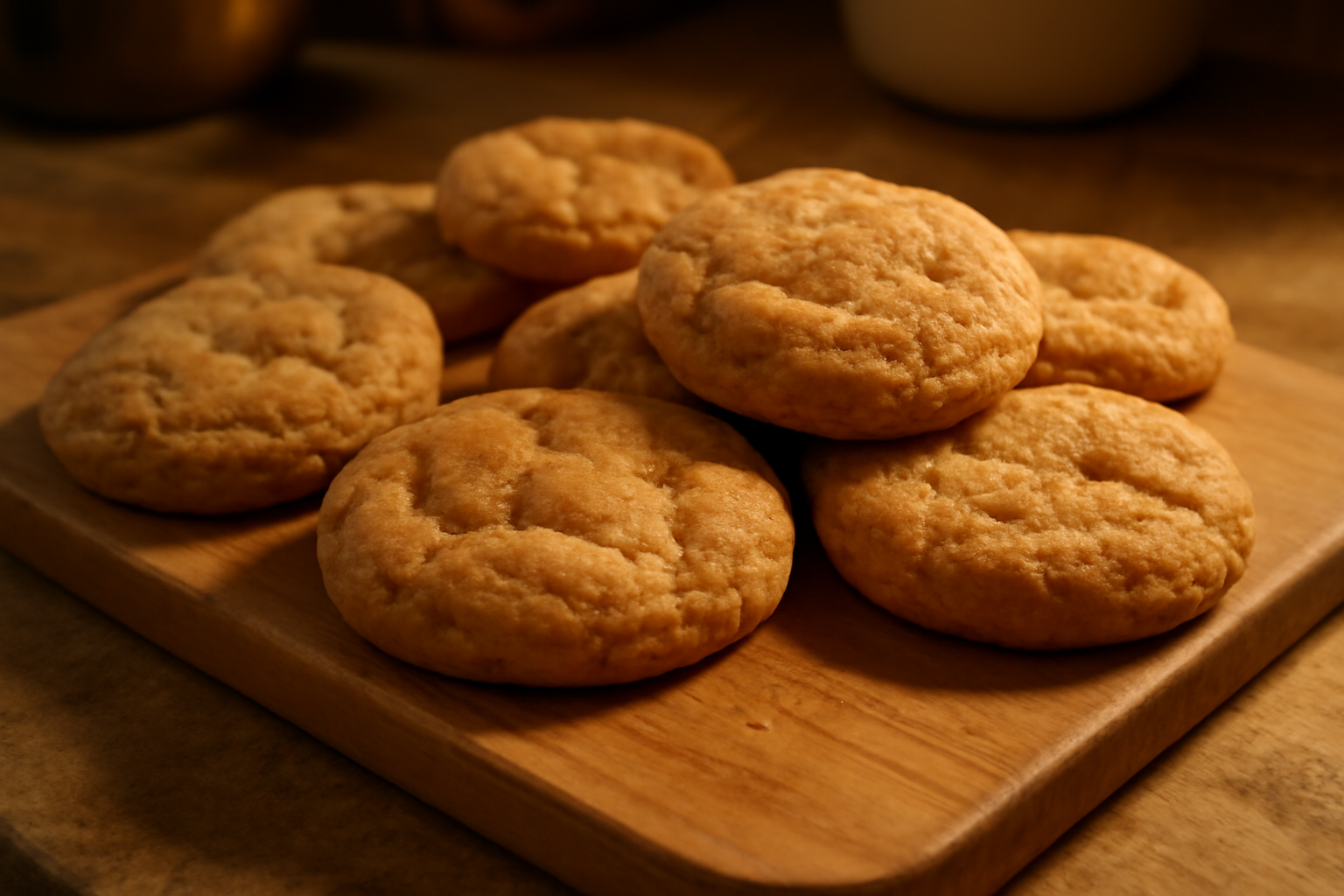

Grandmother's Snickerdoodles
Tangy, soft-centered snickerdoodles with a thick cinnamon-sugar coating, made with cream of tartar for distinctive flavor.
Ingredients
- 2 3/4 cups all-purpose flour
- 2 teaspoons cream of tartar
- 1 teaspoon baking soda
- 1/2 teaspoon fine sea salt
- 1 cup unsalted butter, at true room temperature
- 1 1/2 cups granulated sugar
- 2 large eggs, room temperature
- 1 teaspoon pure vanilla extract
- 3 tablespoons granulated sugar
- 2 teaspoons ground cinnamon
Instructions
- Whisk together the flour, cream of tartar, baking soda, and salt in a medium bowl and set aside.
- In a large bowl, beat the butter and sugar together for a full four minutes on medium speed.
- Add the eggs one at a time, beating for thirty seconds after each addition.
- Add the vanilla and mix until just combined.
- Add the flour mixture in two additions, mixing on low until the dough just comes together.
- Cover the dough and refrigerate it for at least 90 minutes, but preferably overnight.
- When you are ready to bake, preheat your oven to 375°F and line baking sheets with parchment.
- Mix the cinnamon and sugar together in a small bowl.
- Scoop the dough into balls using a 2-tablespoon scoop.
- Roll each ball generously in the cinnamon sugar, then roll again just before placing on the sheet.
- Place balls about two inches apart on the prepared sheet.
- Bake for 10 to 12 minutes, until the edges are just set but the centers still look slightly underdone.
- Let cool on the pan for five minutes before transferring.
Notes
- Butter must be 65 to 68°F for best results.
- Cream of tartar must be fresh; replace if over a year old.
- Pull cookies at 10 minutes for chewy texture or 12 minutes for crispier edges.
- Do not skip the 90-minute chill time or overnight rest.
My grandmother kept her snickerdoodle recipe on a index card that lived in a wooden recipe box painted with roosters. The card was stained with vanilla extract and what I suspect was decades of butter residue, and it listed exactly seven ingredients with no temperatures, no timings, and absolutely no mention of the one thing that makes her cookies different from every other classic snickerdoodle recipe I have ever tested.
She called it “the trick.” She never wrote it down. And she took it with her when she passed in 2011.
I have spent the better part of the last twelve years reconstructing it. I have made this recipe no fewer than 47 times — I know because I kept a notebook starting in 2013 when I got serious about figuring it out. I have tested cold butter versus room temperature butter, cream of tartar amounts ranging from a quarter teaspoon to a full tablespoon, single versus double rolling in cinnamon sugar, and resting the dough overnight versus baking immediately. I have eaten more snickerdoodles than any one person should admit to eating.
What follows is what I landed on. It is as close to her cookie as I have ever gotten, and I believe — based on watching her bake dozens of times as a kid — that I finally understand the part she never wrote down.
Why Cream of Tartar Is Non-Negotiable
Let me say this plainly: a snickerdoodle without cream of tartar is a sugar cookie rolled in cinnamon. That is not a snickerdoodle. The cream of tartar is what creates the slightly tangy, almost sour-adjacent flavor underneath the sweetness that makes these cookies taste like themselves and not like everything else.
Cream of tartar is potassium bitartrate — a byproduct of wine fermentation — and in cookie baking, it does two things. It reacts with baking soda to create lift, and it contributes acidity that changes the flavor profile in a way that is subtle but unmistakable when it is missing. I once did a side-by-side test with a group of friends: same recipe, one batch with cream of tartar, one without. Every single person preferred the cream of tartar batch, and most could not articulate exactly why. They just said the ones without it tasted “flat” or “plain.”
Do not skip it. Do not substitute extra baking powder. Use cream of tartar.
The Recipe (With Gram’s Unwritten Step)
Ingredients
- 2 3/4 cups all-purpose flour (spooned and leveled — do not scoop directly from the bag)
- 2 teaspoons cream of tartar
- 1 teaspoon baking soda
- 1/2 teaspoon fine sea salt
- 1 cup (2 sticks) unsalted butter, at true room temperature — 65 to 68°F
- 1 1/2 cups granulated sugar
- 2 large eggs, room temperature
- 1 teaspoon pure vanilla extract
Cinnamon Sugar Coating
- 3 tablespoons granulated sugar
- 2 teaspoons ground cinnamon
Instructions
- Whisk together the flour, cream of tartar, baking soda, and salt in a medium bowl. Set aside.
- In a large bowl, beat the butter and sugar together for a full four minutes on medium speed. I know most recipes say two minutes. Use four. This is where structure comes from, and skimping here costs you texture.
- Add the eggs one at a time, beating for thirty seconds after each addition. Add the vanilla and mix until just combined.
- Add the flour mixture in two additions, mixing on low until the dough just comes together. Do not overmix once the flour goes in.
- Now here is the part my grandmother never wrote down: cover the dough and refrigerate it for at least 90 minutes, but preferably overnight. I know she did this because I remember watching her make the dough the night before she planned to bake. I never connected it to the recipe because she never mentioned it — it was just something she did. When I started testing rested dough versus same-day dough in 2015, the difference was significant enough that it has been a non-negotiable step ever since. Rested dough bakes up thicker, with better chew and more developed flavor. The extra time allows the flour to fully hydrate and gives the butter time to firm back up, which slows spread in the oven.
- When you are ready to bake, preheat your oven to 375°F and line baking sheets with parchment. Mix the cinnamon and sugar together in a small bowl.
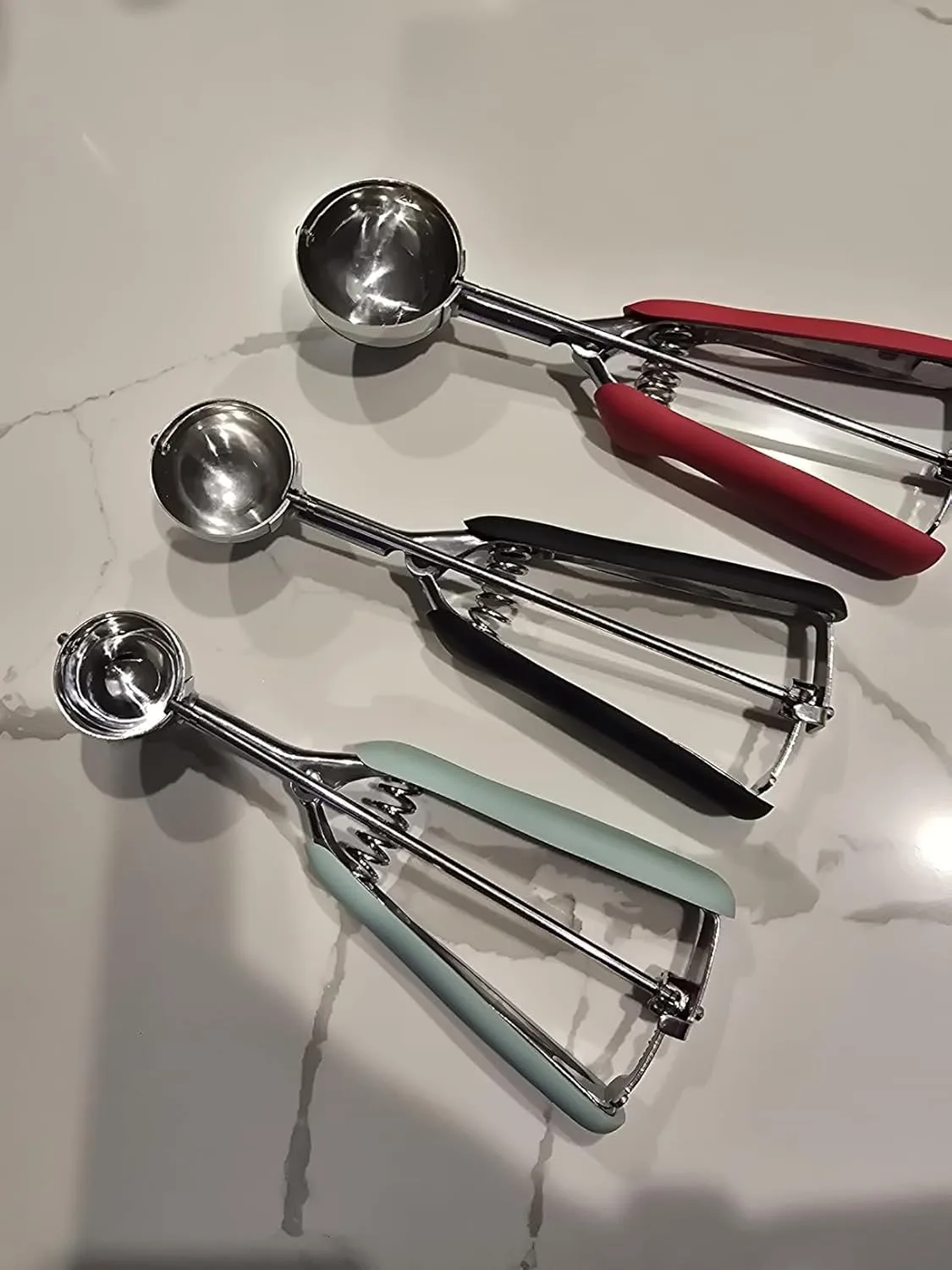
- Scoop the dough into balls — I use a 2-tablespoon scoop for a cookie that is substantial but not ridiculous. Roll each ball generously in the cinnamon sugar. I roll twice: once right after scooping, then again just before placing on the sheet. This double-rolling is the other thing I landed on after testing, and it gives you a visibly thicker, more fragrant coating that does not disappear in the oven.
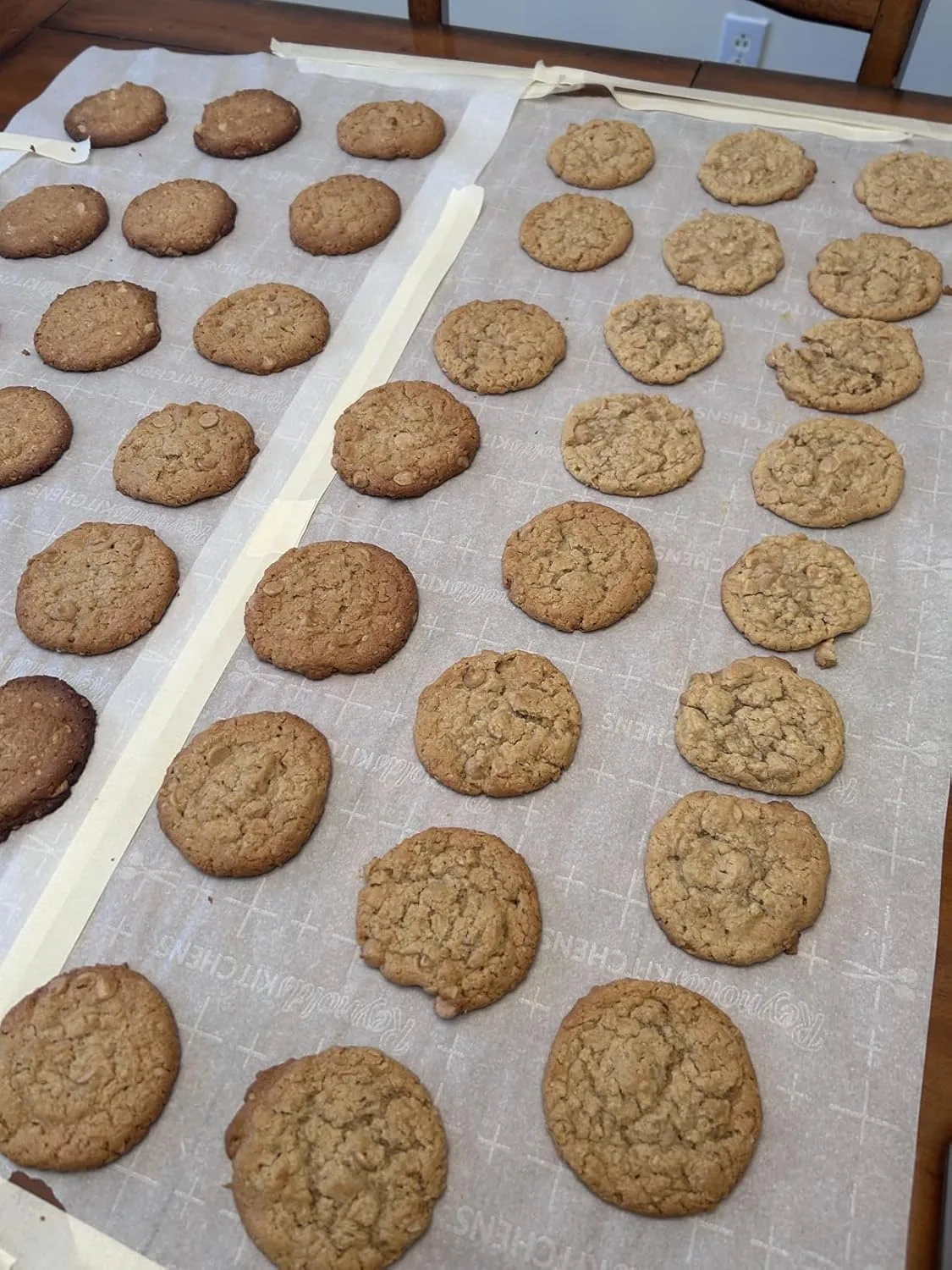
- Place balls about two inches apart on the prepared sheet. Bake for 10 to 12 minutes, until the edges are just set but the centers still look slightly underdone. They will continue cooking on the pan. Pull them at 10 minutes if you want a chewy cookie. Go to 12 if you prefer something with a little more crisp at the edge.
- Let cool on the pan for five minutes before transferring. This step is not optional — they are too soft to move before then.
The Variables I Tested and What I Found
Over the years I ran enough variations that I feel confident making specific recommendations. Here is what actually matters:
- Butter temperature: 65°F is the sweet spot. Butter that is too warm makes greasy dough that spreads aggressively. I use an instant-read thermometer and I am not embarrassed about it.
- Cream of tartar quantity: Two teaspoons is the right amount for this quantity of flour. Going lower makes the tang undetectable. Going higher starts to taste medicinal.
- Rest time: 90 minutes is the floor. Overnight is noticeably better. 48 hours is marginally better than overnight — probably not worth planning your schedule around, but good to know.
- Oven temperature: 375°F beats 350°F for this cookie. The slightly higher heat sets the outside faster and creates a better texture contrast between the crisp exterior and soft center.
An Honest Caveat
I want to be straight with you: this cookie is very good. My family and everyone I have ever given them to loves them, and I am confident in the method. But I genuinely do not know if this is exactly what my grandmother made, because I am working from sense memory and childhood impressions rather than any documented record. It is possible her trick was something else entirely — a different ratio, a specific brand of butter she always used, something in her oven. What I know is that this recipe produces a snickerdoodle I am proud of, and that it satisfies the thing I remember. That is the best I can honestly claim.
The Bottom Line
If you want a classic snickerdoodle recipe that actually tastes like a snickerdoodle — tangy, soft-centered, heavily cinnamoned, and the kind of cookie people ask you for the recipe after — this is it. Make the dough tonight. Bake it tomorrow. Roll it twice in the cinnamon sugar and pull it from the oven before you think it is ready.
My grandmother would probably tell me I am overthinking it. She would probably be right. But she also produced the best snickerdoodle I have ever eaten, and I like to think that somewhere in these 47 batches, I finally got close.
The Cream of Tartar That Finally Made Sense of Grandmother’s “Trick”
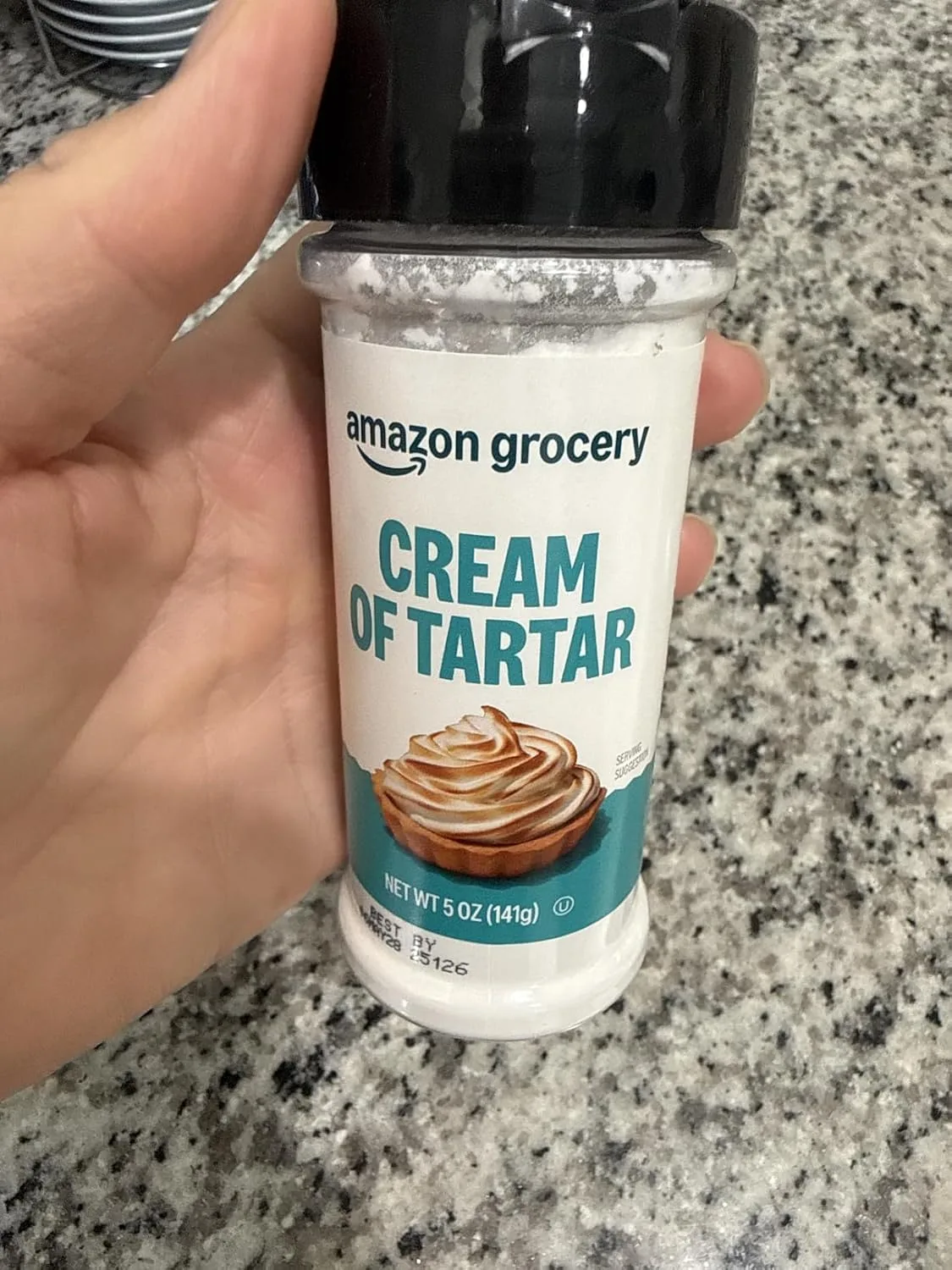
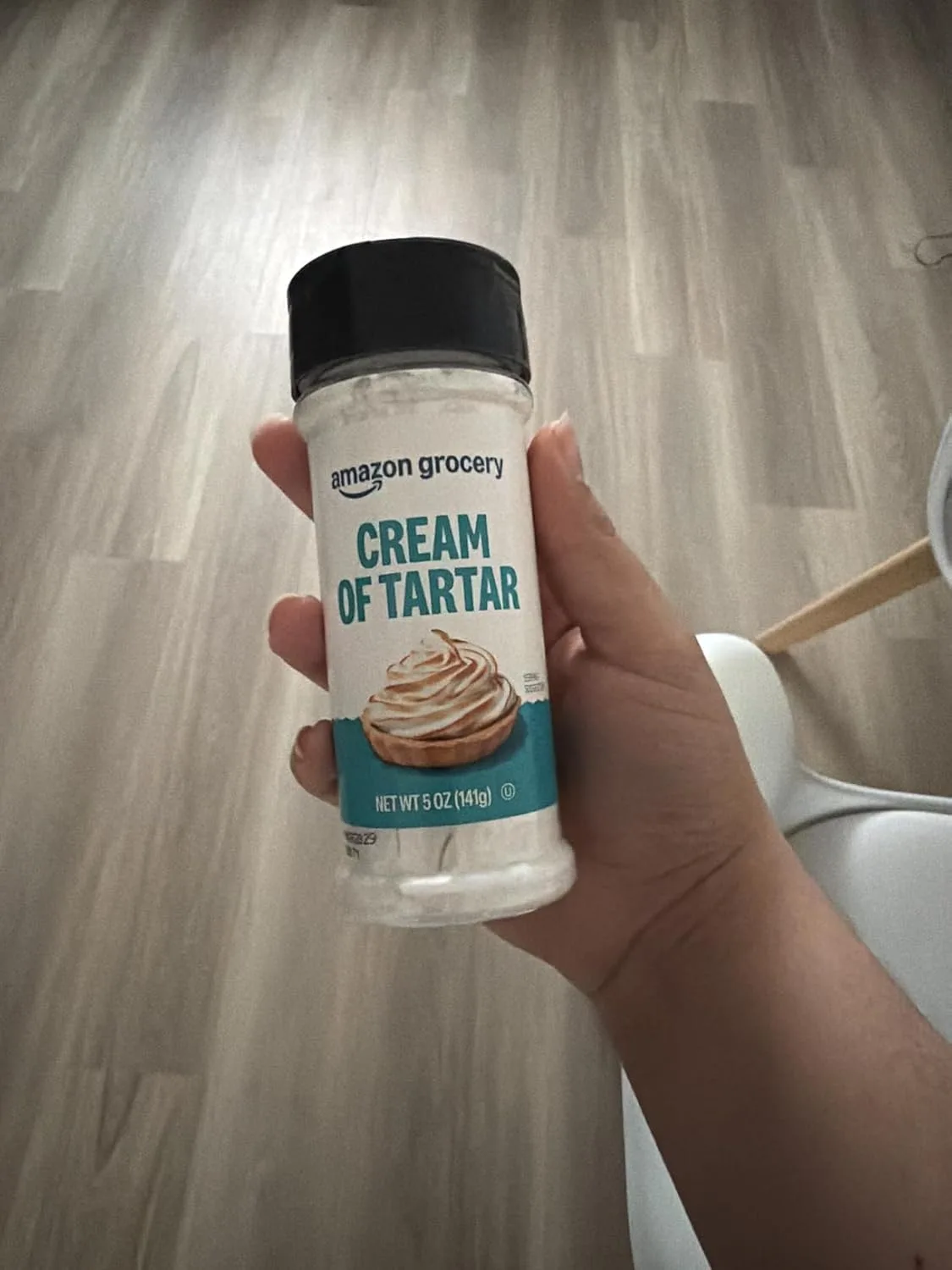
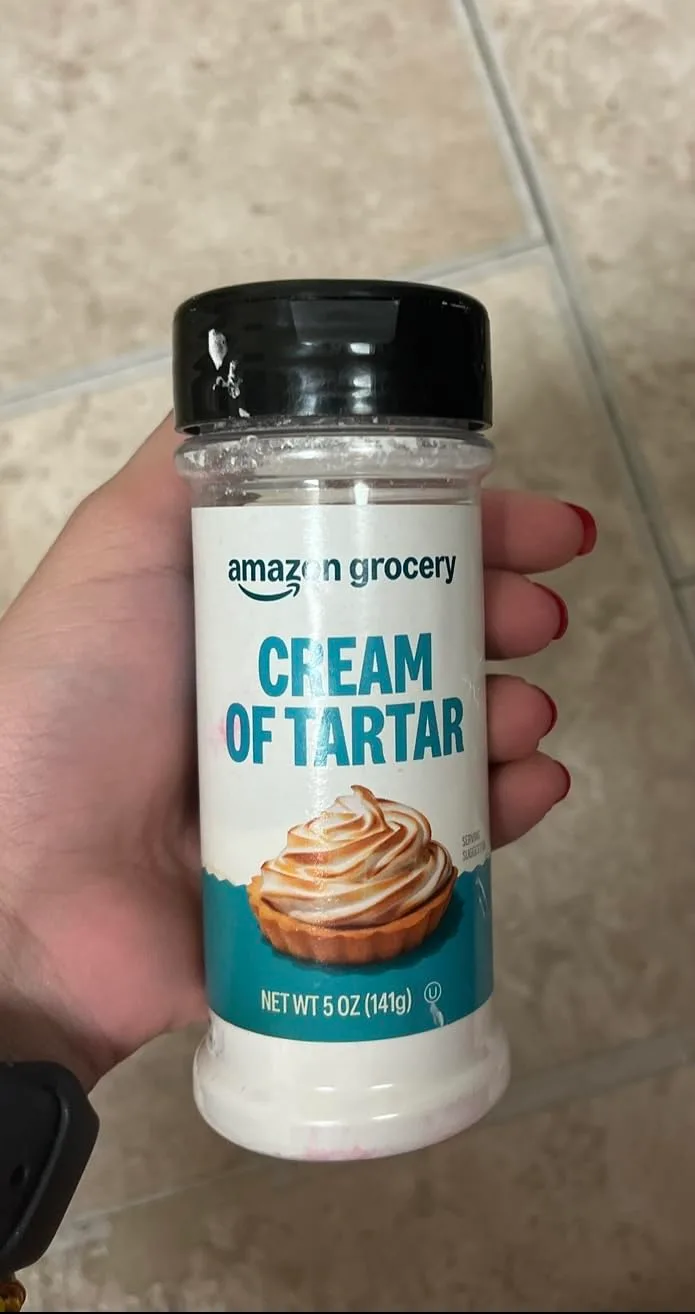
For years I couldn’t figure out why my snickerdoodles never tasted quite like hers—until I realized her secret wasn’t a technique at all, but cream of tartar, and I was using the wrong kind or letting it sit too long in the pantry. Once I started with fresh cream of tartar, the cookies developed that distinctive tangy bite that makes a real snickerdoodle sing.
What works
- The larger 5 oz size means I’m not repurchasing every few months, and the potency stays consistent from my first batch to my last in a season.
- When I mix it with cinnamon sugar before rolling, it dissolves cleanly into the coating without leaving gritty pockets or uneven flavor.
- The flavor lift is immediate—cookies made with this show that bright, slightly sour edge that makes people ask “what IS that taste?” (which is exactly what they should be asking).
What doesn’t
- It absorbs moisture from the air if your kitchen is humid, so you’ll need an airtight container—otherwise it clumps and loses potency faster than you’d expect.
- The 5 oz size, while economical, takes up more shelf space than the smaller containers, which matters if your spice rack is already crowded.
I once opened a container I’d stored carelessly and found it had hardened into a brick, convinced for a panicked moment that I’d have to abandon my grandmother’s recipe altogether. Thankfully, Amazon Grocery Cream of Tartar, 5 oz is affordable enough to replace, and now I keep mine in a glass jar with a silica packet.