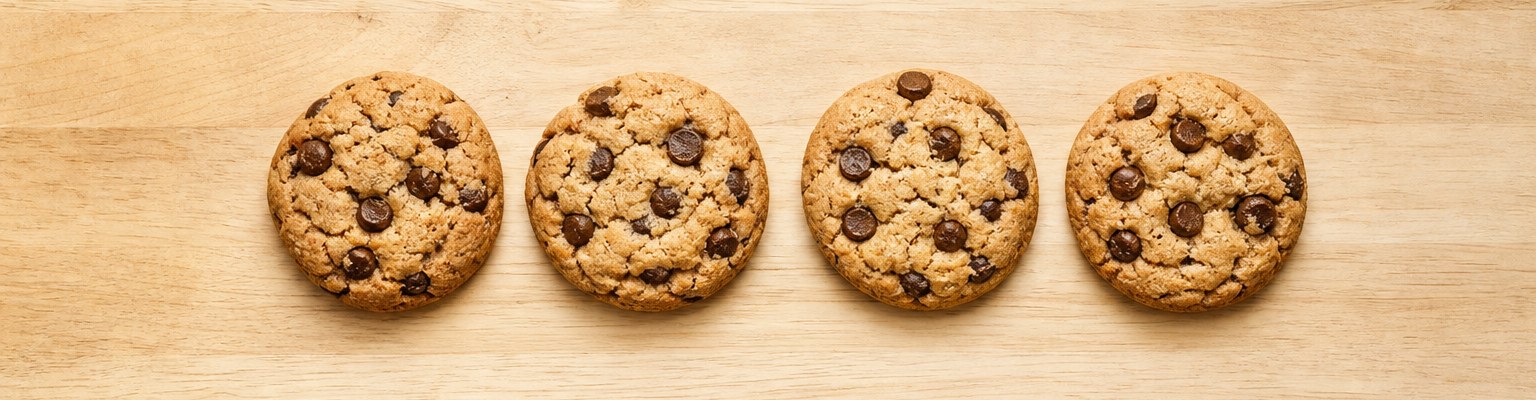
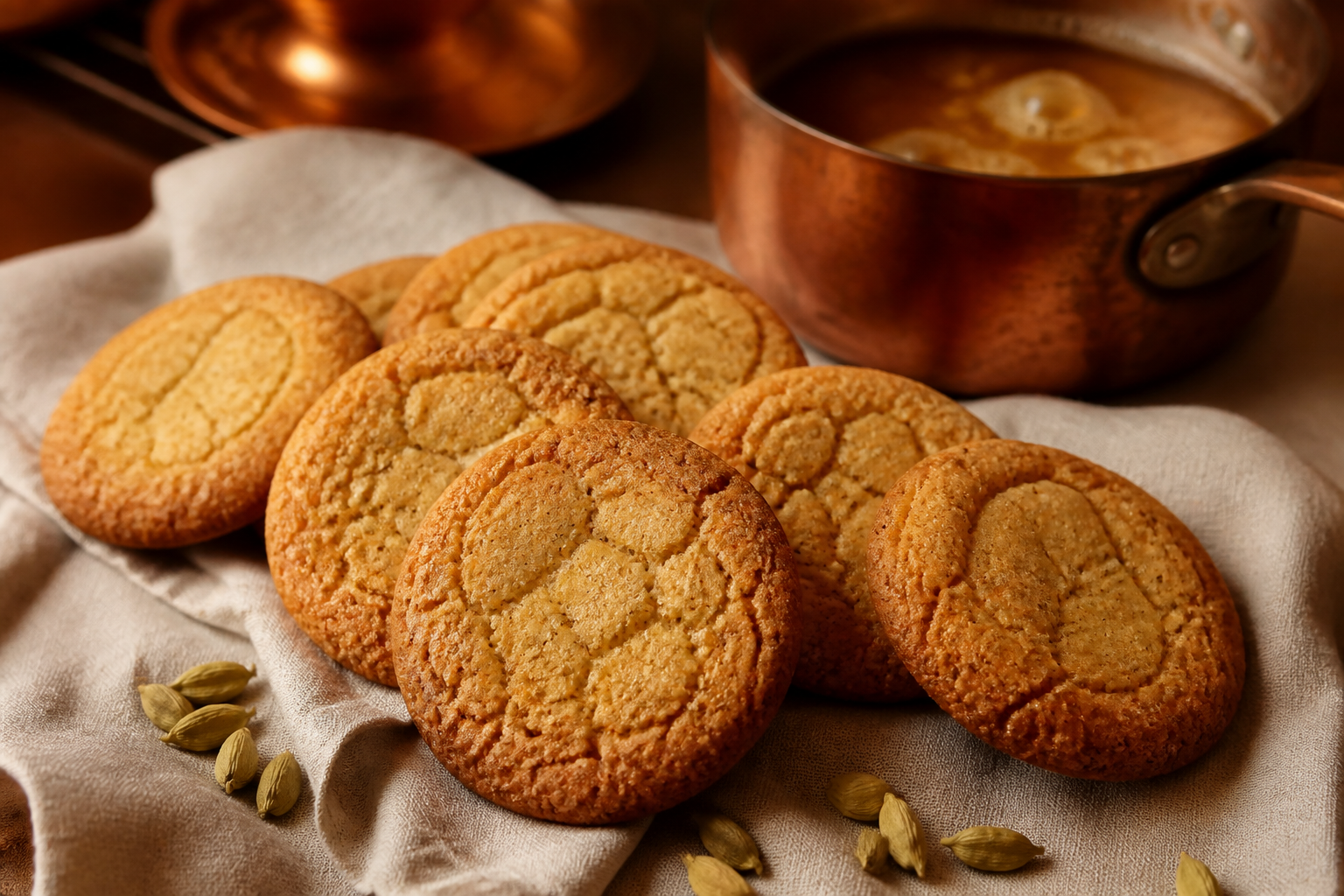

Brown Butter Cardamom Cookies
Tender cookies with nutty brown butter and warm, floral cardamom that taste bakery-quality and refined.
Ingredients
- 6 tablespoons browned butter, cooled to room temperature
- 4 tablespoons unsalted butter, softened
- ¾ cup granulated sugar
- ¼ cup light brown sugar, packed
- 1 large egg
- ½ teaspoon vanilla extract
- 1¾ cups all-purpose flour
- ½ teaspoon baking soda
- ½ teaspoon sea salt
- 1½ teaspoons freshly ground cardamom
- ¼ teaspoon white pepper
Instructions
- Whisk together the cooled browned butter and the softened regular butter in a medium mixing bowl.
- Add both the granulated sugar and light brown sugar to the butter mixture and whisk until well combined.
- Crack the egg into a small bowl, whisk it lightly, then add it to the butter-sugar mixture along with the vanilla extract.
- Whisk the mixture until fully incorporated and the mixture becomes lighter in color.
- In a separate bowl, whisk together the flour, baking soda, sea salt, freshly ground cardamom, and white pepper.
- Fold the dry ingredients into the wet mixture using a wooden spoon or spatula until just combined.
- Cover the bowl with plastic wrap and refrigerate for at least 2 hours.
- Preheat your oven to 350°F and line baking sheets with parchment paper.
- Remove the dough from the refrigerator about 10 minutes before baking.
- Using a 1-tablespoon cookie scoop, portion the dough onto the prepared baking sheets, spacing them about 2 inches apart.
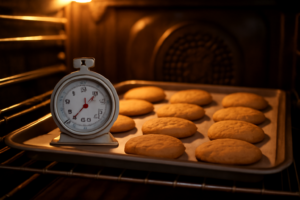
- Bake at 350°F for 12 minutes.
- Remove the baking sheets from the oven and let the cookies rest on the hot baking sheet for 5 minutes.
- Transfer the cookies to a cooling rack for at least 15 minutes before serving.
Notes
- Use freshly ground cardamom for optimal flavor rather than old spice-rack powder.
- White pepper is optional but adds depth to the flavor.
- Do not overmix the dough after combining wet and dry ingredients.
Brown Butter Cardamom Cookies: The Recipe I Make When I Want to Sound Like a Professional Baker
I’ll never forget the moment my friend Sarah pulled me into the kitchen at my dinner party five years ago and demanded to know where I’d ordered the cookies from.
“These are impossibly good,” she said, holding up a brown butter cardamom cookie between her thumb and forefinger. “Margaret, be honest. You didn’t make these.”
I was standing right there, hands still dusted with flour and cardamom powder, and she genuinely didn’t believe me. That’s the thing about brown butter cardamom cookies—they taste so refined, so bakery-quality, that people automatically assume you’ve either had professional training or you’ve outsourced them entirely. The truth? These cookies are proof that you don’t need years of culinary school to impress people. You just need to understand flavor chemistry, respect your brown butter, and know exactly how much cardamom is too much.
After 15+ years of recipe testing in my home kitchen, brown butter cardamom cookies have become my secret weapon. They’ve earned a permanent spot in my rotation of “go-to recipes when I want to look like I know what I’m doing.” And the beautiful part? I’m about to tell you exactly why they work, how to make them perfectly every single time, and the science that makes them taste like they came from a professional pastry kitchen.
Why Brown Butter and Cardamom Are a Perfect Match
Let’s talk flavor chemistry, because this is where brown butter cardamom cookies stop being “nice” and start being memorable.
When you brown butter, you’re triggering something called the Maillard reaction. This is the same chemical process that gives a perfectly seared steak its crust, makes toast golden brown, and creates that irresistible deep complexity in caramelized onions. In butter specifically, the milk solids separate and caramelize, developing compounds with nutty, toasted, almost hazelnut-like flavor notes. We’re talking about compounds like diacetyl and acetoin—the molecules responsible for that rich, almost savory sweetness you get from browned butter.
Now, here’s where cardamom enters the picture, and this is where the magic happens.
Cardamom gets its distinctive warm, slightly sweet, almost minty-floral character from a compound called terpinyl acetate. This compound is present in the essential oils of cardamom seeds, and it’s what makes cardamom taste like… well, like cardamom. But here’s the crucial part: terpinyl acetate has warm, slightly woody, almost caramel-adjacent flavor notes that directly echo the toasted, nutty notes you get from brown butter.
When these flavor profiles meet in the same cookie, they don’t just coexist—they amplify each other. The warmth of the cardamom makes the brown butter taste richer. The nutty caramel notes in the brown butter make the cardamom taste more sophisticated and less one-dimensional. Together, they create something that tastes more complex than the sum of its parts. That’s not luck. That’s flavor chemistry at work.
How to Brown Butter for Cookies (Without Burning It)
I’m going to be direct: browning butter is where most home bakers either succeed spectacularly or fail dramatically. There’s very little middle ground. The good news? Once you’ve done it three or four times, you’ll develop an instinct for it.
Here’s my step-by-step process:
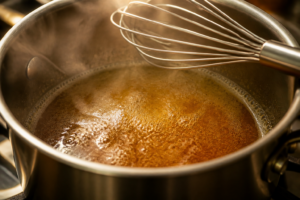
Step 1: Start with cold butter in a light-colored saucepan. Use a light-colored pan (stainless steel or aluminum), not a dark non-stick pan. You need to see the color changes happening. I typically use 8 tablespoons (1 stick) of unsalted butter for this recipe, though you’ll lose about 2 tablespoons to evaporation, ending up with roughly 6 tablespoons of usable browned butter.
Step 2: Medium heat. Cut the cold butter into smaller pieces (about ½-inch cubes). This helps it melt more evenly. Place the pieces in your saucepan over medium heat. Don’t walk away. This is not a “set it and forget it” situation.
Step 3: Listen for the sizzle. As the butter melts, you’ll hear it start to bubble and sizzle. This is the water content in the butter evaporating. Stir occasionally with a wooden spoon or heatproof spatula to make sure the milk solids brown evenly. This process takes about 8-12 minutes, depending on your stove.
Step 4: Watch for the color change. Here’s where you need to pay attention. The butter will progress through several color stages:
- Stage 1 (Pale yellow): Just melted. Not done.
- Stage 2 (Light golden): Getting closer. Keep going.
- Stage 3 (Amber/light brown): You’re in the window now. The milk solids at the bottom are turning brown. This is where you want to be.
- Stage 4 (Deep brown/almost burnt): You’ve gone too far. This tastes acrid, not nutty.
Step 5: Remove from heat immediately. Once the butter reaches a deep amber color and smells nutty and toasted (not burnt), take it off the heat. Pour it into a heat-safe bowl, including all the brown bits at the bottom—those are flavorful. Let it cool to room temperature before using. This typically takes about 20-30 minutes.
Pro tip: I always brown my butter the morning of or the day before I bake. This gives me time to account for evaporation and measure accurately. When you finish browning, you should have approximately 6 tablespoons of liquid browned butter remaining. If you have significantly more (say, 7+ tablespoons), your butter didn’t brown enough—the water didn’t fully evaporate. If you have less than 5.5 tablespoons, you may have over-browned it or cooked it too long.
The Brown Butter Cardamom Cookie Recipe
For approximately 24-28 cookies:
The Cardamom That Finally Made My Brown Butter Cookies Taste Like a Bakery Recipe
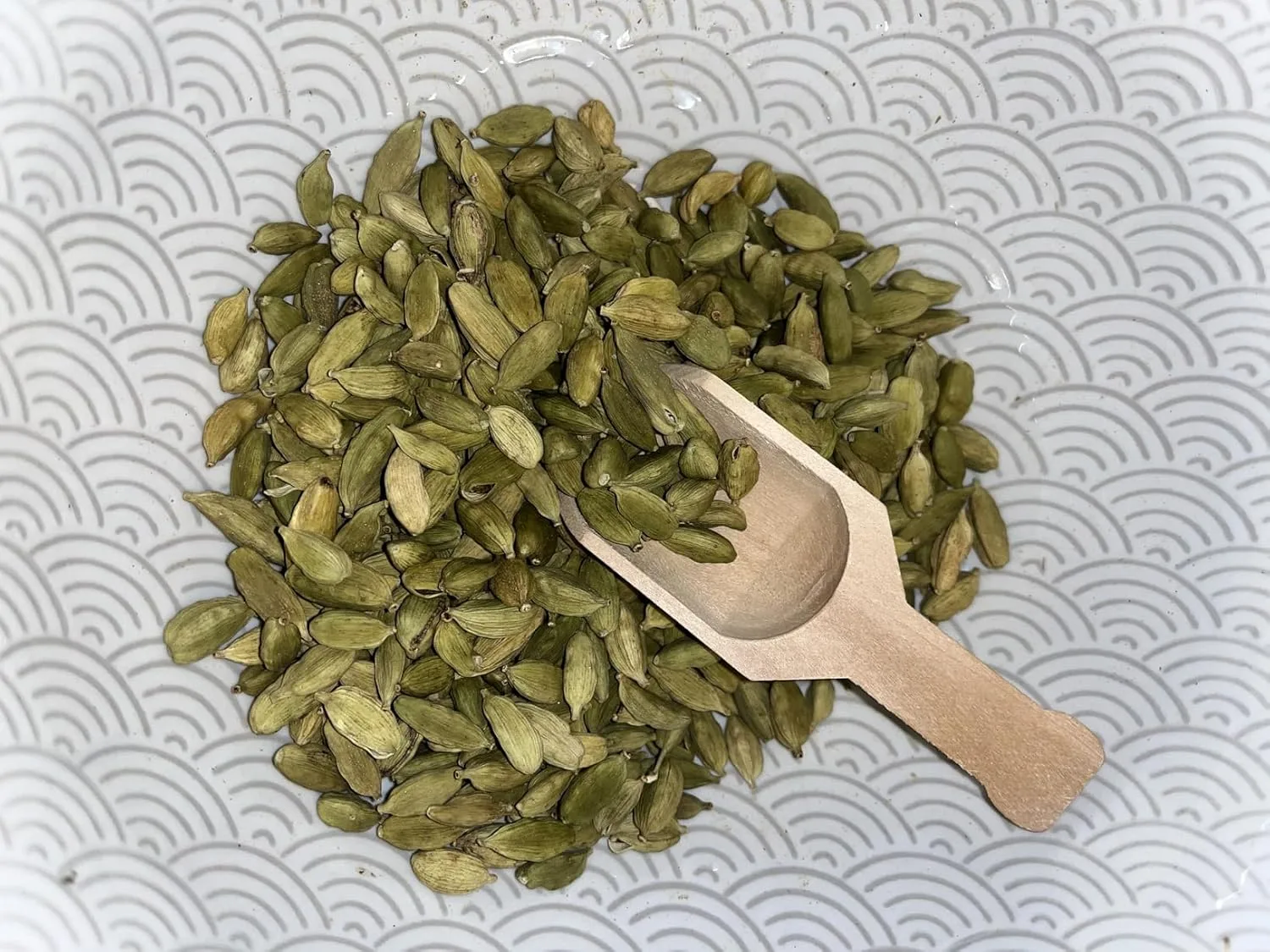
Cardamom is the heart of these cookies, and the difference between stale grocery-store powder and fresh, fragrant cardamom is the difference between people thinking you’re good at baking and people wondering if you’re secretly a pastry chef. I spent years frustrated that my brown butter cardamom cookies never quite had that intoxicating, almost floral warmth I was chasing.
What works
- The ground cardamom is vibrant and aromatic the moment you open the bag—it actually smells like cardamom should, not like the dusty jar that’s been sitting in your spice rack for two years.
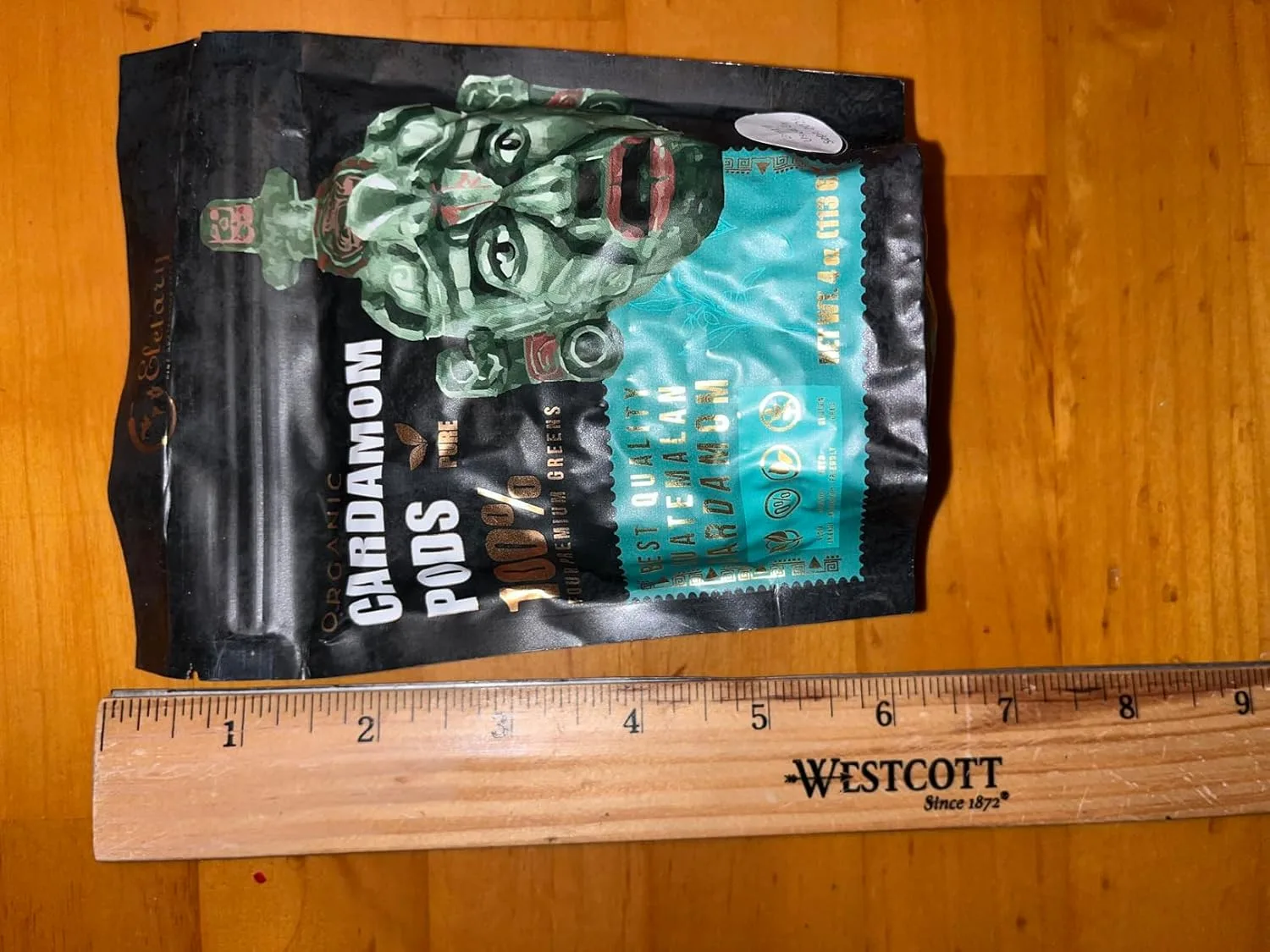
- Having both pods and pre-ground powder in one product means I can grind fresh pods when I want maximum flavor impact, or use the ground cardamom when I’m short on time and still get a noticeably better result than my old spice cabinet cardamom ever gave me.
- The flavor is bright and clean without any bitterness or musty notes—these cookies actually get compliments on taste now, not just presentation.
What doesn’t
- The pods themselves are a bit delicate and can scatter everywhere if you’re not careful when cracking them open (I’ve definitely chased cardamom seeds across my kitchen counter).
- It’s pricier than the bulk-bin cardamom at the grocery store, so this isn’t the product to grab if you’re just experimenting—this is for when you’re serious about making these cookies the right way.
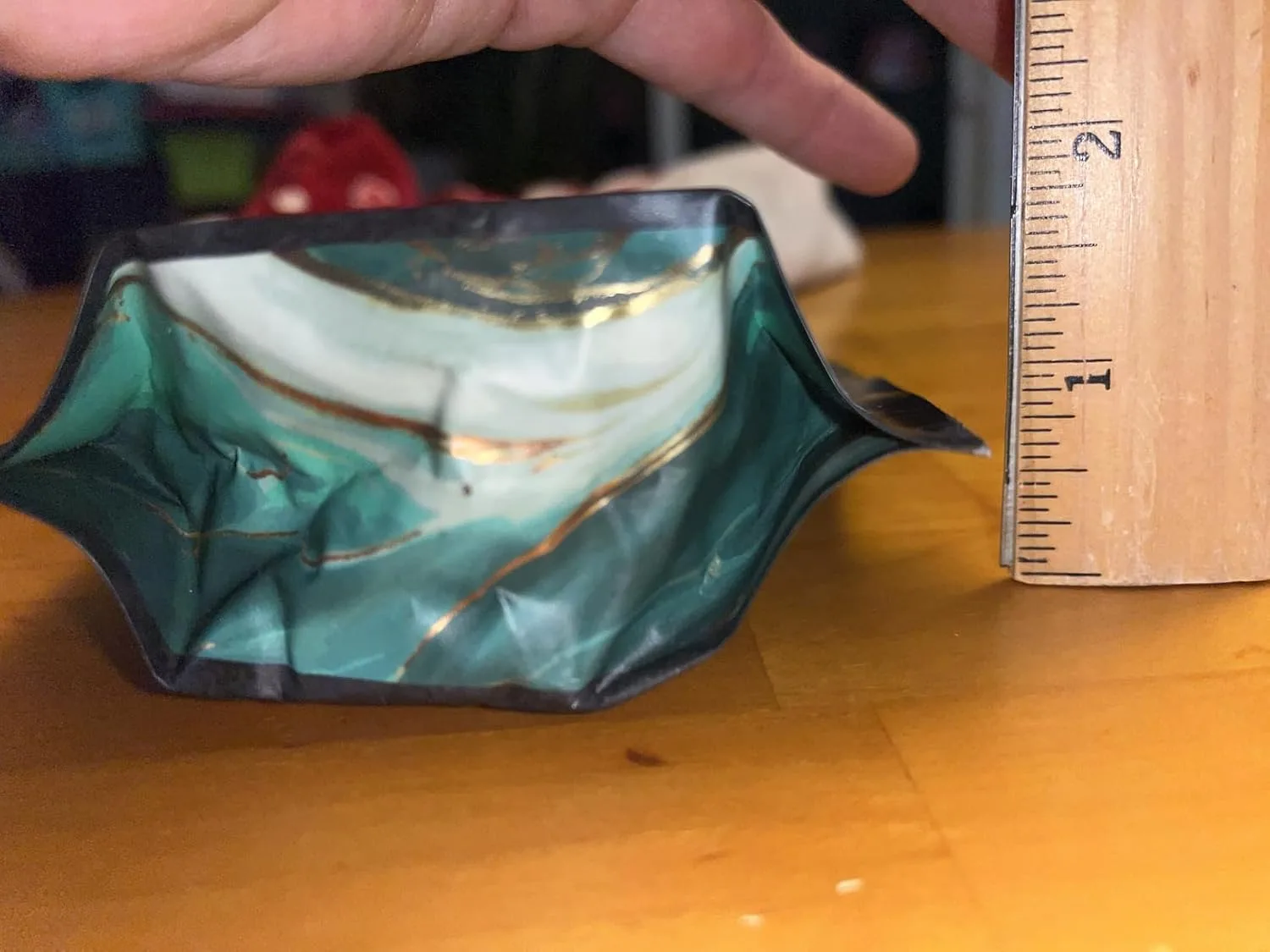
The first time I measured out the pre-ground cardamom, I actually second-guessed myself because the aroma was so much more intense than what I was used to—I almost used less, worried I’d overpower the brown butter—but I trusted the recipe and I’m so glad I did. SavorSatch Whole Green Cardamom Pods
About This Article

Written by Margaret Chen. Margaret Chen is a home baker and recipe developer with over 15 years of experience perfecting cookie recipes through rigorous testing and detailed experimentation. She tests every recipe multiple times, documents every variable, and applies the same rigor professional bakers use, with the warmth and accessibility of home baking. More about this site.
Scope and limits. Margaret is a home baker and recipe developer with no formal culinary training. Follow current food safety guidance for egg handling, storage, and anything you are serving to other people.
Verify this against a primary source
Specifics change, and your situation may differ from the one described here. These are the authorities worth checking directly:
- USDA FoodData Central — ingredient composition and nutrition data
- FoodSafety.gov — safe handling, storage and egg safety