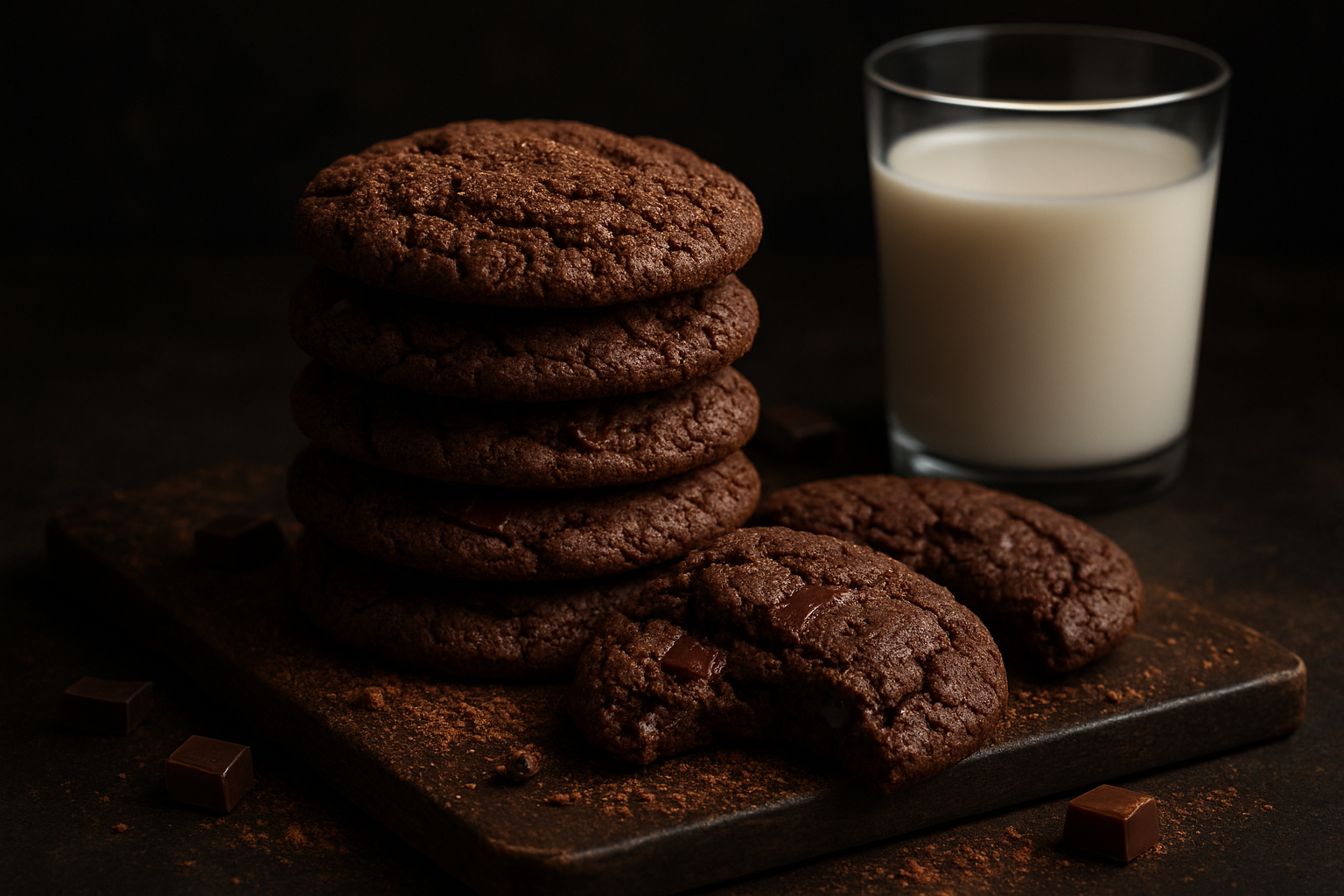
I want to tell you about the day I accidentally made the best batch of oat flour chocolate cookies gluten free bakers in my family have ever tasted — and it started with me completely ruining everything. Like, spectacularly, dramatically, “why am I even allowed in a kitchen” ruining everything.
It was a Sunday afternoon, my gluten-free sister-in-law was visiting, and I had confidently promised her homemade chocolate cookies. Confidently. As if I had a tested recipe ready to go. I did not. What I did have was a half-used bag of oat flour shoved behind my almond flour, a very judgmental sister-in-law who had been burned by my “experimental baking” before, and approximately forty-five minutes before she arrived. What could possibly go wrong?
Everything. Everything went wrong. And then, somehow, everything went incredibly right. Pull up a chair — this one’s worth hearing before you even think about preheating that oven.
How Oat Flour Chocolate Cookies Gluten Free Style Became My Accidental Specialty
Here is what happened. I found my oat flour, located a basic chocolate cookie framework I had scribbled in a notebook, and started measuring. What I did not notice, until the dough was already mixed and looking deeply suspicious, was that I had grabbed cocoa powder that was so old it had basically returned to dust. There was also the small matter of me accidentally doubling the butter because I misread my own handwriting. My “1/2 cup” apparently looked like “1 cup” at 2:47 on a Sunday.
The dough was a loose, greasy, chocolatey puddle. I stared at it. It stared back at me. I did the only rational thing: I added more oat flour, crossed my fingers, and scooped those sad little mounds onto my baking sheet with the energy of someone who has fully accepted their fate.
Twenty minutes later, when my sister-in-law walked through the door, I handed her a cookie still warm from the oven, fully prepared to apologize. She took one bite. She looked at me. She took another bite. Then she said — and I quote — “Okay, what did you put in these?” Not in a suspicious way. In a “these are genuinely delicious and I am annoyed that you made something this good by accident” way.
Friends, the extra butter had made them fudgy and rich. The additional oat flour had given them this gorgeous, slightly nutty chew. They were dense in the best possible way, crisp on the edges, soft in the center. They were a miracle. A buttery, chocolatey, completely unintentional miracle.
Since that afternoon, I have made these cookies at least a dozen times — on purpose now — and I have learned exactly what makes them work every single time. Let me share everything with you.
What You Need to Know Before You Bake With Oat Flour
Oat flour is one of my absolute favorite gluten-free flours to bake with, but it does behave differently than all-purpose flour, and knowing those differences upfront will save you from your own accidental experiment (unless you want one — no judgment). Here are the key things I have learned the hard way so you don’t have to.
Oat Flour Absorbs Moisture Differently
Oat flour is much more absorbent than traditional flour, which means your dough will often look wetter or stickier than you expect right after mixing. Do not panic, and do not immediately add more flour. Let the dough rest for about ten minutes before you decide anything needs adjusting. You will often find it firms up beautifully on its own as the oat flour fully hydrates.
Chilling the Dough Is Not Optional — It’s a Game Changer
With oat flour cookies, chilling your dough for at least 30 minutes (and up to overnight) makes an enormous difference. It prevents excessive spreading in the oven, deepens the flavor, and gives you that perfectly thick, chewy center. If you skip this step, your cookies will still taste good, but they will be flatter and more fragile. Chill the dough. Trust the process.
Dutch Process Cocoa Is Your Best Friend Here
For rich, deeply chocolatey cookies, Dutch process cocoa powder is the way to go. It has a smoother, less acidic flavor than natural cocoa, and it plays beautifully with the mild, slightly oaty taste of the flour. The combination is genuinely extraordinary. Do not skimp on your cocoa — it is doing the heavy lifting in this recipe.
Use a Kitchen Scale When Possible
Listen, I know not everyone loves measuring by weight, but oat flour is particularly susceptible to being over- or under-measured when you use cups. A packed cup of oat flour versus a lightly spooned cup can be a meaningful difference in your final texture. If you have a kitchen scale, use it. If you don’t, spoon the flour into your measuring cup and level it off — never scoop directly from the bag.
The Recipe: Oat Flour Chocolate Cookies That Actually Work
This is the version I have dialed in after a dozen batches. It captures that fudgy richness and nutty chew I stumbled into by accident, and it works reliably every single time. The double butter is intentional here — it’s what gives you those crisp edges and soft, almost brownie-like centers.
What You’ll Need
- 1 cup (2 sticks / 227g) unsalted butter, softened to room temperature
- 3/4 cup (150g) packed light brown sugar
- 1/4 cup (50g) granulated sugar
- 2 large eggs
- 1 tablespoon (15ml) vanilla extract
- 2 1/4 cups (280g) oat flour, lightly spooned and leveled
- 1/3 cup (35g) Dutch process cocoa powder
- 1 teaspoon baking soda
- 1/2 teaspoon baking powder
- 1/2 teaspoon kosher salt
- 1 1/4 cups (190g) semi-sweet chocolate chips or chunks
How I Make Them, Step by Step
- Preheat your oven to 350°F (175°C) and line your baking sheets with parchment paper.
- In a large mixing bowl, cream the softened butter, brown sugar, and granulated sugar together on high speed for about 2-3 minutes, until the mixture is light and fluffy. This step is not optional — it’s where you build the air that keeps these cookies tender.
- Add the eggs one at a time, beating well after each addition. Then add the vanilla extract and mix until combined.
- In a separate bowl, whisk together the oat flour, cocoa powder, baking soda, baking powder, and salt. Make sure the cocoa powder is fully incorporated — lumps will mess with your texture.
- Add the dry ingredients to the wet ingredients and mix on low speed until just combined. Do not overmix — oat flour can get tough if you do. The dough should come together without any visible streaks of flour.
- Fold in the chocolate chips with a spatula.
- Cover the dough with plastic wrap and refrigerate for at least 30 minutes (or up to overnight). This is the step that saves you. It prevents excessive spreading and deepens the chocolate flavor.
- When you’re ready to bake, scoop the dough onto your prepared baking sheets using a 1-tablespoon cookie scoop (or roughly the size of a walnut). Leave about 2 inches of space between each cookie — they will spread a bit.
- Bake for 10-12 minutes, until the edges are set and slightly golden but the centers still look a tiny bit underdone. This is the secret to keeping them fudgy on the inside. They will continue cooking slightly as they cool.
- Let the cookies cool on the baking sheet for 5 minutes, then transfer to a wire rack to cool completely. This makes them less fragile and lets them set properly.
Yield: About 24 cookies. Prep time: 15 minutes, plus 30 minutes to 1 hour chilling. Bake time: 10-12 minutes.
The Oat Flour That Actually Behaves Like Wheat Flour (Finally)
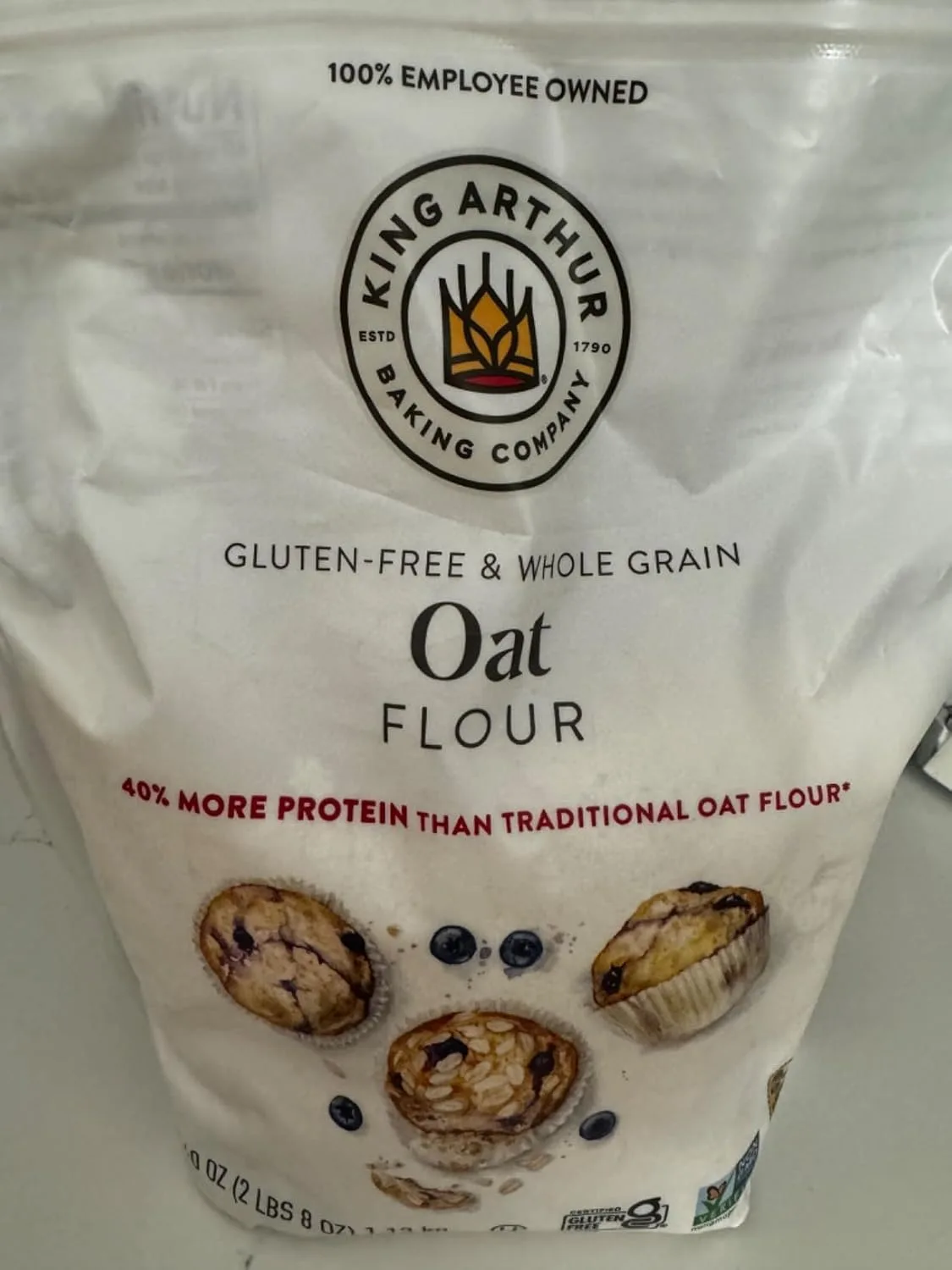
Oat flour can be tricky in chocolate cookies—too coarse and your texture gets gritty, too fine and you end up with something closer to cake. I needed an oat flour with the right grind and structure to actually mimic what I was used to doing with all-purpose flour.
What works
- The grind is genuinely fine enough that it doesn’t create that gritty, sandy mouthfeel I’ve gotten from other brands—these cookies have the tender crumb I was actually aiming for.
- It absorbs butter and liquid at a predictable rate, which means my dough came together the way I expected instead of turning into either a greasy mess or a crumbly disaster mid-mixing.
- The flavor is subtle and stays in the background, letting the chocolate be the star—it doesn’t have that raw, earthy taste that some oat flours bring to the party uninvited.
What doesn’t
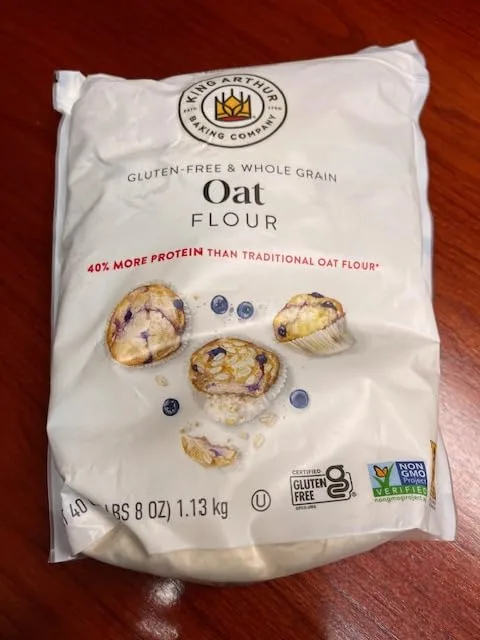
- It’s noticeably pricier than all-purpose flour, so if you’re baking on a tight budget, you’ll feel it—especially when you need a full 2.5 pounds for multiple batches.
- The 2.5-pound bag runs out faster than I’d expect, probably because oat flour is less dense than wheat flour, so you’re using more by volume than you might anticipate.
I actually second-guessed myself halfway through my first batch—the dough felt slightly different from what I was used to, and I almost added more flour—but I trusted the ratio and let it go, and that’s when everything clicked. You can grab King Arthur Baking Company Gluten-Free and Whole Grain Oat Flour (2.5 lbs) and skip the guesswork.
This post contains affiliate links. As an Amazon Associate, I earn from qualifying purchases at no extra cost to you.