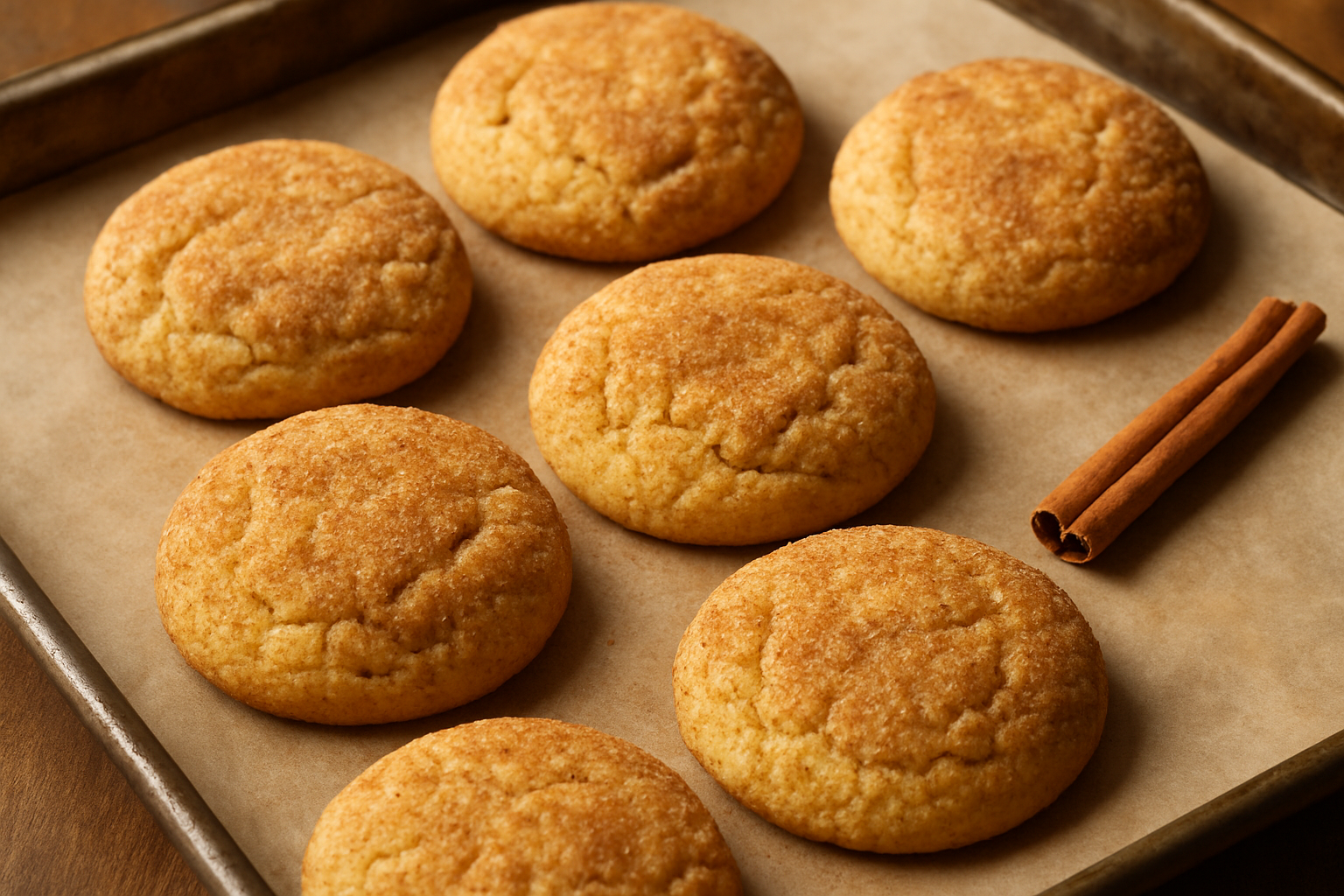
The first time I tried to make almond flour snickerdoodle cookies for my daughter Lily’s ninth birthday, I nearly cried into a mixing bowl full of flat, greasy, cinnamon-scented disaster. She had been diagnosed with celiac disease just six months earlier, and all she wanted — her one birthday wish — was a snickerdoodle cookie that tasted like the ones her grandmother used to make. I was so determined to give her that. And I failed spectacularly. But that failure sent me on a months-long journey that ended with a recipe so good, Lily now requests it every single year, for every single celebration. Today I am sharing everything I learned — the hard way — so you don’t have to.
Why That First Batch Was a Greasy, Flat Mess (And What I Did Wrong)
After Lily’s diagnosis, I dove headfirst into gluten-free baking with the kind of reckless optimism that only a determined mom can muster. I grabbed whatever almond flour was on the shelf at my grocery store — a coarse, grainy bag that looked more like almond meal than flour — and I tried to swap it one-to-one into my grandmother’s classic snickerdoodle recipe. The cookies spread into thin, oily puddles. They were chewy in the worst way. Lily took one polite bite and quietly asked if we could just have ice cream instead.
Here is what I did not understand yet: not all almond flour is created equal, and almond flour baking is its own science entirely. You cannot simply swap it into a traditional recipe and expect magic. Almond flour has no gluten to provide structure, it contains natural oils that cause excess spread, and it behaves very differently depending on how finely it is milled. That birthday taught me to slow down, do my research, and treat gluten-free baking as its own beautiful discipline rather than a consolation prize.
Almond Flour Snickerdoodle Cookies: The Tips That Actually Work
After testing batch after batch over the following months — and yes, eating a lot of imperfect cookies in the name of research — I landed on a set of techniques that make all the difference. If you want almond flour snickerdoodle cookies with soft, pillowy centers, slightly crisp cinnamon-sugar edges, and that signature tangy flavor, these tips are non-negotiable.
Use Superfine Blanched Almond Flour
The single most important thing you can do is start with a high-quality, finely sifted, blanched almond flour. Blanched means the skins are removed, which gives you a lighter color, milder flavor, and smoother texture. Superfine means the flour has been milled finely enough to behave almost like a traditional flour in baked goods. Coarse almond meal will absolutely not work here — your cookies will be gritty and greasy every single time.
Do not skip the cream of tartar either. This is the ingredient that makes a snickerdoodle a snickerdoodle, not just a cinnamon sugar cookie. It reacts with baking soda to give that subtle tangy flavor and helps the cookies puff up beautifully before settling into that classic crinkled shape.
Chill Your Dough — No Skipping This Step
Because almond flour contains so much natural fat, the dough needs to be chilled for at least 30 minutes before baking. Cold dough spreads more slowly in the oven, which means your cookies hold their shape and develop that lovely thick, chewy center instead of spreading into the dreaded puddle situation I experienced on Lily’s ninth birthday. I usually chill mine for a full hour when I have the time, and the results are noticeably better.
Roll Generously in Cinnamon Sugar
Do not be shy with the cinnamon sugar coating. Almond flour has a naturally rich, nutty flavor that is wonderful on its own, but it can mute the cinnamon if you go too light-handed. Roll each dough ball thoroughly so it is fully coated, then give it one extra roll for good measure. That coating becomes a slightly crisp, caramelized shell around the soft interior — it is absolutely the best part.
Watch Your Oven Temperature Carefully
Almond flour cookies brown faster than traditional cookies because of their fat content and natural sugars. Baking at 350 degrees Fahrenheit is the sweet spot — hot enough to set the structure but not so hot that the edges burn before the centers cook through. Start checking at the ten-minute mark. The cookies should look just barely set in the center and lightly golden on the edges. They will firm up significantly as they cool on the pan, so resist the urge to overbake.
The Recipe: Almond Flour Snickerdoodles
This is the recipe that finally made Lily’s birthday wish come true — the one I’ve tested and tweaked over months of baking. These cookies have that pillowy center and crispy cinnamon-sugar edge, and they taste nothing like a second-class substitute. They taste like love, wrapped in cinnamon and sugar.
What You’ll Need
- 2 cups superfine blanched almond flour (210g)
- 1/2 cup unsalted butter, softened (115g)
- 1/3 cup white granulated sugar (65g)
- 1/4 cup packed brown sugar (55g)
- 1 large egg
- 1 teaspoon vanilla extract
- 1/2 teaspoon cream of tartar
- 1/4 teaspoon baking soda
- 1/4 teaspoon salt
- 1/2 teaspoon cornstarch
- 2 tablespoons sugar mixed with 1 tablespoon ground cinnamon (for coating)
How I Make Them, Step by Step
Prep Time: 15 minutes | Chill Time: 30 minutes | Bake Time: 11–13 minutes | Yield: 14–16 cookies
- Preheat your oven to 350 degrees Fahrenheit (175 degrees Celsius).
- In a small bowl, whisk together the almond flour, cream of tartar, baking soda, salt, and cornstarch. Set aside.
- In a larger bowl, cream together the softened butter, white sugar, and brown sugar until light and fluffy — this should take about 2 to 3 minutes of beating with an electric mixer.
- Add the egg and vanilla extract to the butter-sugar mixture, and beat until well combined.
- Gently fold the dry ingredients into the wet mixture until just combined. Do not overmix; you want a smooth dough with no streaks of flour, but you do not want to develop any toughness.
- Cover the bowl with plastic wrap and refrigerate the dough for at least 30 minutes. (I often chill mine for a full hour; the longer chill produces slightly puffier cookies.)
- While the dough chills, mix the cinnamon and sugar together in a shallow bowl. Set aside.
- Once chilled, scoop the dough into 1 1/2-tablespoon portions and roll each into a ball between the palms of your hands. Roll each ball generously in the cinnamon-sugar mixture until fully coated.
- Place the dough balls on a parchment-lined baking sheet, spacing them about 2 inches apart.
- Bake for 11 to 13 minutes, or until the edges are just beginning to turn golden and the centers look barely set. Start checking at the 10-minute mark to catch them at the right moment. They will continue to set as they cool on the pan.
- Allow the cookies to cool on the baking sheet for 5 minutes, then transfer them to a wire rack to cool completely.
- Store in an airtight container for up to 5 days — though they rarely last that long in my house, especially when Lily is home.
My Baking Essentials for This Recipe
Over the years of testing this recipe, I have settled on a short list of products I come back to again and again. I am sharing them here because they genuinely make a difference in the final result, and I only recommend things I actually use in my own kitchen.
The Almond Flour That Finally Stopped My Snickerdoodles from Spreading into Grease Puddles
After that first failed batch, I realized my almond flour was the culprit — too coarse, too wet, too unpredictable. Finding the right one meant the difference between a cookie that held its shape and spread into a cinnamon-scented oil slick on my baking sheet.
What works
- The finely sifted texture is actually fine enough that I don’t have to sift it again — it mixes evenly into the butter and eggs without any gritty pockets that would compromise the crumb.
- The blanched version doesn’t have that dark, papery skin that turns bitter when it browns, so the cinnamon-sugar coating stays the star of the show instead of competing with a toasted almond flavor.
- The 48-ounce bag actually lasts through multiple batches, which means I’m not running to the store three times during testing season — and it’s cost-effective enough that I can afford to experiment without guilt.
What doesn’t
- The bag is large and can take up real pantry space, and once opened, the flour does absorb moisture from the air if you don’t seal it tightly — I’ve learned to transfer mine to an airtight container after the first use.
- Even with the finest sift, almond flour is still denser than wheat flour, so if you try to use a 1:1 ratio in a traditional snickerdoodle recipe, you’ll end up with hockey pucks instead of cookies.
I remember standing in my kitchen one afternoon, holding a batch of cookies that actually held their shape, and second-guessing whether it was really this flour making the difference or just dumb luck — until I made the recipe again with a different brand and got flat disaster cookies all over again. That’s when I knew I’d found my answer. You can grab Blue Diamond Almonds Almond Flour, Gluten Free, Blanched, Finely Sifted, 48 oz and start your own snickerdoodle journey.
This post contains affiliate links. As an Amazon Associate, I earn from qualifying purchases at no extra cost to you.