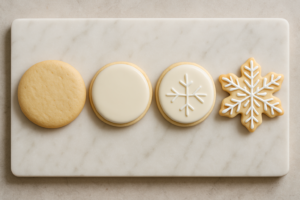
I once showed up to my daughter’s school Valentine’s Day party with 30 cookies that looked like they’d survived a natural disaster. I had confidently chosen royal icing for the first time, watched approximately zero tutorial videos, and discovered — mid-party, in front of 25 seven-year-olds and their very polite parents — that my “flooding” technique was less “smooth glassy finish” and more “abstract expressionism.” The cookies were still delicious. The decorating? We do not speak of it. That chaotic afternoon is exactly what launched my obsession with figuring out the real answer to buttercream vs royal icing cookies, and after decorating well over 200 cookies since then, I finally have one.
Buttercream vs Royal Icing Cookies: What’s Actually the Difference?
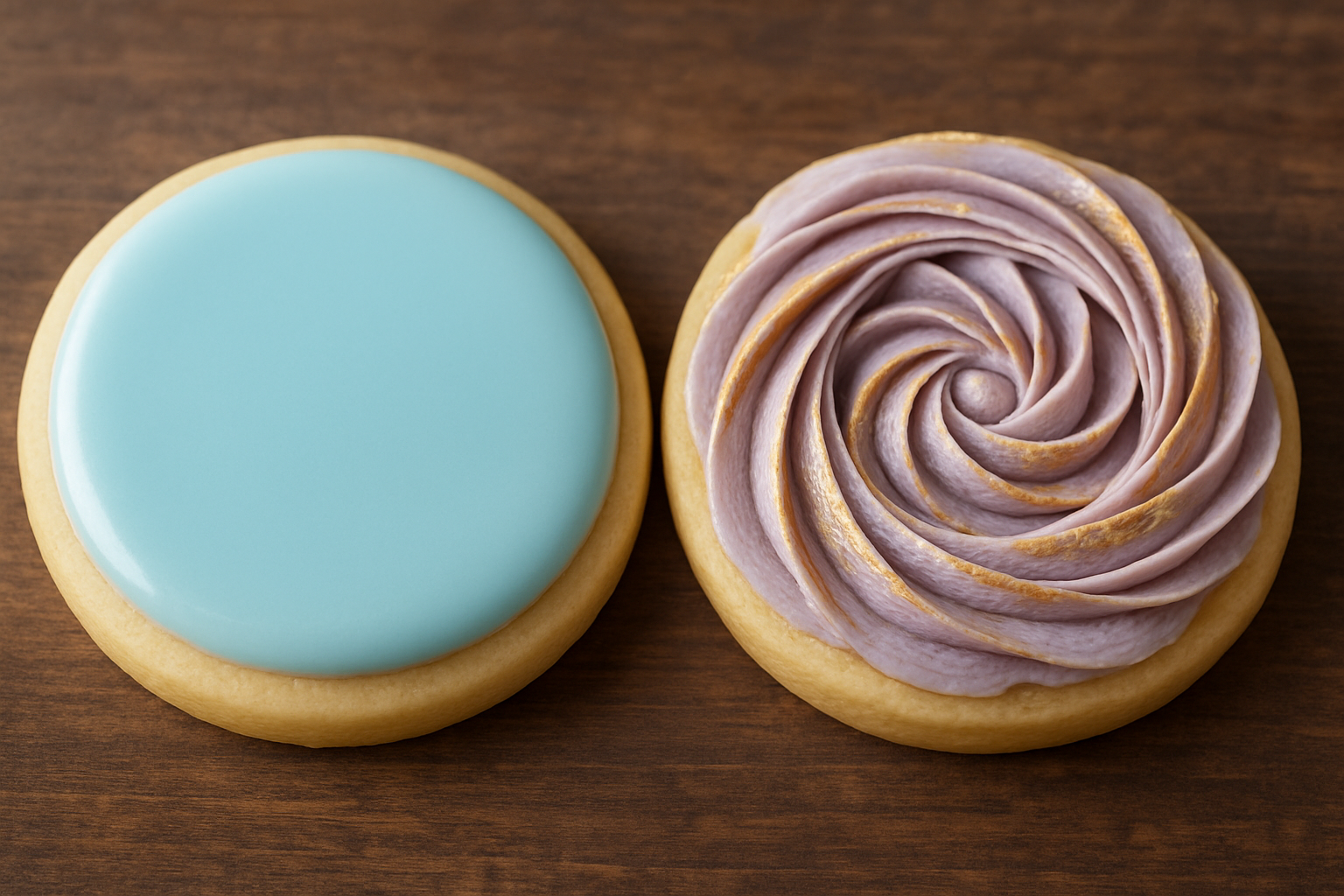
Before we get into the great debate, let’s make sure we’re on the same page about what each frosting actually is. Buttercream is made from butter, powdered sugar, a splash of cream or milk, and vanilla. It’s soft, creamy, and rich — the kind of frosting you want to eat straight off the spatula (no judgment here). Royal icing, on the other hand, is made from meringue powder or egg whites and powdered sugar. It dries completely hard, creating that smooth, professional, bakery-case finish you see on fancy decorated sugar cookies.
Neither one is objectively better. But one of them is definitely better for you, depending on what you’re making, who you’re feeding, and how much patience you have on any given Tuesday night.
It’s also worth noting that when people search for “cookie icing,” they’re often using it as a general term that can mean anything from a simple glaze to buttercream to royal icing. So if you’ve ever gone down a rabbit hole comparing royal icing vs cookie icing options and felt confused by all the overlap — that’s completely normal. Choosing the right cookie icing really just comes down to knowing what each type does best, which is exactly what we’re breaking down here.
The Case for Buttercream on Cookies
Buttercream is the people’s frosting. It tastes incredible, it’s forgiving, and you can whip up a batch in under ten minutes. For casual decorating — birthday cookies, holiday treats for the neighbors, anything where “adorable” matters more than “architecturally precise” — buttercream is your best friend. If you’re just getting started and looking for the best cookie icing for beginners, this is almost always where I tell people to begin.
What Buttercream Does Well
- Rich, buttery flavor that people actually love eating
- Easy to tint with gel food coloring
- Works beautifully with a piping bag and star tip for rosettes and swirls
- No drying time required — decorate and serve
- Much more beginner-friendly
Where Buttercream Falls Short
- Doesn’t dry hard, so cookies can smudge during transport
- Not ideal for intricate flooding designs or fine detail work
- Can melt in warm environments (summertime parties, beware)
- Cookies generally need to be eaten within a day or two for best results
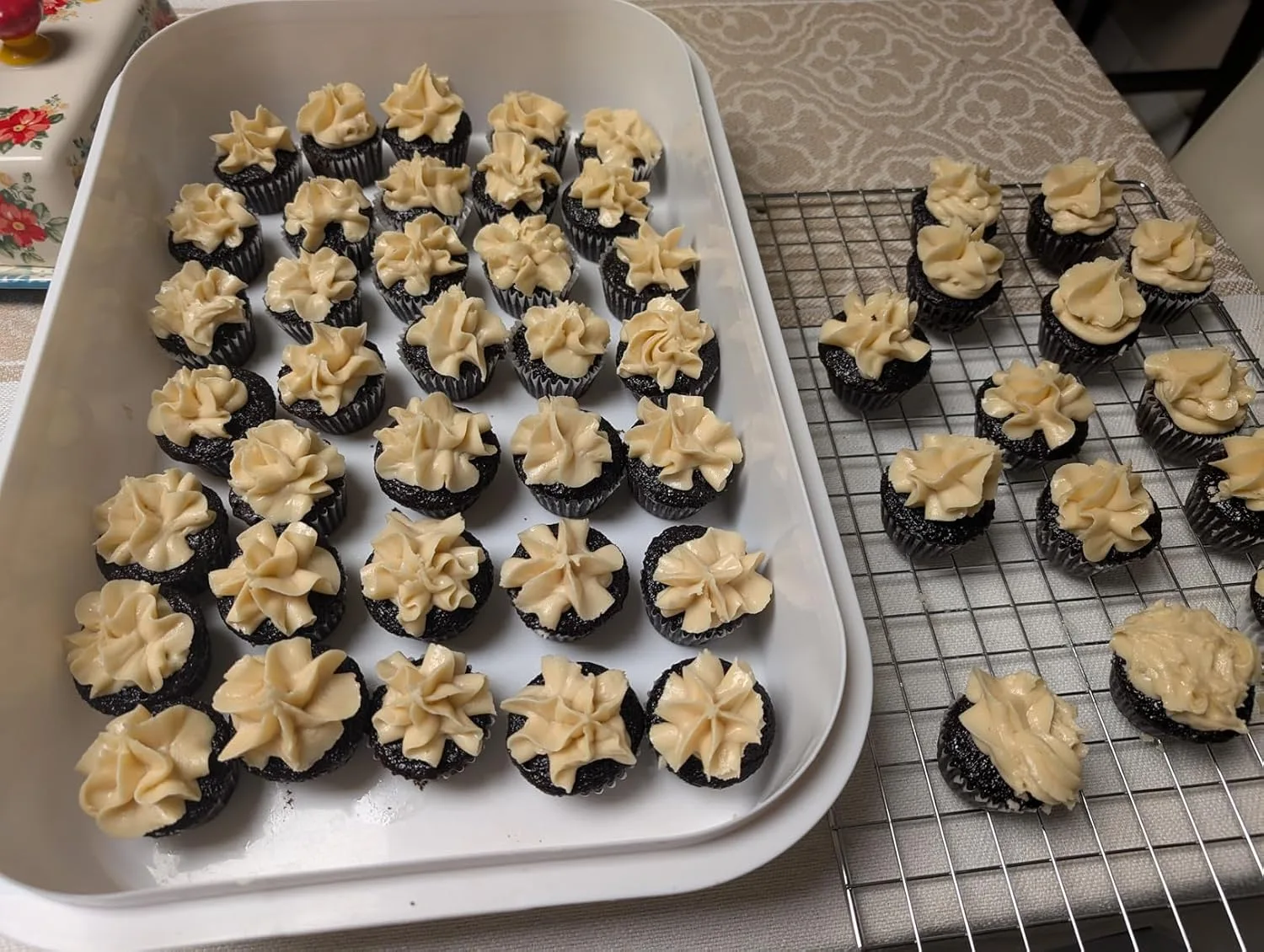
The key to a great buttercream for cookies is the right powdered sugar-to-butter ratio. You want it stiff enough to pipe cleanly but not so stiff it tears the cookie surface. I start with one cup of softened, high-quality unsalted butter to about three cups of powdered sugar, then add cream one tablespoon at a time until I hit that perfect consistency.
The Case for Royal Icing on Cookies
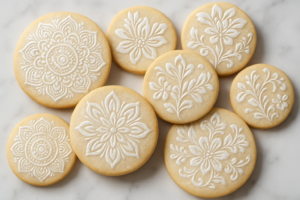
Royal icing is where cookie decorating becomes an art form. Once you learn it — and yes, there is a learning curve, as my Valentine’s Day victims can confirm — it opens up a whole world of gorgeous, detailed designs. Floodwork, wet-on-wet techniques, hand-painted details, intricate outlines: all of this is the domain of royal icing.
What Royal Icing Does Well
- Dries completely smooth and hard — perfect for stacking and gifting
- Holds fine detail and intricate designs beautifully
- Longer shelf life — decorated cookies stay fresh for up to two weeks
- Professional, bakery-quality finish
- Ideal for cookie gifts, cookie boxes, and decorating competitions
Where Royal Icing Falls Short
- Requires patience — full drying time can be six to eight hours or overnight
- Taste is more neutral and sweet rather than rich
- Consistency matters enormously — too thick and it won’t flood, too thin and it runs off the cookie
- Steeper learning curve for beginners
My biggest royal icing tip: get your consistencies right before you start decorating. Outline consistency should be thick enough to hold a peak. Flood consistency should flow smoothly — test it by drizzling a ribbon back into the bowl; it should disappear and flatten within ten seconds. And please, learn from my Valentine’s Day humbling: watch at least one video before you attempt flooding for the first time.
My Baking Essentials for Cookie Decorating
Whether you go the buttercream route or dive headfirst into royal icing territory, the ingredients and tools you use make a real difference. No matter which cookie icing you land on, starting with quality ingredients is half the battle. Here’s what I keep stocked in my kitchen:
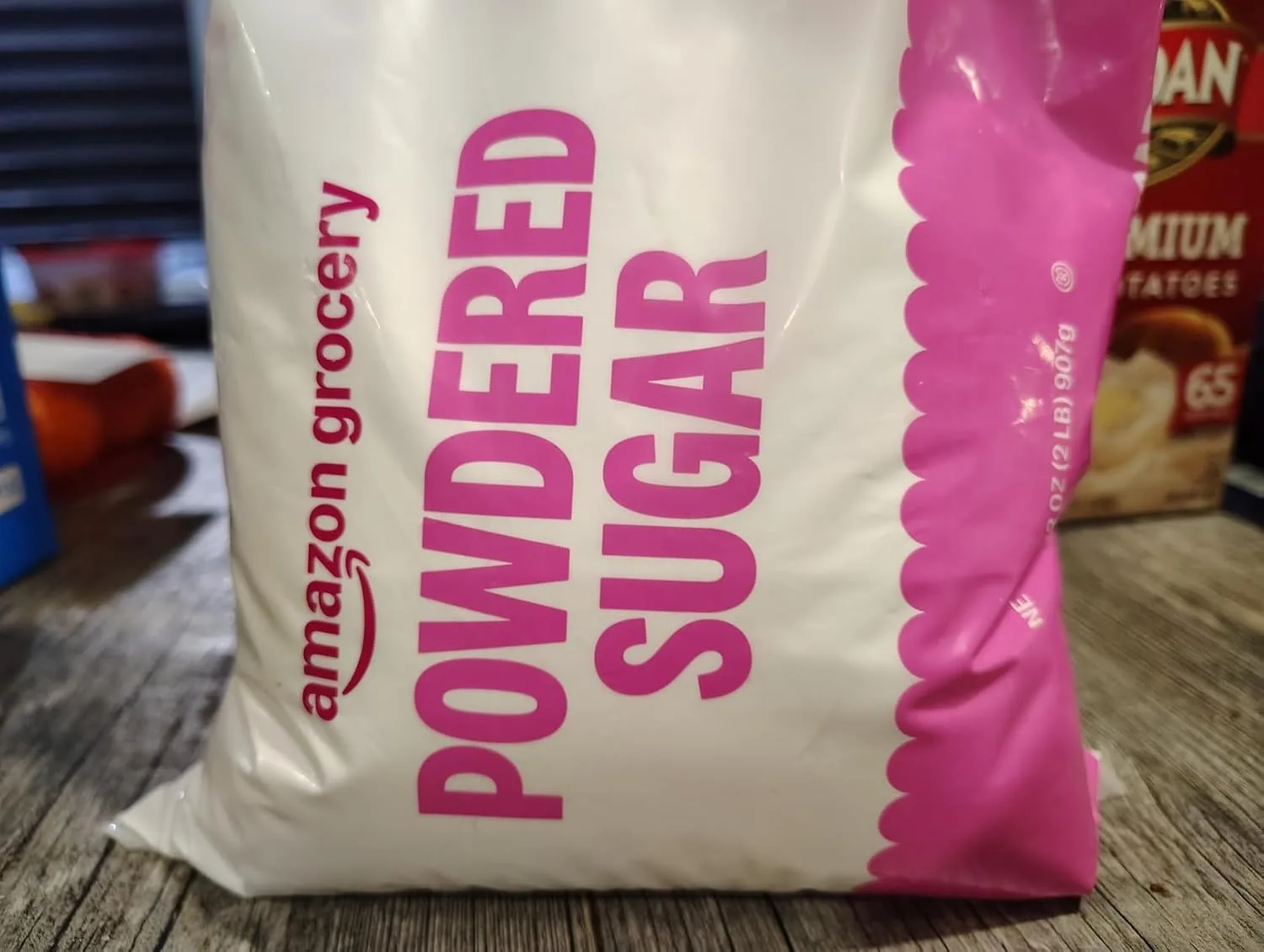
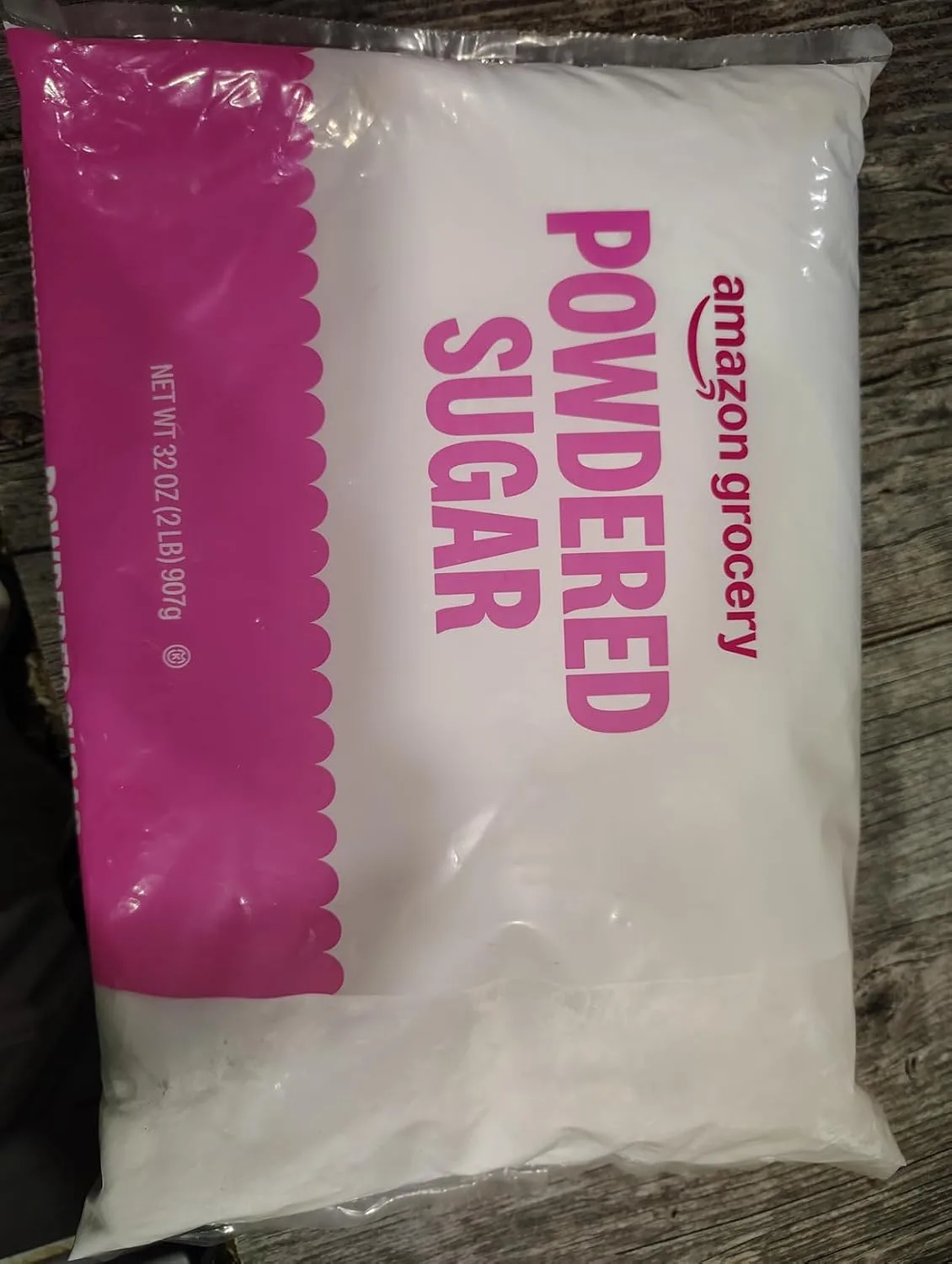
The Powdered Sugar That Finally Stopped My Royal Icing From Turning Grainy
Royal icing lives and dies by the quality of your powdered sugar—I learned this the hard way after that Valentine’s Day disaster. When your icing is supposed to set smooth and glossy, lumps and grittiness will sabotage you every single time, which is why I’ve stopped experimenting with bargain brands.
What works
- Fine, consistent texture that dissolves completely into the egg whites without any grit, even when I’m making large batches for buttercream piping too
- Mixes to a smooth, pipeable consistency on the first try—no straining through a sieve or blending in a food processor to break up clumps
- Creates that actual glassy finish on flooded cookies instead of the chalky, textured look that screams “home baker mistake”
What doesn’t
- It’s not the cheapest option per pound, so if you’re decorating hundreds of cookies on a tight budget, you might feel the cost add up quickly
- Shipping two-pound bags can feel heavy and wasteful if you only frost cookies occasionally—though I go through it fast enough that it’s never an issue for me
I once second-guessed myself mid-batch, wondering if I was being precious about ingredient quality, but then I piped a test line and watched it settle into a perfect smooth edge while my old sugar sat there looking like frosted concrete. That’s when I committed to keeping a bag of Amazon Grocery Powdered Sugar (2 lb) in my pantry always.
This post contains affiliate links. As an Amazon Associate, I earn from qualifying purchases at no extra cost to you.
This post contains affiliate links. As an Amazon Associate, I earn from qualifying purchases.