
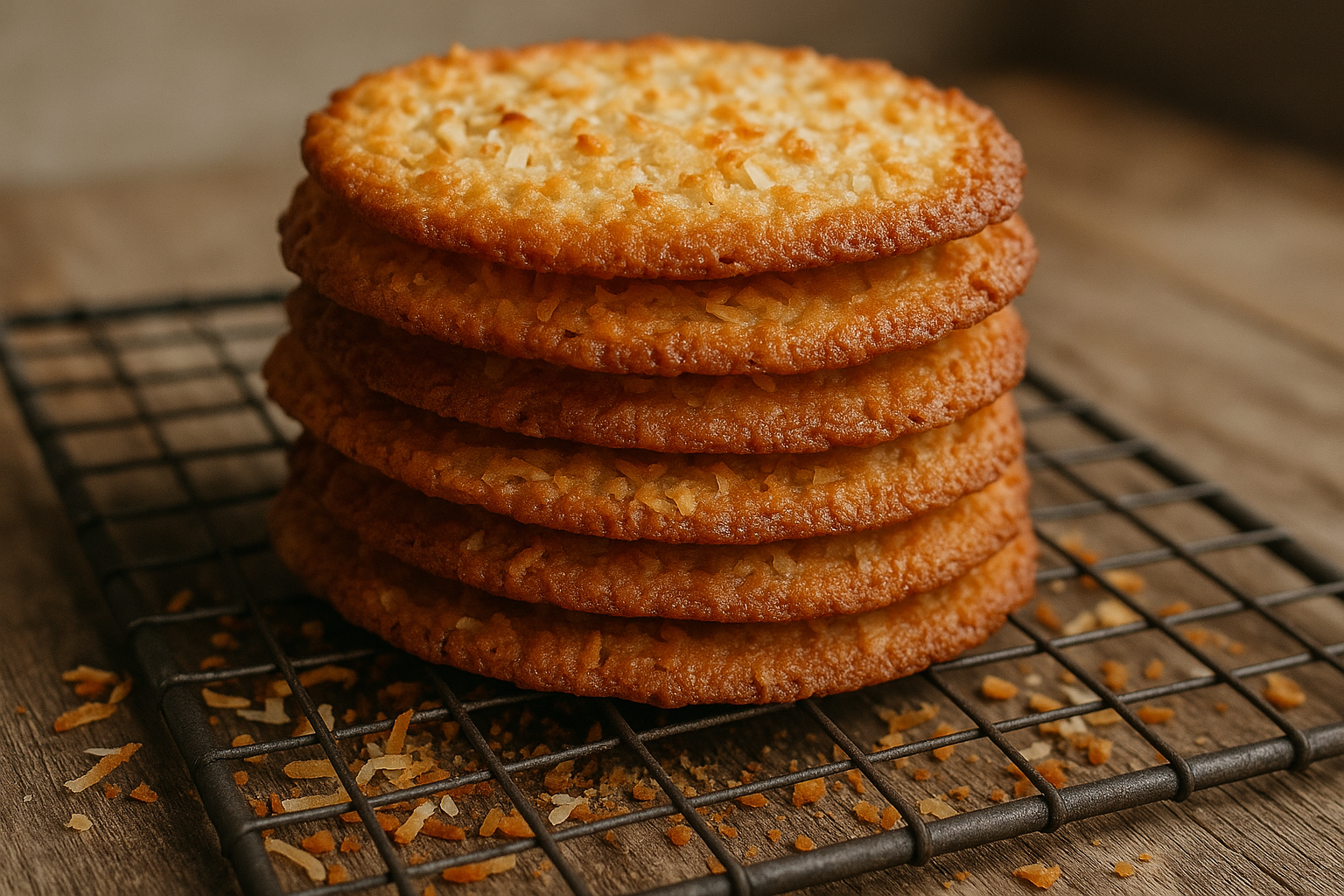
Nothing beats the satisfying snap of a perfectly baked cookie. While soft, chewy treats have their place, sometimes you crave a distinct crunch. These crispy coconut cookies deliver exactly that experience. They combine a buttery base with the tropical sweetness of toasted coconut. Furthermore, they pair beautifully with coffee, tea, or a cold glass of milk.
Many home bakers struggle to achieve that ideal crispy texture. Often, cookies turn out too cakey or soft. However, this recipe guarantees a thin, golden wafer every single time. The secret lies in the ratio of butter to flour and the baking technique. Additionally, we use standard pantry staples, making this an accessible project for beginners. You do not need fancy equipment. In fact, a simple hand mixer and a baking sheet will suffice.
What I Recommend
Good cooling racks are a must for crispy coconut cookies — letting air circulate underneath helps them firm up beautifully instead of going soft on the bottom. I never skip this step, and the difference it makes is real.
A quality baking sheet set makes a huge difference when you’re going for that perfect golden crisp. Heavy-gauge pans distribute heat evenly so your coconut cookies bake consistently without burning on the edges.
An electric hand mixer takes the effort out of creaming your butter and sugar to that light, fluffy consistency that gives these cookies their great texture. It’s one of those tools you’ll reach for every single time you bake.
These coconut cookies are so pretty and gift-worthy, and Christmas cookie tins are the perfect way to package them up for the holidays. Stack them with a little parchment between the layers and you’ve got a gift anyone would love to receive.
Accurate measurements really do matter in cookie baking, so a reliable set of measuring cups and spoons is worth having on hand. Getting your flour and coconut ratios just right is the key to that satisfying crispy bite.
I always line my pans with parchment paper sheets when making coconut cookies — the toasted coconut edges release cleanly without sticking or tearing. Pre-cut sheets make the whole process so much faster and tidier.
The star ingredient in this recipe is, of course, shredded coconut, and using a good-quality one makes all the difference in flavor and texture. Look for unsweetened if you want more control over the sweetness level in your final cookie.
A cookie scoop set helps you portion out uniform cookies that all bake at the same rate — no more half-burnt, half-underdone batches. Consistent sizing is especially important with crispy cookies where timing is everything.
Don’t rely on guesswork when it comes to bake time — a digital kitchen timer keeps you on track so your cookies come out golden and crispy rather than overdone. Even a minute or two can make a big difference with delicate coconut cookies.
A silicone pastry mat gives you a clean, non-slip surface for any rolling or shaping you do, and it makes cleanup after a coconut-dusted baking session so much easier. It’s one of those low-key essentials that earns its counter space every time.
Get ready to fill your kitchen with the irresistible aroma of toasted coconut. This guide covers everything you need to know. We will explore the ingredients, the method, and tips for storage.
Why This Recipe Works
First, simplicity defines this cookie. You do not need to chill the dough for hours. Consequently, you can go from mixing bowl to oven in minutes. This makes it perfect for last-minute guests or sudden cravings. Moreover, the texture stands out immediately. The edges turn golden brown and shatter delightfully when you take a bite.
Second, the flavor profile balances sweet and savory notes. Source Salted butter cuts through the sugar, preventing the cookie from becoming cloying. Meanwhile, the coconut adds a chewiness that contrasts with the crisp dough. . Thus, every bite offers a complex experience.
Finally, these cookies store exceptionally well. unlike soft cookies that stale quickly, crispy cookies maintain their texture for days. Therefore, they make excellent gifts during the holidays. You can pack them in tins without worrying about them crumbling or losing their snap.
Key Ingredients for Success
Quality ingredients make a significant difference. Since this recipe uses few components, each one matters.
Why Real Dairy Matters
When baking coconut cookies, the quality of ingredients matters immensely. Real dairy butter is non-negotiable for the best results. Unlike margarine, which often contains high water content, butter is mostly pure fat. Consequently, margarine can lead to unexpected cakey or soggy textures. In contrast, butter guarantees a crisp, delicate crumb every time.
You might wonder whether to use salted or unsalted sticks. Generally, unsalted butter gives you total control over sodium levels. However, salted butter can actually enhance the floral notes of coconut beautifully. If you choose salted, simply reduce the added salt in the recipe. Therefore, taste your dough to ensure a perfect balance.
Achieving the Perfect Spread
The fat content in butter dictates the cookie’s physical structure. During baking, butter melts rapidly at body temperature. As a result, the dough relaxes and spreads across the pan. This spreading action creates those desirable, lacy edges that bakers love. Without this specific fat ratio, your cookies might remain thick and puffy. Thus, butter ensures the classic thin, chewy profile.
Additionally, the temperature of your butter is crucial for success. For most recipes, you should use room temperature butter. It should be pliable but not greasy or melted. If the butter is too warm, the cookies will spread too fast. Conversely, cold butter will not cream properly with the sugar.
Flavor Complexity
Finally, butter provides a distinct, creamy mouthfeel that vegetable oil cannot replicate. Coconut is naturally very sweet and distinct. Therefore, the savory notes of dairy fat help cut through that intense sugar. This interaction creates a more complex and sophisticated flavor profile. Furthermore, the milk solids brown as they bake. This process adds nutty, caramel-like notes to the finished treat.
Key Benefits of Using Butter:
- Browning: Milk solids caramelize for a beautiful golden color.
- Mouthfeel: It coats the palate for a luxurious, rich finish.
- Structure: It allows the cookie to hold its shape while spreading.
Understanding Sugar’s Role in Coconut Cookies
The type of sugar you select fundamentally transforms your cookie’s final texture. Granulated white sugar serves as the foundation for achieving that perfect crisp exterior. This refined sweetener contains no moisture-retaining compounds. Therefore, it allows cookies to spread more during baking. The result is a delightfully crunchy bite.
White sugar also promotes superior browning through caramelization. As temperatures rise in your oven, sugar molecules break down. This chemical reaction creates those golden-brown edges. Moreover, the caramelization process develops complex flavor notes. These subtle tastes complement coconut’s natural sweetness beautifully.
Why Brown Sugar Creates Different Results
In contrast, brown sugar operates through an entirely different mechanism. This sugar variety contains molasses content ranging from 3.5% to 6.5%. The molasses acts as a humectant, meaning it attracts and retains moisture. Consequently, cookies made with brown sugar stay softer longer. They develop that characteristic chewy texture many bakers prefer.
Additionally, brown sugar contributes deeper flavor dimensions. The molasses provides hints of caramel and toffee. However, these flavors can sometimes overpower delicate coconut notes. For this reason, white sugar remains the preferred choice for traditional coconut cookies.
Balancing Sweetness and Texture
Furthermore, you can experiment by combining both sugar types. A 50-50 blend offers moderate crispness with slight chewiness. This approach gives you greater control over final results. Meanwhile, adjusting ratios lets you customize texture preferences. Some bakers use 75% white sugar for predominantly crispy cookies. Others prefer 60% brown sugar for softer variations.
The Magic of Sweetened Flakes
Sweetened flaked coconut acts as the backbone for these cookies. It contains added moisture that prevents the dough from drying out. Consequently, the final texture remains irresistibly soft and pliable. The sugar coating also encourages beautiful browning. Therefore, you achieve that coveted golden hue effortlessly without overbaking the cookie base.
Furthermore, the flakes caramelize while baking in the heat. This chemical reaction creates a complex, nutty flavor profile. It transforms simple cookie dough into a gourmet treat. Additionally, the caramelized edges add a satisfying, chewy crunch. This crispiness contrasts perfectly with the tender cookie center.
Using Unsweetened Alternatives
In contrast, unsweetened coconut offers a completely different baking experience. It is ideal for those watching their sugar intake. The flavor is purely tropical and much less candy-like. However, the texture tends to be slightly drier and more fibrous. Thus, you might need to adjust your liquid ingredients slightly to compensate.
Safety is key when making this specific substitution. Without the extra sugar syrup, the flakes are much more fragile. Unfortunately, they can go from perfectly toasted to burnt instantly. Therefore, we recommend lowering the oven temperature by 25 degrees. Also, check your cookies two minutes earlier than the recipe states.
Quick Tips for Coconut Success
- Toast it first: For extra flavor, toast flakes briefly in a dry pan.
- Check the expiration: Stale coconut often tastes like soap.
- Measure correctly: Pack the coconut loosely into the measuring cup.
Understanding Flour’s Role in Coconut Cookies
All-purpose flour serves as the foundation of your coconut cookie structure. It creates the framework that holds everything together. However, the amount you use dramatically affects the final texture. Therefore, precision in measuring becomes absolutely essential for success.
When you add too much flour, several problems emerge. First, the cookies won’t spread properly during baking. Instead, they remain thick and compact. Moreover, excess flour absorbs moisture from the dough. Consequently, you end up with dry, crumbly cookies that lack appeal. These dense pucks bear little resemblance to the tender treats you’re aiming for.
The Spoon-and-Level Method Explained
We strongly recommend using the spoon-and-level technique for measuring flour. This method prevents over-packing and ensures consistency. Here’s how it works:
- Fluff the flour in its container with a spoon first
- Spoon the flour gently into your measuring cup
- Level off the top with a straight edge or knife
- Avoid tapping or shaking the cup during this process
Additionally, never scoop directly from the bag with your measuring cup. This compacting action forces extra flour into the cup. For example, scooping can add 20-30% more flour than intended. That difference transforms your recipe outcome completely. Furthermore, different flour brands settle differently in packaging. Therefore, the spoon-and-level method provides reliable results every time.

Mastering the Technique
Achieving the perfect crisp requires specific steps. First, ensure your butter is soft but not melted. Soft butter creams well with sugar, incorporating air. However, melted butter causes the dough to spread too quickly and become greasy.
Next, pay attention to the mixing process. Over-mixing the flour develops gluten. Gluten makes baked goods tough rather than crisp. Therefore, stop mixing as soon as the flour disappears. Gently fold in the coconut at the very end.
Finally, spacing matters. These cookies spread significantly as they bake. Consequently, you must leave at least two inches between dough balls on the baking sheet. If you crowd the pan, they will merge into one giant mega-cookie. While delicious, that is likely not your goal.
The Ultimate Crispy Coconut Cookie Recipe
Here is the step-by-step guide to baking these golden delights. Follow the measurements exactly for the best results.
Grandma’s Crispy Coconut Wafers
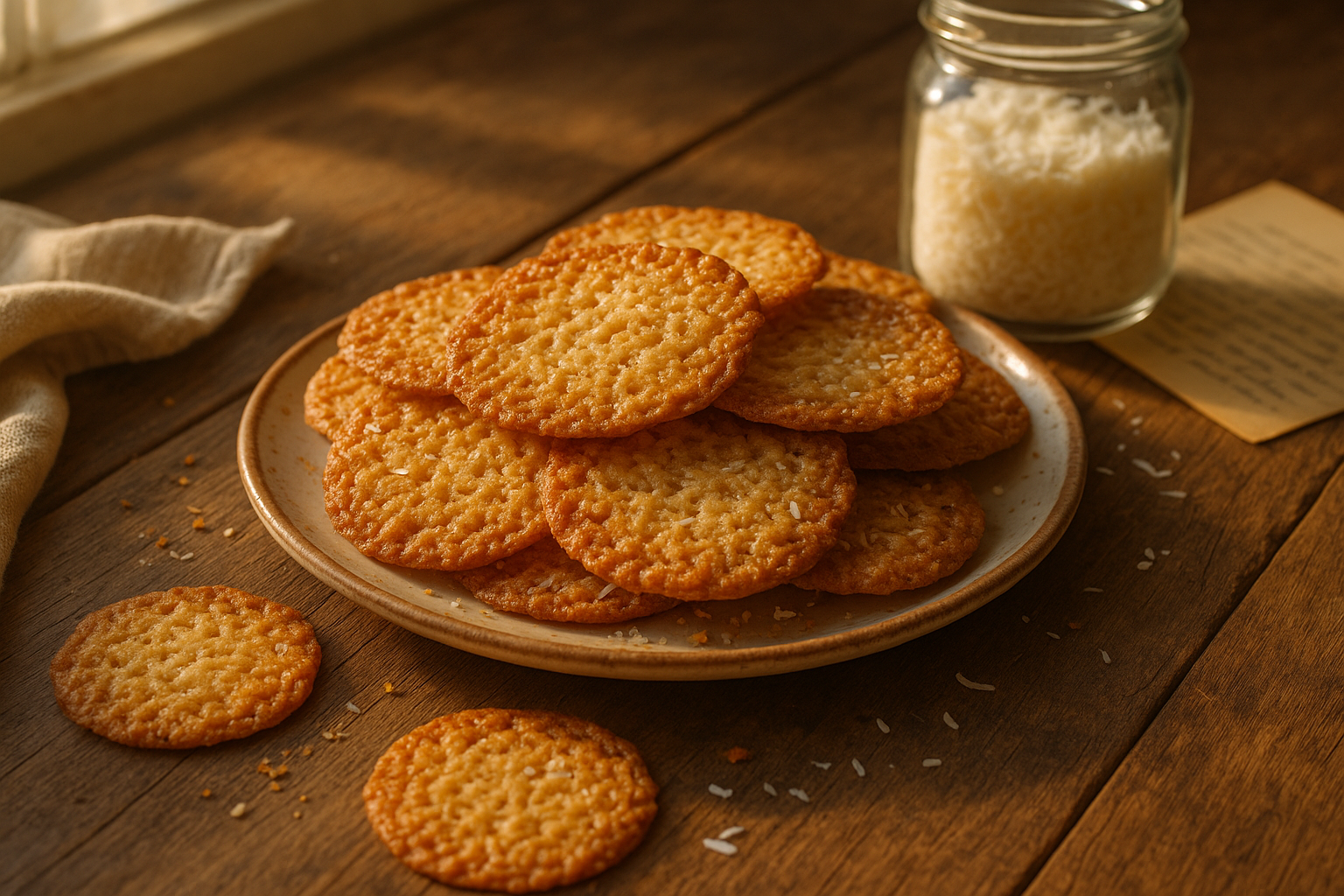
Ingredients:
- 1 cup salted butter, softened
- 1 1/2 cups granulated sugar
- 2 large eggs, room temperature
- 1 teaspoon vanilla extract
- 2 cups all-purpose flour
- 1/2 teaspoon baking soda
- 1/4 teaspoon salt
- 2 cups sweetened shredded coconut
Instructions:
- Preheat your oven to 350°F (175°C). Line two large baking sheets with parchment paper or silicone baking mats.
- In a large bowl, cream the softened butter and granulated sugar together until the mixture looks light and fluffy. This usually takes about 3 minutes with an electric mixer.
- Beat in the eggs one at a time, ensuring each is fully incorporated. Then, stir in the vanilla extract.
- In a separate small bowl, whisk together the flour, baking soda, and salt.
- Gradually add the dry ingredients to the wet mixture. Beat on low speed just until combined. Do not overmix.
- Fold in the shredded coconut by hand using a spatula.
- Drop rounded teaspoonfuls of dough onto the prepared baking sheets. Space them about 2 inches apart to allow for spreading.
- Bake for 10-12 minutes, or until the edges are golden brown and the centers look set.
- Remove from the oven. Let the cookies cool on the baking sheet for 2 minutes to firm up.
- Transfer the cookies to a wire rack to cool completely. They will crisp up further as they cool.
Troubleshooting Common Issues
Sometimes things go wrong. If your cookies remain soft, you likely underbaked them. Crispy cookies need that golden color. Therefore, leave them in the oven for another minute.
Nothing is more frustrating than pulling a tray from the oven to find flat disks. Often, this happens because the butter was too warm during the mixing process. Consequently, the cookie structure cannot hold up against the oven heat. The dough expands rapidly across the pan before it has a chance to set. As a result, you get thin, lace-like edges instead of a substantial bite. Furthermore, coconut flakes contain natural oils that can contribute to extra spreading. Therefore, strict temperature control becomes even more critical with this specific ingredient.
The Science of Butter and Temperature
Butter provides structure through aeration and solid fats. However, it has a relatively low melting point compared to other ingredients. If the butter melts before the flour creates a structure, the cookie collapses. Thus, keeping the fat solid is essential for achieving height. Additionally, this stability prevents the heavy coconut flakes from sliding to the edges. By chilling the dough, you effectively slow down the melting process.
How to Rescue Your Dough
Do not throw away your batter if the first batch fails. Instead, simply place the remaining dough in the refrigerator immediately. Let it rest there for approximately 15 to 30 minutes. This crucial step is often referred to as “ripening” the dough. Consequently, the butter firms up and the flour absorbs more moisture.
Signs your dough needs chilling include:
- The dough feels greasy or oily to the touch.
- It is difficult to roll into distinct balls.
- The mixture looks shiny or slick rather than matte.
Achieving the Perfect Texture
After chilling, your next batch will improve significantly. The cold dough ensures the outside sets before the center fully melts. Therefore, the cookies will be thicker and softer. Moreover, the coconut flavor will seem more concentrated in a denser cookie. You will finally achieve that perfect balance of crispy edges and chewy centers. Ultimately, patience is truly a key ingredient in successful baking.
If the cookies are too thick, you used too much flour. Next time, weigh your flour or use the fluff-and-spoon method. Compacting flour into the measuring cup adds significant extra weight.
Storage and Serving Suggestions
Proper storage ensures your hard work lasts. First, allow the cookies to cool completely. Warm cookies generate condensation in a sealed container. Moisture is the enemy of crispiness.
Once cool, place them in an airtight container or cookie tin. Store them at room temperature. They will stay fresh for up to a week. For longer storage, you can freeze the baked cookies. Place parchment paper between layers to prevent sticking. They thaw quickly at room temperature.
For a fun twist, dip half the cooled cookie in melted dark chocolate. The bitterness of the chocolate complements the sweet coconut perfectly. Additionally, you can zest a lime into the dough before baking. Lime and coconut create a classic tropical pairing.

Conclusion
Imagine biting into a perfectly golden disc. The texture is undeniably crisp and light. Toasted coconut provides a satisfying snap with every mouthful. Unlike soft cookies, these treats offer a distinct, sturdy structure. Additionally, the sweet aroma fills the room instantly. It smells like a warm, tropical vacation.
You can enjoy them with hot coffee or tea. In fact, they are the perfect dipping companion. The flavors balance sweet and nutty notes effortlessly. This makes them a crowd-pleaser for any event. Ultimately, the sensory experience is truly memorable.
Why This Recipe Works
Beginners often feel intimidated by baking from scratch. However, this specific recipe eliminates that fear completely. It requires only basic pantry staples found in most homes. You likely have flour, butter, and sugar already. Furthermore, no fancy equipment is necessary for this dough.
A simple whisk and a large bowl will suffice. Consequently, you save significant time on the cleanup process. This ease makes it perfect for last-minute cravings. Even children can help with the mixing process safely. Therefore, it is a wonderful family activity.
Choosing the Best Ingredients
The type of coconut you use changes the result. Unsweetened desiccated coconut creates a drier, crispier cookie. On the other hand, sweetened shreds add moisture and chew. You should choose based on your personal texture preference. Both options yield delicious results.
Moreover, butter quality plays a huge role here. Use high-quality, unsalted butter for the best flavor depth. This allows the natural coconut taste to shine through. Finally, a touch of vanilla extract ties everything together. Do not skip the salt, as it enhances sweetness.
Tips for the Perfect Crunch
Achieving the ideal texture requires a little attention. For example, you must watch the oven very closely. Coconut creates a high risk of burning quickly. Therefore, keep an eye on the color changes. Remove them when the edges turn a deep golden brown.
Let them cool completely directly on the baking sheet. This step is crucial for achieving maximum crispiness. As a result, the cookies harden to the perfect consistency. Then, store them in an airtight container immediately. This keeps humidity out and preserves the crunch.
Summary of Key Steps:
- Monitor Heat: Watch for browning edges.
- Cool Properly: Let them set on the hot pan.
- Store Well: Use a sealed jar to prevent softening.
Remember to watch the oven closely. The difference between perfectly golden and burnt happens quickly. However, the result is worth the attention. Bake a batch today and share the joy of homemade, crispy perfection. Your friends and family will thank you.
*As an Amazon Associate, I earn from qualifying purchases.