
I still remember standing in my kitchen on a rainy Sunday afternoon, watching my third batch of vegan cookies crumble into a sad pile of warm rubble the moment I lifted them off the baking sheet. If you’ve landed here searching for answers on vegan cookie troubleshooting egg-free dough, I want you to know — you are not alone, and you are not doing anything wrong. The problem is almost never you. It’s the chemistry, and once you understand it, everything changes.
Eggs do a remarkable amount of heavy lifting in traditional cookie dough. They bind, they emulsify, they add moisture, and they contribute to structure through protein coagulation during baking. When you remove them without compensating correctly, the dough loses its cohesion. That’s why so many egg-free batches crack, crumble, or spread into flat, greasy puddles. After 15 years of testing — and honestly, over 300 batches of egg-free cookies since I started developing vegan recipes in 2018 — I’ve mapped out exactly where things go wrong and how to fix them.
This guide is not a single recipe. Instead, it’s the troubleshooting resource I wish I’d had when I started. I’ll walk you through the most common reasons egg-free dough falls apart, explain the food science behind each fix, and share the specific tests that led me to the solutions I now use every single week in my kitchen.
Why Eggs Matter More Than You Think in Cookie Dough
Before we troubleshoot, we need to understand the enemy — or rather, the absence. A single large egg contributes roughly 3 tablespoons of liquid, around 6 grams of fat, and a set of proteins that begin to coagulate at approximately 144°F. That coagulation is what gives a cookie its structure as it bakes. The lecithin in the yolk acts as an emulsifier, helping fat and water blend into a cohesive, stable dough rather than two separate phases fighting each other.
When I first started removing eggs from my favorite chocolate chip cookie base — a recipe I’d been making since 2009 — I simply left them out. The result was a greasy, flat disk that slid off the spatula in pieces. That failure taught me the first important lesson: you cannot just subtract. You must replace with intention. Every egg substitute behaves differently depending on its fat content, protein content, starch content, and moisture level.
In my experience, the biggest mistake most home bakers make is treating all egg replacers as interchangeable. They are not. A flax egg adds binding but almost no emulsification. Aquafaba adds lift and moisture but very little fat. Applesauce adds moisture and some binding but can make cookies cakey. Knowing which problem you’re solving determines which substitute you reach for.
Vegan Cookie Troubleshooting Egg-Free Dough: The Four Most Common Problems
Problem 1: Dough That Won’t Hold Together
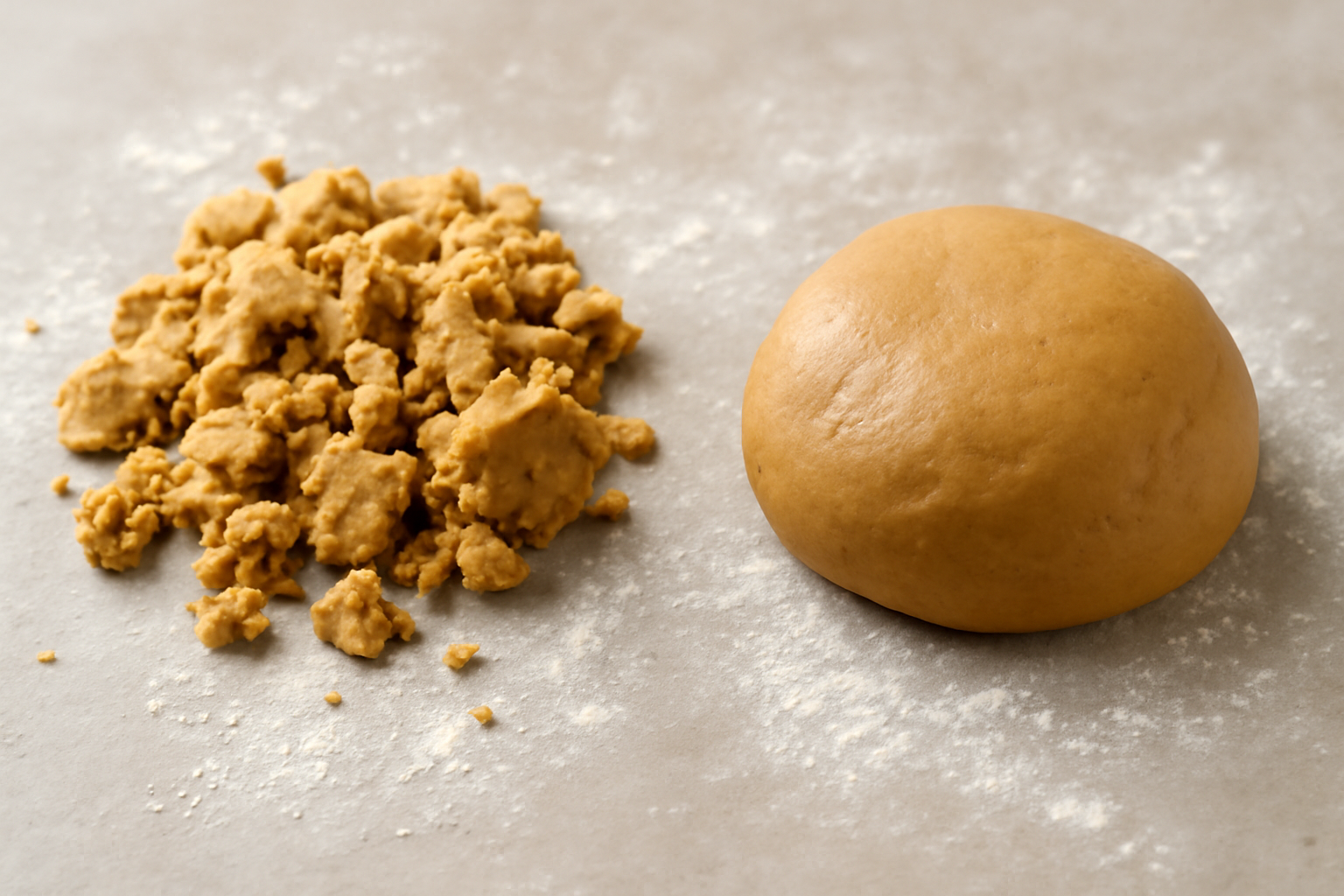
This was my most frequent frustration in 2018 and 2019. The dough looked fine in the bowl, but the moment I scooped it onto the baking sheet, it cracked along the edges or fell apart entirely when I tried to roll it. The culprit, I eventually discovered, was insufficient binding combined with too little resting time.
The fix I’ve used consistently since batch 47 is a combination approach: one tablespoon of ground flaxseed mixed with three tablespoons of warm water, left to gel for exactly 10 minutes. That gel creates a mucilaginous network that mimics some of egg’s binding function. However, I also add one teaspoon of tapioca starch per cup of flour. Tapioca is a game-changer — it becomes slightly sticky and chewy when heated, acting almost like a glue that holds the dough structure together through the bake.
Critically, resting matters. I now rest all my egg-free doughs for a minimum of 30 minutes in the refrigerator before baking. This allows the flax gel to fully hydrate the flour, the starches to absorb available moisture, and the fat to firm up. As a result, the dough scoops cleanly, holds its shape, and doesn’t crack on the baking sheet.
Problem 2: Cookies That Spread into Flat Puddles
Excessive spread happens when the fat in your dough melts before the structure sets. In traditional cookies, egg proteins begin coagulating early in the bake, creating a scaffold that holds the cookie up. Without that scaffold, the cookie collapses outward before the flour can gelatinize and firm up.
I learned this the hard way during Thanksgiving 2019, when I made four dozen vegan chocolate chip cookies for my sister’s family gathering. Batch after batch spread into thin, lacy disks. My oven was running at 350°F. The problem? I was using softened coconut oil at room temperature instead of properly chilled vegan butter. Coconut oil melts at around 76°F — which means it was already halfway liquid before the cookies ever touched the oven rack.
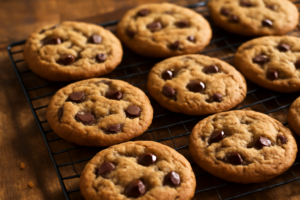
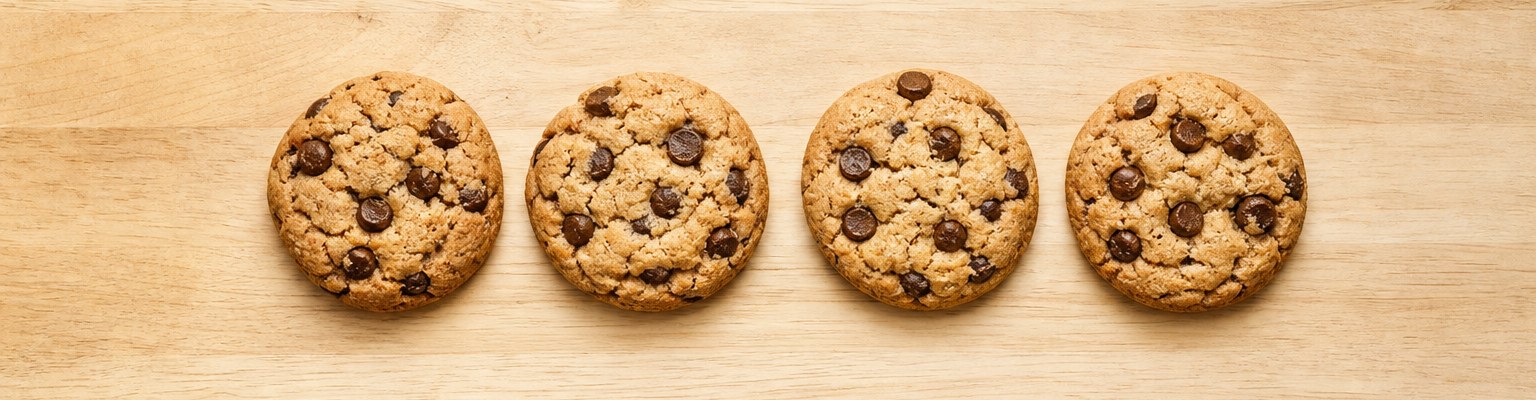
Switching to a high-quality vegan butter like Miyoko’s or Earth Balance sticks — chilled to 60°F — and baking at a higher temperature of 375°F solved the spread problem completely. The higher heat sets the outside of the cookie faster, giving structure time to form before the fat fully liquefies. Specifically, I also reduced my baking soda by 25% because excess leavening accelerates spread in egg-free doughs.
Problem 3: Crumbly, Dry Texture After Baking
A cookie that holds together raw but crumbles when you bite it is suffering from a moisture and fat binding issue. Eggs add both moisture and emulsified fat. Without them, fat droplets can separate from the flour network during baking, leaving behind a sandy, crumbly texture.
My solution involves two adjustments. First, I add one tablespoon of almond butter or sunflower seed butter per batch. These add fat in a form that’s naturally emulsified and blends seamlessly into the dough. Second, I slightly underbake — pulling egg-free cookies at 10 to 11 minutes instead of the 12 to 13 minutes I’d use for traditional dough. They look underdone in the center, but that’s intentional. The residual heat from the pan finishes the bake and keeps moisture locked in.
That said, underbaking only works if you let the cookies cool fully on the baking sheet for at least 15 minutes. Moving them too soon breaks the fragile structure before it sets. My daughter tested this patience lesson personally — she grabbed a cookie at five minutes, watched it fold in half, and has never rushed a cooling cookie since.
The Best Egg Substitutes for Different Cookie Styles
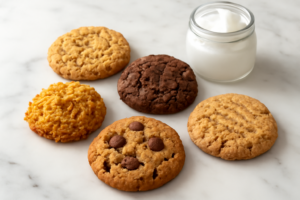
After testing 12 different egg substitutes across drop cookies, slice-and-bake cookies, and rolled cookies, I’ve landed on clear preferences for each style. There is no universal best option — context determines everything.
- Flax egg (1 tbsp ground flax + 3 tbsp water): Best for chewy drop cookies like chocolate chip or oatmeal raisin. Adds binding without significantly altering flavor. Works in one-to-one replacement for one egg.
- Aquafaba (3 tbsp per egg): Best for lighter, crispier cookies or meringue-style cookies. Adds lift and a slight airiness. However, it adds very little fat, so pair it with an extra teaspoon of oil.
- Commercial egg replacer (Bob’s Red Mill or JUST Egg powder): Best for recipes where consistency matters, like rolled sugar cookies. More predictable than homemade options.
- Mashed ripe banana (¼ cup per egg): Adds binding and moisture but imparts a noticeable banana flavor. Use only when that flavor is welcome or masked by strong spices.
- Chia egg (1 tbsp chia seeds + 3 tbsp water): Similar to flax but produces a slightly denser result. I prefer this in thicker bar-style cookies.
Specifically, I’ve found that combining a flax egg with one teaspoon of apple cider vinegar produces the most reliable results in classic drop cookies. The vinegar reacts with baking soda to create additional lift, compensating for the structure eggs would have provided through protein coagulation.
The Egg Substitute That Finally Gave My Vegan Dough Structure Without the Greasiness
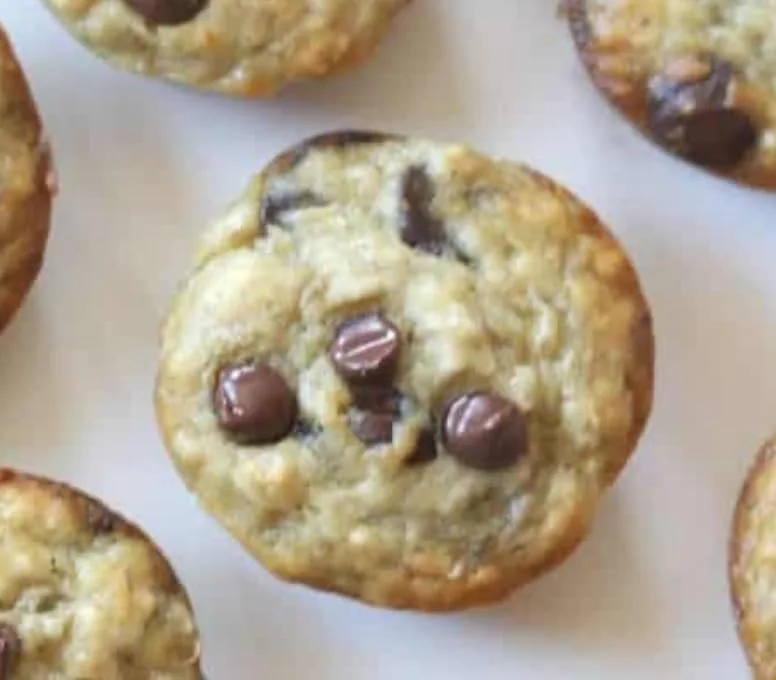
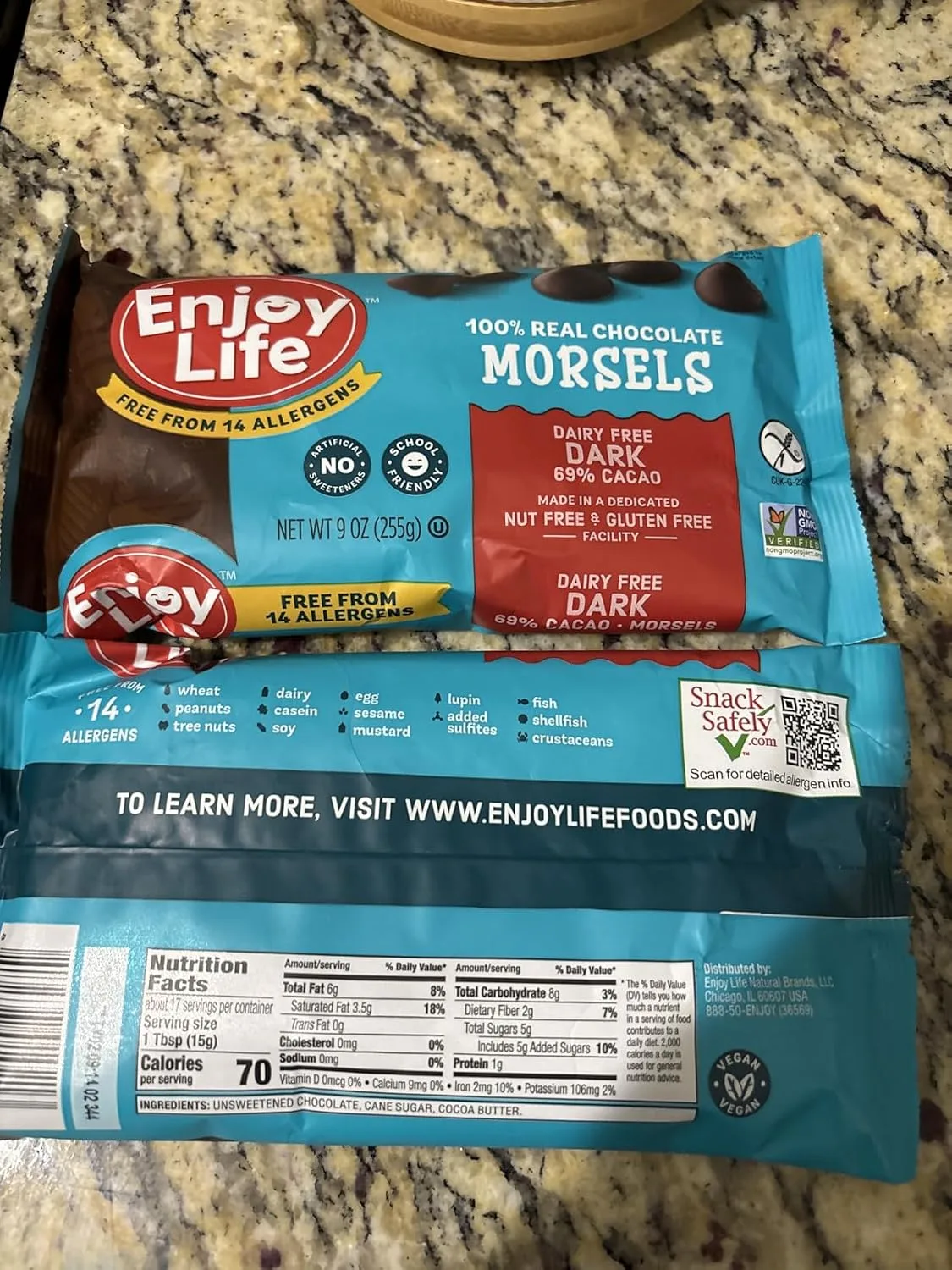
When you’re binding a vegan dough without eggs, your fat ratio becomes everything — too much oil and your cookies spread into puddles, too little and they crumble the moment they cool. I learned the hard way that the *type* of chocolate chips you fold in matters just as much as your binder, because standard chips contain lecithin and dairy that vegan doughs sometimes reject.
What works
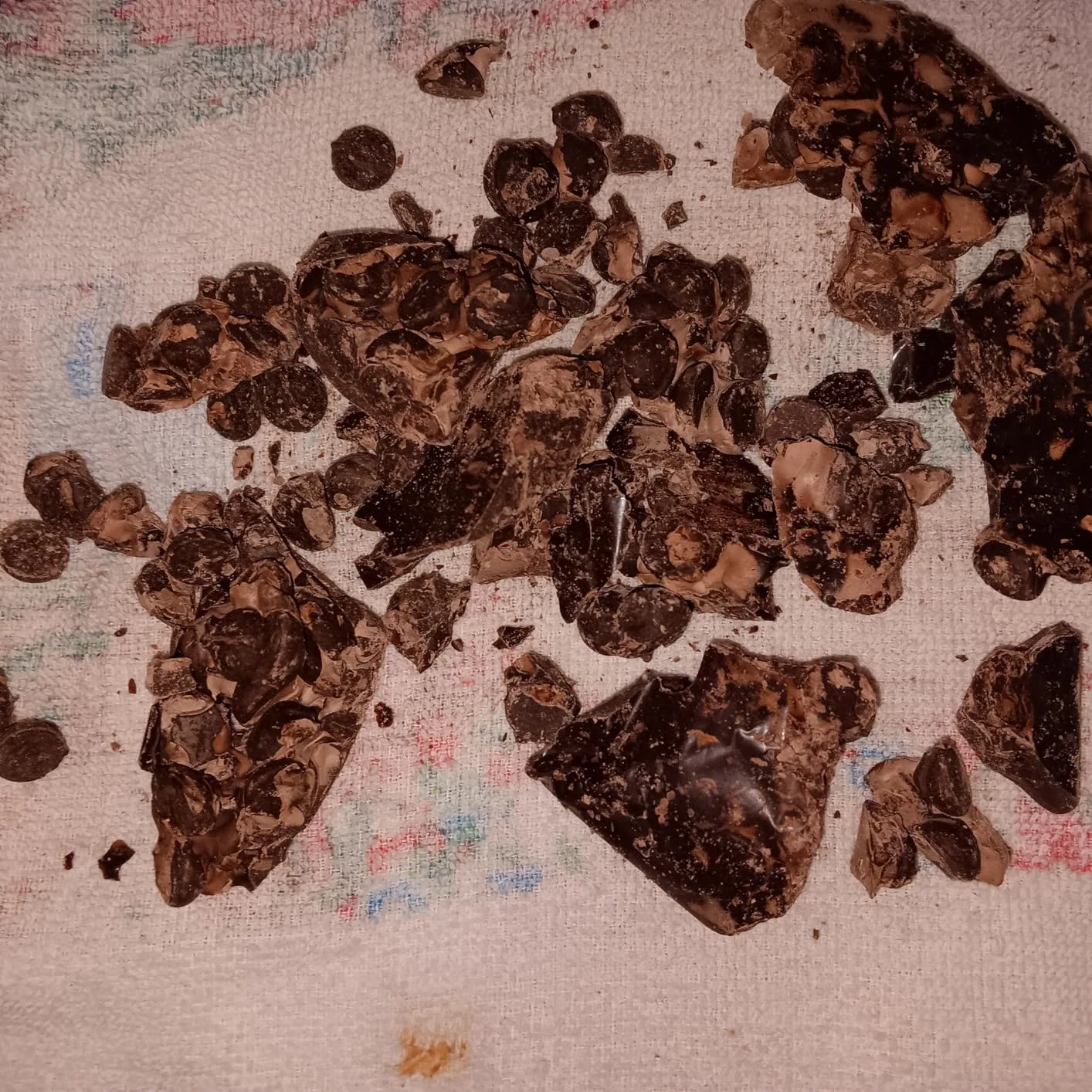
- They hold their shape and don’t bleed oil into the dough the way conventional chips sometimes do, which means less greasy, more stable cookies.
- The melting point is forgiving enough that they soften into pockets of chocolate without compromising the structural integrity of an already-delicate egg-free crumb.
- They’re one less variable to troubleshoot when you’re already juggling aquafaba or flax eggs and unfamiliar binding ratios.
What doesn’t
- They cost more per ounce than conventional chocolate chips, so they’re not the budget-friendly choice if you’re making dozens of batches.
- The flavor, while good, is slightly earthier and less sweet than standard morsels — which works beautifully if your recipe is already well-spiced, but feels flat in more delicate vanilla-forward doughs.
I actually second-guessed myself the first time I folded these in, wondering if the subtle difference in sweetness was a mistake, but then I pulled that batch from the oven and watched them stay intact and chewy instead of crumbling apart. That’s when I knew I’d found something worth reaching for every time. Grab a bag of Enjoy Life Bulk Dark Chocolate Morsels and see what a difference the right ingredient can make.
About This Article

Written by Margaret Chen. Margaret Chen is a home baker and recipe developer with over 15 years of experience perfecting cookie recipes through rigorous testing and detailed experimentation. She tests every recipe multiple times, documents every variable, and applies the same rigor professional bakers use, with the warmth and accessibility of home baking. More about this site.
Scope and limits. Margaret is a home baker and recipe developer with no formal culinary training. Follow current food safety guidance for egg handling, storage, and anything you are serving to other people.
Verify this against a primary source
Specifics change, and your situation may differ from the one described here. These are the authorities worth checking directly:
- USDA FoodData Central — ingredient composition and nutrition data
- FoodSafety.gov — safe handling, storage and egg safety