
Chocolate Chip Coconut Oil Cookies
Vegan chocolate chip cookies made with coconut oil and flax eggs, with a chewy center and crispy edges.
Ingredients
- ¾ cup (150g) refined coconut oil, solid (not melted)
- 1 cup (200g) packed brown sugar
- ¼ cup (50g) granulated sugar
- 2 flax eggs: 2 tablespoons ground flaxseed + 6 tablespoons water, rested 10 minutes
- 2 teaspoons vanilla paste
- 2¼ cups (280g) all-purpose flour
- 1 teaspoon baking soda
- 1 teaspoon fine sea salt
- ¾ cup (about 4.5 oz / 128g) dairy-free dark chocolate chips — half a 9 oz bag per single batch
Instructions
- Stir the ground flaxseed into the water and let it rest for 10 minutes, until it gels.
- In a stand mixer, cream the solid coconut oil with both sugars on medium speed for a full 4 minutes, until light and fluffy.
- Beat in the flax eggs and vanilla paste until fully combined, scraping the bowl once.
- Whisk the flour, baking soda, and salt together in a separate bowl, then mix into the wet ingredients on low speed just until no dry streaks remain.
- Fold in the chocolate chips by hand.
- Cover and chill the dough for at least 30 minutes (up to 72 hours).
- Preheat the oven to 350°F (175°C). Scoop 2-tablespoon balls onto a parchment-lined, light-colored baking sheet, spaced 2 inches apart.
- Bake for 11 minutes, until the edges are set and the centers still look slightly underdone.
- Bang the pan firmly on the counter once, then let the cookies rest on the hot pan for 5 minutes before moving them to a rack.
Notes
- Chill dough at least 30 minutes for better spread control and deeper flavor
- Use a light-colored pan—dark pans overbrown the bottoms
- Pull from oven when centers still look slightly underset—they continue cooking on the hot pan
- Bang the pan once for gorgeous wrinkled tops
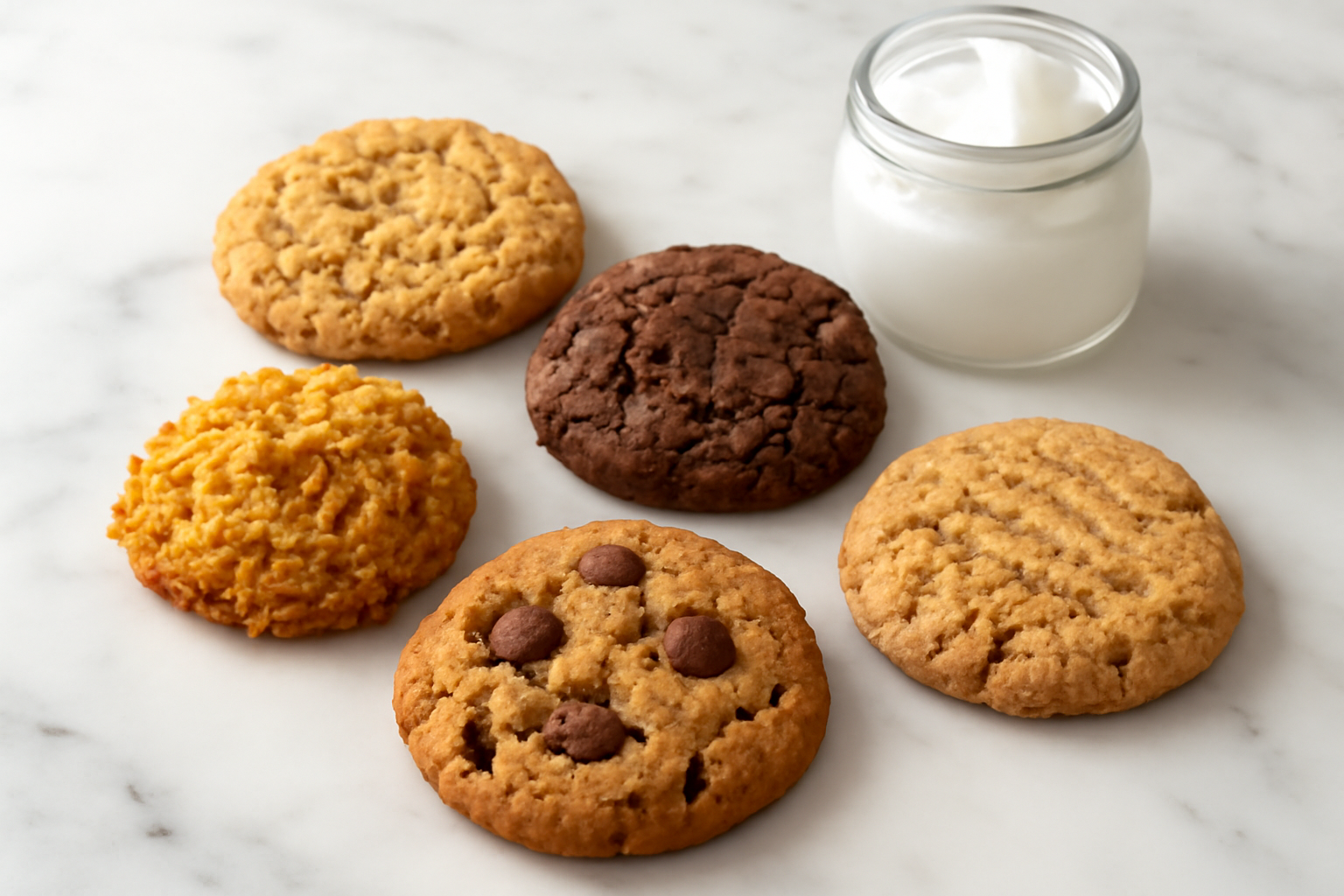
I still remember the look on my neighbor Karen’s face at my holiday cookie exchange in December 2021. She had just eaten her third chocolate chip cookie and was reaching for a fourth when I mentioned they were completely vegan. She actually put the cookie down and stared at me. Then she picked it right back up. That moment perfectly captures what good coconut oil cookies vegan bakers have known for years: done right, nobody can tell the difference. In fact, many people prefer them.
I came to coconut oil baking somewhat reluctantly. Butter has been my fat of choice for 15 years, and I was skeptical that any substitute could deliver the same richness, spread, and chew. However, after my daughter’s college roommate visited with a serious dairy allergy, I committed to cracking the vegan cookie code. What followed was over 200 test batches across 18 months, a lot of failed cookies, and eventually five recipes I am genuinely proud to serve to anyone — vegan or not.
Here is everything I learned, organized into my five best coconut oil cookie recipes plus the science and technique that makes each one work. Whether you are baking for a dairy-free friend or simply curious about coconut oil as a fat, this guide will give you real, tested answers.
Why Coconut Oil Works in Vegan Cookies (The Science Matters)
Coconut oil behaves differently from butter in ways that directly affect your cookie’s texture, spread, and shelf life. Understanding this saved me from dozens of frustrating failures. Butter is roughly 80% fat, 16–17% water, and 3–4% milk solids. That water content creates steam during baking, which contributes to lift. The milk solids participate in the Maillard reaction, producing that deep golden-brown flavor we associate with a great cookie.
Coconut oil, by contrast, is nearly 100% fat with zero water and zero milk solids. As a result, it spreads faster in a hot oven and browns differently. Specifically, you lose some of that savory, caramelized depth unless you compensate with other ingredients. I learned to add a teaspoon of vanilla paste (not just extract), a tablespoon of molasses, or a pinch of espresso powder to replicate complexity. That small addition made an enormous difference starting around batch 31.
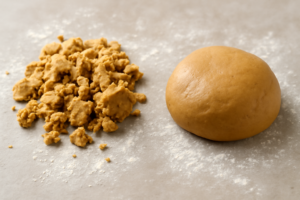
The other critical variable is coconut oil’s melting point. Refined coconut oil melts at approximately 76°F (24°C). In summer, your solid coconut oil can become liquid just sitting on the counter. Liquid fat coats flour proteins differently than solid fat, which affects gluten development and ultimately produces a greasier, flatter cookie. I always use refined solid coconut oil measured by weight, not volume, and I chill my dough for a minimum of 30 minutes before baking. That single habit transformed my results.
The Chocolate Chip Coconut Oil Cookie (My Most-Tested Recipe)
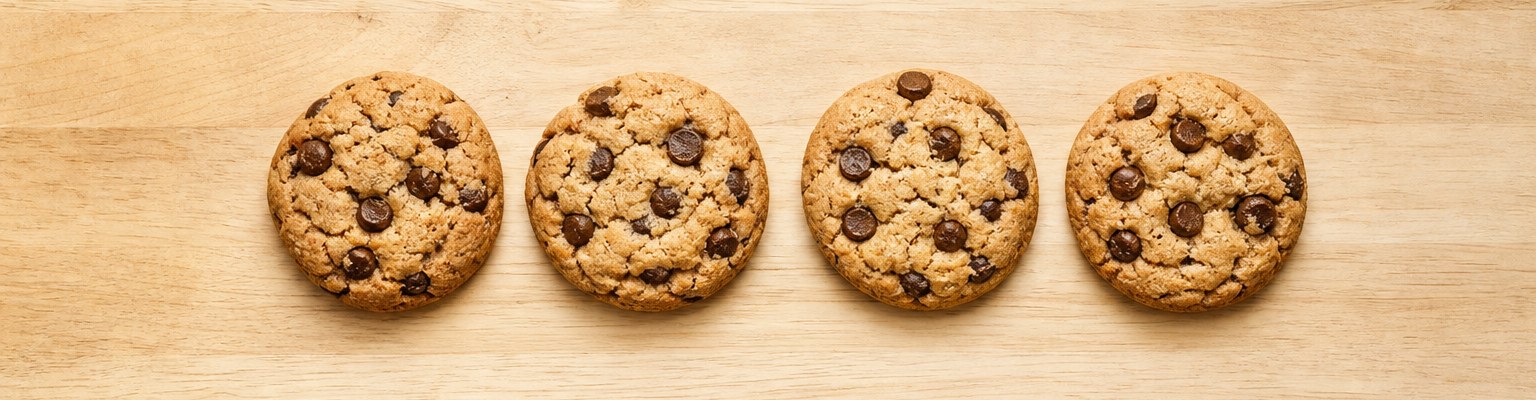
This was my white whale. Batch 23 was the one that finally worked, and I still remember pulling it from the oven at 350°F after exactly 11 minutes. The edges were set, the centers looked underdone, and after a 5-minute rest on the pan they had that perfect chewy pull. The ratio that works: ¾ cup (150g) refined coconut oil, solidified, 1 cup (200g) brown sugar, ¼ cup (50g) granulated sugar, 2 flax eggs (2 tablespoons ground flaxseed + 6 tablespoons water, rested 10 minutes), 2 teaspoons vanilla paste, 2¼ cups (280g) all-purpose flour, 1 teaspoon baking soda, 1 teaspoon fine sea salt.
The higher proportion of brown sugar is intentional. Brown sugar’s molasses content adds hygroscopic moisture, meaning cookies stay chewy longer. It also contributes flavor complexity that partially compensates for the missing milk solids. I cream the solid coconut oil with both sugars for a full 4 minutes in my stand mixer. That aeration step is non-negotiable. Without it, you get dense, greasy cookies rather than light, chewy ones.
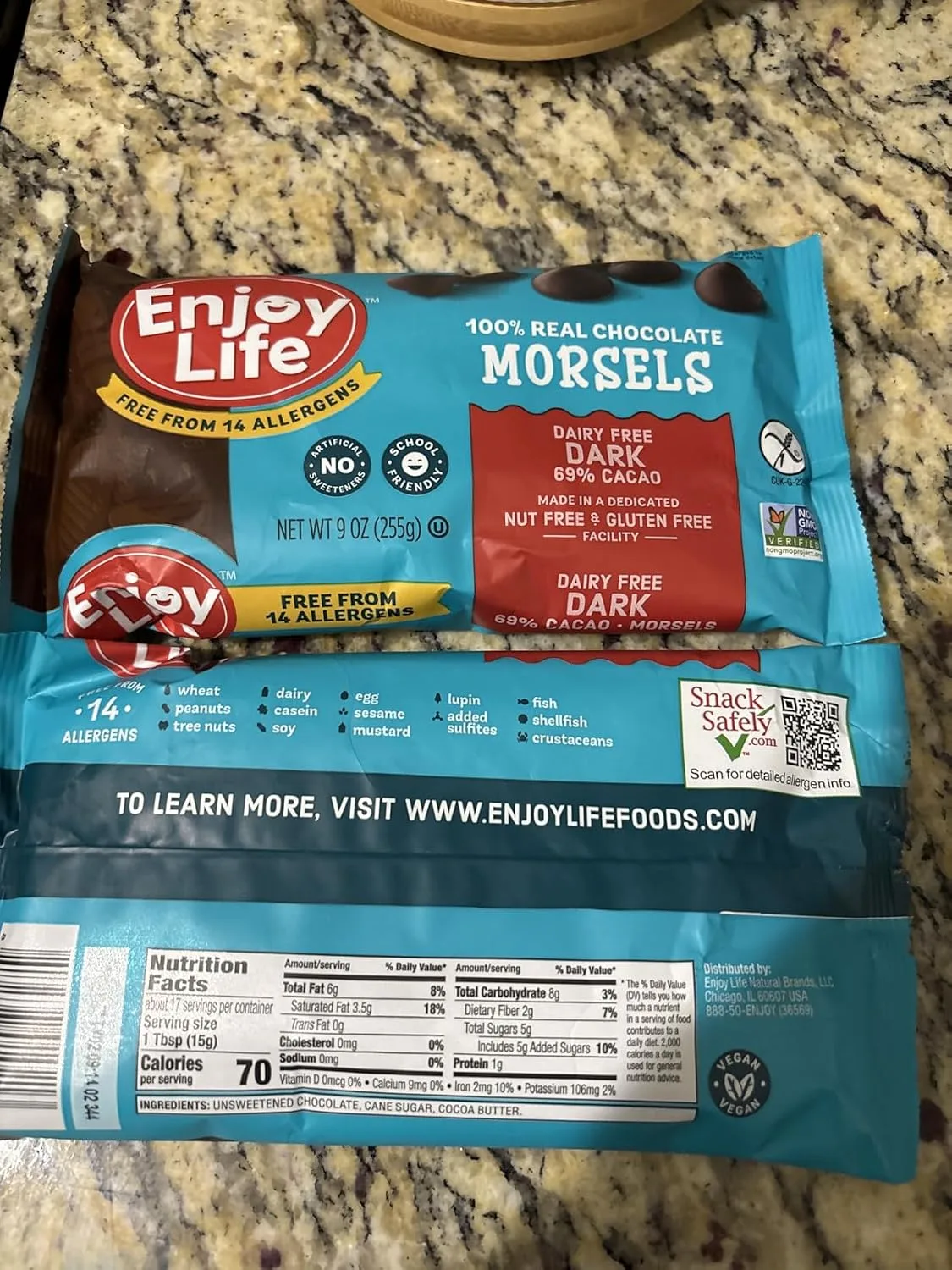
For the chocolate chips, I use Enjoy Life Baking Dark Chocolate Morsels. I discovered these about four years ago when I needed chips that were dairy-free, soy-free, nut-free, AND actually tasted like real chocolate. They check every box. The flavor is genuinely rich — not waxy or overly sweet the way some allergy-friendly chips can be. I use the full 9 oz bag in a double batch, which gives you approximately 2 chips per square inch of cookie surface. That is the correct amount.
The Recipe: Chocolate Chip Coconut Oil Cookies, Step by Step
Yield: about 24 cookies | Prep: 20 minutes plus 30 minutes chilling | Bake: 11 minutes at 350°F (175°C)
- ¾ cup (150g) refined coconut oil, solid (not melted)
- 1 cup (200g) packed brown sugar
- ¼ cup (50g) granulated sugar
- 2 flax eggs: 2 tablespoons ground flaxseed + 6 tablespoons water, rested 10 minutes
- 2 teaspoons vanilla paste
- 2¼ cups (280g) all-purpose flour
- 1 teaspoon baking soda
- 1 teaspoon fine sea salt
- ¾ cup (about 4.5 oz / 128g) dairy-free dark chocolate chips — half a 9 oz bag per single batch
- Stir the ground flaxseed into the water and let it rest for 10 minutes, until it gels.
- In a stand mixer, cream the solid coconut oil with both sugars on medium speed for a full 4 minutes, until light and fluffy.
- Beat in the flax eggs and vanilla paste until fully combined, scraping the bowl once.
- Whisk the flour, baking soda, and salt together in a separate bowl, then mix into the wet ingredients on low speed just until no dry streaks remain.
- Fold in the chocolate chips by hand.
- Cover and chill the dough for at least 30 minutes (up to 72 hours).
- Preheat the oven to 350°F (175°C). Scoop 2-tablespoon balls onto a parchment-lined, light-colored baking sheet, spaced 2 inches apart.
- Bake for 11 minutes, until the edges are set and the centers still look slightly underdone.
- Bang the pan firmly on the counter once, then let the cookies rest on the hot pan for 5 minutes before moving them to a rack.
Baking Tips for the Chocolate Chip Version
- Chill dough at least 30 minutes (up to 72 hours) for better spread control and deeper flavor
- Bake at 350°F on a parchment-lined light-colored pan — dark pans overbrown the bottoms
- Pull from the oven when centers still look slightly underset — they continue cooking on the hot pan
- Bang the pan firmly on the counter once after removing from the oven for those gorgeous wrinkled tops
Coconut Oil Snickerdoodles (The Unexpected Winner)
I did not expect snickerdoodles to become my most-requested recipe at bake sales. However, coconut oil and cinnamon-sugar have a natural affinity that makes these genuinely spectacular. The slight coconut note actually complements the cinnamon in a way butter does not. My ratio: ½ cup (100g) refined coconut oil, solidified, 1¼ cups (250g) granulated sugar, 3 tablespoons aquafaba (the liquid from a can of chickpeas) as the egg replacer, 1½ teaspoons vanilla extract, 2 cups (250g) all-purpose flour, 1½ teaspoons cream of tartar, ½ teaspoon baking soda, ¼ teaspoon fine salt.
Cream of tartar is the defining ingredient in a snickerdoodle. It creates the characteristic tangy flavor and also reacts with baking soda to produce a chewy, slightly crisp edge. I learned this the hard way: in batches 7 through 9, I substituted baking powder because I ran out of cream of tartar. The cookies were fine, but they were not snickerdoodles. The tang was completely absent. Do not skip it.
Roll each ball generously in the cinnamon-sugar mixture (3 tablespoons sugar + 1½ teaspoons cinnamon). Bake at 375°F for 10–11 minutes. The slightly higher temperature here is deliberate — it sets the edges faster and creates that slight crinkle on the surface. Let them cool on the pan for 5 minutes before transferring. They will be pillowy soft and then firm up to that perfect snickerdoodle chew within 20 minutes of cooling.
The Recipe: Coconut Oil Snickerdoodles, Step by Step
Yield: about 20 cookies | Prep: 15 minutes plus 30 minutes chilling | Bake: 10–11 minutes at 375°F (190°C)
- ½ cup (100g) refined coconut oil, solid
- 1¼ cups (250g) granulated sugar
- 3 tablespoons aquafaba (the liquid from a can of chickpeas)
- 1½ teaspoons vanilla extract
- 2 cups (250g) all-purpose flour
- 1½ teaspoons cream of tartar
- ½ teaspoon baking soda
- ¼ teaspoon fine salt
- For rolling: 3 tablespoons granulated sugar + 1½ teaspoons ground cinnamon
- Cream the solid coconut oil and sugar in a stand mixer on medium speed for 3–4 minutes, until light.
- Beat in the aquafaba and vanilla until smooth and glossy.
- Whisk the flour, cream of tartar, baking soda, and salt together, then mix into the wet ingredients just until combined.
- Cover and chill the dough for at least 30 minutes so the coconut oil firms back up.
- Preheat the oven to 375°F (190°C). Stir the rolling sugar and cinnamon together in a small bowl.
- Roll the dough into 1½-tablespoon balls, coat each one generously in the cinnamon-sugar, and space them 2 inches apart on a parchment-lined sheet.
- Bake for 10–11 minutes, until the edges are set and the tops are crinkled but still soft.
- Cool on the pan for 5 minutes before transferring to a rack — they firm to that perfect snickerdoodle chew within 20 minutes.
Coconut Oil Double Chocolate Cookies (Rich, Fudgy, Undetectably Vegan)
These are the cookies I brought to my daughter’s school staff appreciation event in February 2023. Three teachers asked for the recipe before the tray was empty. Not one person guessed they were vegan. The key to these is using both cocoa powder AND melted dark chocolate, which creates a fudgy, brownie-like texture that no amount of butter would improve. My base: ½ cup (100g) refined coconut oil, ½ cup (85g) melted dairy-free dark chocolate, 1 cup (200g) brown sugar, ¼ cup (50g) granulated sugar, 2 flax eggs, 1 teaspoon vanilla, 1 cup (125g) all-purpose flour, ½ cup (45g) Dutch-process cocoa powder, ½ teaspoon baking soda, ½ teaspoon salt.
Dutch-process cocoa is essential here, not natural cocoa. Dutch-process has been alkalized to neutralize its acidity, which produces a smoother, deeper chocolate flavor and a darker color. Natural cocoa, however, is more acidic and would react unpredictably with the leavening in this particular formula. I use Droste or Rodelle Dutch-process — both are reliable and widely available.
For extra chocolate chips folded in, I reach again for the Enjoy Life Bulk Dark Chocolate Morsels. Adding ¾ cup of chips to an already deeply chocolatey dough might seem excessive. In my experience, it is absolutely not. Bake these at 325°F for 12 minutes. Lower temperature, longer time — this gives the fudgy interior time to set without the exterior over-crisping.
The Recipe: Double Chocolate Coconut Oil Cookies, Step by Step
Yield: about 20 cookies | Prep: 20 minutes plus 30 minutes chilling | Bake: 12 minutes at 325°F (165°C)
- ½ cup (100g) refined coconut oil, solid
- ½ cup (85g) dairy-free dark chocolate, melted and slightly cooled
- 1 cup (200g) packed brown sugar
- ¼ cup (50g) granulated sugar
- 2 flax eggs: 2 tablespoons ground flaxseed + 6 tablespoons water, rested 10 minutes
- 1 teaspoon vanilla
- 1 cup (125g) all-purpose flour
- ½ cup (45g) Dutch-process cocoa powder
- ½ teaspoon baking soda
- ½ teaspoon salt
- ¾ cup (128g) dairy-free dark chocolate chips
- Make the flax eggs and let them rest for 10 minutes. Melt the ½ cup of dark chocolate gently and let it cool until just warm.
- Cream the solid coconut oil with both sugars for 3–4 minutes, until fluffy.
- Beat in the melted chocolate, flax eggs, and vanilla until the mixture is smooth and uniform.
- Sift the flour, Dutch-process cocoa, baking soda, and salt together, then mix into the wet ingredients on low speed just until combined.
- Fold in the chocolate chips. Cover and chill the dough for 30 minutes.
- Preheat the oven to 325°F (165°C). Scoop 2-tablespoon balls onto a parchment-lined sheet, 2 inches apart.
- Bake for 12 minutes — the edges should be set while the centers still look fudgy and soft.
- Rest on the pan for 5 minutes before transferring; the fudgy interior finishes setting as they cool.
Coconut Oil Oatmeal Raisin Cookies and Peanut Butter Cookies
I am grouping these two together because they share a similar technique advantage: both use ingredients that naturally mask any residual coconut flavor, making them the most “accidentally vegan” of the bunch. For oatmeal raisin, I use ⅔ cup (133g) refined coconut oil, 1 cup (200g) brown sugar, ¼ cup (50g) granulated sugar, 2 flax eggs, 2 teaspoons vanilla, 1½ cups (190g) all-purpose flour, 1 teaspoon cinnamon, ½ teaspoon nutmeg, 1 teaspoon baking soda, ½ teaspoon salt, and 3 cups (270g) old-fashioned rolled oats. Not quick oats. Old-fashioned oats give you that satisfying chew.
The oatmeal version bakes beautifully at 350°F for 12–13 minutes. One tip I discovered around batch 40: soak your raisins in hot water for 10 minutes before adding them to the dough. They plump up, stay moist during baking, and do not turn into little dried pebbles. This applies whether you are using butter or coconut oil, but it matters even more here because coconut oil cookies can dry out slightly faster on day two.
The Recipe: Oatmeal Raisin, Step by Step
Yield: about 28 cookies | Prep: 20 minutes plus 30 minutes chilling | Bake: 12–13 minutes at 350°F (175°C)
- ⅔ cup (133g) refined coconut oil, solid
- 1 cup (200g) packed brown sugar
- ¼ cup (50g) granulated sugar
- 2 flax eggs: 2 tablespoons ground flaxseed + 6 tablespoons water, rested 10 minutes
- 2 teaspoons vanilla
- 1½ cups (190g) all-purpose flour
- 1 teaspoon cinnamon
- ½ teaspoon nutmeg
- 1 teaspoon baking soda
- ½ teaspoon salt
- 3 cups (270g) old-fashioned rolled oats
- 1 cup (145g) raisins, soaked in hot water for 10 minutes and drained
- Cover the raisins with hot water and let them soak for 10 minutes; make the flax eggs at the same time. Drain the raisins well.
- Cream the solid coconut oil with both sugars for 3–4 minutes, then beat in the flax eggs and vanilla.
- Whisk the flour, cinnamon, nutmeg, baking soda, and salt together and mix into the wet ingredients just until combined.
- Stir in the oats, then fold in the drained raisins. Cover and chill the dough for 30 minutes.
- Preheat the oven to 350°F (175°C). Scoop 2-tablespoon mounds onto a parchment-lined sheet and press each one down slightly.
- Bake for 12–13 minutes, until the edges are golden and the centers are just set.
- Cool on the pan for 5 minutes before moving to a rack.
For peanut butter cookies, the formula is beautifully simple: ¼ cup (50g) coconut oil, 1 cup (260g) natural peanut butter, 1 cup (200g) granulated sugar, 1 flax egg, 1 teaspoon vanilla, ½ teaspoon baking soda, ¼ teaspoon salt. The peanut butter carries the flavor almost entirely, which means even unrefined coconut oil works here if you enjoy that slight tropical note. Press with a fork in the classic crosshatch pattern, bake at 350°F for 10–12 minutes, and do not overbake. They look underdone when they come out. That is correct.
The Recipe: Peanut Butter, Step by Step
Yield: about 18 cookies | Prep: 15 minutes plus 30 minutes chilling | Bake: 10–12 minutes at 350°F (175°C)
- ¼ cup (50g) coconut oil, solid (refined or unrefined both work here)
- 1 cup (260g) natural peanut butter, well stirred
- 1 cup (200g) granulated sugar
- 1 flax egg: 1 tablespoon ground flaxseed + 3 tablespoons water, rested 10 minutes
- 1 teaspoon vanilla
- ½ teaspoon baking soda
- ¼ teaspoon salt
- Make the flax egg and let it rest for 10 minutes.
- Beat the coconut oil, peanut butter, and sugar together until creamy, about 2 minutes.
- Mix in the flax egg and vanilla, then the baking soda and salt, until you have a soft, uniform dough.
- Cover and chill the dough for 30 minutes so it scoops cleanly.
- Preheat the oven to 350°F (175°C). Roll the dough into 1½-tablespoon balls and place them 2 inches apart on a parchment-lined sheet.
- Press each ball with a fork in the classic crosshatch pattern.
- Bake for 10–12 minutes. They will look underdone when they come out — that is correct. Do not overbake.
- Let them set on the pan for 5 minutes before transferring; they are fragile until fully cool.
The Chocolate Chips That Finally Made Vegan Cookies Indistinguishable From the Real Thing
When you’re baking vegan, the chocolate chips are non-negotiable—they’re often the first thing people taste, and they’re where most dairy-based recipes hide their richness. After years of testing everything from melted bars to generic semi-sweet chips, I realized that the right vegan chocolate morsels could be the difference between “oh, that’s surprisingly good for vegan” and “wait, this is vegan?”
What works
- They hold their shape beautifully in the oven instead of turning into little chocolate puddles, which means texture stays crispy on the outside where it matters most.
- The flavor is genuinely deep and dark—no waxy aftertaste that makes people immediately think “health food cookie”—so nobody’s suspicious before they even bite in.
- They distribute evenly throughout the dough without clumping, so every cookie gets that satisfying chocolate-to-butter ratio that makes people reach for a fourth.
What doesn’t
- The bag is small relative to the price, so if you’re making five recipes in one afternoon like I sometimes do, you’ll need multiples.
- They’re not easy to find in regular grocery stores, which means you’re planning ahead or ordering online—no last-minute substitutions.
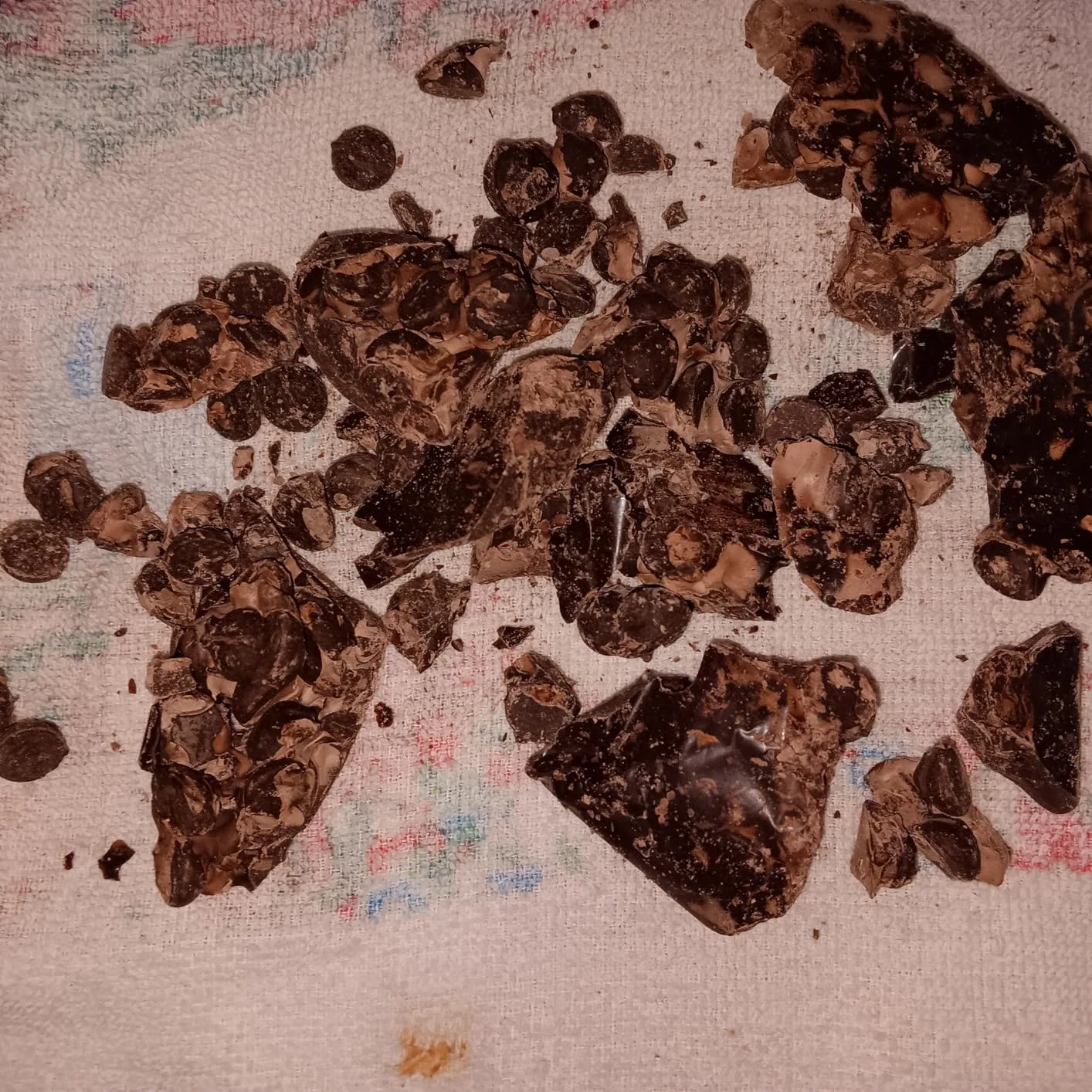
I had a batch fail completely when I first tried a different brand because the chips melted during mixing, but switching to these morsels solved that problem instantly. Enjoy Life Bulk Dark Chocolate Morsels are what I reach for every single time now.

About This Article

Written by Margaret Chen. Margaret Chen is a home baker and recipe developer with over 15 years of experience perfecting cookie recipes through rigorous testing and detailed experimentation. She tests every recipe multiple times, documents every variable, and applies the same rigor professional bakers use, with the warmth and accessibility of home baking. More about this site.
Scope and limits. Margaret is a home baker and recipe developer with no formal culinary training. Follow current food safety guidance for egg handling, storage, and anything you are serving to other people.
Verify this against a primary source
Specifics change, and your situation may differ from the one described here. These are the authorities worth checking directly:
- USDA FoodData Central — ingredient composition and nutrition data
- FoodSafety.gov — safe handling, storage and egg safety