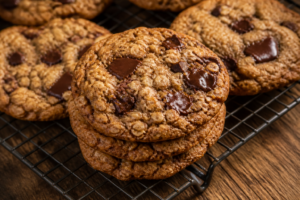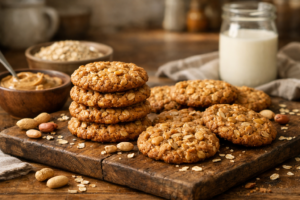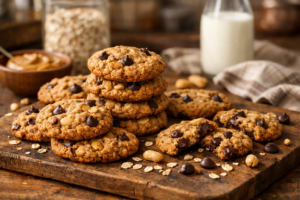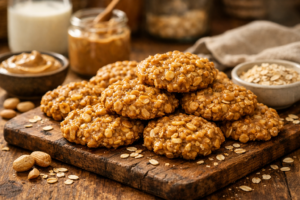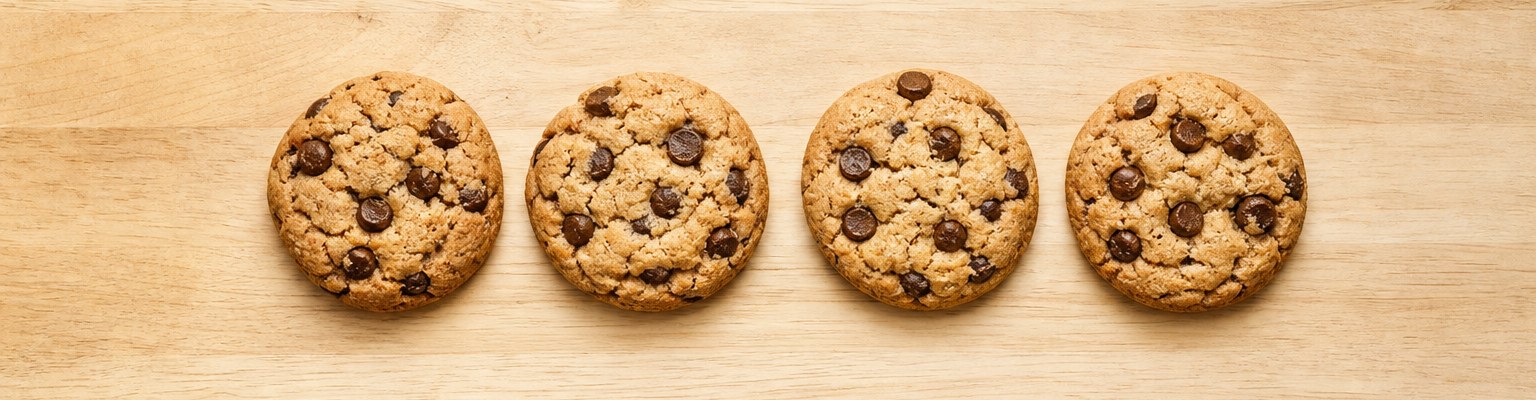
It started, as most of my baking obsessions do, with a half-eaten jar of peanut butter and a stubborn question I could not let go. I was standing in my kitchen on a rainy Tuesday, staring at two open jars — one chunky, one smooth — and genuinely could not remember which one my go-to peanut butter cookie recipe called for. So I did what any reasonable person would do: I made both. And then, because I apparently have no sense of self-preservation, I kept going. Six batches total. Chunky vs smooth peanut butter cookies, natural vs regular, homemade vs store-brand. What I found genuinely surprised me, and I am sharing every messy, flour-dusted detail right here.
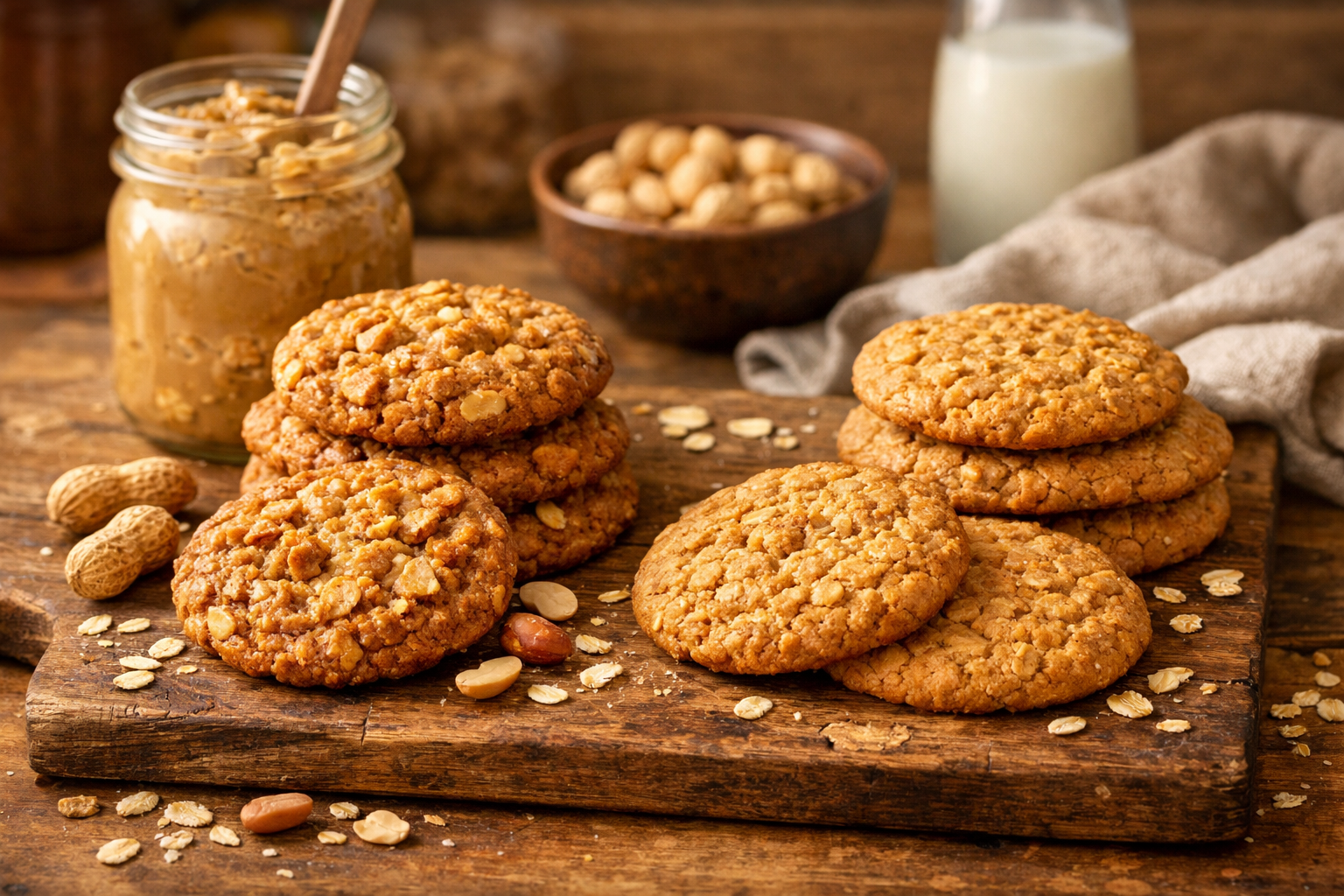
Why This Test Matters More Than You’d Think
Here’s what most cookie recipes gloss over: they rarely specify whether you should use chunky or smooth peanut butter. They just say “peanut butter,” as if it’s all the same. But if you’ve ever baked side by side with both, you know that is not true. The texture changes. The crumb structure shifts. The way the cookies spread in the oven behaves differently. And if you’re someone who cares about consistency—who wants the same result every single time you pull a batch from the oven—then this distinction matters.
I approached this like any proper test should be approached: controlled variables, consistent measurements, and a willingness to eat a lot of cookies in the name of science. Same recipe. Same oven. Same baking sheet. Only the peanut butter changed. And what I discovered has genuinely changed how I think about peanut butter cookies.
Smooth Peanut Butter: The Creamy Case
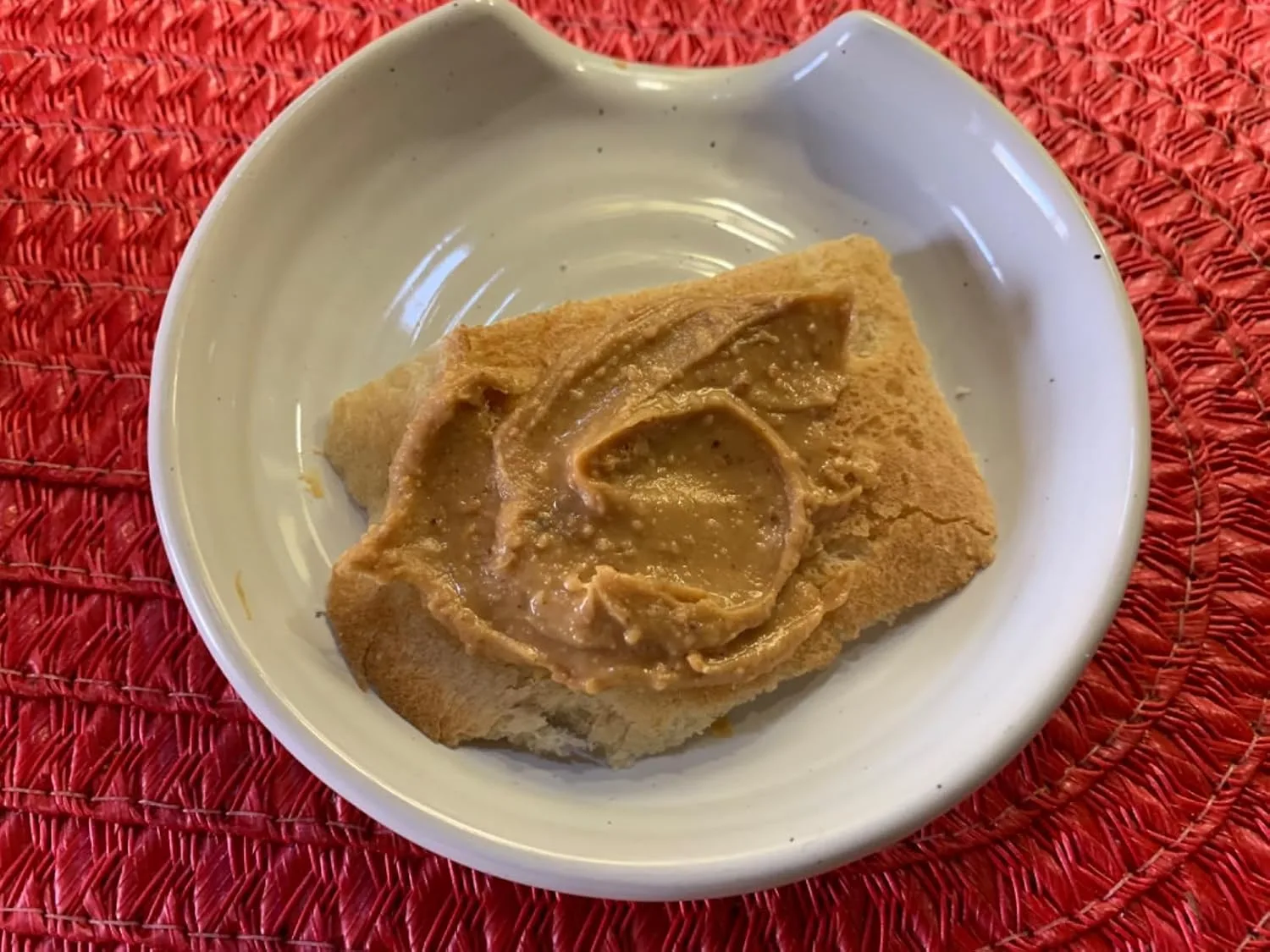
Smooth peanut butter creates a more uniform dough. The peanut butter disperses evenly throughout the mix, which means better consistency from cookie to cookie. When you’re creaming butter and smooth peanut butter together, they blend into a homogeneous mass that incorporates air beautifully. This results in cookies that are slightly lighter and more tender, with a more delicate crumb structure.
The flavor is also more subtle. Instead of that sharp, immediate peanut hit, smooth peanut butter delivers a gentle, creamy peanut notes that linger rather than punch. If you’re baking for people who prefer a softer cookie with balanced flavor, smooth is your answer. The cookies also brown more evenly because the surface stays consistent without visible peanut pieces catching extra heat.
One practical note: smooth peanut butter is also more forgiving when you’re scaling recipes up or down. It measures more predictably, and you don’t have to account for air pockets in the jar created by chunky pieces.
Chunky Peanut Butter: The Textured Truth
Now chunky peanut butter—this is where things get interesting. Those peanut pieces aren’t just sitting there being decorative. They add structural integrity to the dough. When you cream chunky peanut butter with butter, you don’t get as smooth a blend. Instead, you get pockets of peanut pieces distributed throughout. This changes the spread rate during baking and creates a denser cookie with more pronounced peanut flavor.
The chunks create little flavor bombs in every bite. There’s textural contrast. Some people find this absolutely essential for a proper peanut butter cookie—that crunch and pronounced peanut taste is non-negotiable. The cookies also tend to be slightly chewier in the center while crispy at the edges, which is a texture profile some bakers specifically chase.
The downside: chunky peanut butter requires more careful creaming. You need to give it extra time to break down and incorporate air, or your cookies risk turning out dense. The chunks also brown at different rates than the surrounding dough, which can create an uneven appearance if you’re not careful with your oven temperature and timing.
The Peanut Butter That Actually Stays Creamy Between Batches
When you’re testing six batches back-to-back, the last thing you need is peanut butter that separates, thickens up, or changes texture halfway through your testing day. I learned this the hard way when my first jar started looking more like concrete by batch four.
What works
- Stays at the exact same consistency from the first scoop to the sixth batch, which means your cookie texture won’t drift as you work through multiple tests
- Blends into the dough smoothly without requiring extra creaming time, so batch five feels as effortless as batch one
- No oil layer to manage or stir back in, which sounds small until you’re on your third batch and just want to scoop and go
What doesn’t
- It’s pricier per jar than the conventional stuff, which stings when you’re using a full jar just for one testing project
- The creamy version works beautifully here, but if you’re hunting for chunky, you’ll need to look elsewhere in their lineup
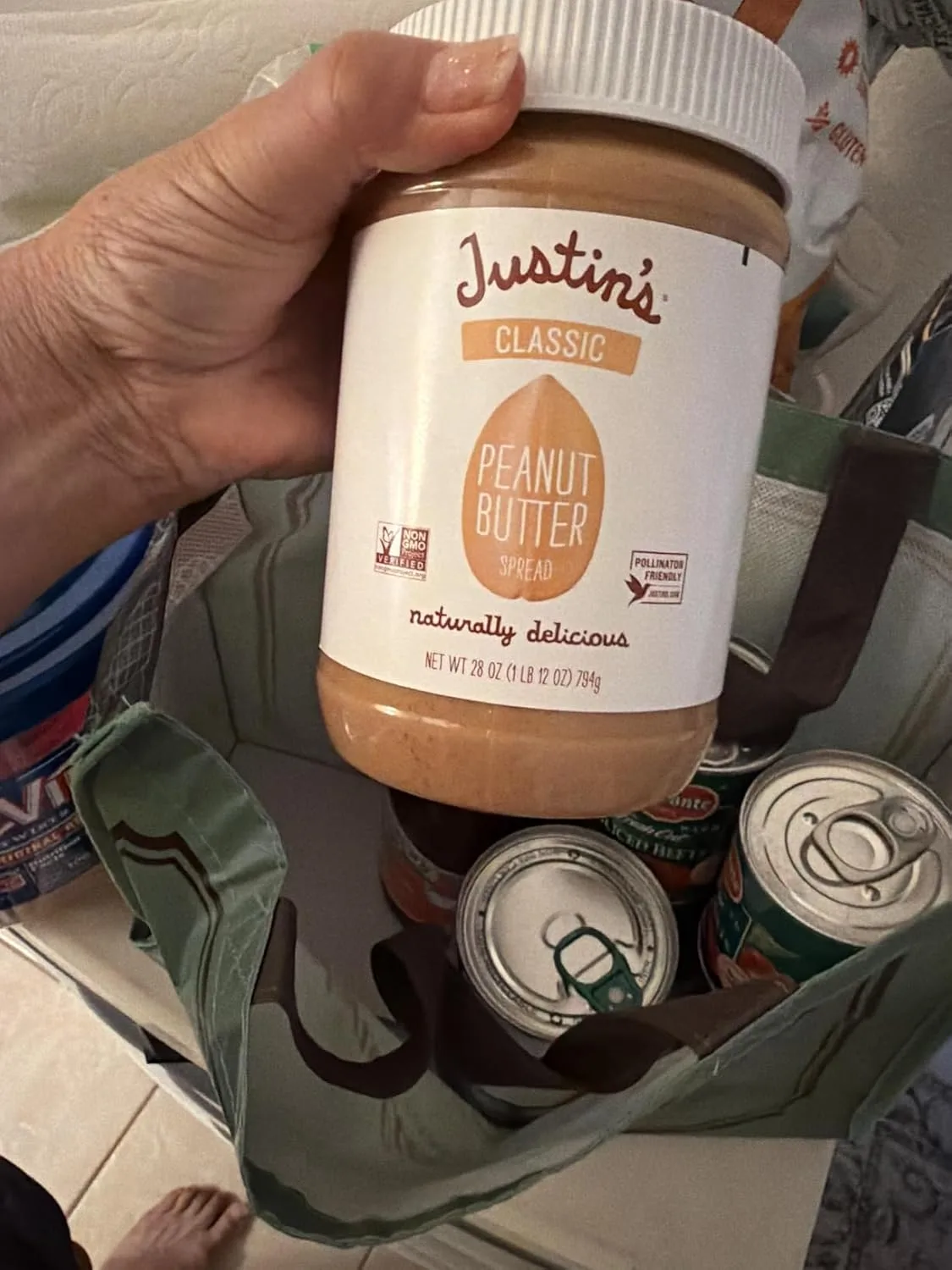
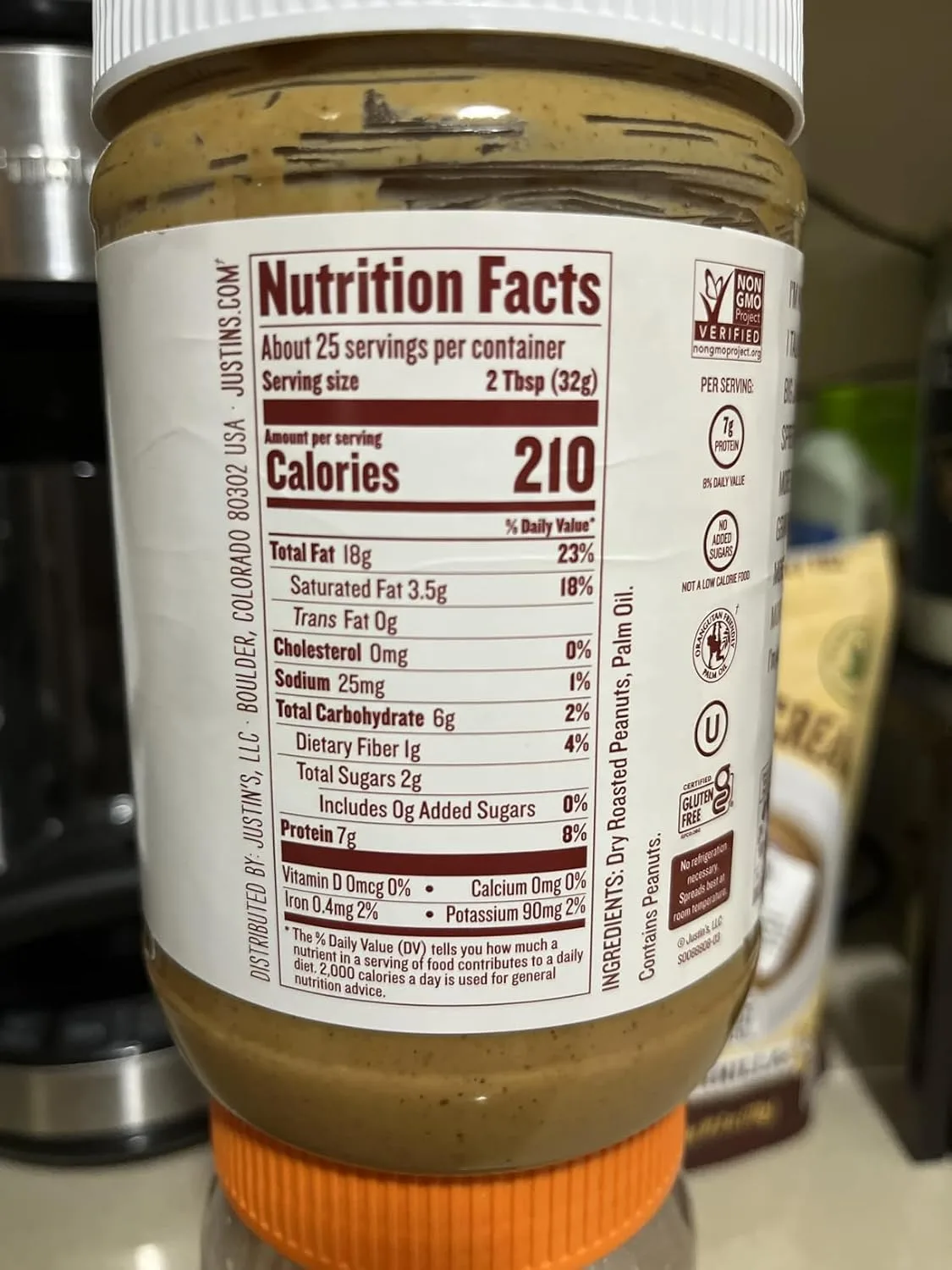
I almost abandoned my batch five when the dough felt slightly off, and I genuinely wondered if the peanut butter was the culprit—until I realized it was just my impatience and inconsistent scooping. Get Justin’s Classic Peanut Butter Creamy Spread and stop second-guessing yourself mid-test.
This post contains affiliate links. As an Amazon Associate, I earn from qualifying purchases at no extra cost to you.
So Which One Should You Actually Use?
Here’s my honest verdict: it depends entirely on what you’re after. If you want consistency, predictability, and a more delicate cookie, smooth peanut butter is your answer. If you want pronounced peanut flavor, textural interest, and that classic peanut butter cookie bite, chunky is non-negotiable.
My personal preference? I now keep both on hand. I use smooth peanut butter for recipes where I want the peanut flavor to be a supporting character—like when I’m adding chocolate chips or other add-ins. I use chunky when peanut butter is the star of the show and I want every bite to remind you of that.
The real lesson from my six-batch marathon is this: your choice matters. It’s not a casual substitution. Treat it like the variable it is, and your cookies will be all the better for it.
This post contains affiliate links. As an Amazon Associate I earn from qualifying purchases at no extra cost to you.
Justin’s Classic Peanut Butter Creamy Spread
I used this through every test batch and never had to stir or adjust—the texture stayed put.
Check Price on Amazon →