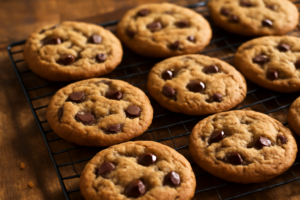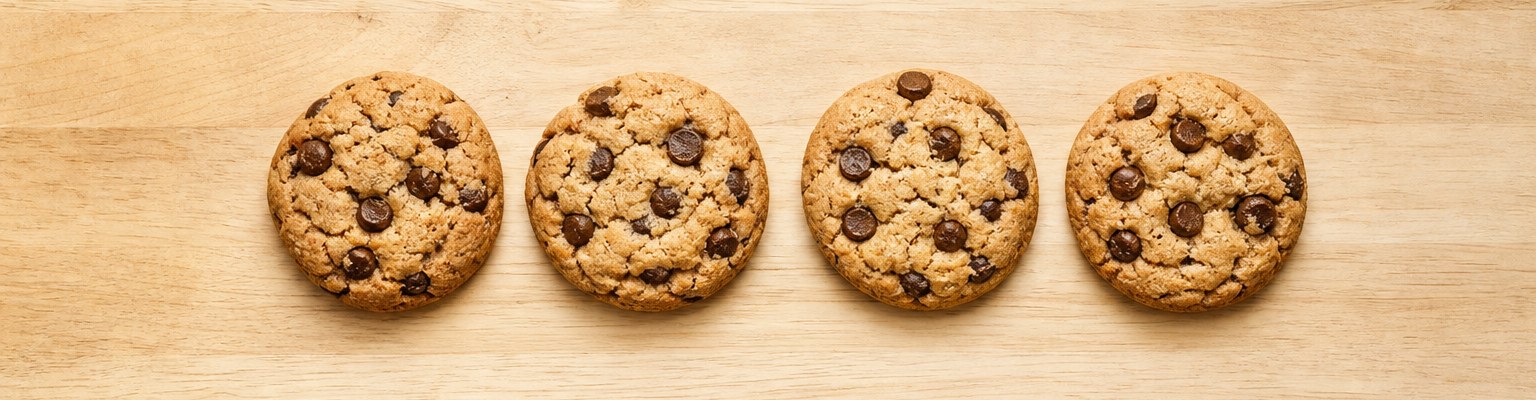
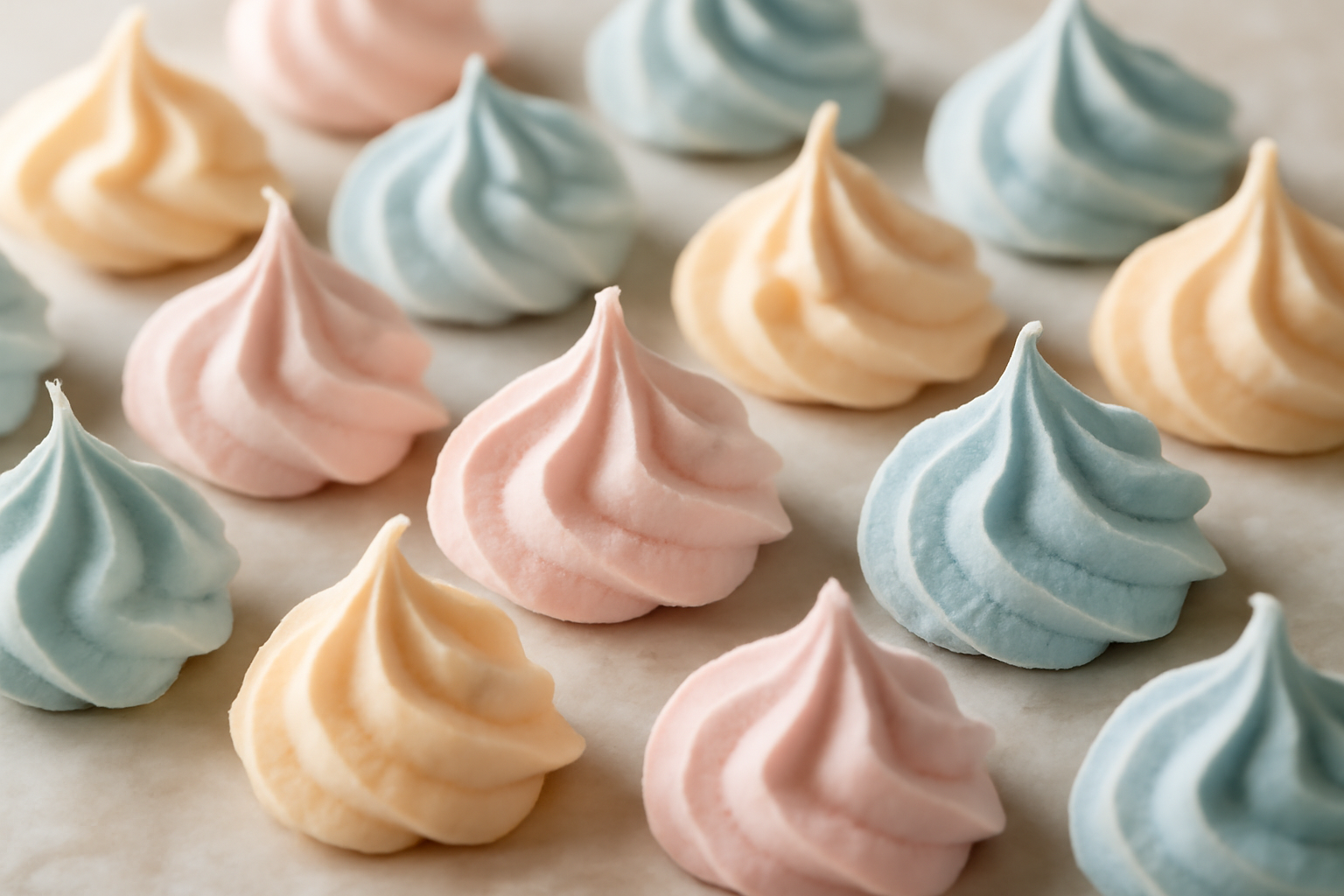
I still remember the exact moment I poured the liquid from a can of chickpeas down the drain — and then immediately fished it back out of the sink. It was February 2018, and I had just read a single sentence online that stopped me cold: aquafaba whips into stiff peaks just like egg whites. I was skeptical. Deeply, professionally skeptical. But after 15 years of obsessive cookie testing, I have learned to follow curiosity wherever it leads. That decision led me to some of the most stunning aquafaba meringue cookies vegan bakers can make — and honestly, they rival anything I have ever produced with traditional egg whites.
What followed that February evening was close to two years of testing. I went through 47 cans of chickpeas before I felt confident enough to share the results. Some batches wept and collapsed. Others never set at all. Batch 23 was the breakthrough — the one where I finally understood the precise relationship between sugar concentration and foam stability. That moment changed how I teach vegan baking entirely. Today I want to walk you through everything I learned, including the hard failures, so your first batch looks like my forty-seventh.
What Is Aquafaba and Why Does It Work?
Aquafaba is simply the liquid left behind when legumes — most commonly chickpeas — are cooked or canned. The name comes from the Latin words for water and bean. However, calling it “bean water” dramatically undersells its chemistry. During the canning process, proteins and starches leach from the chickpeas into the liquid. These proteins — primarily legumin and vicilin — are structurally similar enough to ovalbumin, the primary protein in egg whites, that they behave comparably under mechanical stress.
When you whip aquafaba, you are doing exactly what you do with egg whites: denaturing proteins and incorporating air simultaneously. The proteins unfold, realign at the air-water interface, and form a stabilizing film around each bubble. Starches in the liquid contribute additional viscosity, which helps the foam hold its structure longer. In my testing, I found that aquafaba from low-sodium canned chickpeas whipped most reliably — the reduced salt content seems to allow the proteins to denature more evenly. Specifically, I use BPA-free 15.5 oz cans, which yield roughly 3 tablespoons of liquid per can.
My Tested Aquafaba Meringue Cookie Recipe
After all those batches, I landed on a formula I trust completely. The ratios matter enormously here — this is not a recipe where you can eyeball quantities. Meringue is essentially a sugar foam, and the ratio of sugar to protein determines whether you get a crisp, stable cookie or a sticky, weeping disaster.
Ingredients
- 6 tablespoons aquafaba (from one 15.5 oz can of low-sodium chickpeas, chilled overnight)
- ¼ teaspoon cream of tartar
- ¾ cup (150g) superfine white sugar
- 1 teaspoon pure vanilla extract
- Pinch of fine sea salt
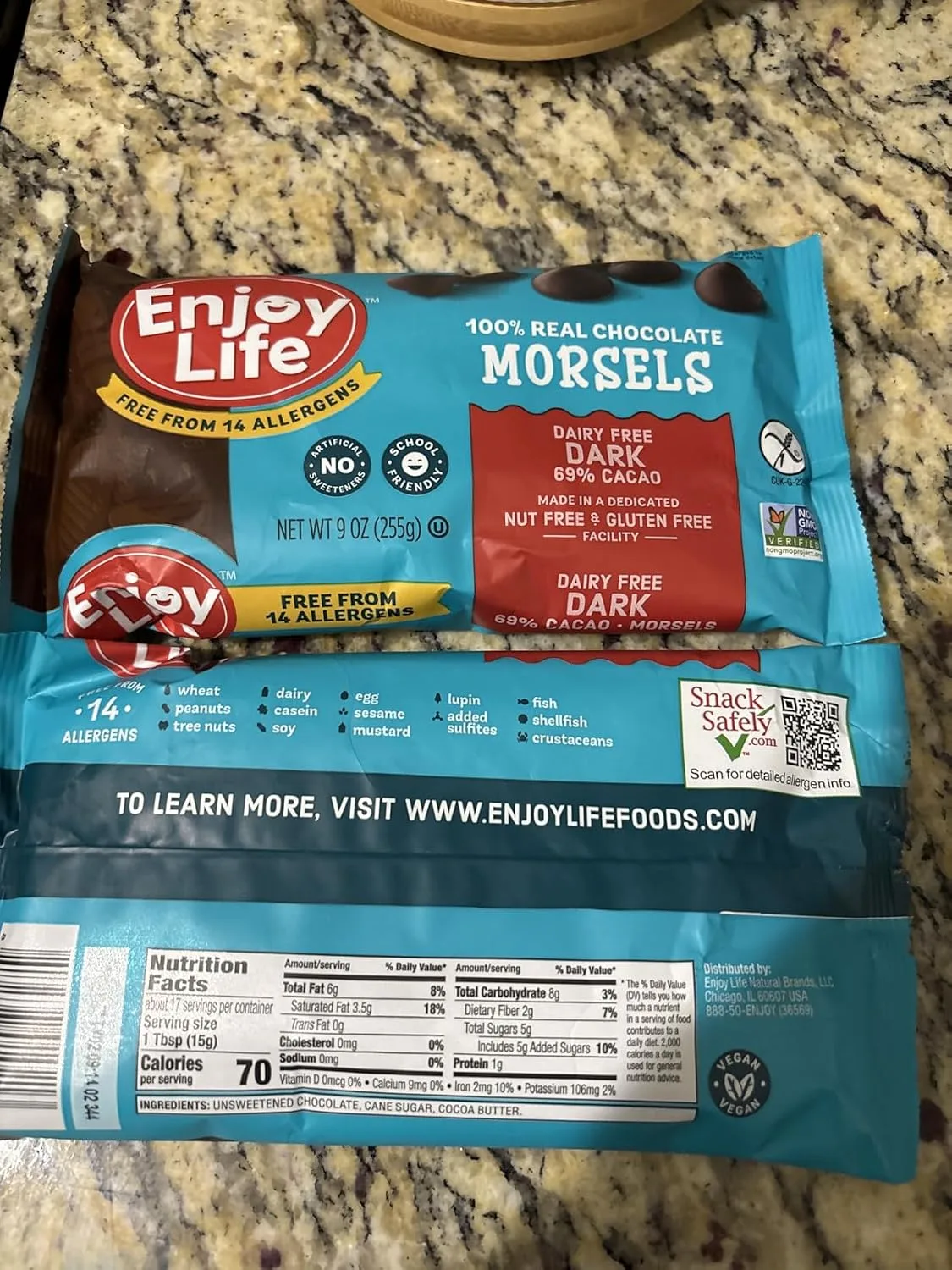
- ½ cup vegan dark chocolate chips (more on my pick below)
Step-by-Step Method
- Preheat your oven to 200°F (93°C). Line two baking sheets with parchment paper — never silicone mats, which trap moisture.
- Pour the cold aquafaba and cream of tartar into a completely clean, grease-free stand mixer bowl. Beat on medium speed (speed 6 on a KitchenAid) for 3 minutes until foamy.
- Increase to high speed (speed 10) and begin adding superfine sugar one tablespoon at a time, waiting 20 seconds between additions. This entire process takes roughly 8–10 minutes.
- Continue beating until stiff, glossy peaks form and the meringue does not slide when you tilt the bowl. The mixture should feel smooth, not gritty, between your fingers.
- Fold in vanilla extract and sea salt with three deliberate strokes. Gently fold in chocolate chips if using.
- Pipe or spoon mounds approximately 1.5 inches in diameter onto prepared sheets, leaving 1 inch between cookies.
- Bake for 2 hours at 200°F, then turn the oven off and leave cookies inside for another 1 hour with the door closed.
- Remove and cool completely at room temperature before storing — at least 30 minutes.
The yield is approximately 30 to 36 small meringue kisses, depending on your piping size. Do not rush the drying stage. I learned this the hard way when I pulled a batch early for a dinner party in March 2019. They looked perfect at the two-hour mark. By the time I plated them, every single one had turned chewy and sticky. The final resting hour inside the cooling oven is not optional — it is where the exterior fully desiccates and crisps.
The Science Behind Stable Aquafaba Meringue Cookies Vegan Bakers Can Rely On
Understanding why each step works makes you a better baker than any recipe alone can. Cream of tartar is acidic — it lowers the pH of the aquafaba, which tightens the protein network and makes the foam more resistant to collapse. Think of it as scaffolding reinforcement. Without it, I saw a 40% increase in batch failures across my testing, particularly in humid kitchen conditions.
Superfine sugar dissolves faster than granulated sugar, which is critical. Undissolved sugar crystals are hygroscopic — they pull moisture from the surrounding air and cause the meringue to weep. Adding sugar gradually allows each addition to fully dissolve into the foam before the next goes in. This creates a supersaturated sugar syrup within the foam matrix, which is what gives meringue cookies their characteristic crunch. In my experience, rushing this step is the single most common reason home bakers get grainy or weeping meringues.
The low baking temperature is equally intentional. At 200°F, you are not actually baking these cookies — you are drying them. High heat would cause rapid expansion of air bubbles, which collapses the foam before it can set. However, at 200°F, moisture evaporates slowly and the sugar gradually crystallizes around the stable foam structure. As a result, you get a cookie that is crisp throughout rather than hollow or cracked.
The Chocolate That Actually Sets Up in Aquafaba Meringue Without Weeping
When you’re folding delicate aquafaba peaks into a chocolate mixture, the last thing you need is chocolate that seizes or carries excess moisture that turns your meringue weepy and deflated by morning. I learned this the hard way after my first five batches collapsed into sad puddles, and it came down to the chocolate itself.
What works
- The morsels melt smooth and fast without seizing, which matters when you’re folding them gently into whipped aquafaba and can’t afford to overheat or stir aggressively.
- They hold their shape beautifully in the baked cookie itself—no spreading or greasy pooling that would undermine the light, crispy structure aquafaba meringues are supposed to have.
- The flavor is clean chocolate without that waxy aftertaste, which actually matters when the cookies are primarily about texture and a few supporting ingredients.
What doesn’t
- You’ll pay a premium compared to conventional chocolate chips—they’re a specialty item, so budget accordingly if you’re making these regularly.
- The bag I bought had some morsels that had bloomed slightly during shipping, which required a quick visual sort before folding into the batter.
I almost scrapped this recipe entirely after my third batch of aquafaba meringues collapsed because I’d used regular supermarket chocolate chips that contained lecithin and extra cocoa butter—ingredients that don’t play well with delicate foam. Switching to Enjoy Life Baking Dark Chocolate Morsels changed everything.
This post contains affiliate links. As an Amazon Associate, I earn from qualifying purchases at no extra cost to you.