
Cardamom transforms ordinary cookies into extraordinary treats that captivate your senses with their warm, aromatic essence. This distinctive spice brings a complex flavor profile that combines citrusy brightness with subtle floral notes and gentle heat. Moreover, cardamom cookies offer a delightful departure from traditional chocolate chip or sugar cookies.
The magic of cardamom lies in its ability to elevate simple ingredients into something truly special. Furthermore, these cookies strike the perfect balance between exotic sophistication and comforting familiarity. When you bite into a properly made cardamom cookie, the spice releases its essential oils and creates an unforgettable taste experience.
Understanding Cardamom’s Unique Character
Cardamom pods contain tiny black seeds that house the spice’s most potent flavors. Source Additionally, freshly ground cardamom delivers significantly more impact than pre-ground versions found in most grocery stores.
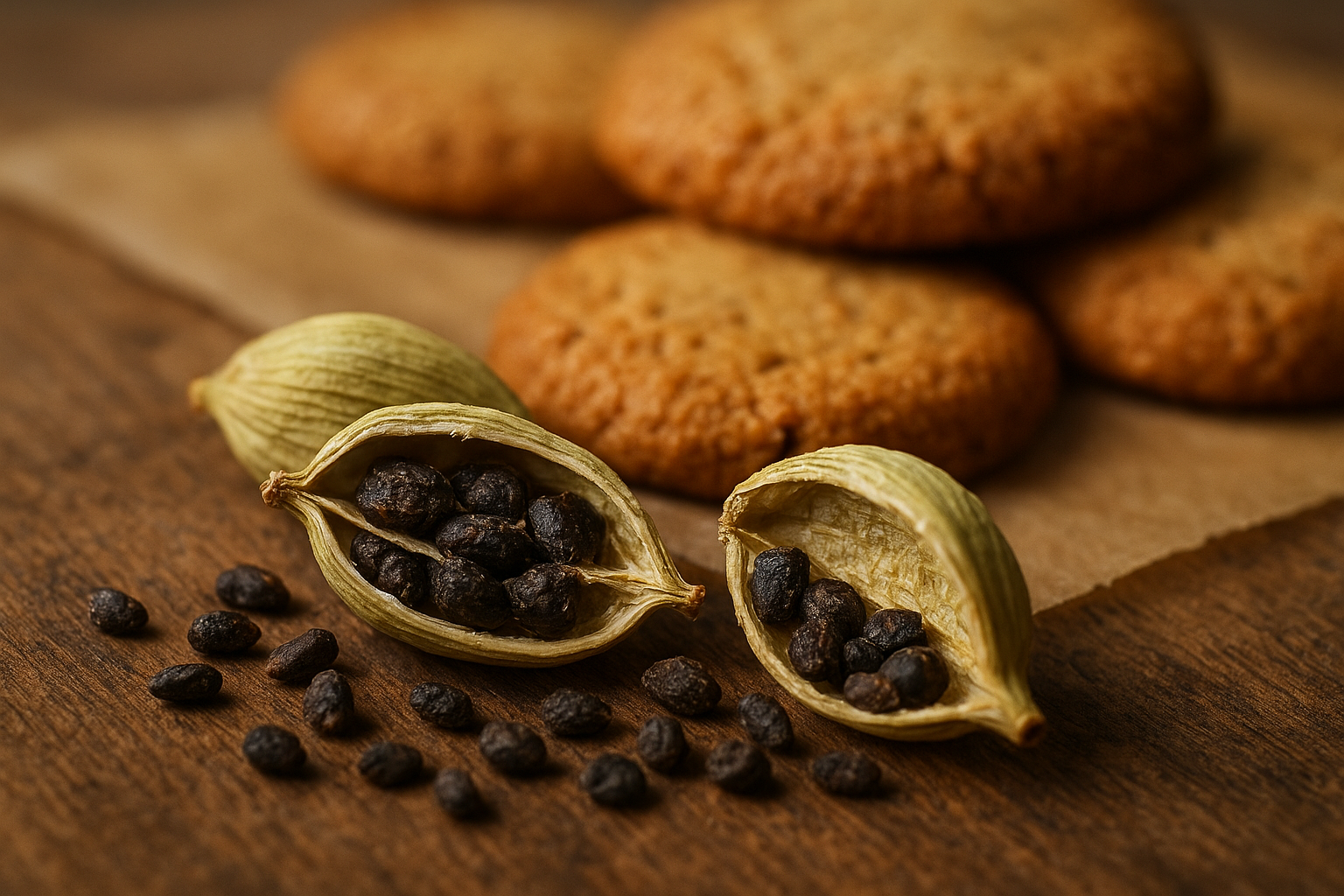
The spice originates from the mountains of southern India and has been prized for centuries in both sweet and savory applications. However, many home bakers overlook its potential in Western-style cookies and desserts. Consequently, cardamom cookies remain a hidden gem that can surprise and delight anyone who tries them.
Green cardamom pods offer the most delicate and complex flavor for baking purposes. In contrast, black cardamom provides a smokier, more intense taste that works better in savory dishes. Therefore, selecting the right variety makes a significant difference in your final results.
The Perfect Cardamom Cookie Recipe
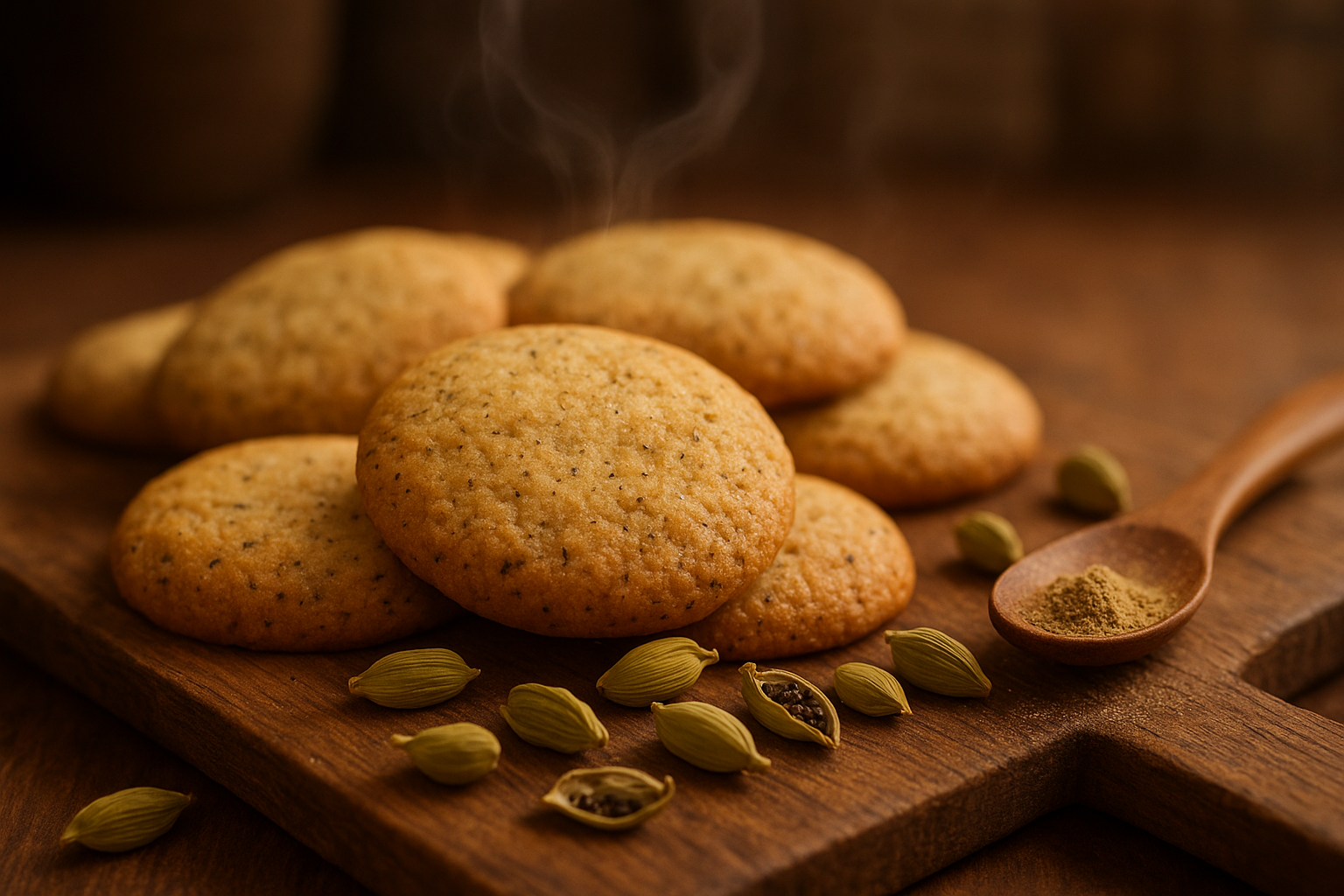
This recipe creates tender, buttery cookies with a sophisticated flavor that improves with each bite. Furthermore, the technique ensures consistent results while maximizing the cardamom’s aromatic potential.
Classic Cardamom Butter Cookies
Crafting the perfect cardamom cookie begins with understanding the role each ingredient plays, transforming a simple list into a symphony of flavors and textures. Here’s a deeper dive into the essential components that make these cookies truly special:
- Flour – The Foundation of Structure:
- 2 cups all-purpose flour: This versatile flour provides the necessary structure without making the cookies overly tough. When measured correctly (spooned into a measuring cup and leveled off, rather than scooping directly), it ensures a tender, crumbly texture. Its moderate protein content allows for just enough gluten development to hold the cookie together, but not so much that it becomes chewy, preserving that desirable melt-in-your-mouth quality.
- Tip: Sifting your flour before measuring can help aerate it, leading to a lighter, more delicate cookie.
- Butter – For Richness and Tenderness:
- 1 cup unsalted butter, softened: The choice of unsalted butter is crucial as it gives you precise control over the salt content in your recipe. “Softened” means the butter should be pliable, yielding slightly when pressed, but not melted or greasy. This state is vital for proper creaming with sugar, which incorporates air into the mixture, resulting in lighter, more tender cookies.
- How to soften: Leave butter at room temperature for 30-60 minutes, or microwave for 10-15 seconds at a time until just softened. Avoid fully melting it, as this will negatively impact the cookie’s texture.
- Sugars – A Duo for Sweetness and Texture:
- 2/3 cup granulated sugar: This common sugar contributes sweetness and helps with the cookie’s spread and crispness around the edges during baking. It also aids in caramelization, giving the cookies a lovely golden hue.
- 1/4 cup powdered sugar (confectioners’ sugar): The addition of powdered sugar is a secret weapon for tenderness. Unlike granulated sugar, it contains a small amount of cornstarch, which inhibits gluten development and contributes to an incredibly delicate, almost crumbly texture that melts in your mouth. It also helps create a smoother, more cohesive dough.
- Egg Yolk – The Binder of Richness:
- 1 large egg yolk: Using just the yolk, rather than a whole egg, is a deliberate choice for enhanced richness and tenderness. The fat in the yolk adds moisture and acts as an emulsifier, binding the ingredients together beautifully. By omitting the egg white, we prevent the cookies from becoming too chewy or dry, maintaining their delicate structure.
- Cardamom – The Heart of the Flavor:
- 2 teaspoons freshly ground cardamom: This is the star of the show, and the emphasis on “freshly ground” cannot be overstated. Cardamom, particularly green cardamom pods, boasts a complex, aromatic profile – bright, citrusy, floral, and subtly spicy, with warm undertones. Pre-ground cardamom often loses much of its potency and nuanced flavor.
- For best results: Purchase whole green cardamom pods. Crack them open, extract the small black seeds, and grind them just before use with a mortar and pestle or a dedicated spice grinder. This ensures the most vibrant and fragrant cookies possible.
- Vanilla Extract – The Flavor Enhancer:
- 1/2 teaspoon vanilla extract: While cardamom leads the flavor, vanilla extract plays a crucial supporting role. It deepens and rounds out the overall flavor profile, adding a warm, familiar note that complements the exotic cardamom without overpowering it. Always opt for pure vanilla extract for the best taste.
- Salt – The Flavor Balancer:
- 1/4 teaspoon salt: Often overlooked, salt is an indispensable ingredient in baking. It doesn’t just add a salty taste; it enhances all other flavors, particularly the sweetness and the intricate notes of the cardamom. It balances the sweetness, preventing the cookies from tasting flat or one-dimensional.
- Heavy Cream – For Moisture and Smoothness:
- 2 tablespoons heavy cream: This rich addition provides extra moisture and fat, contributing to a wonderfully tender crumb and a luxurious mouthfeel. It helps bring the dough together, making it more pliable and easier to work with, ensuring your cookies are neither dry nor crumbly.
- Coarse Sugar – The Finishing Touch (Optional):
- Coarse sugar for rolling: While optional, rolling the cookie dough in coarse sugar (such as turbinado or demerara sugar) before baking adds a delightful textural contrast. The large crystals provide a satisfying crunch and a beautiful sparkle, elevating the cookies’ visual appeal and making them even more enticing. It’s a simple step that adds a touch of gourmet elegance.
Let’s delve deeper into crafting those exquisite cardamom cookies, transforming simple instructions into a masterclass of baking.
Unlocking the Magic of Cardamom Cookies: A Detailed Guide
The journey to perfect cardamom cookies begins with understanding the nuances of each step. Here’s how to elevate your baking experience:
1. The Heart of the Flavor: Freshly Ground Cardamom
- Source the Best: Always opt for green cardamom pods over black. Green pods offer a brighter, more floral, and citrusy aroma, which is the hallmark of these delicate cookies. Black cardamom has a smokier, more camphor-like flavor that isn’t suitable here.
- Quantity & Preparation: For 15-20 green pods, you’re typically aiming for about 1.5 to 2 teaspoons of freshly ground spice.
- Method 1: Mortar and Pestle: This traditional method gently releases the oils, resulting in a more potent flavor. Lightly crush the pods to split them open, then pick out the tiny, sticky black seeds. Discard the fibrous green husks. Grind the seeds until they form a fine powder.
- Method 2: Spice Grinder: If using an electric spice grinder (a dedicated coffee grinder works wonders here), ensure it’s clean and free of other spice residues. Grind the seeds (removed from pods) in short bursts to prevent overheating, which can dull the flavor. Aim for a consistency as fine as possible, almost like flour.
- Why Freshly Ground? Pre-ground cardamom loses its volatile oils and potency quickly. Grinding just before use ensures the most vibrant, aromatic essence permeates your cookies, making all the difference in flavor.
2. The Foundation: Creaming Butter and Sugar
- Butter Temperature is Key: Your butter must be softened, but not melted. This means it should yield slightly when pressed, but still hold its shape. Cold butter won’t cream properly, and melted butter will lead to a greasy, dense cookie.
- The “Light and Fluffy” Goal: Using a stand mixer with a paddle attachment or a hand mixer, beat the softened butter with both granulated and any specified additional sugars (like light brown or caster) on medium-high speed.
- Visual Cues: Watch for the mixture to transform from a dense yellow to a pale, almost white color. It will also significantly increase in volume and become visibly aerated, resembling a fluffy cloud. This process, taking 3-4 minutes, is crucial for incorporating air, which gives the cookies their tender, melt-in-your-mouth texture.
- Scrape Down: Don’t forget to periodically scrape down the sides of the bowl to ensure all ingredients are evenly incorporated.
3. Enriching the Dough: The Wet Ingredients
- Egg Yolk Advantage: Using only an egg yolk provides richness and tenderness without adding excess moisture that a whole egg might. This contributes to a chewier texture and a more delicate crumb. Ensure the yolk is at room temperature for seamless incorporation.
- Vanilla’s Role: A good quality vanilla extract complements the cardamom, adding depth and warmth without overpowering it.
- Heavy Cream for Tenderness: The addition of heavy cream (or full-fat cream) introduces extra fat and moisture, resulting in a wonderfully tender cookie with a slightly chewier bite. Beat these ingredients into the creamed butter mixture until everything is just combined and smooth. Avoid overmixing at this stage.
4. The Dry Blend: Flour, Spice, and Salt
- Separate Whisking: Combine your all-purpose flour, the freshly ground cardamom, and salt in a separate bowl. Whisking them together thoroughly ensures that the cardamom and salt are evenly distributed throughout the dough. This prevents pockets of unmixed flour or uneven seasoning, guaranteeing consistent flavor in every bite.
- Salt’s Importance: Don’t skip the salt! It balances the sweetness and enhances the complex flavors of the cardamom, bringing out its aromatic qualities.
5. Gentle Integration: Combining Wet and Dry
- Gradual Addition: Add the dry ingredients to the butter mixture in two or three batches. Start on low speed with your mixer, or use a spatula, to avoid a “flour explosion” and ensure smooth incorporation.
- The “Just Combined” Rule: Mix only until the flour streaks have disappeared and the dough just comes together. Overmixing at this stage develops the gluten in the flour, leading to tough, less tender cookies. A slightly shaggy dough is perfectly fine; it will finish mixing as you shape it.
6. The Chill Factor: Shaping and Resting
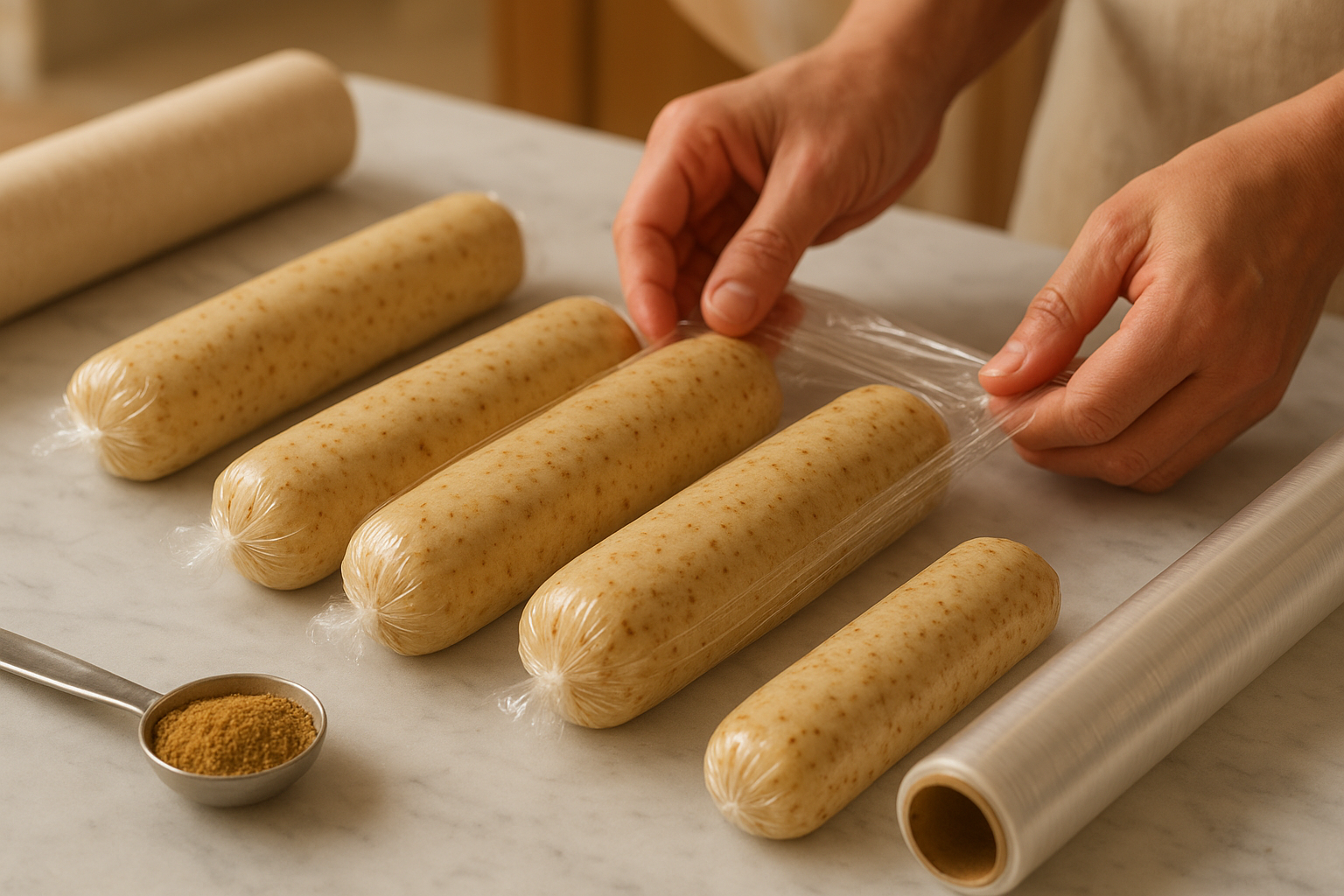
- Shaping the Log: Transfer the dough onto a piece of plastic wrap. Gently form it into a compact log, about 1.5 to 2 inches in diameter. Aim for a consistent thickness along the entire log for uniform cookie sizes.
- The Power of Chilling: This step is non-negotiable for several reasons:
- Flavor Development: The flavors in the dough meld and deepen over time.
- Firming the Butter: Chilling solidifies the butter, which prevents the cookies from spreading excessively in the oven, ensuring they hold their shape beautifully.
- Easier Slicing: A firm log is much easier to slice into clean, even rounds.
- Minimum vs. Optimal: While 2 hours is the minimum, chilling the dough overnight yields superior results in both flavor and texture.
7. Oven Prep: Heat and Protection
- Accurate Temperature: Preheat your oven to 350°F (175°C) well in advance. Ovens can fluctuate, so giving it time to reach and stabilize at the correct temperature is crucial for even baking.
- Parchment Paper’s Role: Line your baking sheets with parchment paper or silicone baking mats. This provides a non-stick surface, prevents scorching on the bottom of the cookies, and ensures easy cleanup. It also helps with even heat distribution.
8. Slicing and Spacing: Precision Matters
- Consistent Slices: Using a sharp knife or even unflavored dental floss, slice the chilled dough log into uniform 1/4-inch thick rounds. Consistency is key for even baking; thinner slices will burn, thicker ones will be undercooked.
- Proper Spacing: Place the cookie rounds about 1-2 inches apart on the prepared baking sheets. While these cookies don’t spread excessively, giving them room ensures even heat circulation and prevents them from baking into each other.
9. The Sweet Finish: Coarse Sugar Roll (Optional)
- Texture and Sparkle: For an extra layer of sweetness and a delightful textural contrast, roll the individual cookie rounds in coarse sugar (such as Turbinado, demerara, or sanding sugar) before baking. This creates a beautiful sparkling edge and a satisfying crunch. This step should be done just before placing them on the baking sheet for baking.
10. The Bake: Visual Cues for Perfection
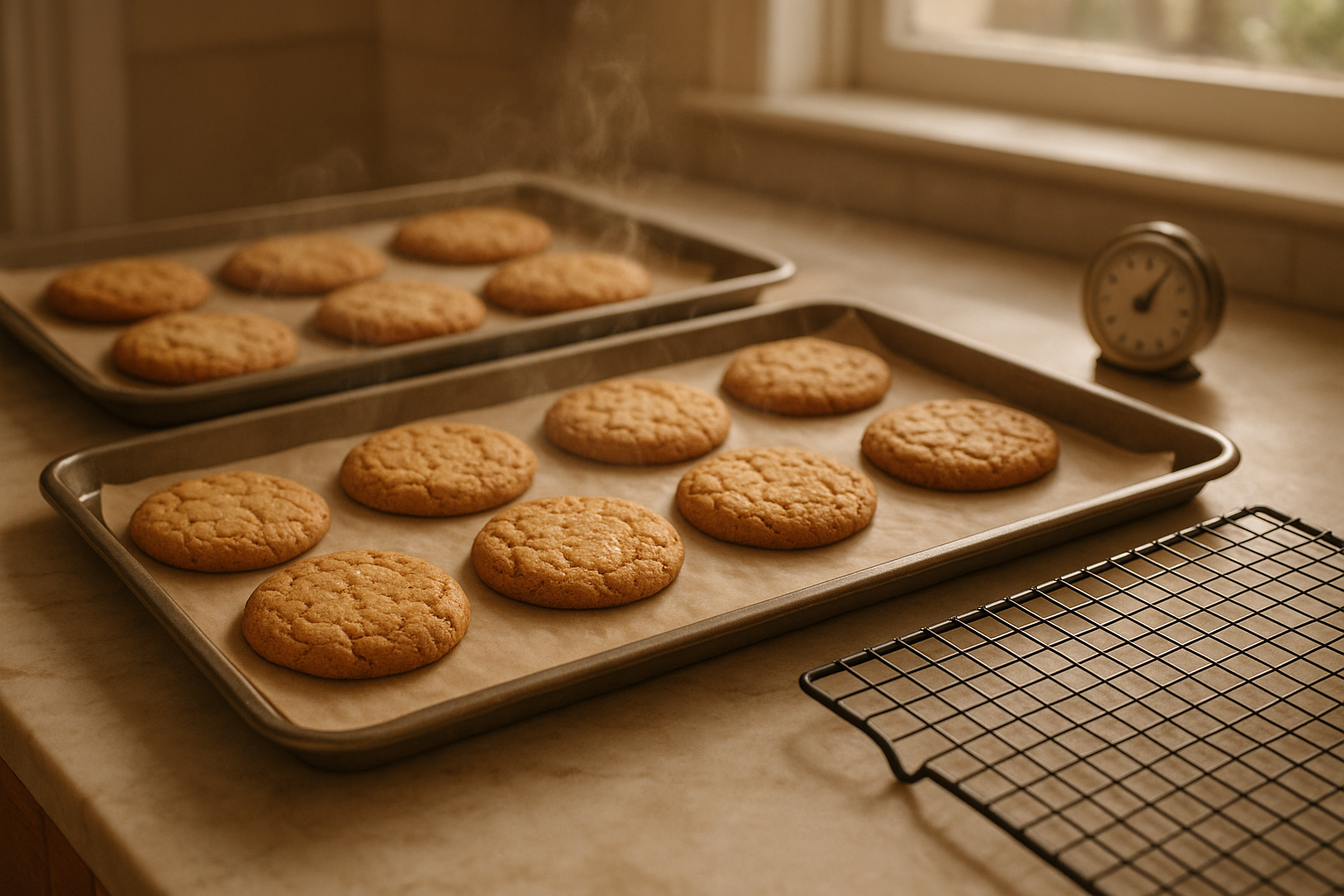
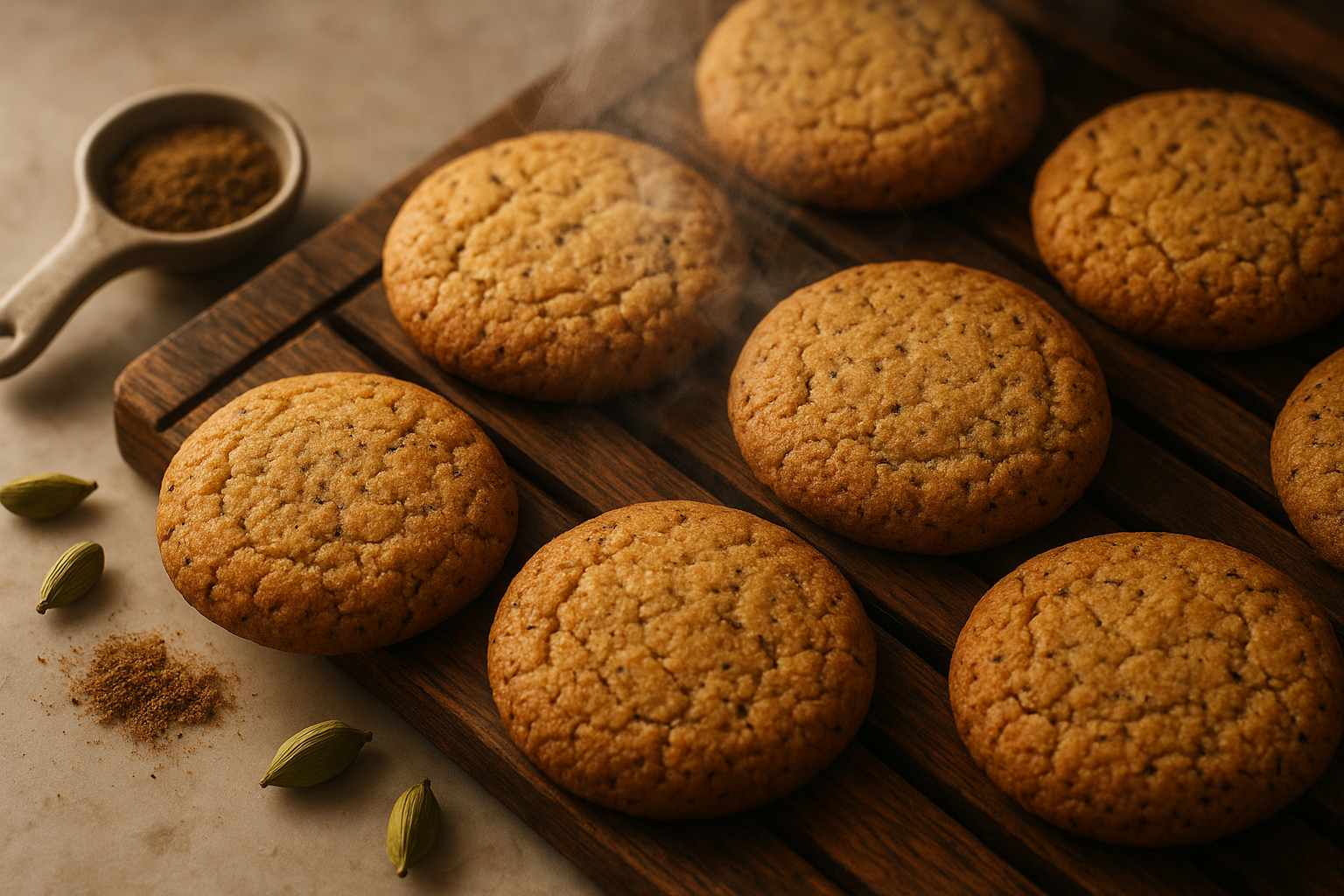
- Doneness Indicators: Bake for 12-15 minutes. Look for the edges to turn a light golden brown, while the centers still appear slightly soft and pale. The residual heat will continue to cook them as they cool.
- Avoid Overbaking: Overbaking will result in dry, crumbly cookies that lose their tender chewiness. If your oven has hot spots, rotate the baking sheets halfway through baking for even results.
11. The Cool Down: Setting and Finishing
- Initial Rest: Allow the cookies to cool on the baking sheets for about 5 minutes. They are delicate when hot and can break easily. This brief rest allows them to firm up slightly and continue to set.
- Wire Rack Transfer: Gently transfer the partially cooled cookies to a wire rack to cool completely. This prevents the bottoms from becoming soggy due to trapped steam and ensures they cool evenly, maintaining their crisp edges and tender centers.
- Storage: Once fully cooled, store your cardamom cookies in an airtight container at room temperature for up to a week, though they rarely last that long!
Mastering the Cardamom Preparation
The Art of cardamom Selection: Your Foundation for Success
When shopping for cardamom, quality matters more than quantity. Here’s what to look for at the spice market or grocery store:
Visual Inspection Checklist:
- Vibrant green color – avoid pods that appear yellowish, brown, or bleached
- Intact pod structure – no visible cracks, splits, or damaged areas
- Uniform size – select pods that are consistently plump and well-formed
- Fresh appearance – pods should look recently harvested, not dried out or shriveled
The Weight Test: A Professional Baker’s Secret
Hold a few pods in your palm and feel their weight. Premium cardamom pods should feel surprisingly heavy for their small size, indicating:
- High oil content – the source of cardamom’s distinctive flavor
- Fresh seeds inside – older pods often contain dried, less potent seeds
- Proper storage – well-maintained spices retain their density and moisture
Mastering the Pod-Cracking Technique
The extraction process requires a gentle but decisive approach. Here are three proven methods:
Method 1: The Flat Knife Technique
- Place pods on a cutting board
- Lay the flat side of a chef’s knife over the pods
- Apply gentle pressure until you hear a soft crack
- Seeds will be partially exposed and easy to remove
Method 2: The Mortar and Pestle Approach
- Use light, controlled pressure to avoid crushing the seeds
- Roll rather than pound to maintain seed integrity
- Perfect for small batches where precision matters
Method 3: The Fingernail Method
- Ideal for maintaining maximum flavor since no tools touch the seeds
- Pinch the pod at its natural seam
- Gently twist to reveal the aromatic black treasures inside
Why This Extra Effort Transforms Your Cookies
Fresh-cracked cardamom seeds release volatile oils immediately upon exposure to air. Pre-ground cardamom, even from reputable brands, loses these essential oils during processing and storage. The difference in your finished cookies will be:
- More complex flavor notes – from floral and citrusy to warm and slightly spicy
- Enhanced aroma – your kitchen will smell like a premium bakery
- Better texture integration – freshly ground seeds distribute more evenly in dough
Grinding cardamom requires patience and the right technique. Therefore, use a dedicated spice grinder or clean coffee grinder for the best results. Additionally, grinding small batches prevents the spice from becoming bitter or losing its delicate oils.
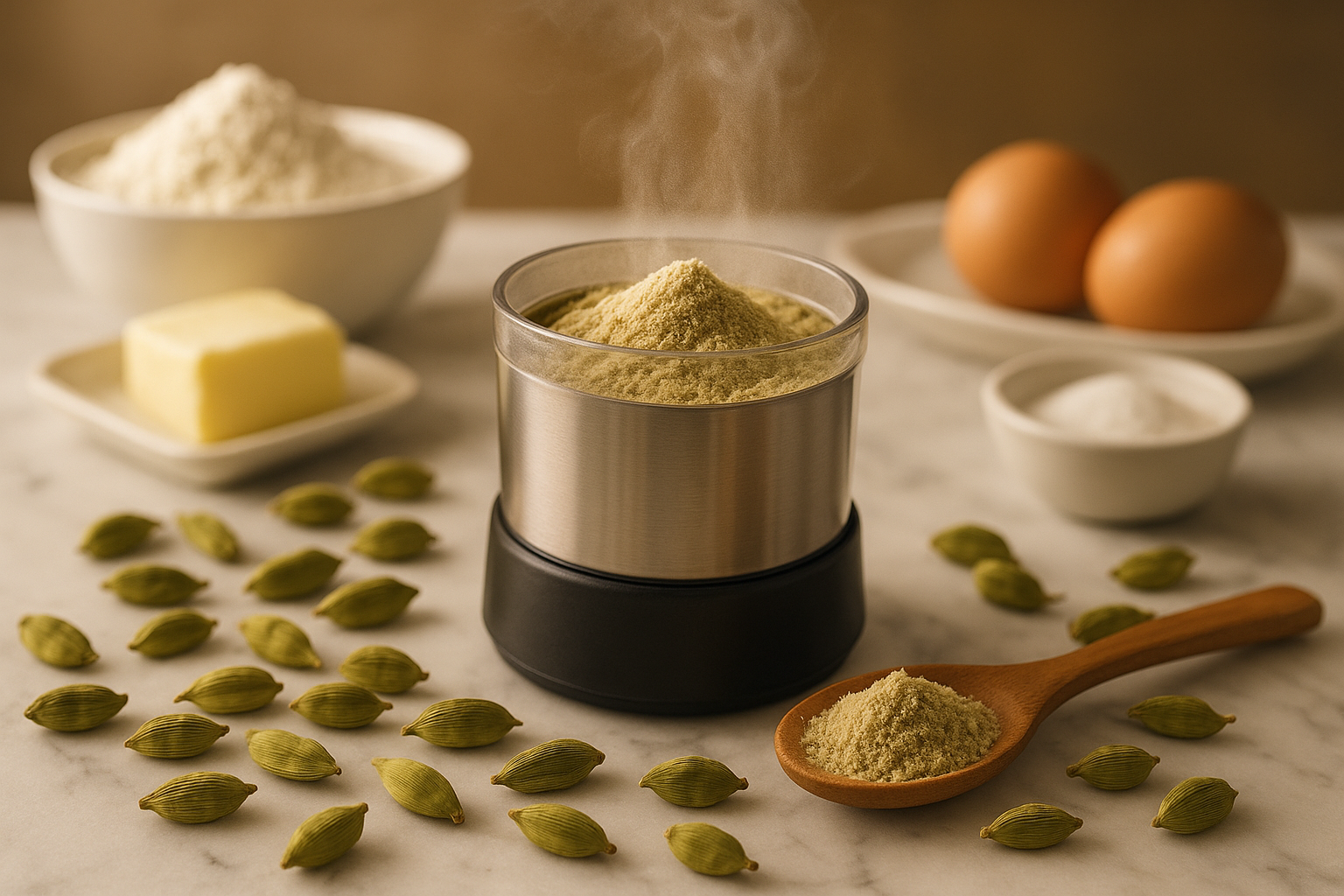
Some bakers prefer using a mortar and pestle for more control over the grinding process. However, this method requires more time and effort to achieve a fine, consistent powder. Nevertheless, hand-grinding can produce superior flavor when done correctly.
Essential Dough Chilling Techniques
Chilling cookie dough serves multiple important purposes beyond simple convenience. Moreover, cold dough holds its shape better during baking and prevents excessive spreading. The butter firms up during refrigeration, which creates a more controlled baking process.
Cardamom cookie dough benefits from extended chilling time, ideally overnight. Furthermore, longer chilling allows the spice flavors to meld and develop throughout the dough. This process creates more complex and well-rounded taste in the finished cookies.
Wrap dough logs tightly in plastic wrap to prevent them from absorbing refrigerator odors. Additionally, double-wrapping provides extra protection and maintains optimal moisture levels. Some bakers prefer using parchment paper as an inner layer for easier unwrapping.
Creative Variations and Flavor Combinations
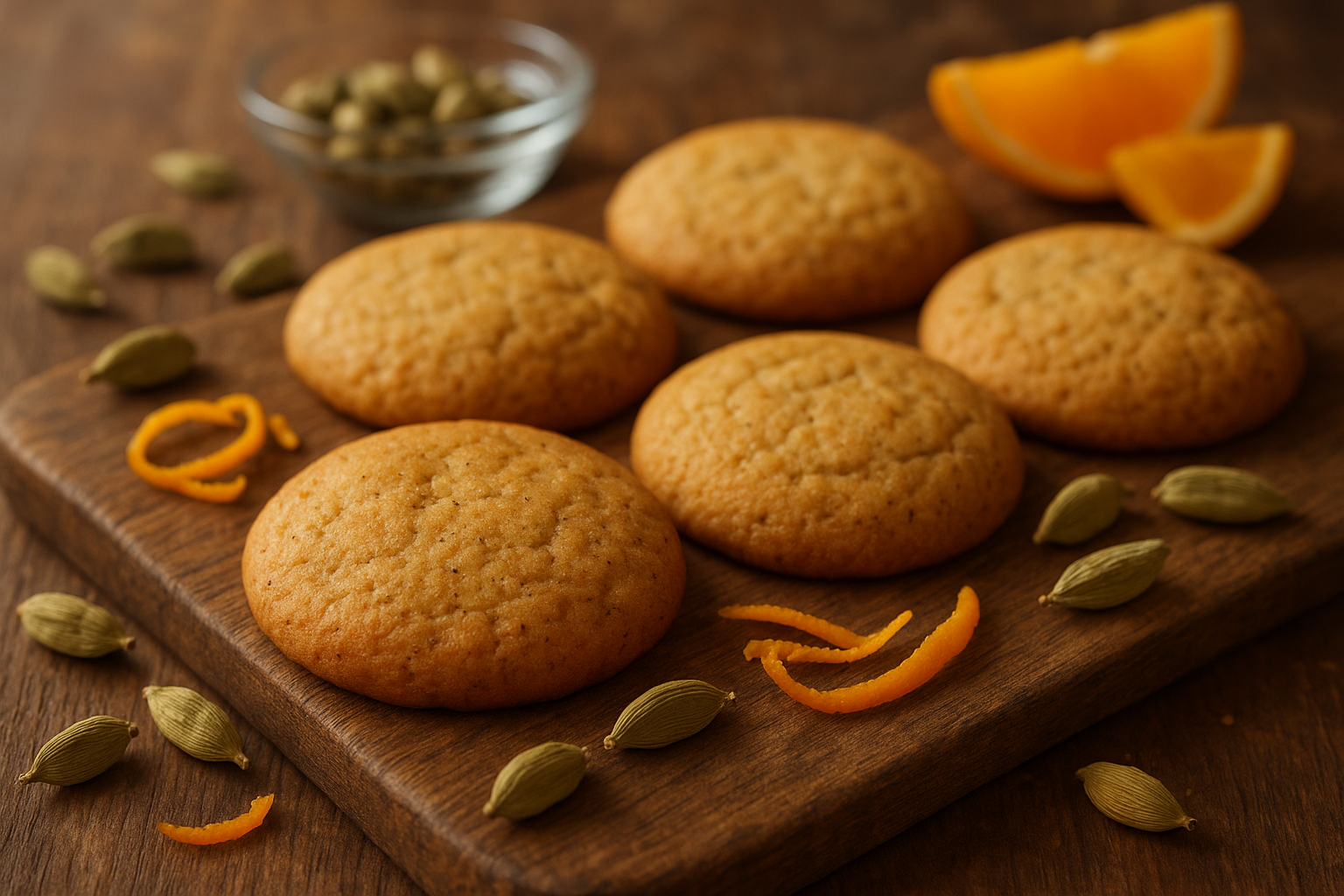
Cardamom pairs beautifully with numerous complementary flavors that can enhance your cookies. For instance, orange zest adds bright citrus notes that highlight cardamom’s natural brightness. Similarly, lemon zest creates a more subtle citrus enhancement that doesn’t overpower the spice.
Cardamom Orange Cookies
Ingredients:
- Base cardamom cookie recipe (above)
- Zest of 2 large oranges
- 1 tablespoon fresh orange juice
- Orange-flavored glaze (optional)
Instructions:
- Follow the base recipe, adding orange zest with the dry ingredients.
- Replace heavy cream with fresh orange juice for enhanced citrus flavor.
- Proceed with standard baking instructions.
- Drizzle with orange glaze after cooling for extra indulgence.
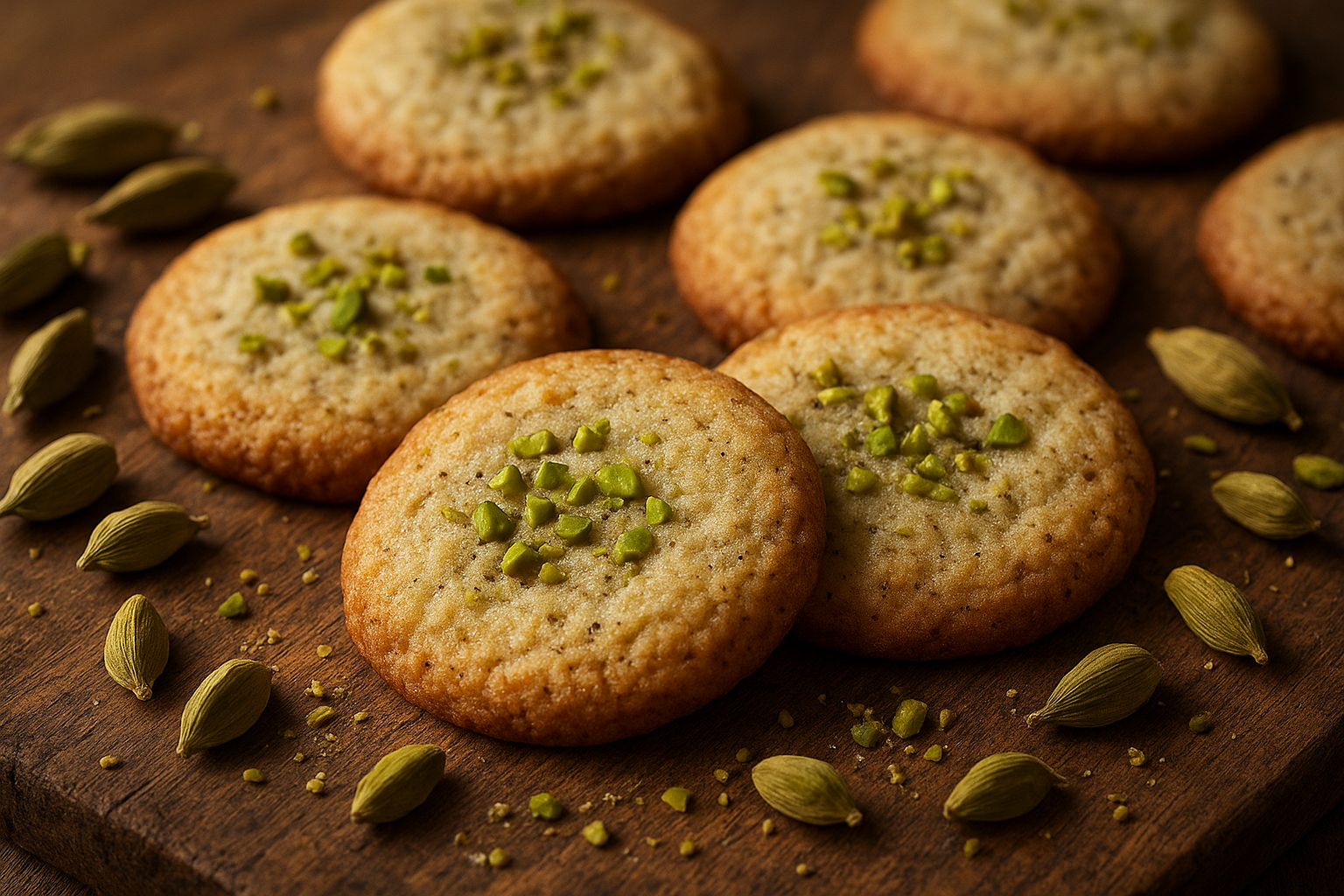
Pistachio nuts create another excellent pairing that adds both flavor and textural interest. Additionally, the nuts’ subtle sweetness complements cardamom’s complex spice profile perfectly. Chop pistachios finely and fold them into the dough during the final mixing stage.
The Art of Rose Water in Cardamom Cookies
When incorporating rose water into your cardamom cookie recipe, you’re venturing into the realm of Middle Eastern and Persian confectionery traditions where these two aromatic ingredients have danced together for centuries. The combination creates a sophisticated flavor profile that transforms ordinary cookies into something reminiscent of exotic bazaars and ancient spice routes.
Understanding Rose Water’s Intensity
Rose water possesses an incredibly concentrated floral essence that can shift from delicate and romantic to overpowering and soapy with just a few extra drops. This potency stems from the distillation process, where rose petals are steam-distilled to capture their essential oils and aromatic compounds.
Key considerations when working with rose water:
- Quality matters significantly – culinary-grade rose water from Middle Eastern markets often provides superior flavor
- Different brands vary dramatically in strength and purity
- Storage affects potency – properly stored rose water maintains its delicate balance longer
The Perfect Balance: A Step-by-Step Approach
1. Start Conservative Begin with exactly 1/2 teaspoon for a standard batch of 24-30 cookies. This modest amount allows the rose water to complement rather than compete with the warm, citrusy notes of cardamom.
2. Test and Taste After mixing your dough, pinch off a small portion and taste it. The rose flavor should whisper rather than shout – you want guests to pause and wonder about that mysterious, enchanting note.
3. Gradual Adjustments If the floral note feels too subtle, add rose water in 1/4 teaspoon increments, mixing thoroughly between additions. Remember that flavors often intensify during baking.
Signs You’ve Added Too Much
Watch for these warning signals that indicate rose water overload:
- The dough smells like perfume or soap
- The floral note masks the cardamom completely
- Tasters wrinkle their noses or comment on an artificial taste
- The aroma becomes cloying rather than inviting
Professional Tips for Rose Water Success
Timing matters: Add rose water to your wet ingredients rather than directly to flour, ensuring even distribution throughout the dough.
Temperature considerations: Rose water’s volatile compounds can dissipate with excessive heat, so avoid adding it to very warm mixtures.
Complementary ingredients: Consider pairing rose water cardamom cookies with:
- Chopped pistachios for textural contrast
- A light dusting of powdered sugar infused with additional cardamom
- Orange zest to bridge the floral and spice elements
The result of this careful balance creates cookies that transport your taste buds to Persian gardens and Moroccan patisseries, where the marriage of cardamom and rose has been perfected over generations.
Troubleshooting Common Baking Issues
The Science Behind Perfect Cardamom Cookie Texture
Gluten development is the culprit behind disappointing, chewy cardamom cookies. When flour proteins encounter moisture and agitation, they form elastic strands that create structure in bread but spell disaster for delicate cookies. Here’s what happens when you overmix:
Visual Cues to Stop Mixing
- Flour streaks disappear completely – this is your signal to immediately stop
- Dough begins to look smooth and elastic – you’ve gone too far
- Mixture starts pulling away from bowl sides – classic sign of overdevelopment
The Hand-Mixing Advantage
Manual mixing tools offer superior precision during the final incorporation stage:
- Wooden spoons provide gentle folding action that preserves delicate crumb structure
- Silicone spatulas allow you to scrape bowl sides while maintaining control
- Your hands give ultimate sensitivity to dough texture changes
Professional Baker Techniques
The fold-and-turn method works exceptionally well for cardamom cookies:
- Add flour mixture in three separate additions
- Use a cutting motion with your spatula rather than stirring
- Rotate the bowl quarter-turns between folds
- Stop the moment no dry flour pockets remain visible
Temperature Considerations
Room temperature ingredients mix more easily, reducing the temptation to overmix:
- Butter should yield slightly to finger pressure
- Eggs blend smoothly without extended beating
- Cold ingredients require more mixing – leading to tough cookies
The difference between perfectly tender cardamom cookies and dense disappointments often comes down to those final 10-15 seconds of mixing.
Cookies that spread too much during baking indicate several possible problems. First, insufficient chilling time allows butter to melt too quickly in the oven. Second, warm baking sheets can cause immediate spreading before cookies set properly.
Uneven browning often results from overcrowded baking sheets or inconsistent oven temperatures. Furthermore, rotating pans halfway through baking ensures more uniform results. Dark-colored baking sheets absorb more heat and may require reduced baking times.
Storage and Serving Suggestions
Maximizing Your Cardamom Cookie Freshness: Advanced Storage Techniques
Creating the Perfect Storage Environment
The key to preserving your cardamom cookies lies in understanding how environmental factors affect both texture and flavor. Temperature stability plays a crucial role – fluctuations between warm and cool conditions cause condensation, which can make crispy cookies soggy and chewy ones stale.
- Store cookies away from heat sources like ovens, dishwashers, or sunny windowsills
- Maintain consistent room temperature between 65-72°F for optimal results
- Avoid basements or attics where humidity levels fluctuate dramatically
Container Selection: Your First Line of Defense
Not all airtight containers are created equal when it comes to preserving cardamom’s delicate essential oils:
Glass containers with rubber gasket lids provide superior protection against air exposure while preventing plastic flavors from transferring to your cookies. Food-grade plastic containers with tight-fitting lids work well for short-term storage, while tin containers offer excellent protection but may require additional liner paper.
Professional Layering Techniques
Parchment paper barriers do more than prevent sticking – they create individual microclimates for each cookie layer:
- Cut parchment sheets slightly smaller than your container’s dimensions
- Place the first layer of cookies with adequate spacing between each piece
- Add parchment, then repeat – never exceed 3-4 layers to prevent bottom cookies from becoming compressed
- Top with final parchment sheet before sealing to prevent lid condensation from dripping onto cookies
Extending Shelf Life Beyond the Standard Week
For longer-term preservation, consider these advanced methods:
- Vacuum-sealed bags can extend freshness up to 2-3 weeks by removing all air exposure
- Freezer storage maintains quality for up to 3 months when cookies are individually wrapped and placed in freezer-safe containers
- Silica gel packets (food-safe only) help control moisture in humid climates
Signs Your Storage Method is Working
Well-preserved cardamom cookies should retain their original texture profile and display these characteristics:
- Aromatic intensity remains strong when container is opened
- No soft spots or texture changes from moisture absorption
- Clean separation between layers without crumbling or sticking
- Consistent color without fading or darkening from light exposure
Extending the life of your delightful cardamom cookies, whether baked or as ready-to-bake dough, is a fantastic way to ensure a fresh treat is always within reach. Mastering the freezer is key to preserving their aromatic flavor and perfect texture.
Preserving Baked Cardamom Cookies: The Art of Freezer Storage
To keep your freshly baked cardamom cookies at their peak for several months, careful preparation before freezing is paramount. This ensures they emerge from the freezer tasting as wonderful as the day they were baked, free from freezer burn or off-flavors.
- Cool Completely: Before any wrapping begins, ensure your cookies are fully cooled to room temperature. Freezing warm cookies can trap moisture, leading to ice crystals and a soggy texture upon thawing.
- Individual Protection: For optimal freshness and to prevent cookies from sticking together, consider wrapping each cookie individually in plastic wrap or parchment paper. This creates a protective barrier against freezer burn and makes it easy to grab just one or two at a time.
- Airtight Containment: Once individually wrapped (or if stacking unwrapped, separate layers with parchment), transfer the cookies to an airtight freezer-safe container or heavy-duty freezer bags.
- Containers: Rigid containers offer protection against crushing.
- Freezer Bags: Squeeze out as much air as possible before sealing to minimize ice crystal formation.
- Labeling is Your Friend: Always label your containers or bags with the date and contents. This simple step helps you keep track of freshness and ensures you’re enjoying them within their optimal window, typically up to three months.
- Thawing and Refreshing: When ready to enjoy, simply transfer the desired number of cookies from the freezer to a plate and let them thaw at room temperature for about 15-30 minutes. For an extra touch of warmth and that “just baked” experience, pop them into a preheated oven (around 300°F / 150°C) for 3-5 minutes until gently warmed through.
The Convenience of Frozen Cardamom Cookie Dough Logs
One of the most brilliant freezer hacks for any baker is preparing and freezing unbaked cookie dough. This method offers unparalleled convenience, allowing you to have freshly baked cookies on demand with minimal effort.
- Preparing Your Dough Logs:
- Once your cardamom cookie dough is mixed, shape it into compact logs, typically 1.5 to 2 inches in diameter. Aim for a consistent thickness to ensure even baking later.
- Wrap each log tightly in plastic wrap, then an additional layer of aluminum foil or place it in a freezer bag. This double layer provides superior protection against freezer burn.
- Label each log with the date and “Cardamom Cookie Dough” before freezing solid.
- Baking Directly from Frozen: The beauty of this method is that no thawing is required for the dough logs.
- Preheat your oven to the specified temperature in your recipe.
- Using a sharp knife, carefully slice the frozen dough log into desired cookie thickness (usually 1/4 to 1/2 inch). The dough will be firm, so proceed with caution.
- Arrange the slices on a parchment-lined baking sheet, leaving adequate space between them.
- Adjusting Baking Time: Because the dough is frozen, it will require a slightly longer bake time. Expect to add an additional 1 to 2 minutes to the standard baking instructions. Keep a close eye on them; look for lightly golden edges and set centers as your cue for doneness. This small adjustment ensures they bake through perfectly without over-browning.
Why Freeze Dough? The Benefits Are Abundant!
- On-Demand Freshness: Enjoy the aroma and taste of warm, freshly baked cookies whenever the craving strikes, without the full preparation process.
- Portion Control: Bake only as many cookies as you need, preventing overindulgence or stale leftovers.
- Entertaining Made Easy: Impress unexpected guests with homemade treats in minutes.
- Meal Prep for Baking: Prepare a large batch of dough once and have ready-to-bake cookies for weeks to come, saving you time during busy schedules.
Unlocking the full potential of a delicate cardamom cookie often comes down to its perfect beverage companion. The right drink can either amplify the cookie’s unique spice profile or offer a delightful contrast, transforming a simple treat into an exquisite sensory experience.
Here are some inspired pairings to elevate your cardamom cookie moments:
Warm & Comforting Teas: A Symphony of Spices
- Chai Tea: The Ultimate Harmonizer
- The aromatic embrace of chai tea is perhaps one of the most intuitive and rewarding partners for cardamom cookies. Imagine a traditional masala chai, brewed with black tea and a fragrant blend of ginger, cinnamon, cloves, and, of course, cardamom. Its inherent warmth and shared spice profile don’t just complement; they amplify the cookie’s own nuanced notes, creating a seamless, comforting experience.
- For a creamier indulgence, a chai latte offers a softer counterpoint, allowing the cookie’s crisp texture and distinct spice to shine against the velvety milk.
- Tip: Consider the sweetness level of both; a less-sweet chai can perfectly balance a richer cookie, letting the spices truly sing.
- Other Aromatic Teas:
- Beyond chai, a robust Earl Grey with its distinct bergamot zest can offer a surprising floral lift, adding another layer of complexity.
- A simple, unadorned black tea like an Assam or Darjeeling provides a clean, earthy backdrop that lets the cookie’s intricate flavor profile truly shine without competition.
- For a caffeine-free option, rooibos tea with its naturally sweet and slightly nutty notes can be a surprisingly harmonious pairing.
Coffee: The Bold & Invigorating Counterpoint
- Black Coffee: A Palate Cleanser
- For those who crave a stimulating contrast, black coffee stands as an exceptional choice. The inherent bitterness and robust character of a freshly brewed cup – whether a dark roast, a meticulously prepared pour-over, or a concentrated espresso shot – acts as a palate cleanser.
- This bold beverage cuts through the cookie’s sweetness and buttery richness, highlighting the cardamom’s bright, citrusy, and slightly peppery undertones. It creates an invigorating and sophisticated pairing that awakens the senses.
- Consider: A French press coffee can offer a full-bodied experience that stands up beautifully to the cookie’s spice without overpowering it, while a lighter roast might bring out more of the coffee’s own fruit notes to play with the cardamom.
Elegant & Indulgent: Dessert Wines & Port
- Dessert Wines: Sweet Nectar Companions
- When the occasion calls for something truly special, dessert wines transform the humble cardamom cookie into a gourmet experience.
- Think sweet, luscious pours like a golden Sauternes from Bordeaux, an intensely flavored ice wine (Eiswein) with its concentrated fruit, or a late-harvest Riesling. Their honeyed fruit notes, often with hints of apricot, peach, or citrus zest, beautifully echo and enhance the cardamom’s floral and citrusy aspects. The wine’s acidity also provides a welcome balance to the cookie’s richness.
- Port: A Sophisticated Embrace
- A rich, nutty Tawny Port with its complex layers of dried fruit, caramel, and spice offers a particularly harmonious match. The Port’s warmth and depth resonate with the cookie’s aromatic profile, leading to a long, satisfying finish that speaks of luxury.
- Even a vibrant Ruby Port can work, providing a burst of berry fruit that contrasts delightfully with the cookie’s spice. These pairings elevate the simple pleasure of a cookie to a truly sophisticated dessert course, perfect for entertaining or a quiet indulgence.
Conclusion
cardamom cookies represent a perfect introduction to exotic spice baking that rewards adventurous home bakers. These aromatic treats combine familiar techniques with distinctive flavors that create memorable experiences. Furthermore, mastering cardamom preparation and proper dough handling ensures consistent, professional-quality results.
The versatility of this base recipe allows for endless creative variations while maintaining the spice’s starring role. Whether you choose classic preparation or experiment with complementary flavors, cardamom cookies will undoubtedly become a treasured addition to your baking repertoire. Start with fresh, high-quality cardamom and take time to properly chill your dough for the best possible results.
A wooden rolling pin provides the right balance of weight and control to achieve the perfect dough thickness. Additionally, high-quality parchment paper prevents cookies from sticking to your baking sheets and makes cleanup effortless. Finally, a sturdy wire cooling rack allows air to circulate around your freshly baked cookies, preventing soggy bottoms and ensuring even cooling.
As an Amazon Associate, I earn from qualifying purchases.