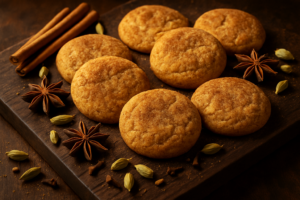
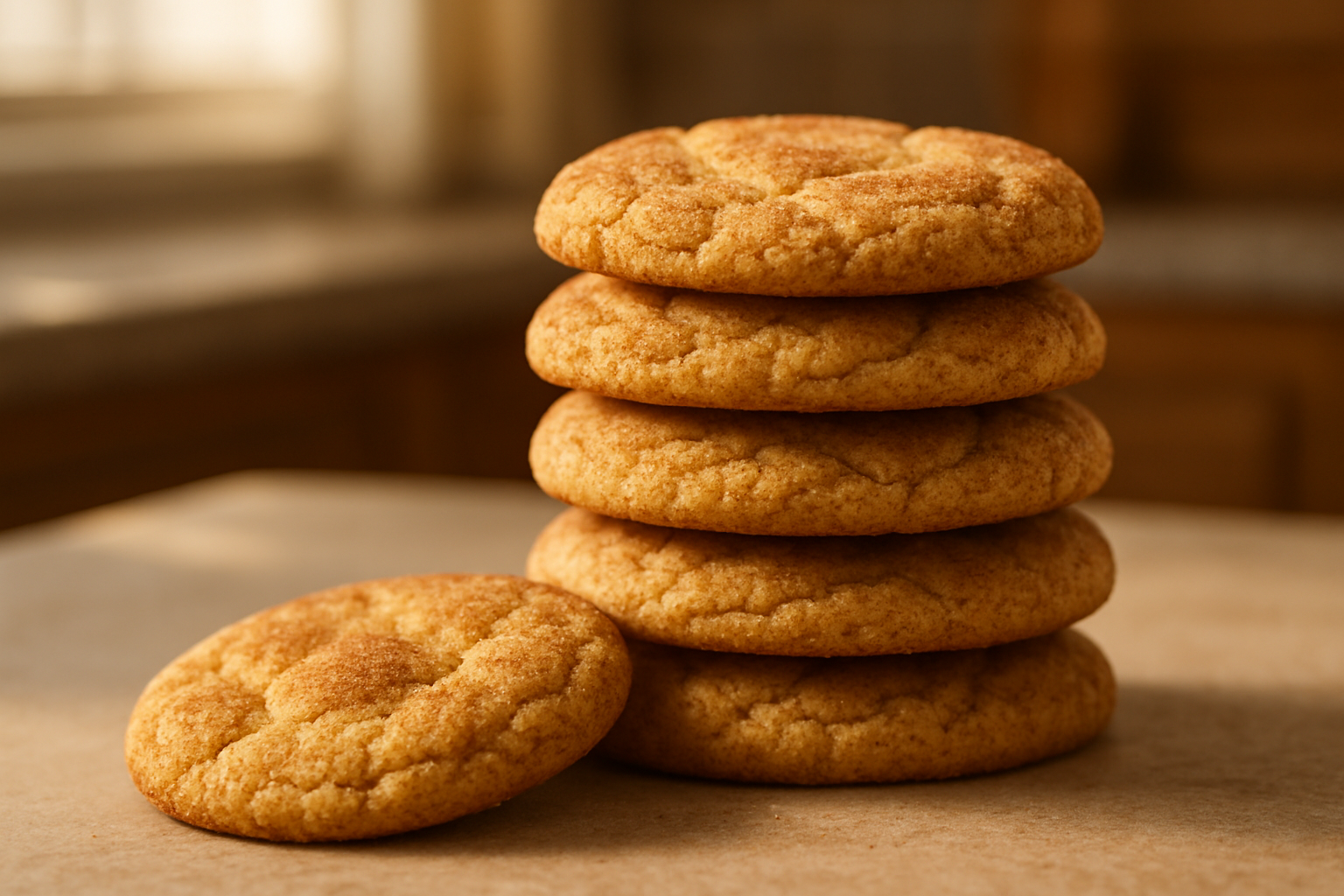
I once pulled a batch of snickerdoodles out of the oven, took one proud sniff, and realized I had completely forgotten the cream of tartar. They looked perfect — golden, crinkled, dusted in cinnamon sugar — but one bite told the whole story. They were just… sugar cookies. Flat-tasting, pleasant enough, but missing that signature snickerdoodle tang that makes you close your eyes and sigh. I had people coming over in forty minutes. I may have said a word that rhymes with “snickerdoodle.” But that kitchen disaster is exactly what sent me down the rabbit hole of truly understanding what makes a perfect snickerdoodle recipe tick — and honestly, I’m glad it happened.
The Cream of Tartar That Rescued My Snickerdoodles (And Fixed My Reputation)
Cream of tartar is the non-negotiable backbone of a true snickerdoodle — it’s what gives them that subtle tang and helps them rise with those beautiful cracks. Without it, you’re just baking vanilla cookies, and I learned that lesson the hard way. But understanding why cream of tartar matters has completely transformed how I approach snickerdoodle baking, and I want to share exactly what I’ve learned.
What Is Cream of Tartar and Why Does It Matter?
Cream of tartar is a byproduct of winemaking — it’s the acidic salt that crystallizes on the inside of wine barrels. In baking, it serves several critical functions that most home bakers don’t fully appreciate. When combined with baking soda, it creates carbon dioxide, which leavens the cookies and gives them that signature crinkled, cracked appearance. But beyond that, cream of tartar directly impacts flavor. It adds a subtle tartness that balances the sweetness of the sugar and cinnamon coating, creating that distinctive snickerdoodle profile that keeps people coming back for more.
The acid in cream of tartar also affects how the dough behaves. It stabilizes the cookies during baking, helping them spread just enough to create those crispy edges while maintaining a chewy center — that delicate balance that separates good snickerdoodles from mediocre ones. Without it, you lose both the flavor complexity and the textural magic that makes snickerdoodles worth baking.
Getting the Proportions Right
For a standard snickerdoodle recipe, you typically want a 1:2 ratio of cream of tartar to baking soda. So if you’re using 1 teaspoon of baking soda, you need 2 teaspoons of cream of tartar. This might seem like a lot, but it’s what creates that perfect rise and that unmistakable tang. I’ve experimented with using less, hoping to reduce the sharp taste, but all that does is flatten the cookies and mute the flavor.
The cream of tartar needs to be distributed evenly throughout the dough. The best approach is to mix it with your flour before combining it with the wet ingredients. This ensures it’s completely dissolved and evenly distributed, so every cookie gets the same lift and flavor.
The Recipe: Crisp Edges, Chewy Center
After testing and tasting my way through years of baking disasters (and redemptions), this is the recipe that delivers every single time. The beauty of snickerdoodles is their simplicity — just a few quality ingredients, proper measurements, and understanding how cream of tartar transforms a plain sugar cookie into something with real character.
What You’ll Need
For the dough:
- 3 cups (375g) all-purpose flour
- 2 teaspoons cream of tartar
- 1 teaspoon baking soda
- 1½ teaspoons ground cinnamon
- ½ teaspoon salt
- 1 cup (16 tablespoons; 226g) unsalted butter, softened
- 1⅓ cups (267g) granulated sugar
- 1 large egg plus 1 large egg yolk
- 2 teaspoons pure vanilla extract
For the topping:
- ⅓ cup (70g) granulated sugar
- 1 teaspoon ground cinnamon
How I Make Them, Step by Step
- Preheat your oven to 375°F (190°C). Line baking sheets with parchment paper — this prevents sticking and ensures even browning.
- In a medium bowl, combine the 3 cups flour, 2 teaspoons cream of tartar, 1 teaspoon baking soda, 1½ teaspoons cinnamon, and ½ teaspoon salt. Whisk them together thoroughly so the cream of tartar and baking soda are completely distributed throughout the flour mixture. This is what prevents lumps in your final dough.
- In a large bowl, beat the 1 cup softened butter and 1⅓ cups sugar together for 2-3 minutes until the mixture is light, fluffy, and pale. This creaming action incorporates air into the dough, which helps with that signature crinkled texture.
- Add the 1 egg, 1 egg yolk, and 2 teaspoons vanilla extract to the butter mixture. Beat on medium speed for about 1 minute until everything is well combined and the mixture looks smooth.
- Gradually add the dry ingredients to the wet ingredients, mixing on low speed until just combined. Don’t overmix — you want a soft dough that holds together, not a tough one.
- In a small shallow bowl, combine the ⅓ cup sugar and 1 teaspoon cinnamon for the topping. This will be your coating.
- Using a spoon or small cookie scoop, roll the dough into 1½-tablespoon-sized balls. Roll each ball in the cinnamon-sugar coating until completely covered — this is where the flavor begins, even before they hit the oven.
- Place the coated dough balls on your prepared baking sheets, spacing them about 3 inches apart. They will spread, so give them room.
- Bake for 10 minutes at 375°F (190°C). The cookies should look slightly underdone on top — the edges will be golden and just starting to crisp, while the centers still look a bit soft. This is the magic moment.
- Remove the baking sheet from the oven and let the cookies sit for 10 minutes. During this time, they’ll continue to set up without becoming hard. You’ll see the characteristic cracks develop across the surface.
- Transfer the cookies to a wire cooling rack and let them cool completely. They’ll firm up as they cool, giving you that perfect textural contrast — crispy cinnamon-sugar edges with a genuinely chewy center.
- Store your finished snickerdoodles in an airtight container at room temperature for up to 7 days, though they rarely last that long in my house.
What works
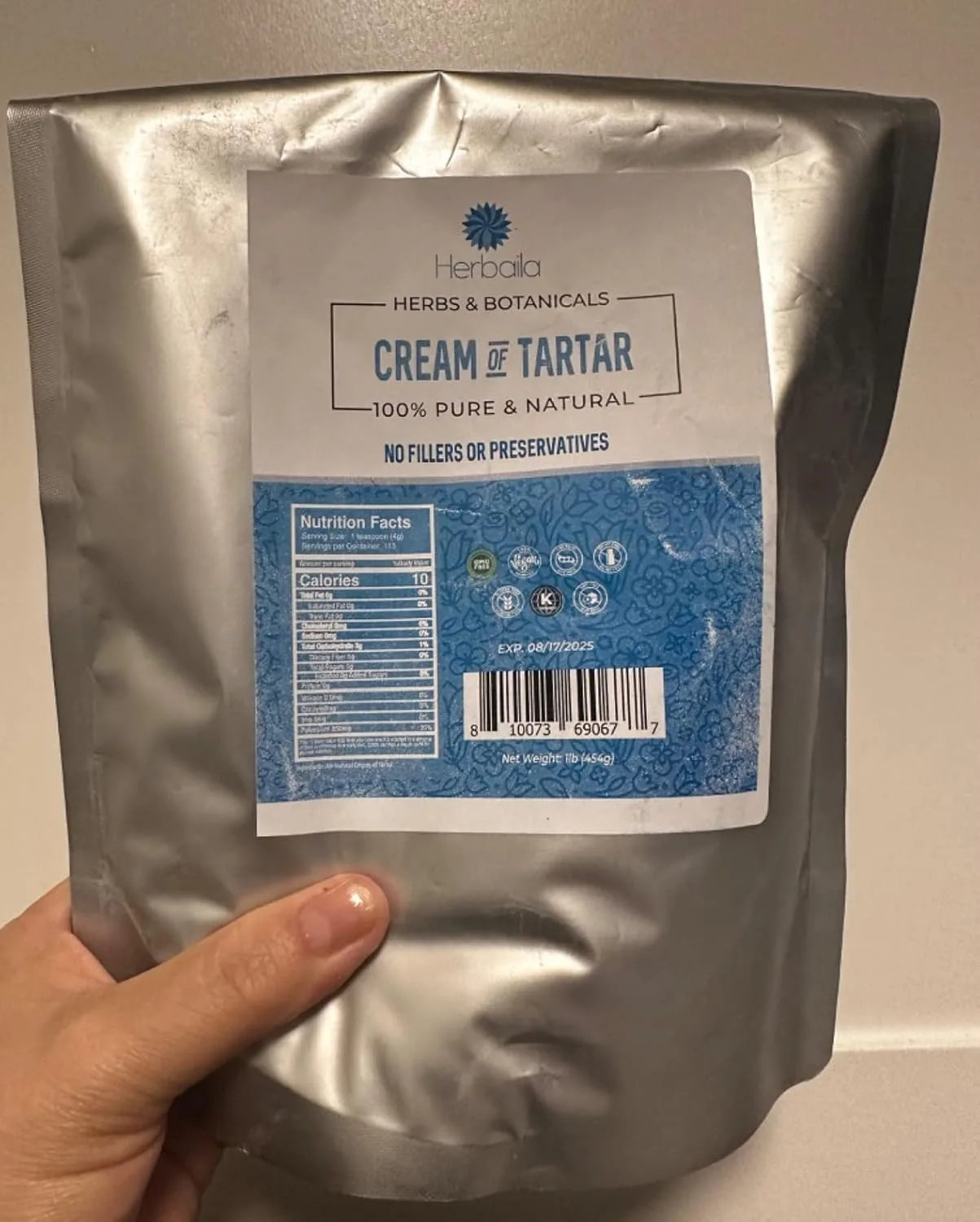
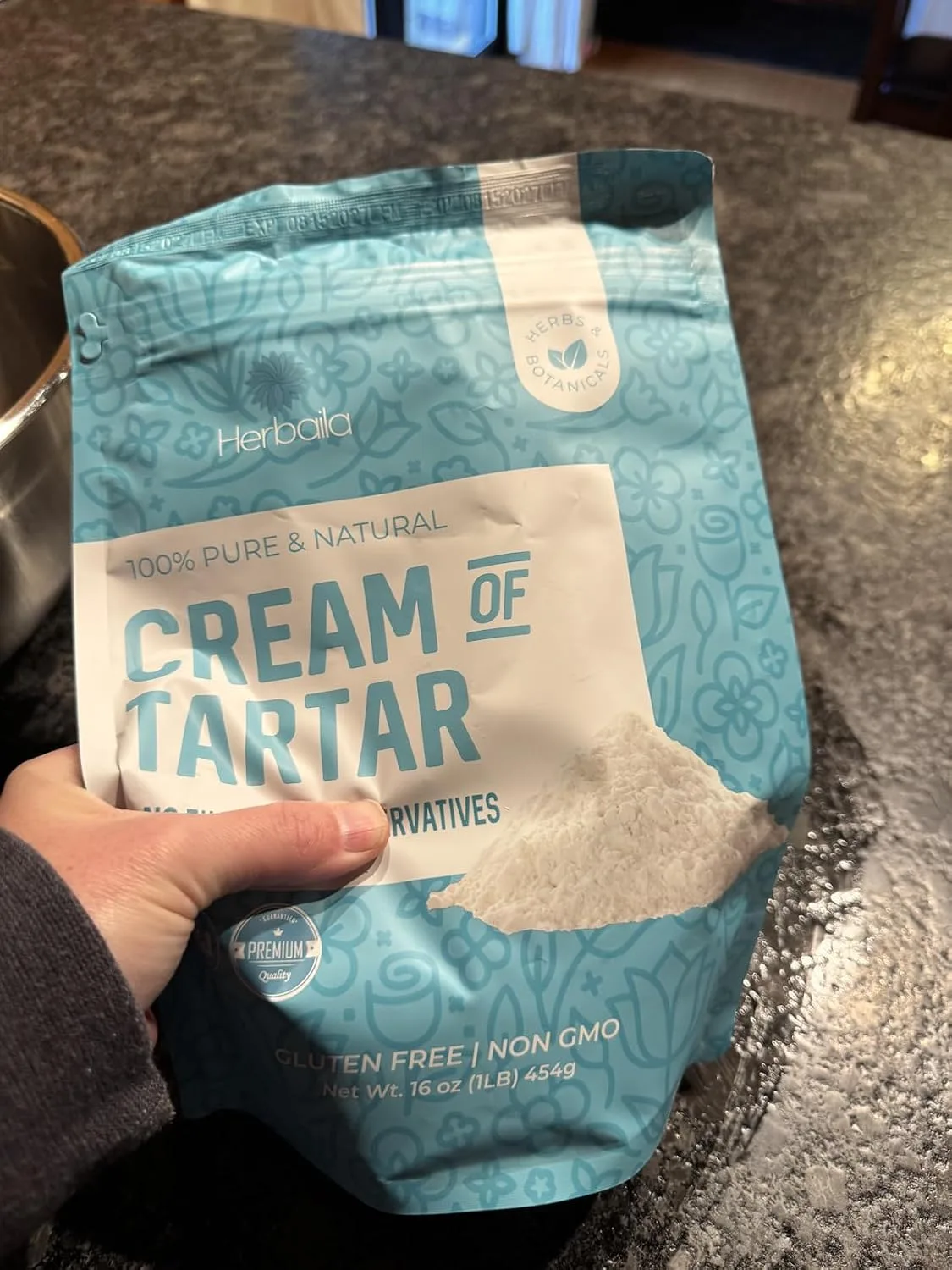
- The 1 lb size lasted me through an entire season of testing batches — I wasn’t buying a new container every month, which matters when you’re baking as much as I do.
- It dissolved completely into the dough without any grittiness, which meant no weird texture surprises when I bit into a cookie.
- The tang it brought out was immediately noticeable — that sharp-sweet flavor that makes snickerdoodles unmistakable and worth the effort.
- The cookies developed beautiful, pronounced cracks on top that everyone associates with true snickerdoodles, not the smooth, domed surface you get without it.
What doesn’t
- The container isn’t resealable in the way I’d prefer — I’ve had to transfer it to a glass jar with a tight lid to keep it fresh between bakes.
- At this price point, it’s easy to overbuy thinking you’ll use it for meringues and angel food cakes, only to realize you mostly need it for snickerdoodles.
- Cream of tartar can lose potency over time if exposed to moisture or heat, so proper storage in an airtight container is essential, or you’ll end up with cookies that don’t rise as expected.
Common Mistakes to Avoid
After my initial disaster and subsequent redemption, I’ve identified several mistakes that prevent people from getting perfect snickerdoodles. First, don’t skip the cream of tartar or try to substitute it with lemon juice or vinegar — the flavor will be off, and the texture won’t develop correctly. Second, don’t let your cream of tartar sit opened in your pantry for years. It stays potent longer than baking soda, but it does degrade over time. If your snickerdoodles stop rising properly, suspect your cream of tartar before anything else.
Third, make sure you’re measuring accurately. Too much cream of tartar creates an unpleasantly sharp taste; too little means you miss out on the flavor and texture benefits. Use a measuring spoon, level it off, and be consistent.
I was skeptical the first time I measured it out — wondering if cream of tartar really made that much difference or if I was just overthinking a simple cookie — but the moment I tasted that first snickerdoodle from my redemption batch, I understood. Herbaila Cream of Tartar 1 lb has been my go-to ever since.
This post contains affiliate links. As an Amazon Associate, I earn from qualifying purchases at no extra cost to you.