
Why Low-Carb Chocolate Cookies Matter
Chocolate cookies rank among America’s favorite treats. However, traditional recipes pack hefty amounts of sugar and refined flour. These ingredients spike blood sugar levels and derail healthy eating plans. Fortunately, you can enjoy delicious cream-filled chocolate cookies without compromising your low-carb lifestyle.
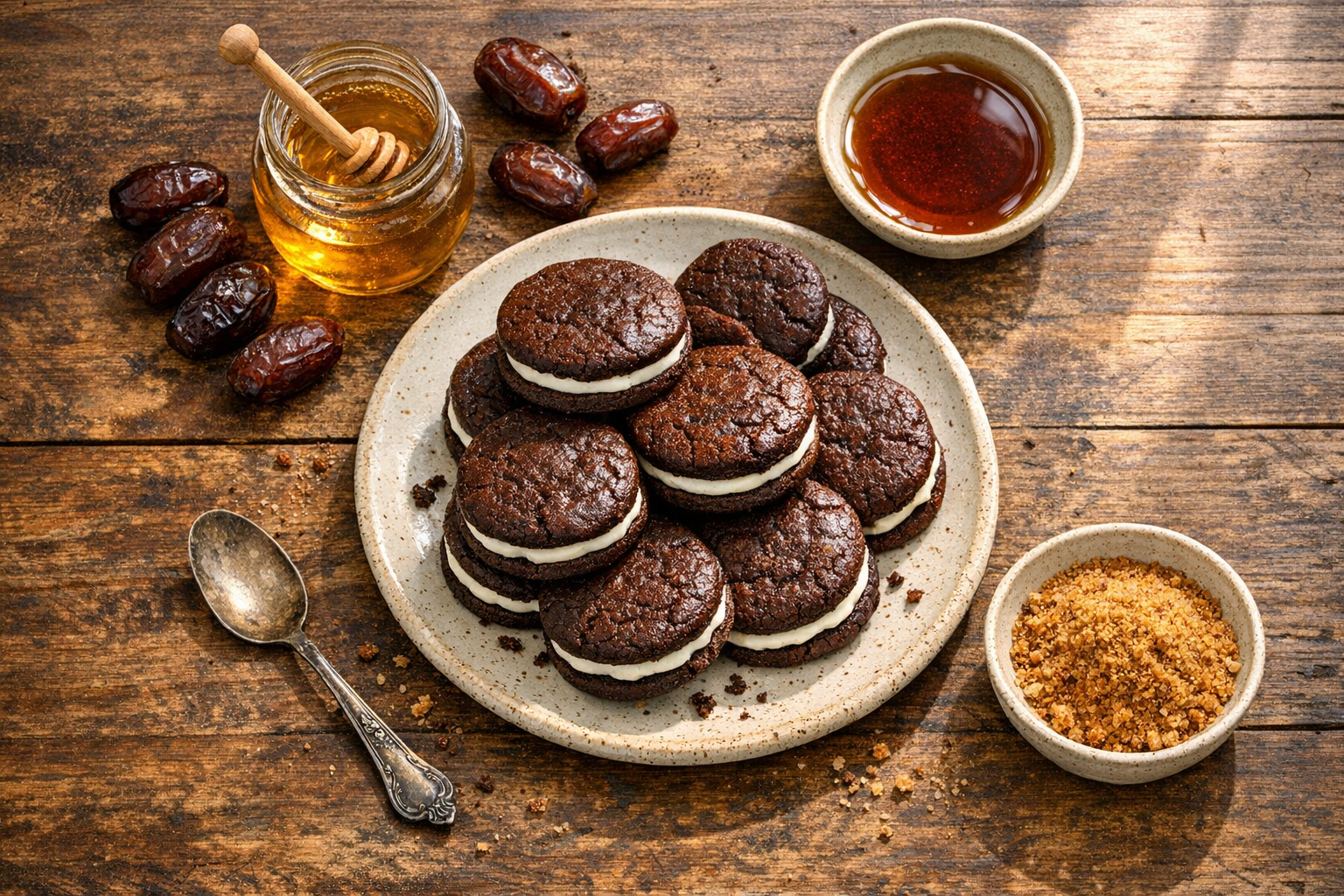
This recipe transforms classic chocolate sandwich cookies into a keto-friendly dessert. We replace wheat flour with nutrient-dense alternatives that support your health goals. Additionally, we swap refined sugar for natural sweeteners that won’t trigger insulin spikes.
Understanding Low-Carb Baking Fundamentals
Low-carb baking requires different techniques than conventional methods. Traditional flour contains gluten, which provides structure and elasticity. When you eliminate wheat flour, you must compensate with alternative binding agents.
Almond flour serves as the primary base in this recipe. Source . This dramatic reduction makes it perfect for ketogenic diets. Moreover, almond flour adds protein and healthy fats to your cookies.
Coconut flour plays a supporting role in the recipe. This highly absorbent flour requires less volume than other alternatives. Furthermore, it contributes a subtle sweetness that complements the chocolate flavor. The combination of these two flours creates cookies with ideal texture and taste.
Essential Ingredients for Success
Selecting quality ingredients determines your baking success. Each component serves a specific purpose in the final product. Let’s explore what you’ll need and why these ingredients matter.
Flour Alternatives
Almond flour forms the foundation of these cookies. Choose blanched almond flour for the smoothest texture. Consequently, your cookies will have a more refined appearance and mouthfeel. Coconut flour balances the moisture content and prevents spreading during baking.
Sugar Substitutes
Erythritol provides sweetness without the carbohydrate load. This sugar alcohol doesn’t affect blood glucose levels in most people. Additionally, it measures cup-for-cup like regular sugar, simplifying the baking process. Some bakers prefer powdered erythritol for smoother texture in both cookies and filling.
What I Recommend
For the cookie base, I always reach for quality cacao powder. It makes such a difference in the depth of chocolate flavor—skip the grocery store stuff and invest in something that actually tastes like real chocolate. Your cookies will thank you.
You’ll want to line your baking sheets with parchment paper sheets to prevent any sticking and make cleanup a breeze. I never bake without them anymore—they’re a game-changer for getting those perfect, even edges.
When it comes to the filling, quality cream cheese is absolutely essential. Don’t skimp here—it’s what makes that creamy, dreamy filling so delicious and luxurious.
Unsalted butter is my go-to for baking because it lets you control the salt level in your dough. I always keep good-quality butter on hand—it really does create a richer, more tender cookie.
A splash of pure vanilla extract in both the cookies and the cream filling is what brings everything together. Real vanilla makes such a noticeable difference compared to imitation—trust me on this one.
For the filling, heavy whipping cream is what you’ll need to whip into that smooth, fluffy frosting. Make sure you grab the full-fat version for the best results—it whips up beautifully and holds its shape perfectly.
If you’re looking to make a lower-sugar version, erythritol powder works wonderfully as a sugar substitute in both the dough and filling. I’ve had great success using it, and it measures almost exactly like regular sugar.
Another sweetener option I love is monk fruit sweetener, which has a clean taste without any aftertaste. It’s perfect if you want to reduce sugar but still achieve that authentic cookie flavor.
For a grain-free twist, almond flour can replace a portion of your regular flour for extra moisture and richness. It creates such a tender, almost buttery crumb that you’ll love.
Coconut flour is another interesting grain-free option that adds a subtle depth to your chocolate cookies. If you use it, remember that it absorbs more moisture than regular flour, so adjust your wet ingredients slightly.
Fat Sources
Butter adds richness and helps bind ingredients together. Use unsalted butter to control sodium levels. Meanwhile, the cream cheese filling requires full-fat cream cheese for optimal consistency. Low-fat versions contain added stabilizers that affect texture negatively.
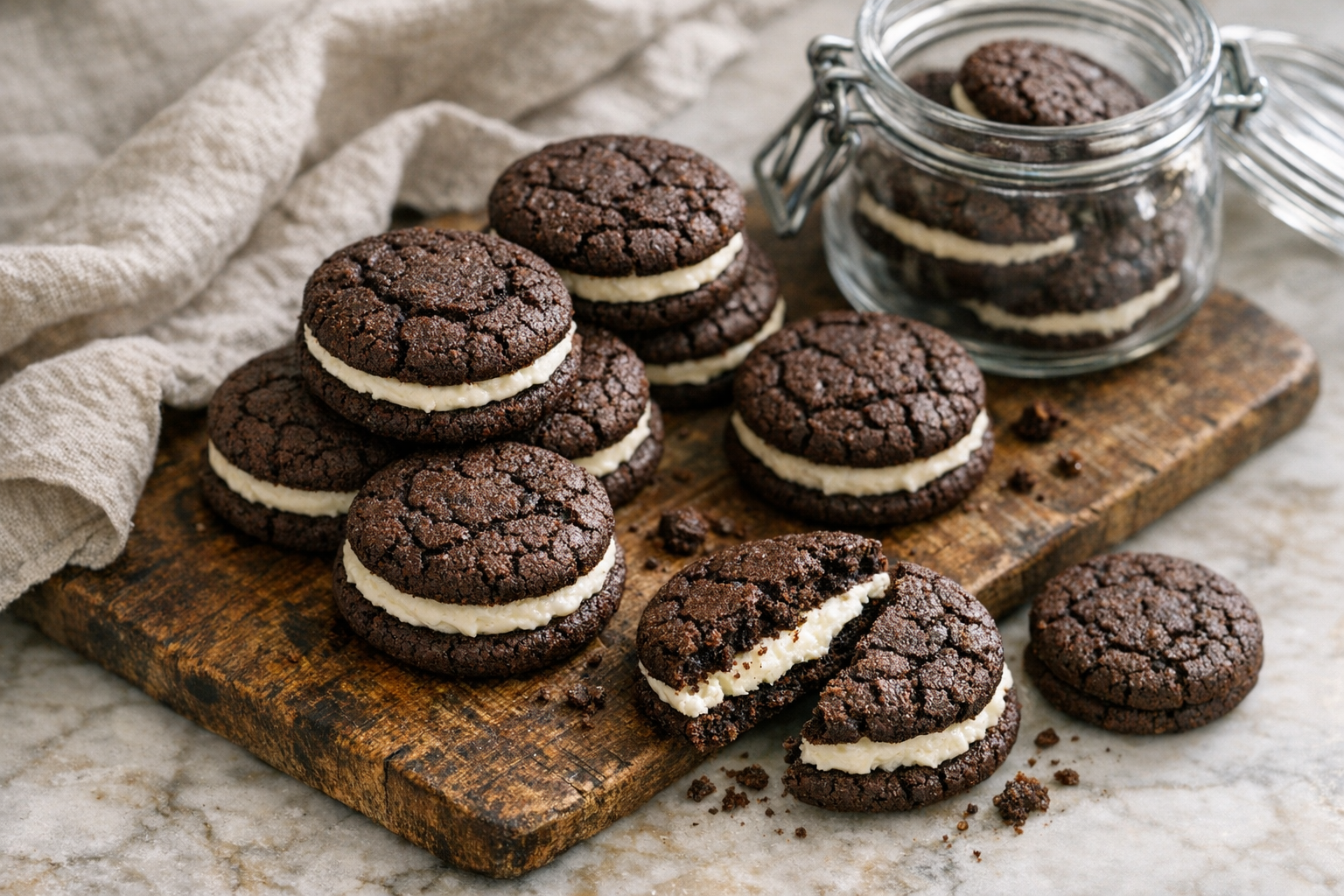
Homemade Cream-Filled Chocolate Cookies Recipe
Chocolate Cookie Base
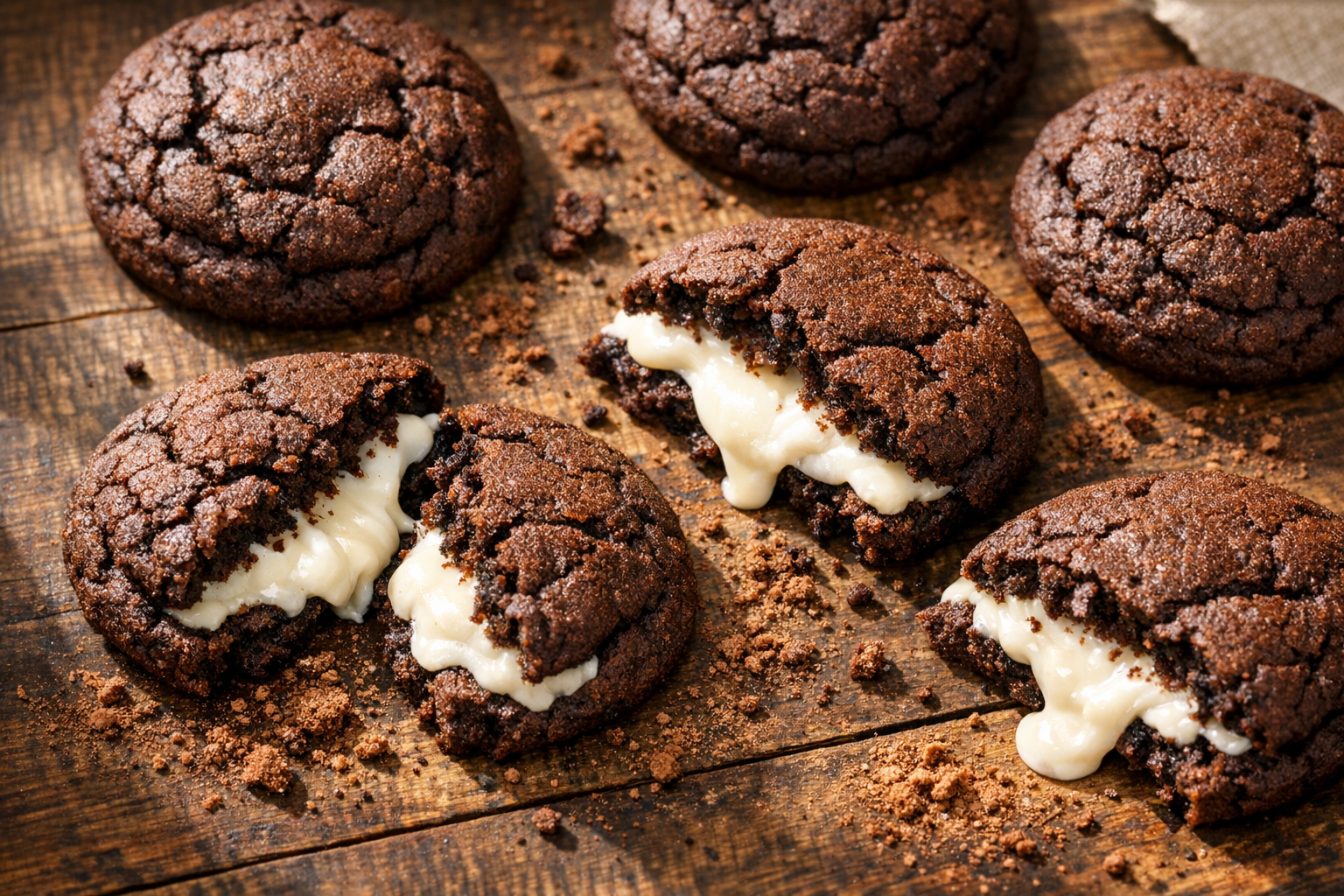
Ingredients:
- 2 cups blanched almond flour
- 1/4 cup coconut flour
- 1/2 cup unsweetened cocoa powder
- 3/4 cup powdered erythritol
- 1/2 teaspoon baking soda
- 1/4 teaspoon salt
- 1/2 cup unsalted butter, softened
- 1 large egg
- 1 teaspoon vanilla extract
- 2 tablespoons heavy cream
Instructions:
- Preheat your oven to 325°F and line two baking sheets with parchment paper.
- Combine almond flour, coconut flour, cocoa powder, erythritol, baking soda, and salt in a large bowl.
- Beat softened butter in a separate bowl until creamy and smooth.
- Add the egg and vanilla extract to the butter, mixing until fully incorporated.
- Gradually blend the dry ingredients into the wet mixture, adding heavy cream to achieve workable dough consistency.
- Roll the dough into 24 equal balls, approximately 1 tablespoon each.
- Place balls on prepared baking sheets, spacing them 2 inches apart.
- Flatten each ball gently with the bottom of a glass to about 1/4 inch thickness.
- Bake for 12-14 minutes until the edges feel firm to touch.
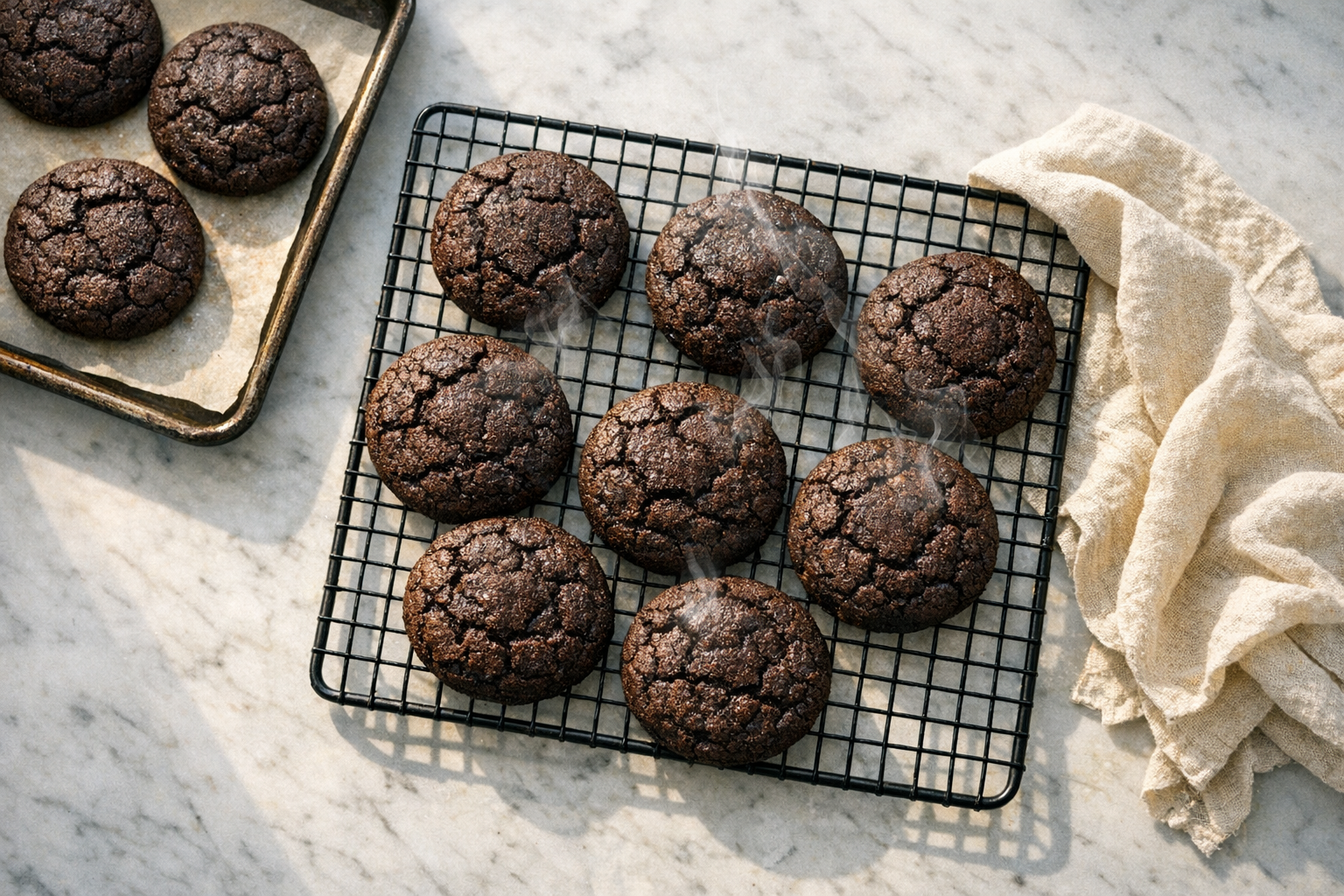
- Allow cookies to cool on the baking sheet for 5 minutes before transferring to a wire rack.
- Cool completely before filling, as warm cookies will melt the cream.
Sugar-Free Cream Cheese Filling
Ingredients:
- 8 ounces full-fat cream cheese, softened
- 1/4 cup unsalted butter, softened
- 1/2 cup powdered erythritol
- 1 teaspoon vanilla extract
- Pinch of salt
Instructions:
- Beat cream cheese and butter together until light and fluffy, approximately 3 minutes.
- Add powdered erythritol gradually while continuing to beat the mixture.
- Mix in vanilla extract and salt until evenly distributed.
- Refrigerate the filling for 15-20 minutes to achieve spreadable consistency.
- Spread approximately 1 tablespoon of filling onto the flat side of one cookie.
- Top with another cookie, flat side down, pressing gently to spread filling to edges.
- Repeat with remaining cookies and filling.
- Store assembled cookies in an airtight container in the refrigerator for up to one week.
Troubleshooting Common Low-Carb Cookie Issues
Gluten-free dough behaves differently than traditional cookie dough. Understanding these differences helps you avoid frustration and achieve perfect results every time.
Preventing Crumbly Cookies
Low-carb cookies often crumble due to lack of gluten structure. The egg in this recipe acts as a crucial binding agent. Therefore, don’t skip it or substitute with flax eggs, which provide less binding power. Additionally, ensure you measure almond flour correctly by spooning it into measuring cups rather than scooping directly.
Coconut flour absorbs moisture rapidly. If your dough feels too dry, add heavy cream one teaspoon at a time. Conversely, overly wet dough indicates too much liquid or insufficient coconut flour. The dough should hold together when pressed but not feel sticky.
Managing Cookie Spread
Understanding Almond Flour Cookie Behavior
Almond flour presents unique challenges when baking cream-filled cookies. Unlike traditional wheat flour, it lacks gluten structure. Consequently, cookies made with almond flour naturally flatten during baking. The absence of gluten proteins means there’s nothing to hold the dough upright. Additionally, almond flour contains higher fat content than wheat flour. This extra fat contributes to increased spreading in the oven.
Essential Temperature Control Techniques
Proper temperature management is crucial for successful almond flour cookies. Refrigeration serves as your primary defense against unwanted spreading. Therefore, plan to chill your prepared dough for at least half an hour. Moreover, some bakers prefer chilling for up to two hours. The cold dough holds its shape better when exposed to oven heat. Meanwhile, the butter solidifies during this resting period. As a result, your cookies maintain their intended dimensions.
The Butter Temperature Rule
Room temperature butter should feel slightly cool to the touch. It should yield gently when pressed but not feel greasy. However, many home bakers accidentally over-soften their butter. Furthermore, microwaving butter often leads to partial melting. Melted or overly soft butter integrates too thoroughly into the dough. This creates an overly liquid batter that spreads uncontrollably. In contrast, properly softened butter creates distinct fat pockets. These pockets help maintain structural integrity during baking.
Additional Tips for Perfect Cookies
Consider these practical strategies for better results:
- Freeze shaped dough balls for 10 minutes before baking
- Use parchment paper to prevent sticking and monitor spreading
- Reduce oven temperature by 25 degrees to slow spreading
- Add one tablespoon of coconut flour for extra structure
- Space cookies at least 3 inches apart on baking sheets
The coconut flour in this recipe helps control spread naturally. However, if cookies still spread too much, increase coconut flour by one tablespoon. Remember that coconut flour requires adjustment carefully, as too much creates dry, dense cookies.
Achieving Proper Texture
Perfectly baked low-carb cookies should feel slightly soft when removed from the oven. They firm up considerably during cooling. Overbaking creates hard, brittle cookies that lack the desired chewy texture. Set a timer and check cookies at the minimum baking time.
The cooling process remains critical for texture development. Cookies continue cooking from residual heat on the baking sheet. Therefore, transfer them to a wire rack after five minutes to prevent over-firming.
Nutritional Benefits of Low-Carb Cookies
These cookies offer more than just reduced carbohydrates. The ingredient substitutions provide several nutritional advantages over traditional recipes.
Macronutrient Breakdown
Each assembled cookie contains approximately 4 grams of net carbohydrates. In contrast, traditional chocolate sandwich cookies pack 12-15 grams per serving. This reduction allows you to enjoy dessert while maintaining ketosis.
The protein content reaches about 4 grams per cookie, thanks to almond flour. Traditional cookies typically contain only 1-2 grams of protein. This increased protein helps stabilize blood sugar and promotes satiety.
Healthy fats comprise the majority of calories in these cookies. Almond flour and butter provide monounsaturated fats that support heart health. Moreover, these fats slow digestion and prevent blood sugar spikes.
Micronutrient Advantages
Almond flour delivers significant amounts of vitamin E, magnesium, and manganese. These nutrients support immune function and bone health. Traditional refined flour offers minimal nutritional value beyond empty calories.
The cocoa powder contributes antioxidants called flavonoids. These compounds support cardiovascular health and may improve cognitive function. Choose unsweetened cocoa powder with high cacao content for maximum benefits.
Storage and Serving Suggestions
Proper storage extends the shelf life of your homemade cookies. These treats taste best when stored correctly and served at optimal temperature.
Storage Guidelines
Refrigerate assembled cookies in an airtight container for up to one week. The cream cheese filling requires cold storage to prevent spoilage. Layer cookies between parchment paper to prevent sticking.
You can freeze unfilled cookies for up to three months. Wrap them tightly in plastic wrap, then place in freezer bags. Thaw at room temperature before filling. However, avoid freezing assembled cookies, as the filling texture changes upon thawing.
Serving Recommendations
Remove cookies from the refrigerator 10-15 minutes before serving. This brief warming period enhances flavor and softens the texture slightly. Cold cookies taste less sweet and feel harder than those at room temperature.
Pair these cookies with unsweetened almond milk or black coffee. The beverage complements the rich chocolate flavor without adding carbohydrates. Alternatively, serve alongside fresh berries for a complete low-carb dessert experience.
Customization Options
Modifying the Cookie Shell
The dough itself offers a wonderful blank canvas for creativity. Cocoa powder creates a classic chocolate sandwich that everyone loves. However, you are not limited to just chocolate or vanilla options. For example, add lemon zest for a bright, citrusy twist. Alternatively, mix in cinnamon and nutmeg for a warm, spiced flavor profile. Consequently, the cookie shell becomes a distinct part of the tasting experience.
You can also experiment with different flours. Almond flour adds a nutty undertone and a tender crumb. Meanwhile, substituting brown sugar for white sugar creates a chewy texture. Therefore, small tweaks to the dry ingredients yield massive results.
Transforming the Creme Filling
The creamy center provides the perfect opportunity for bold experimentation. A standard vanilla buttercream is delicious, yet it is only the beginning. Therefore, consider incorporating high-quality extracts to shift the flavor profile. Peppermint extract pairs beautifully with chocolate dough during the holidays. Moreover, almond extract adds a sophisticated, nutty aroma.
You can also change the texture and richness of the filling. For instance, swap butter for cream cheese to add a tangy bite. Additionally, mixing in peanut butter makes the filling savory and dense. As a result, your sandwich cookie becomes a true gourmet delight.
Adding Texture and Visual Flair
Texture plays a crucial role in the perfect cookie experience. Consequently, you should look beyond just smooth fillings. Rolling the edges of the filled cookie creates a stunning visual effect. Furthermore, it adds a delightful crunch to every bite.
Try these fun additions for the outer edge:
- Mini chocolate chips: These add a rich cocoa burst.
- Crushed nuts: Pecans or walnuts offer earthy tones.
- Colorful sprinkles: Perfect for matching specific holidays or events.
- Toasted coconut: This provides a tropical, chewy finish.
Finally, crushed candy canes are excellent for winter treats. Thus, simple garnishes elevate the presentation significantly.
Flavor Variations
Add 1/2 teaspoon of instant espresso powder to the cookie dough for mocha-flavored cookies. The coffee enhances the chocolate taste without adding carbohydrates. Alternatively, incorporate 1/4 teaspoon of peppermint extract for a refreshing twist.
The cream filling adapts well to flavor additions too. Try adding sugar-free vanilla pudding mix for extra stability and flavor. You can also incorporate 2 tablespoons of unsweetened cocoa powder for chocolate cream filling.
Mix-In Ideas
Fold 1/4 cup of sugar-free chocolate chips into the cookie dough for extra chocolate intensity. Chopped pecans or walnuts add crunch and healthy fats. Limit additions to 1/4 cup to maintain proper dough consistency.
Incorporating unsweetened coconut flakes transforms standard dough into an exotic treat. Suddenly, a basic recipe becomes a tropical delight. Using unsweetened varieties is a strategic choice. For example, it prevents the final product from becoming overly sugary. This allows the natural nuttiness to shine through effectively. Additionally, it adds a distinct, fibrous texture to the cookie. Therefore, every bite offers a satisfying and complex mouthfeel.
Mastering the Toasting Technique
You must not skip the toasting process. Raw coconut often lacks depth and necessary crunch. However, applying heat changes the flavor profile entirely. Simply spread the flakes on a baking sheet. Then, bake them briefly until they turn golden brown. Consequently, the heat releases distinct essential oils. This process amplifies the aroma significantly. As a result, the flavor becomes richer and far more savory.
Perfecting the Cream Filling
These toasted notes require a smooth, creamy partner. A classic vanilla cream filling works best here. The mild sweetness of vanilla complements the coconut perfectly. It does not overpower the delicate toasted flavor. Furthermore, the contrast in textures is incredible. The velvety cream softens the crisp coconut bits. Ultimately, this creates a perfectly balanced bite.
Flavor Variations to Try
To further elevate your creme filled cookie, consider these adjustments:
- Citrus Zest: Add fresh lime zest to the cream. This cuts through the richness effectively.
- Dark Chocolate: Dip half the cookie in chocolate. Bittersweet notes pair well with toasted coconut.
- Rum Extract: A drop of rum extract adds warmth. This mimics the flavor of a piña colada.
Final Thoughts on Low-Carb Baking Success
Creating delicious low-carb desserts requires understanding ingredient functions and proper techniques. These cream-filled chocolate cookies prove that dietary restrictions don’t mean sacrificing flavor or satisfaction. The combination of almond and coconut flour produces cookies with excellent texture and taste.
Mastering gluten-free dough takes practice and patience. Don’t feel discouraged if your first batch doesn’t turn out perfectly. Each baking session teaches valuable lessons about dough consistency and oven behavior. Keep notes about what works and what needs adjustment.
These cookies fit seamlessly into ketogenic, low-carb, and diabetic-friendly meal plans. They satisfy chocolate cravings without derailing your health goals. Moreover, they demonstrate that nutritious ingredients can create indulgent treats. Share them with friends and family who follow similar dietary approaches, or surprise conventional cookie lovers with this healthier alternative.
*As an Amazon Associate, I earn from qualifying purchases.